Killer whale
Orcinus orca
A social marine mammal that communicates with unique vocal dialects.
Video
About this species
Species identity
Orcinus orca, commonly known as the killer whale or orca, is a large marine mammal that typically reaches 6–8 meters in length. It lives in groups called pods and is highly social, with complex communication and coordinated behaviors. Its distinctive black-and-white coloration and tall dorsal fin make it one of the most recognizable species in the ocean.
Where it lives
Orcinus orca is found in all oceans of the world, from polar regions to tropical seas. It is one of the most widely distributed marine mammals and occurs in both coastal and open ocean environments.
Different populations are associated with specific regions and habitats, often linked to the availability of prey.
This species can be found from surface waters to deeper areas, depending on hunting behavior and local conditions.
Role in the ecosystem
Orcinus orca is a top predator that feeds on fish, marine mammals, and other large prey, regulating populations at higher trophic levels. It occupies the upper level of the marine food web and has no natural predators. By influencing prey populations and behavior, it contributes to the structure and balance of marine ecosystems.
Scientific reference
Citation
Ocean Literacy Connections
This resource can be explored through Ocean biodiversity and One ocean, many features.
- How do different ocean conditions create different ecosystems and ways of life?
- How do different ocean places belong to one connected system?
Explore and connect
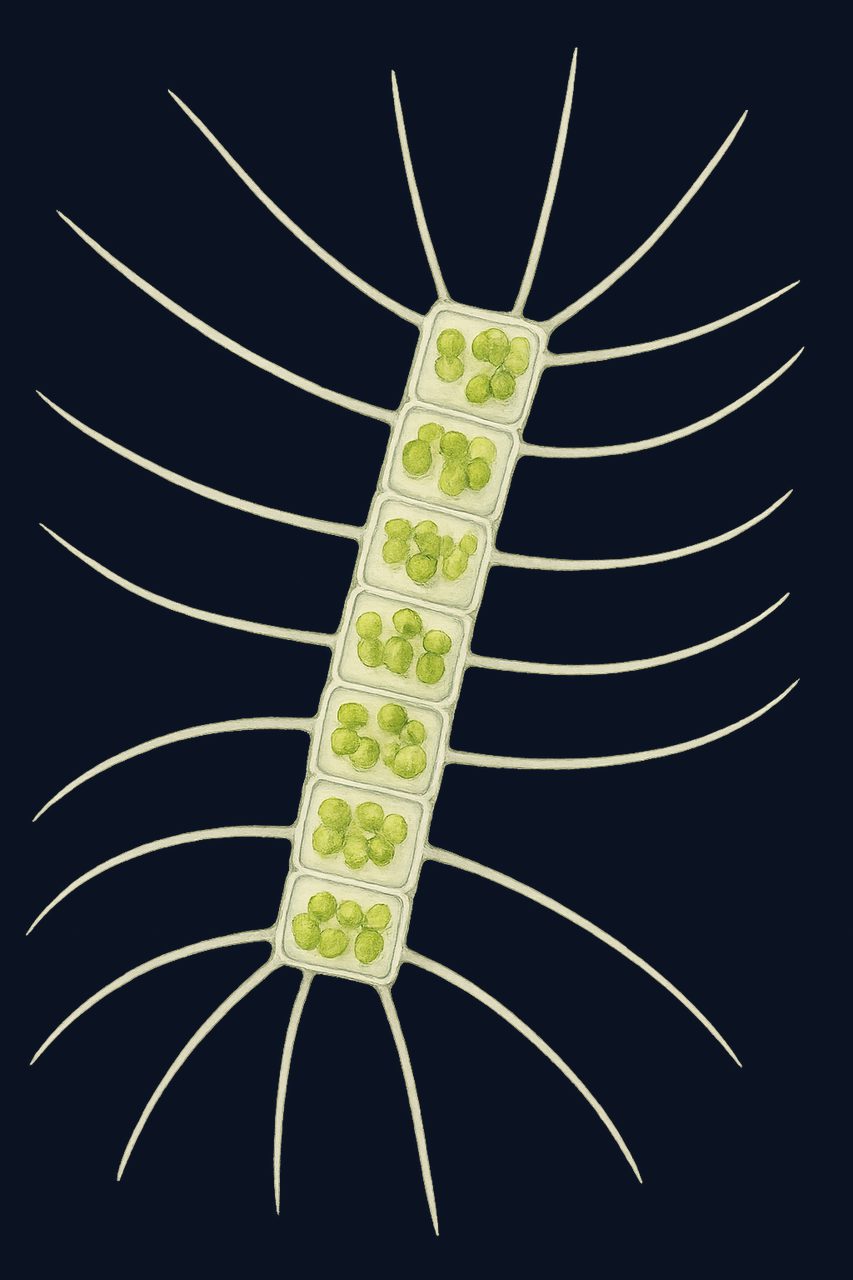
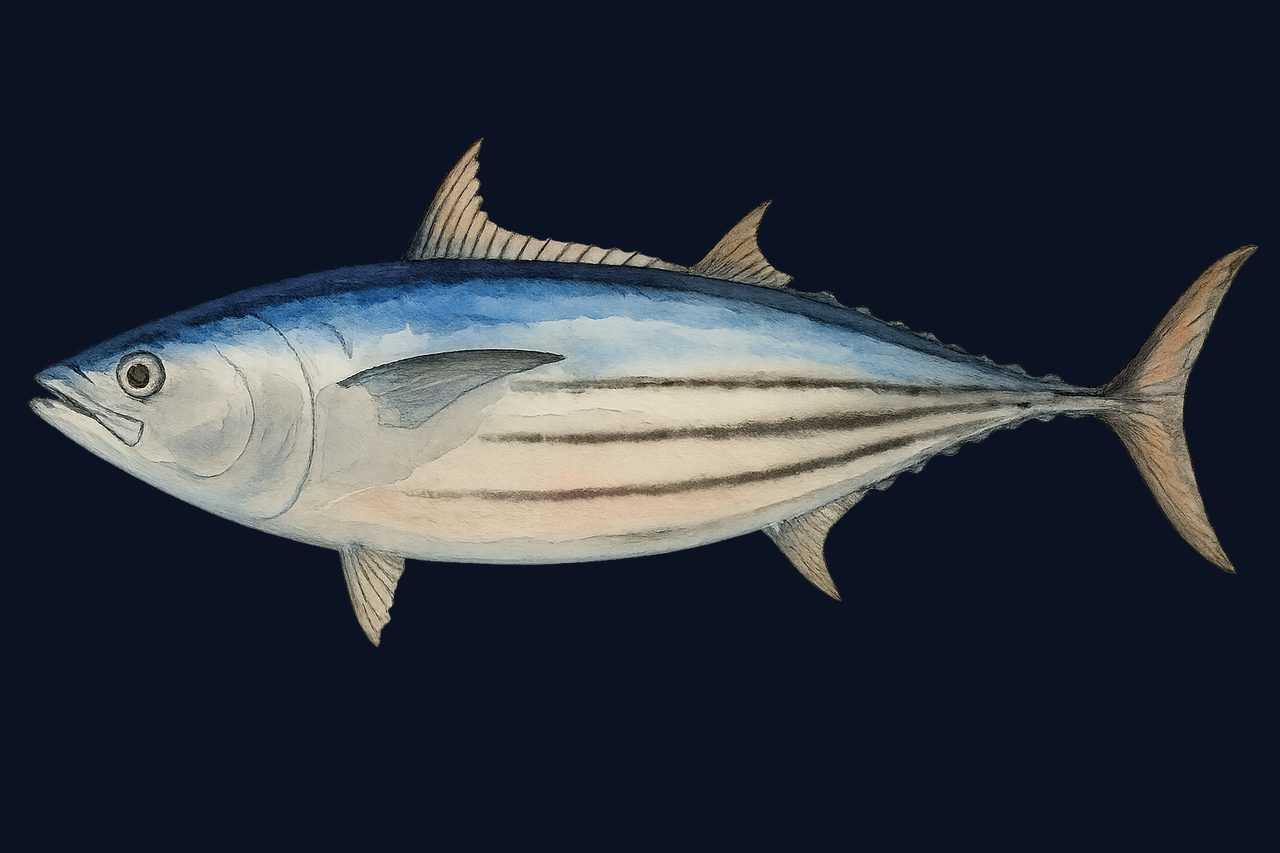
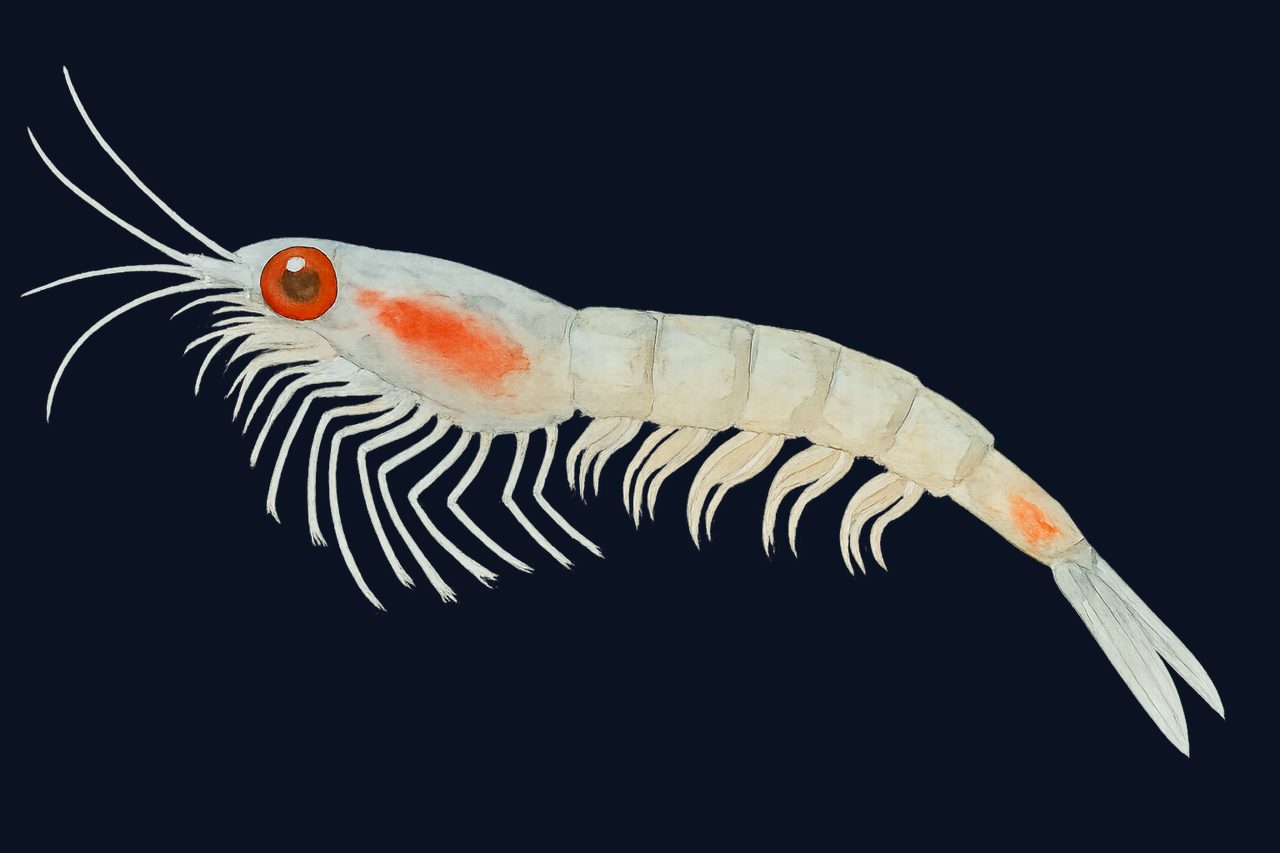
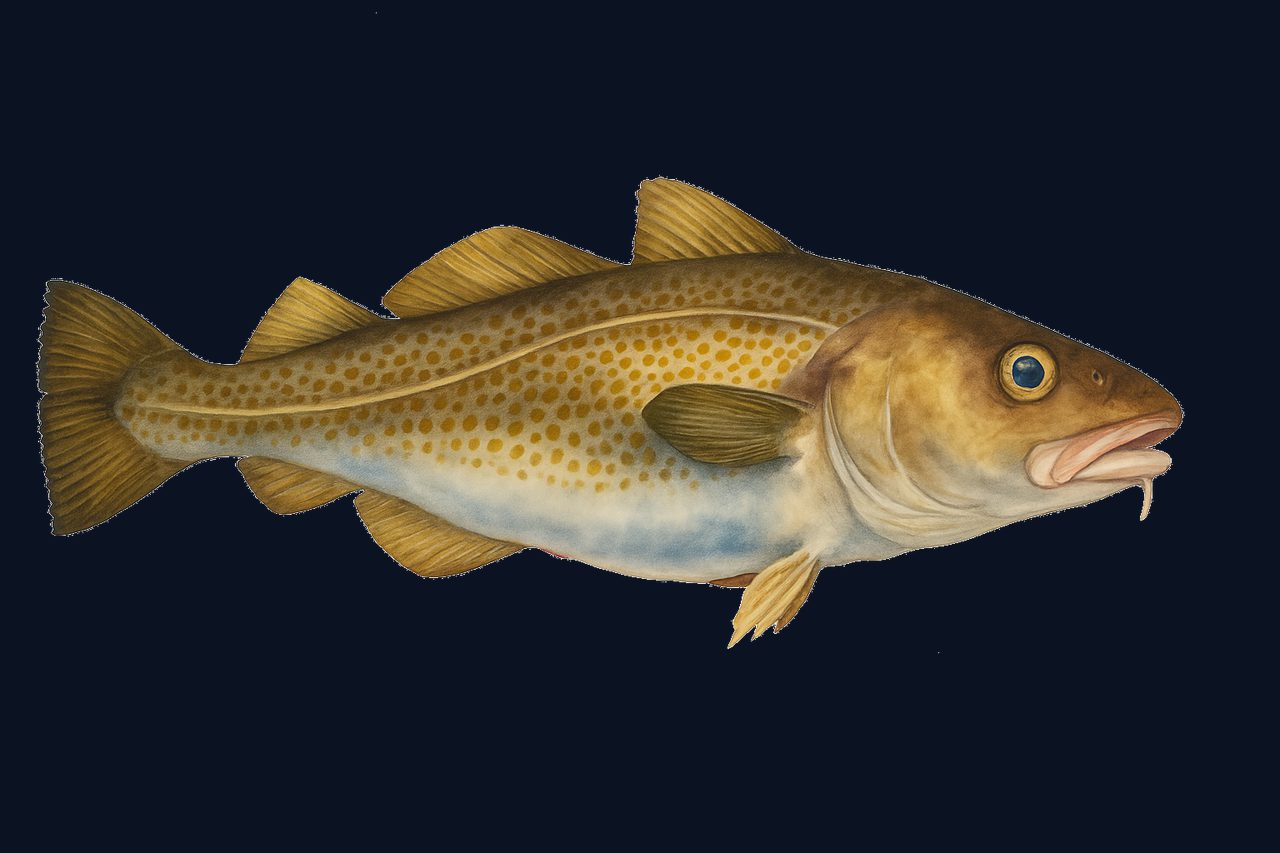
Open the tertiary consumer view and compare this species with related marine life.

FAQ
Do all orcas eat the same type of food?
No, different populations have specialized diets, with some feeding mainly on fish while others hunt marine mammals, reflecting distinct ecological roles and behaviors.
Are orcas dangerous to humans?
In the wild, there are no well-documented cases of fatal attacks on humans, and they generally do not treat humans as prey.
Do orcas have different dialects?
Yes, different orca populations have distinct vocal dialects made up of unique patterns of calls. These dialects are learned socially within pods and are stable over time, reflecting strong cultural transmission. They help maintain group identity and coordination, and are well documented in long-term studies of resident orca populations.