Step 1: Start with an inaccessible place
Use the Mariana Trench or another deep-ocean environment and ask why people cannot simply travel there and look around.
The ocean is vast, deep, dynamic, and difficult to access. Exploration helps us understand ocean systems, discover new habitats and organisms, and improve knowledge of how Earth works.
Exploration and repeated observation reveal ocean places, processes, organisms, and changes that cannot be understood from a single visit or instrument.
Ocean exploration helps scientists investigate the seafloor, water column, organisms, physical processes, chemistry, and changing environmental conditions.
New observations can reveal previously unknown habitats, species, behaviors, geological features, resources, and connections within the ocean system. Exploration can also improve understanding of human impacts and generate discoveries useful to medicine, engineering, energy, and other fields.
Scientists do not only explore new places. They also return to places and collect observations over time.
Repeated measurements help reveal changes in temperature, circulation, sea level, chemistry, noise, ecosystems, species distributions, and other ocean processes. Long-term observations help scientists recognize patterns, test explanations, and improve predictions.
Understanding the ocean depends on people with different expertise, experiences, responsibilities, and ways of knowing working together and sharing information.
Ocean exploration brings together biology, chemistry, geology, physics, engineering, mathematics, computing, data science, and many other disciplines.
Scientists also work with technicians, vessel crews, educators, students, Indigenous and local knowledge holders, communities, governments, environmental organizations, and international partners to collect, interpret, fund, regulate, and share ocean information.
Ocean data and discoveries must be communicated accurately and made accessible so scientists, decision-makers, educators, and communities can use them.
Ocean conditions make direct access difficult, so scientists use specialized technologies and connected data systems to observe places people cannot easily reach.
Depth, darkness, pressure, temperature, salinity, distance, waves, and currents create conditions that make direct human exploration difficult, expensive, and sometimes dangerous.
Many ocean environments cannot be visited safely or observed continuously by people. These physical challenges explain why specialized technologies are necessary.
Scientists use research vessels, submersibles, remotely operated vehicles, autonomous underwater vehicles, sonar, satellites, sensors, drifters, buoys, observatories, and other technologies.
Some tools observe enormous areas from above. Others map the seafloor, travel through the water column, remain underwater for long periods, or collect samples and measurements in extreme environments.
New methods and technologies also support research into ocean organisms, resources, energy, geology, and physical processes.
Ocean observations from different instruments can be combined in maps, data systems, and computational models.
These systems help scientists investigate places and processes that cannot be observed continuously. They connect observations across depth, distance, and time, while online access allows scientists and the public to participate in remote or near-real-time exploration.
Better ocean knowledge supports decisions about biodiversity, resources, hazards, climate, and sustainable use.
Use the Mariana Trench or another deep-ocean environment and ask why people cannot simply travel there and look around.
Ask which tools could investigate its depth, shape, water conditions, geology, and organisms.
Show how observations from satellites, ships, sonar, sensors, submersibles, and different scientific disciplines can be combined into maps, datasets, and models.
Let students identify a question that would require additional observations or exploration.
Ocean exploration is an active process of asking questions, observing difficult-to-reach environments, comparing change over time, combining expertise, and turning measurements into usable knowledge.
Students should come away understanding that much of the ocean remains difficult to observe, exploration depends on specialized technology and collaboration, and maps, data, and models help people understand what they cannot observe continuously.
Classroom prompt: If scientists wanted to understand a place 8,000 metres below the ocean surface, what would they need to observe and which tools would they use?
Compare bathymetry, time-dependent datasets, and model-based layers to investigate how observations become maps and where more evidence is still needed.
Trace links among deep-ocean species, unusual habitats, exploration opportunities, scientific disciplines, and the systems people are still trying to understand.
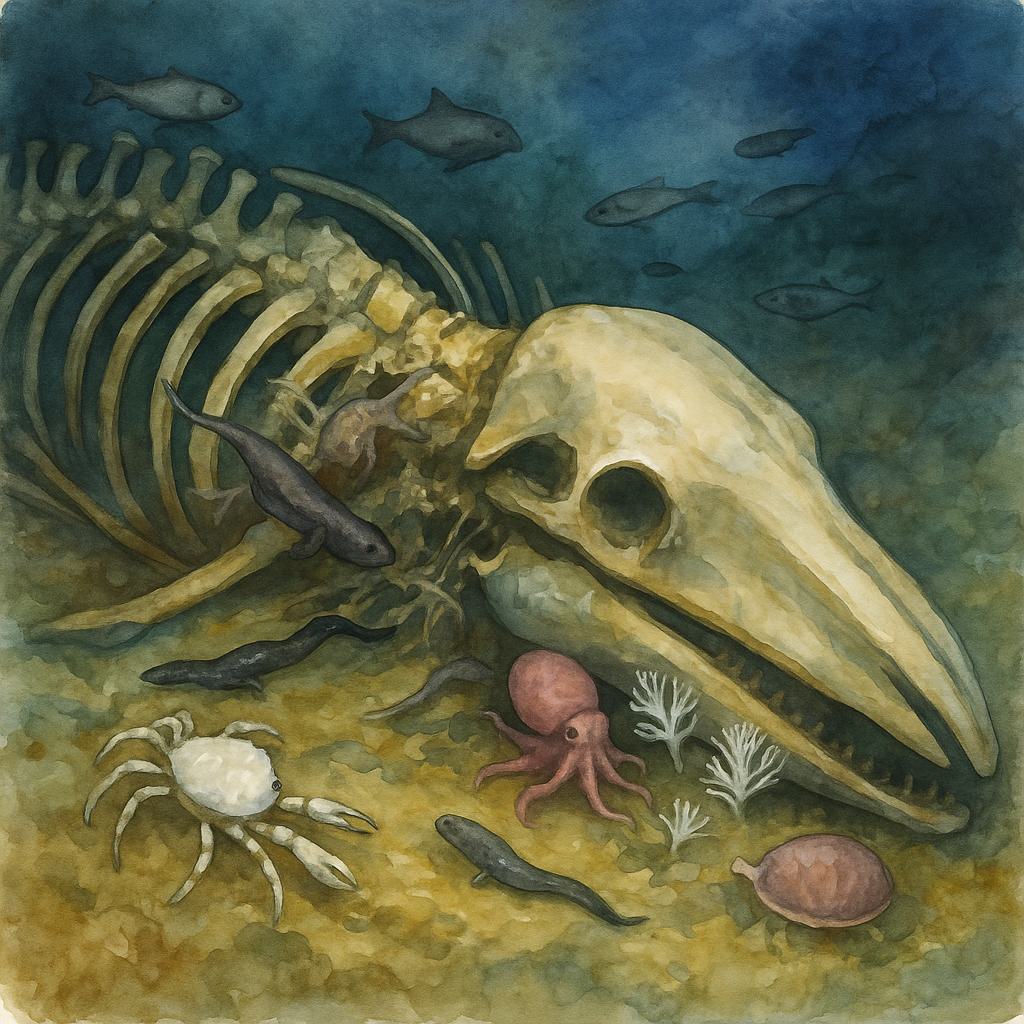
Use cards such as Marine Science, Thermal Vents, and Whale Fall to discuss discovery, tools, and hidden ecosystems.
Ecoregion
Use the Mariana Trench to discuss how depth, pressure, darkness, distance, and remoteness limit direct human observation.
Opportunity
Use Marine Science to connect questions and discoveries with observations, evidence, technology, and collaboration.
Opportunity
Use Thermal Vents to show how exploration revealed deep ecosystems supported by chemical energy rather than sunlight.
Tool
Use WebGIS to compare mapped observations and model-based datasets and discuss what they reveal about places people rarely visit directly.
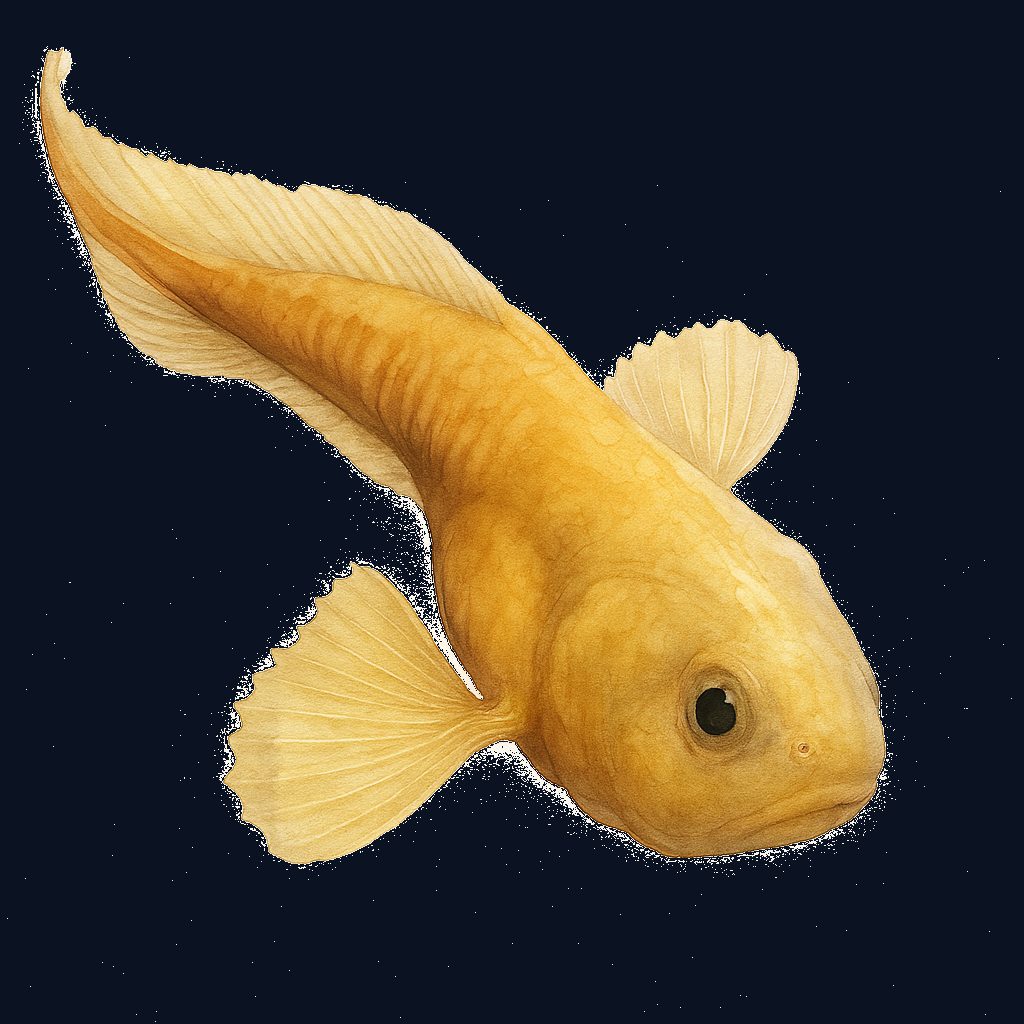
Species
Mariana snailfish helps explain this principle because it lives in one of the deepest and least accessible habitats on Earth, where exploration is still revealing how life survives.
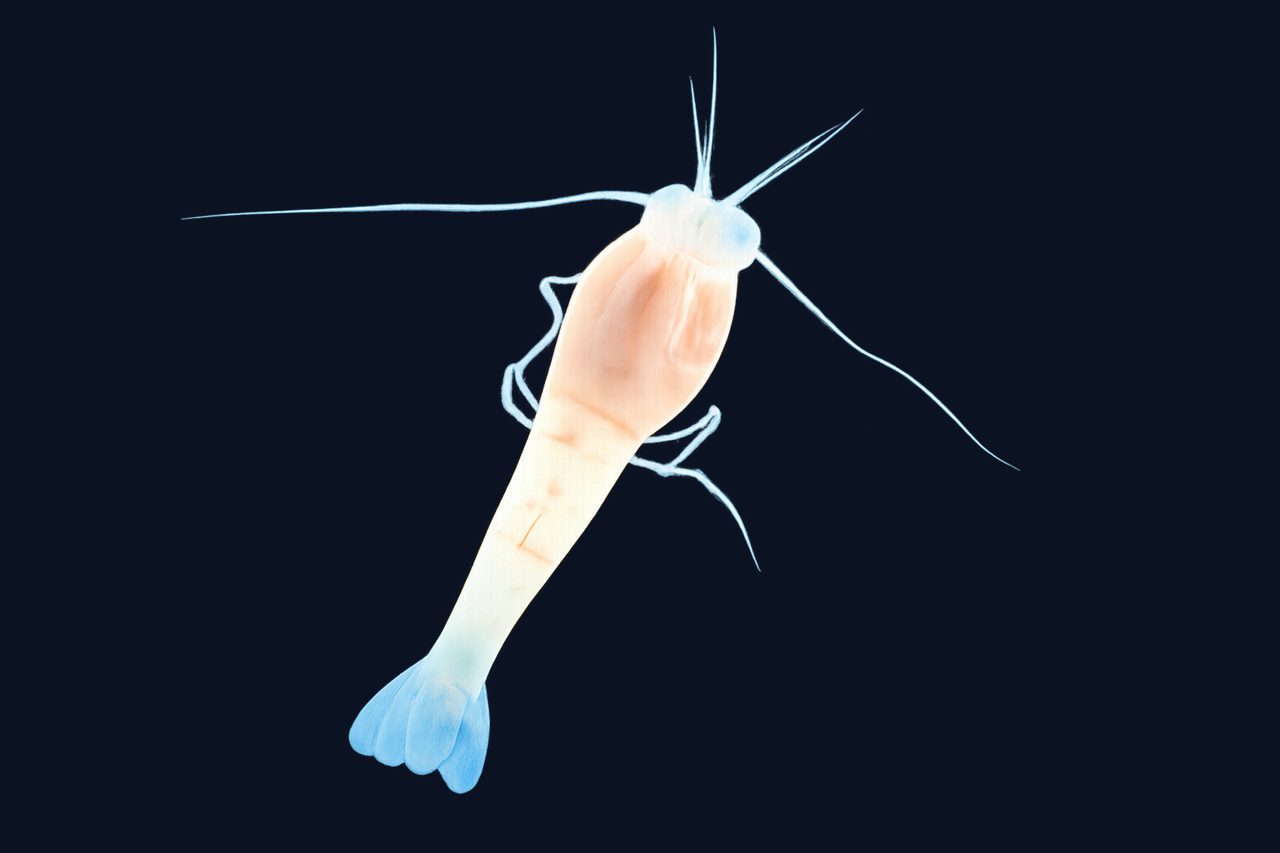
Species
Blind shrimp helps show that exploration often reveals ecosystems that would be unknown without submersibles, sensors, and deep-sea observation.
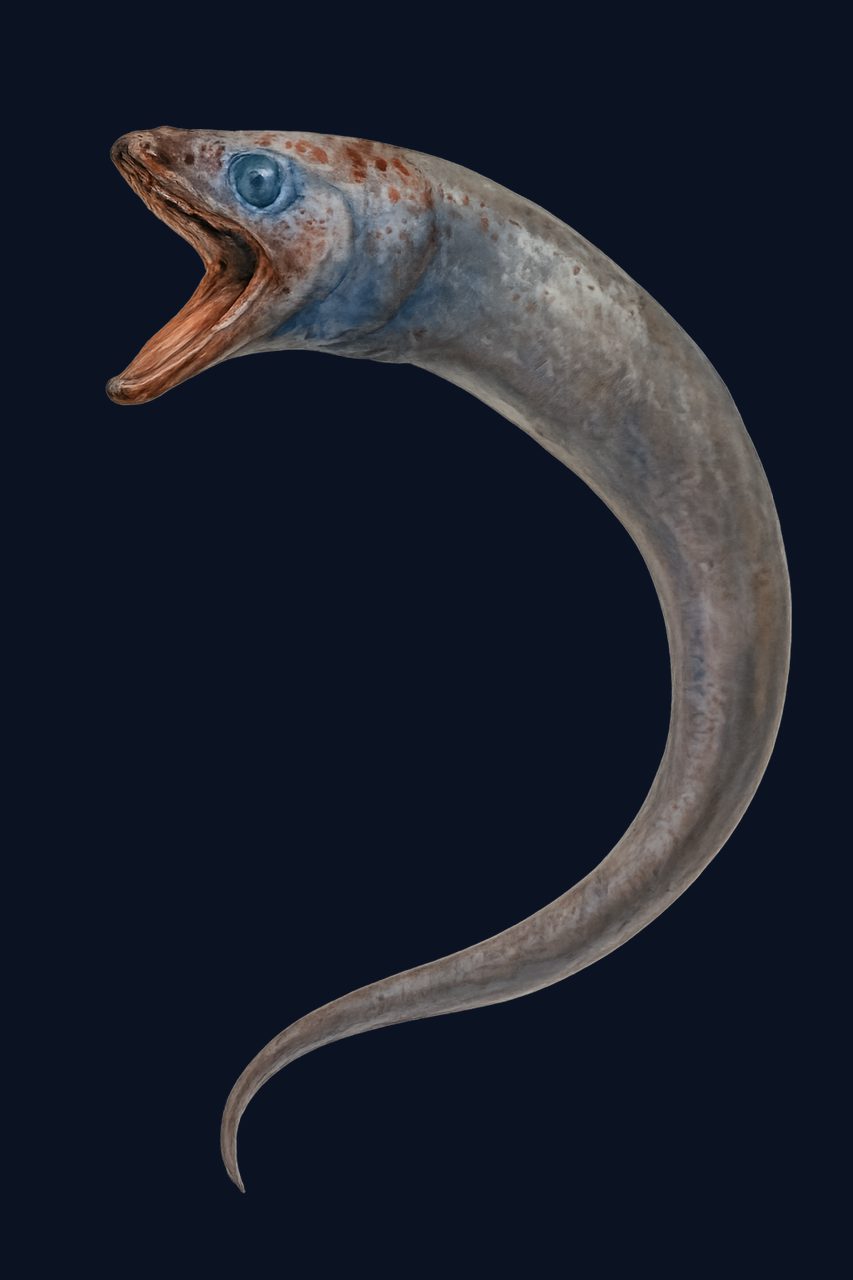
Species
Kaup's arrowtooth eel helps connect deep-ocean habitats to the challenge of observing mobile animals in dark, high-pressure environments.
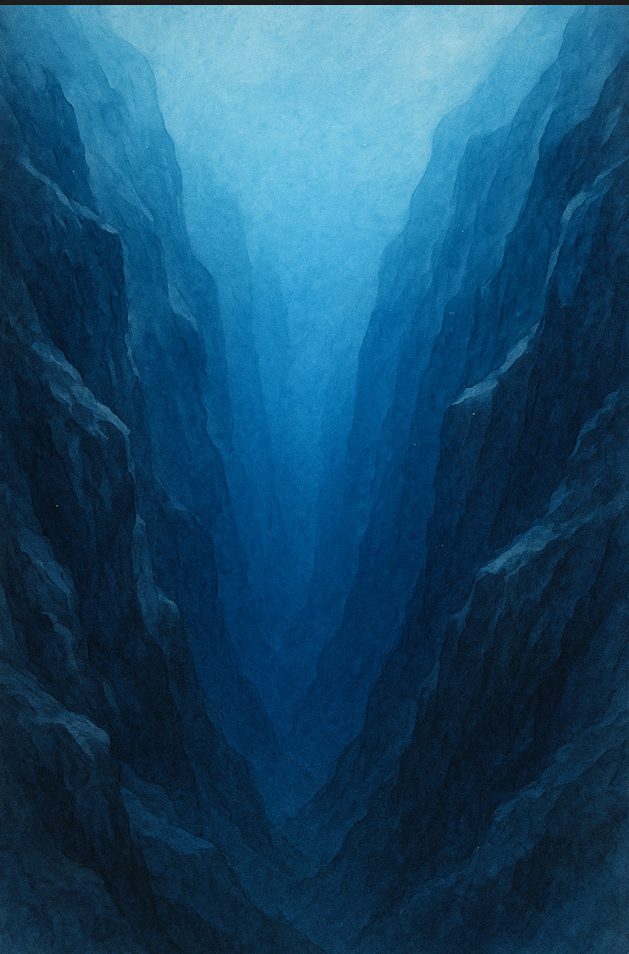
Ecoregion
Distinctive: This trench includes the deepest known parts of the global ocean and remains difficult to access directly.
Connected to the global system: It helps explain why depth, pressure, darkness, and remoteness make the ocean hard to explore.
Ecoregion
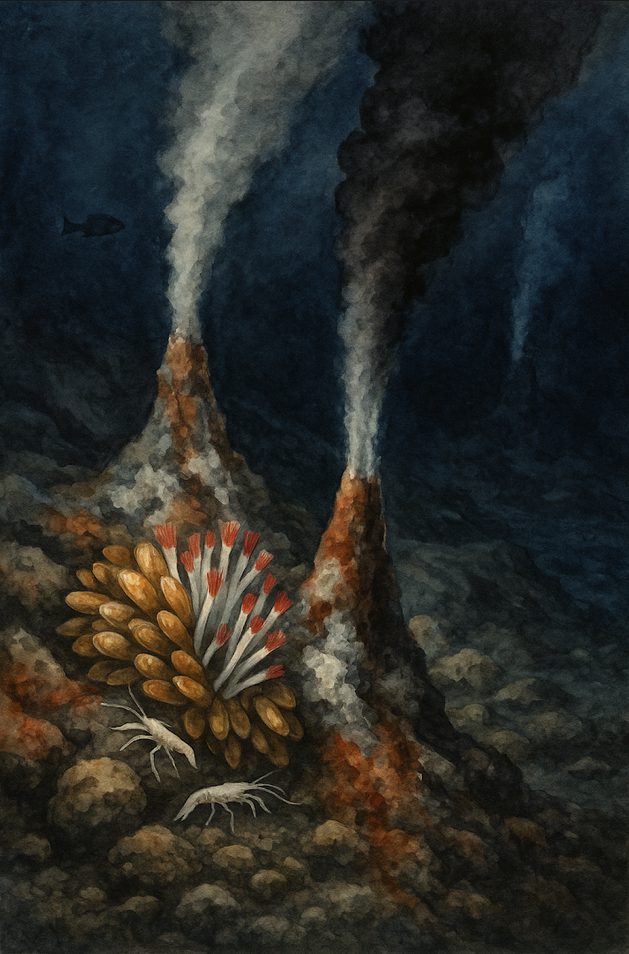
Distinctive: This hydrothermal vent system hosts unusual chemosynthetic life in a deep, extreme environment.
Connected to the global system: It shows that exploration continues to reveal ecosystems and energy pathways that were once completely unknown.
Ecoregion
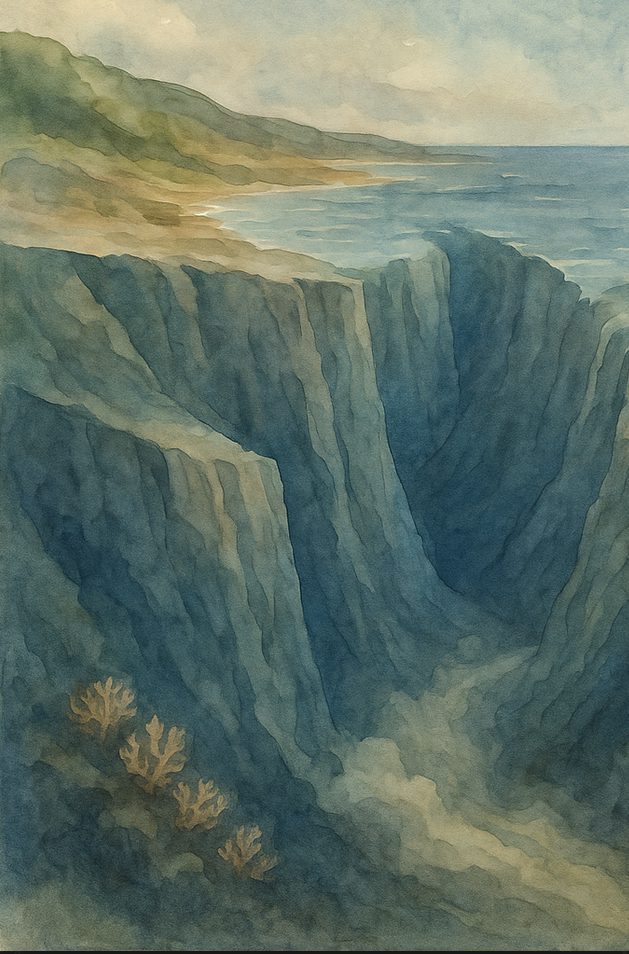
Distinctive: This deep submarine canyon is close to shore but still reveals difficult-to-observe deep-ocean processes and species.
Connected to the global system: It helps explain that even ocean places near people can remain scientifically challenging and discovery-rich.
Opportunity
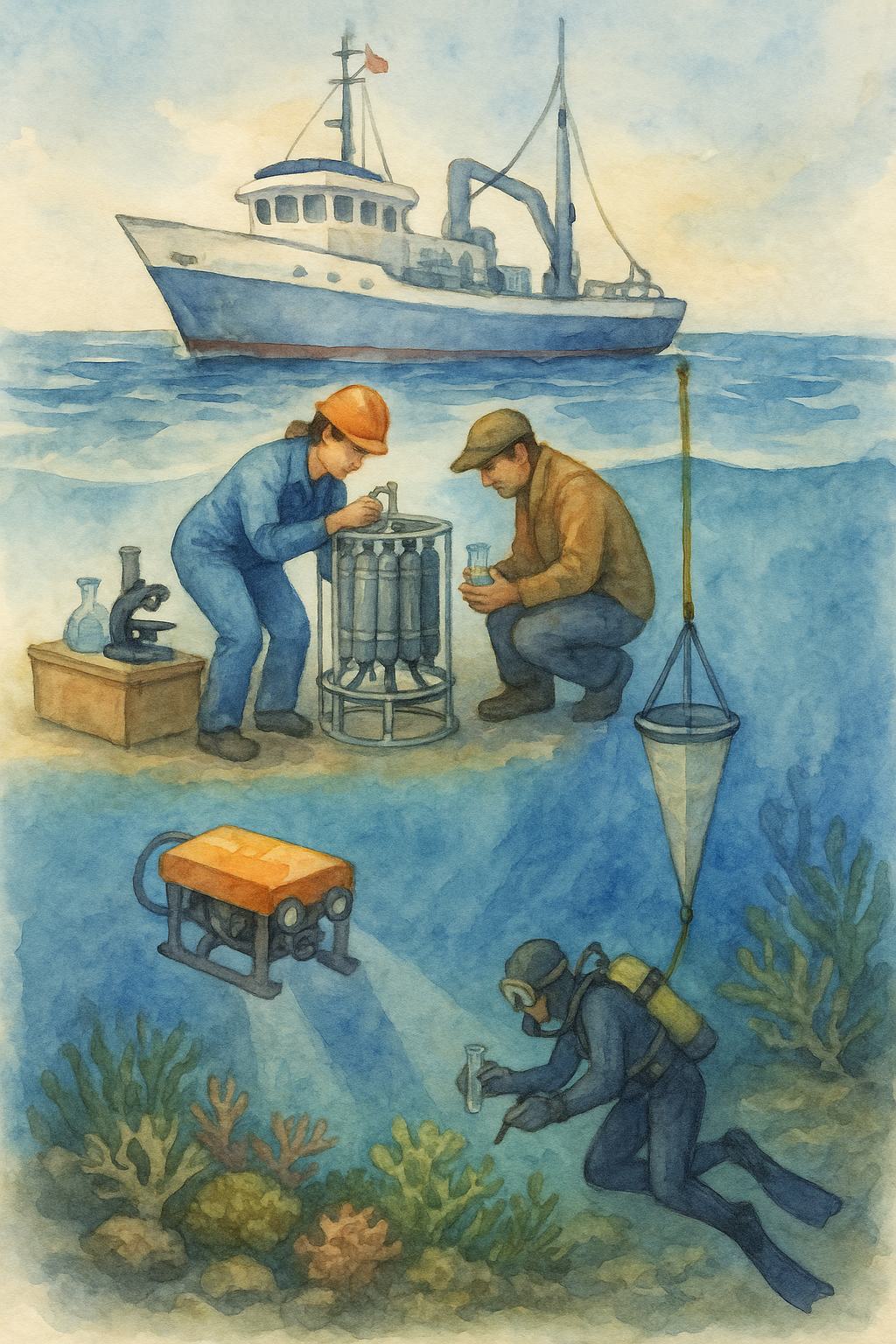
Marine Science illustrates the principle by showing that discovery depends on observation, evidence, and continued investigation.
Opportunity
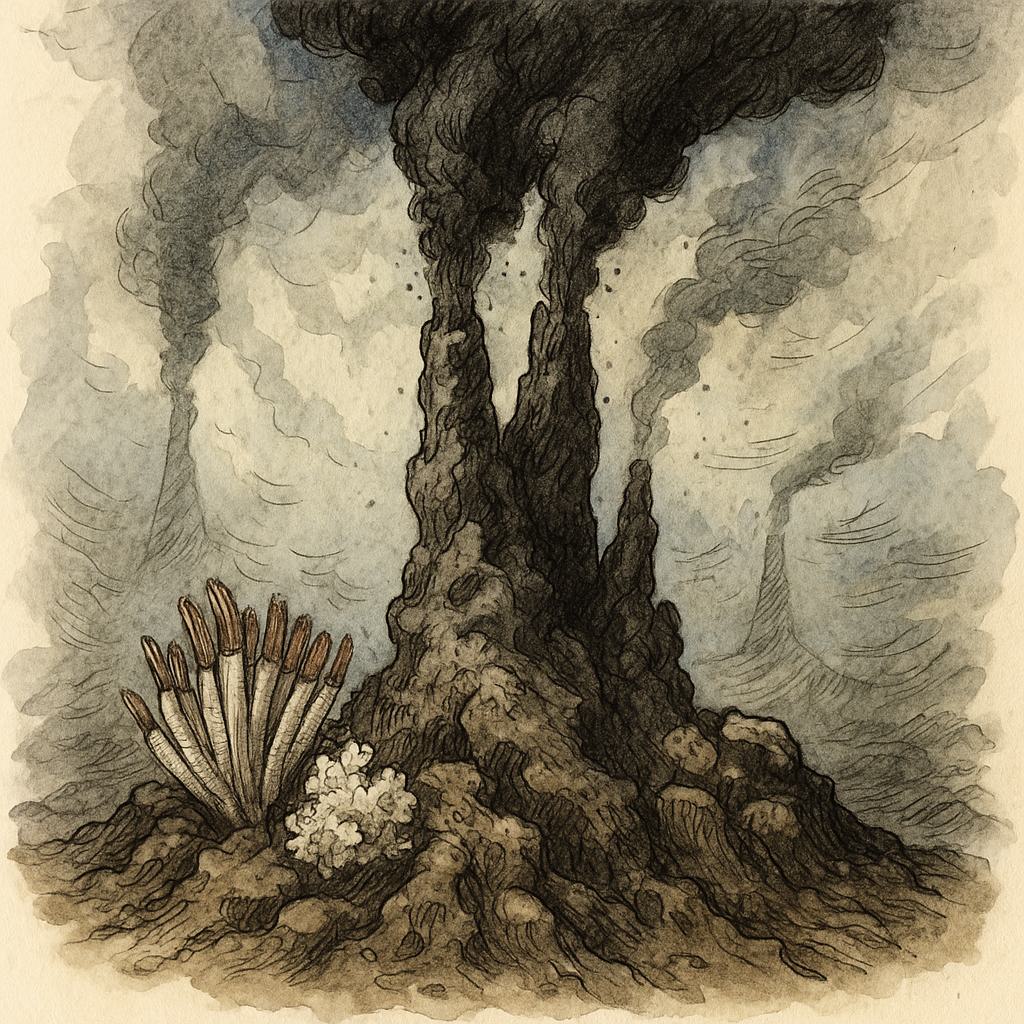
Thermal Vents illustrate the principle because deep exploration revealed ecosystems powered by chemistry rather than sunlight.
Opportunity
Whale Fall illustrates the principle by showing how rare discoveries in the deep sea can reveal unexpected food webs and ecological stages.