String jellyfish
Apolemia uvaria
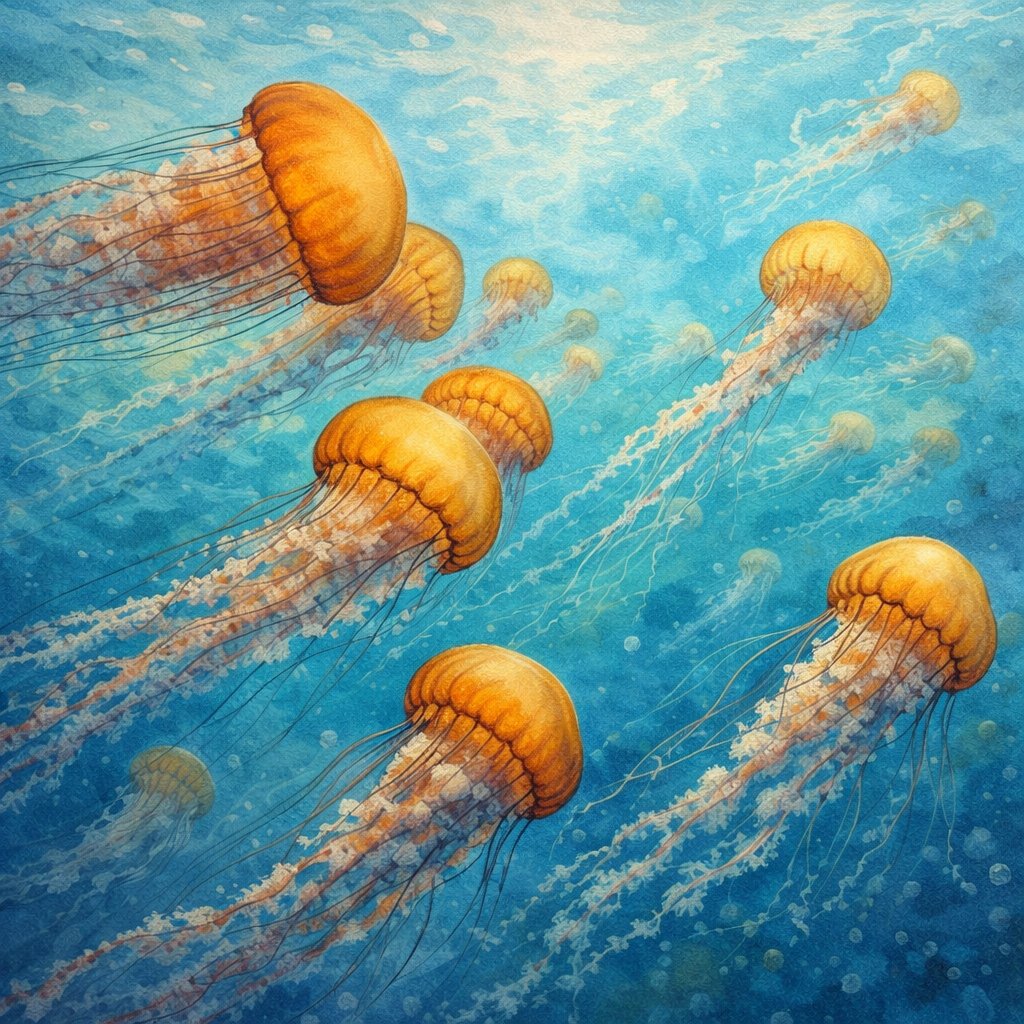
Apolemia uvaria is a colonial siphonophore that drifts through pelagic waters using long stinging tentacles to capture zooplankton prey.
Video
About this species
Species identity
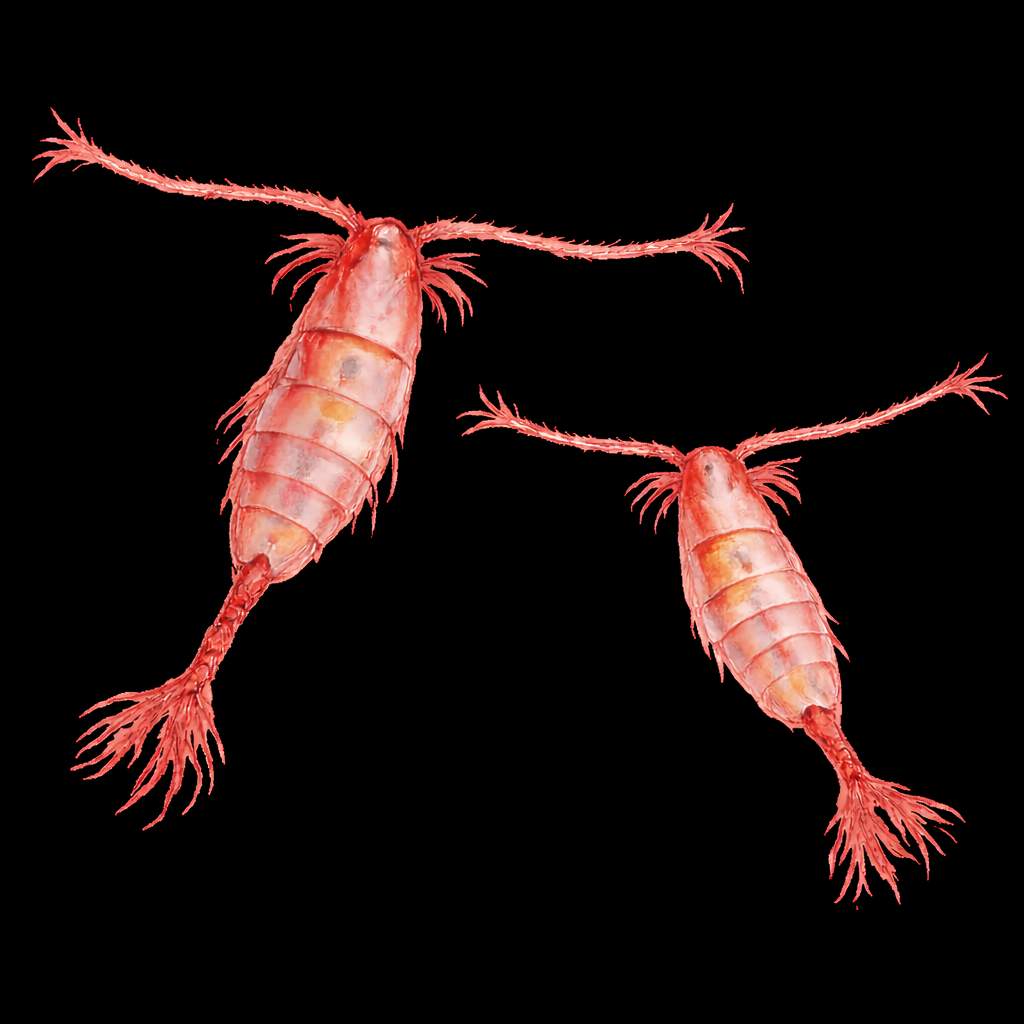
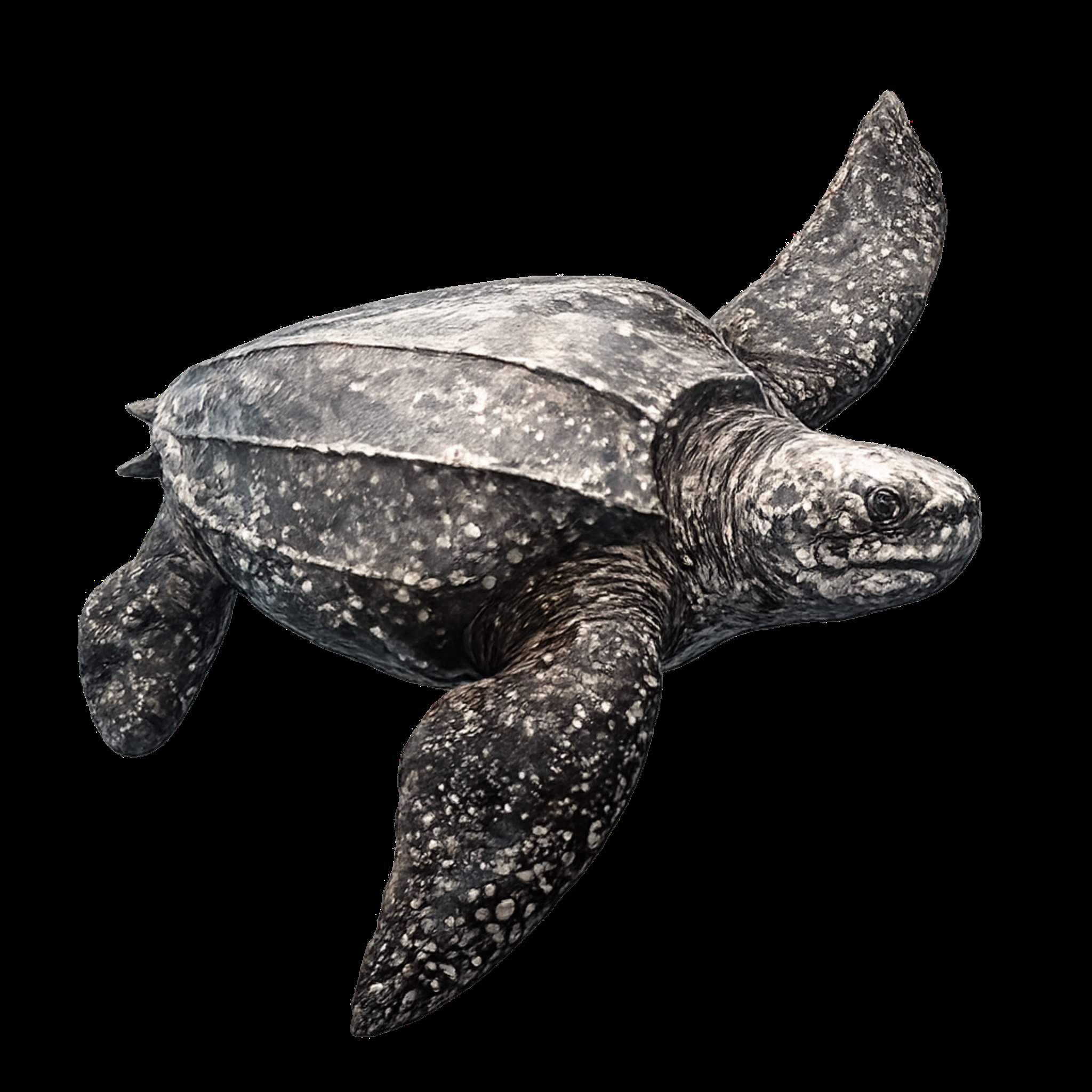
Apolemia uvaria is often called the string jellyfish, although it is actually a siphonophore colony made of many specialized zooids. In Norwegian Current food webs it can feed on energy-rich zooplankton such as copepods and then become prey for larger gelatinous-plankton feeders.
Where it lives
Apolemia uvaria occurs in the northeastern Atlantic and adjacent temperate to subpolar seas, including waters linked to the Norwegian Current. It is a pelagic species of offshore water masses and may appear from near-surface layers into deeper stratified waters where planktonic prey are available.
Role in the ecosystem
String jellyfish helps show that gelatinous predators are not side notes in marine food webs. They can occupy important middle positions between plankton grazers and larger vertebrate consumers.
Scientific reference
Citation
Explore and connect
Open the secondary consumer view and compare this species with related marine life.