Arctic Calanus
Calanus glacialis
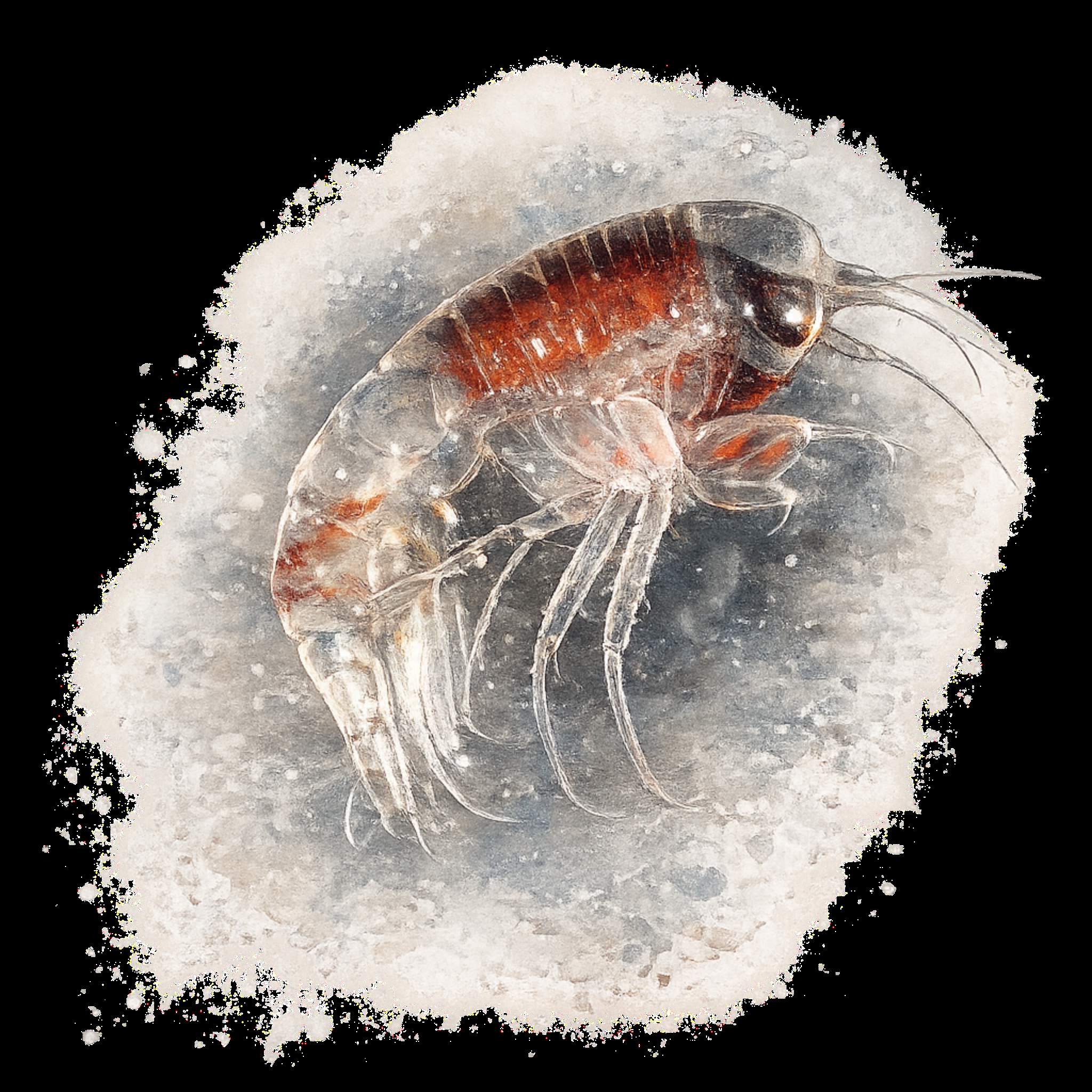
Calanus glacialis is a small crustacean that drifts in cold Arctic seas.
Video
About this species
Species identity
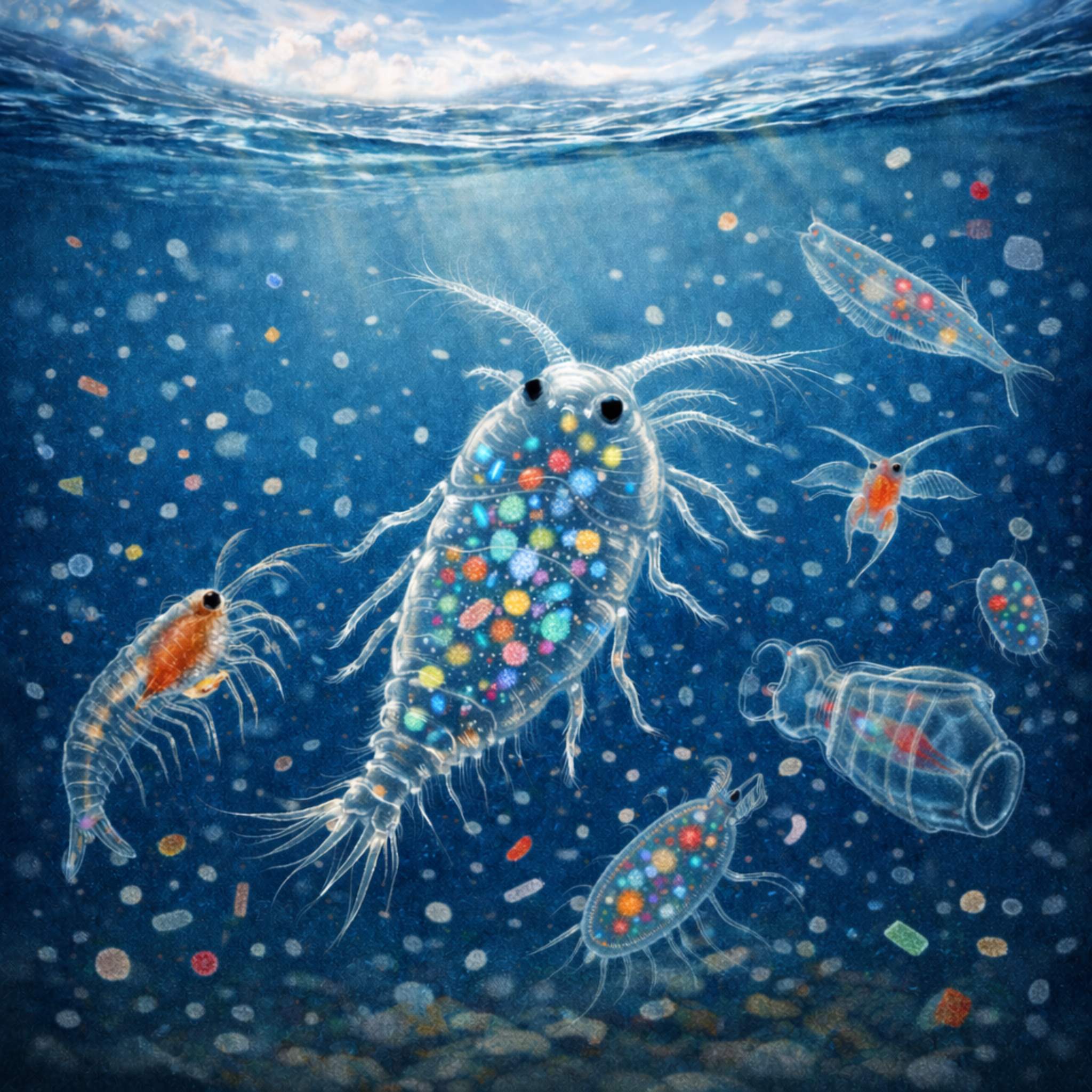
Calanus glacialis is a small copepod, a type of crustacean, that typically grows to about 3–5 mm in length. It lives in cold Arctic waters and spends much of its life drifting in the water column. Its body often contains a large oil sac, which stores energy and helps it survive long periods with little food.
Where it lives
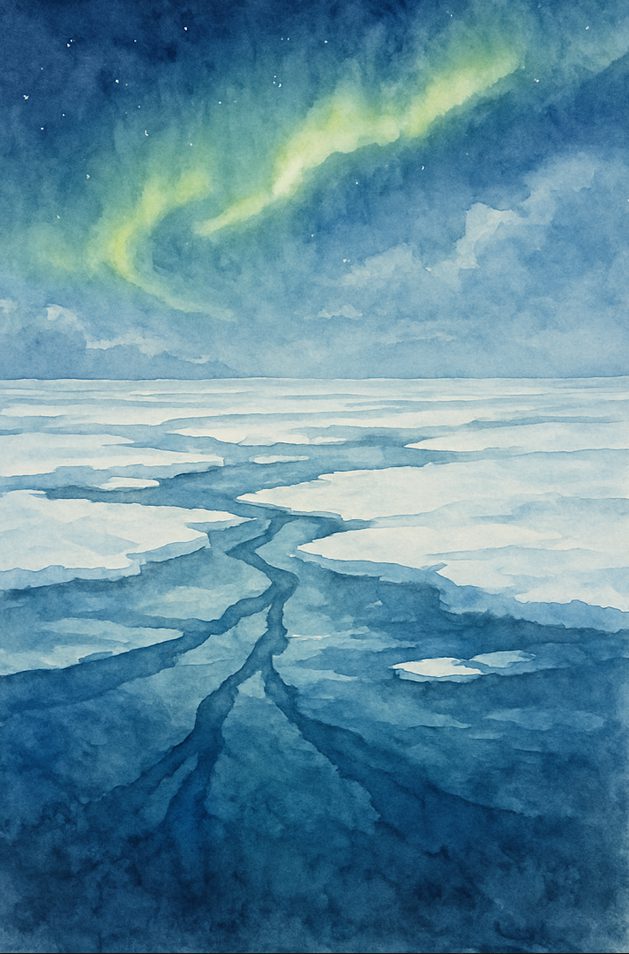
Calanus glacialis is found in Arctic and subarctic regions of the world’s oceans. It is especially common in coastal areas, fjords, and shelf seas of the Arctic Ocean.
It lives in both surface waters and deeper layers, moving vertically through the water column depending on season.
This species is closely linked to cold environments and is an important part of Arctic marine ecosystems.
Role in the ecosystem
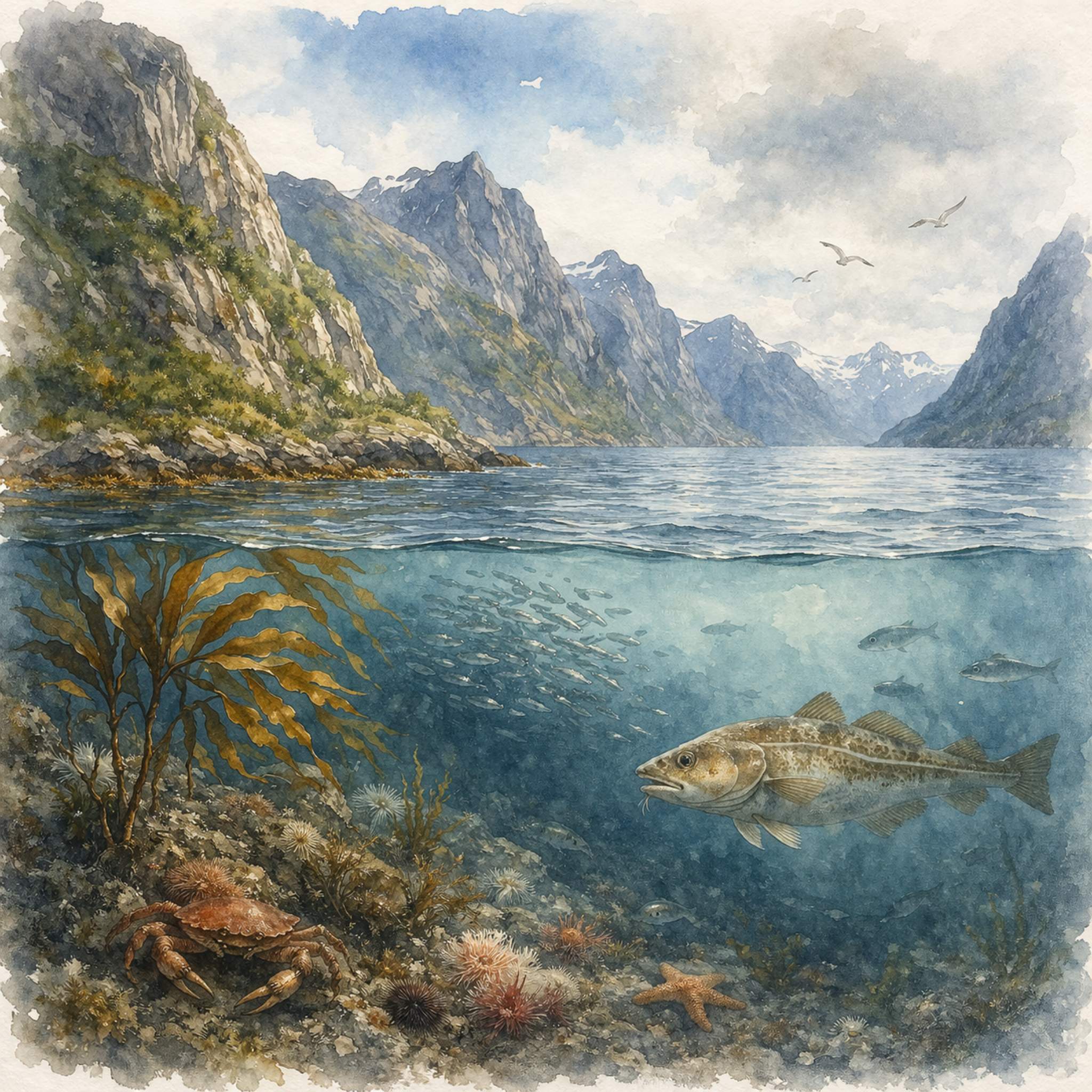
Calanus glacialis feeds on phytoplankton and small particles, turning this food into energy that can be passed to other animals. It is an important part of Arctic food webs and is eaten by fish, seabirds, and marine mammals. By storing energy and transferring it through the ecosystem, it helps support seasonal productivity in cold oceans.
Scientific reference
Citation
Ocean Literacy Connections
This resource can be explored through Ocean biodiversity.
- How do different ocean conditions create different ecosystems and ways of life?
Explore and connect
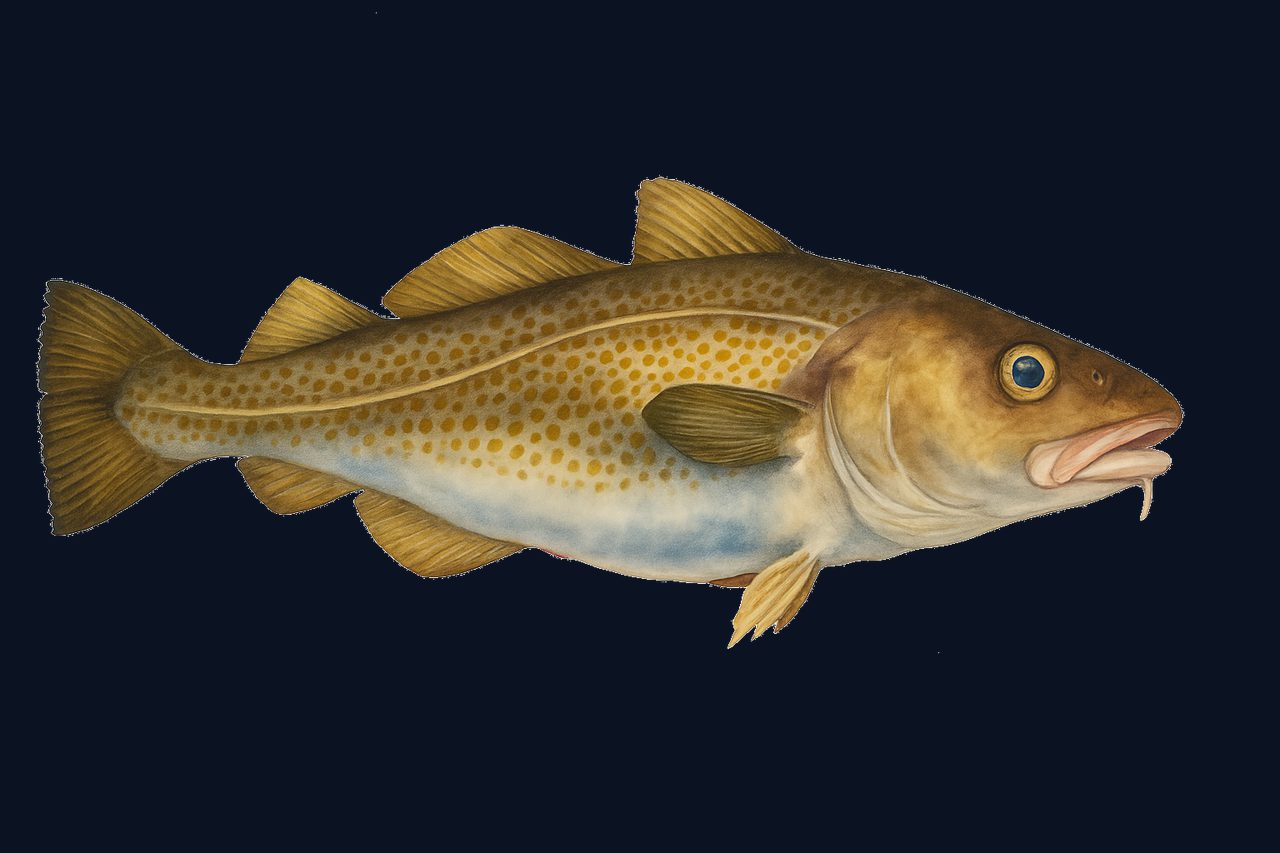
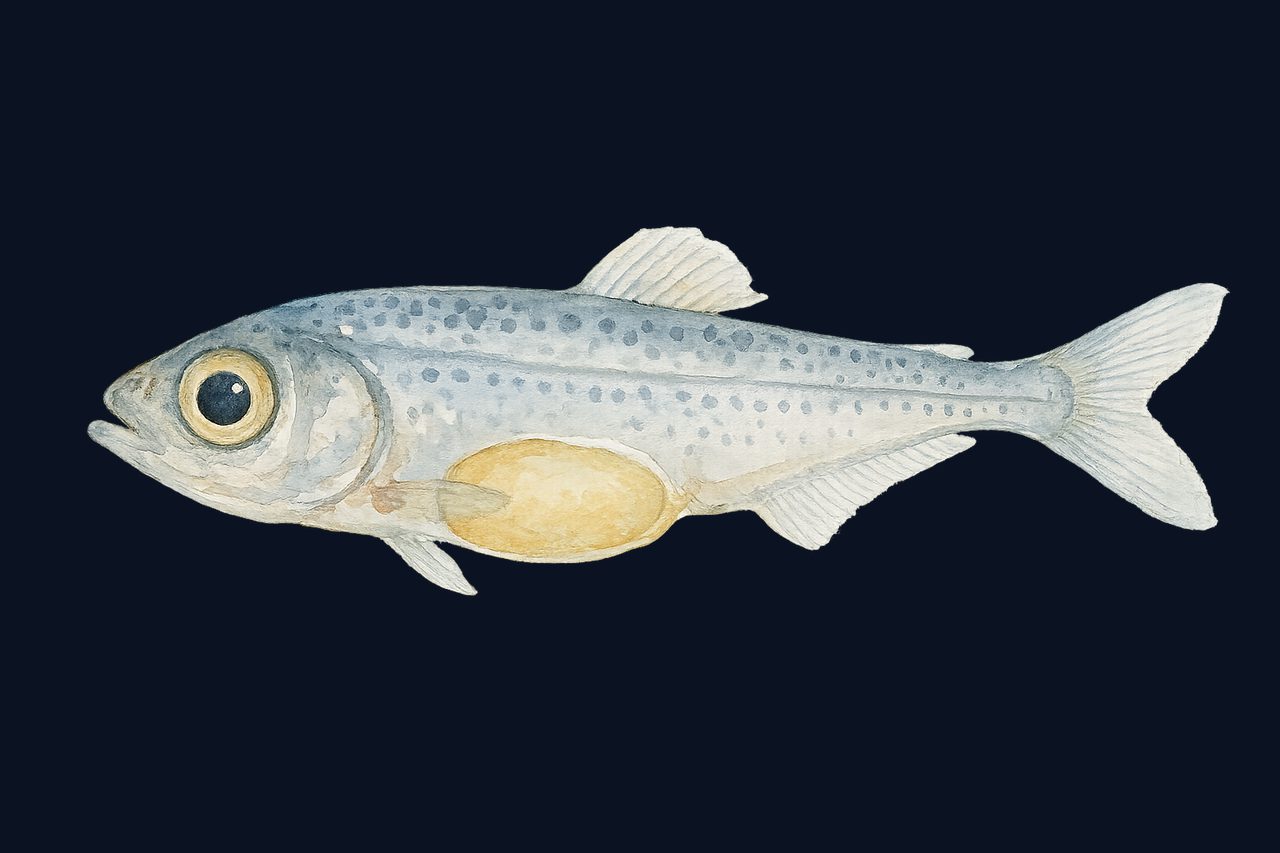
Open the primary consumer view and compare this species with related marine life.

FAQ
Why does Calanus glacialis have an oil sac?
The oil sac stores energy, allowing the copepod to survive long periods of low food availability, especially during the dark Arctic winter.
Does Calanus glacialis stay near the surface all year?
No, it moves up and down in the water column, often staying deeper during winter and returning to surface waters in spring to feed.