Carcharhinus amblyrhynchos
Carcharhinus amblyrhynchos
Carcharhinus amblyrhynchos, commonly known as the grey reef shark, is a medium-sized shark, commonly around 1.3–1.8 m long, although larger individuals have been recorded. It has a streamlined grey body, a pale underside, and a distinctive broad black margin on the tail fin, and it is often seen swimming actively around coral reefs.
Video
About this species
Species identity
Carcharhinus amblyrhynchos, commonly known as the grey reef shark, is a medium-sized shark, commonly around 1.3–1.8 m long, although larger individuals have been recorded. It has a streamlined grey body, a pale underside, and a distinctive broad black margin on the tail fin, and it is often seen swimming actively around coral reefs.
Role in the ecosystem
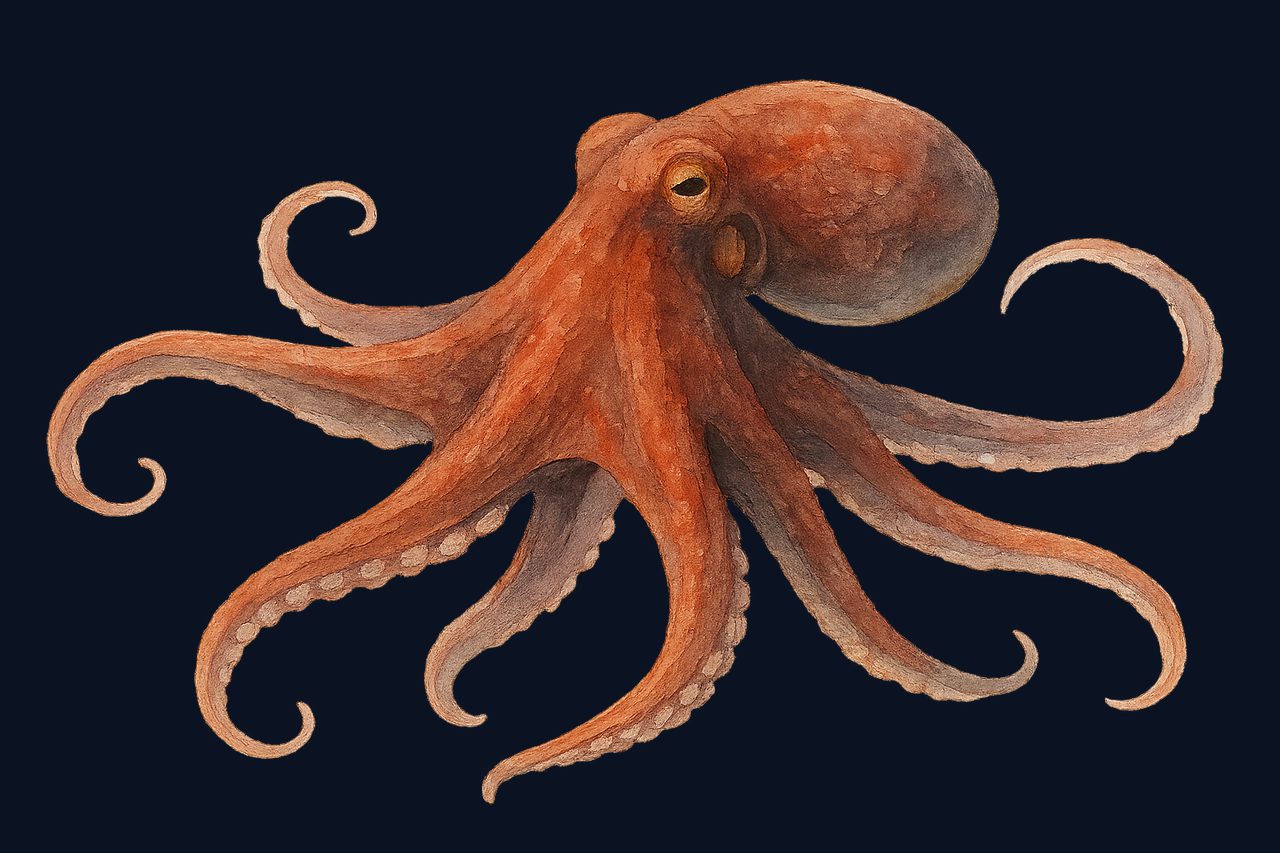
It is a reef predator that feeds mainly on fishes, but also consumes squid, octopuses and crustaceans. As an upper-level predator, it participates in the transfer of energy through reef food webs and can influence interactions among prey species. Its presence is therefore part of the complex predator–prey dynamics that structure tropical reef ecosystems.
Scientific reference
Citation
Ocean Literacy Connections
This resource can be explored through Ocean biodiversity.
- How do different ocean conditions create different ecosystems and ways of life?
Explore and connect
Open the tertiary consumer view and compare this species with related marine life.



FAQ
Do grey reef sharks always stay on the same reef?
They can be surprisingly loyal to particular reef areas. Tracking studies show that many grey reef sharks repeatedly use the same reefs and passes, although some individuals also make longer movements between reefs.
Are grey reef sharks more active during the day or at night?
They can be active during the day, but observations show that they generally become more active at night, when they forage around the reef.