Step 1: Compare very different ecosystems
Compare two contrasting marine ecosystems, such as a shallow coral reef and a deep hydrothermal vent.
The ocean provides most of Earth’s living space and contains ecosystems from sunlit surface waters to the deep seafloor. Differences in light, temperature, pressure, chemistry, nutrients, and circulation help determine which organisms can live in each place.
Environmental conditions vary across the ocean and with depth, creating a vast range of habitats from sunlit surface waters to the deep seafloor.
Ocean ecosystems differ because light, temperature, pressure, salinity, oxygen, nutrients, chemistry, substrate, and water movement vary from place to place and with depth.
Light generally decreases and pressure increases with depth, while temperature, oxygen, and other conditions also change. Organisms are adapted to particular ranges of these conditions, so life is not distributed evenly throughout the ocean.
When human activity or climate change alters environmental conditions, ecosystem communities can also change.
Most marine food webs begin with organisms that capture sunlight, but some deep-sea ecosystems are supported by chemical energy instead.
Most ocean primary production occurs where organisms have access to enough light and nutrients. Productive environments include sunlit surface waters, coastal upwelling regions, estuaries, coral reefs, kelp forests, and seasonally productive polar waters.
Microscopic photosynthetic organisms are especially important primary producers. They capture solar energy and support major marine food webs.
Hydrothermal vents, cold seeps, and some other deep-sea ecosystems are supported by chemosynthetic microorganisms. These organisms use energy from chemical reactions rather than sunlight.
Chemosynthetic microorganisms become primary producers that support food webs in places where photosynthesis is impossible.
Marine diversity includes an extraordinary range of body forms, adaptations, life histories, relationships, and connected food webs.
Ocean life ranges from microscopic organisms to the largest animals that have ever lived. The ocean contains representatives of all major domains of life and a greater diversity of major animal groups than is found on land.
Many major groups of organisms occur exclusively in the ocean.
Marine organisms have adaptations to darkness, pressure, temperature, salinity, currents, scarce food, and other environmental conditions.
Ocean life also includes symbiosis, bioluminescence, unusual feeding strategies, complex life cycles, long migrations, predator–prey relationships, and many different ways of reproducing and dispersing.
Marine organisms are connected through food webs. Primary producers capture energy, grazers consume them, predators consume other organisms, and decomposers recycle materials.
A change in primary producers, predators, prey, environmental conditions, or habitat can therefore affect many other parts of the ecosystem.
Compare two contrasting marine ecosystems, such as a shallow coral reef and a deep hydrothermal vent.
Ask how light, temperature, pressure, nutrients, oxygen, water movement, or substrate differ between the two places.
Ask why particular organisms, adaptations, energy sources, and food webs occur in each environment.
Ocean biodiversity is shaped by both environmental conditions and ecological connections. Light, nutrients, depth, pressure, chemistry, and energy sources create different habitats, while adaptations and food webs connect the organisms living within them.
Students should come away understanding that different ocean conditions create different ecosystems, productivity is supported by sunlight or chemical energy, and marine organisms are connected through adaptations, relationships, and food webs.
Classroom prompt: Why can two places in the same ocean support completely different communities of life?
Compare species distributions and ecoregions to investigate how light, depth, temperature, nutrients, and other conditions shape marine communities.
Trace food webs, symbiosis, predator–prey links, adaptations, and ecosystem connections across the ocean system.
Use cards such as Mutualism, Apex Predator, and Thermal Vents to discuss relationships, trophic roles, and unusual ecosystems.
Ecoregion
Use the Great Barrier Reef to connect high biodiversity with light, warm water, habitat structure, and ecological relationships.
Species
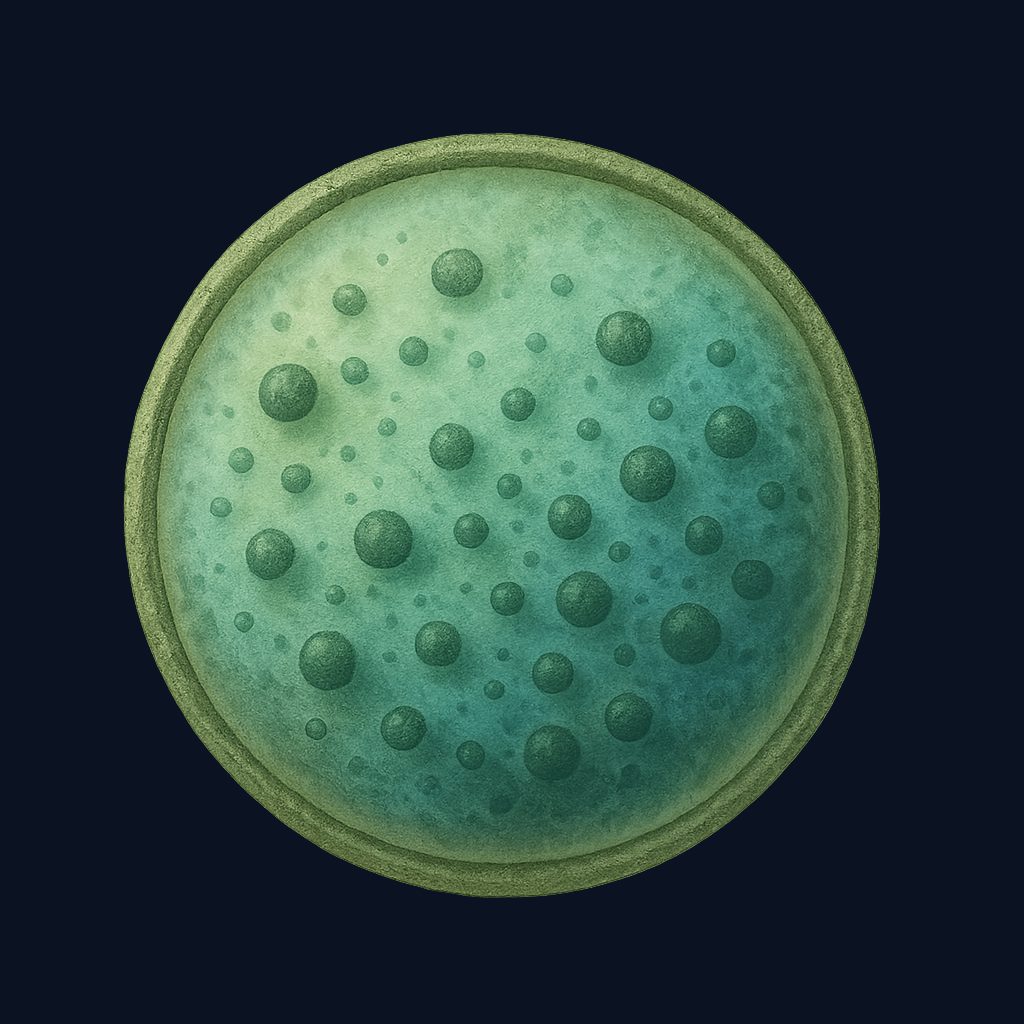
Use Prochlorococcus to show how microscopic primary producers capture sunlight and support major marine food webs.
Opportunity
Use Thermal Vents to investigate how chemosynthetic microorganisms support food webs without sunlight.
Tool
Use the Knowledge Graph to connect food webs, adaptations, symbiosis, predator–prey relationships, and ecosystem conditions.
Species
Prochlorococcus shows how microscopic primary producers capture sunlight and support major marine food webs.
Species
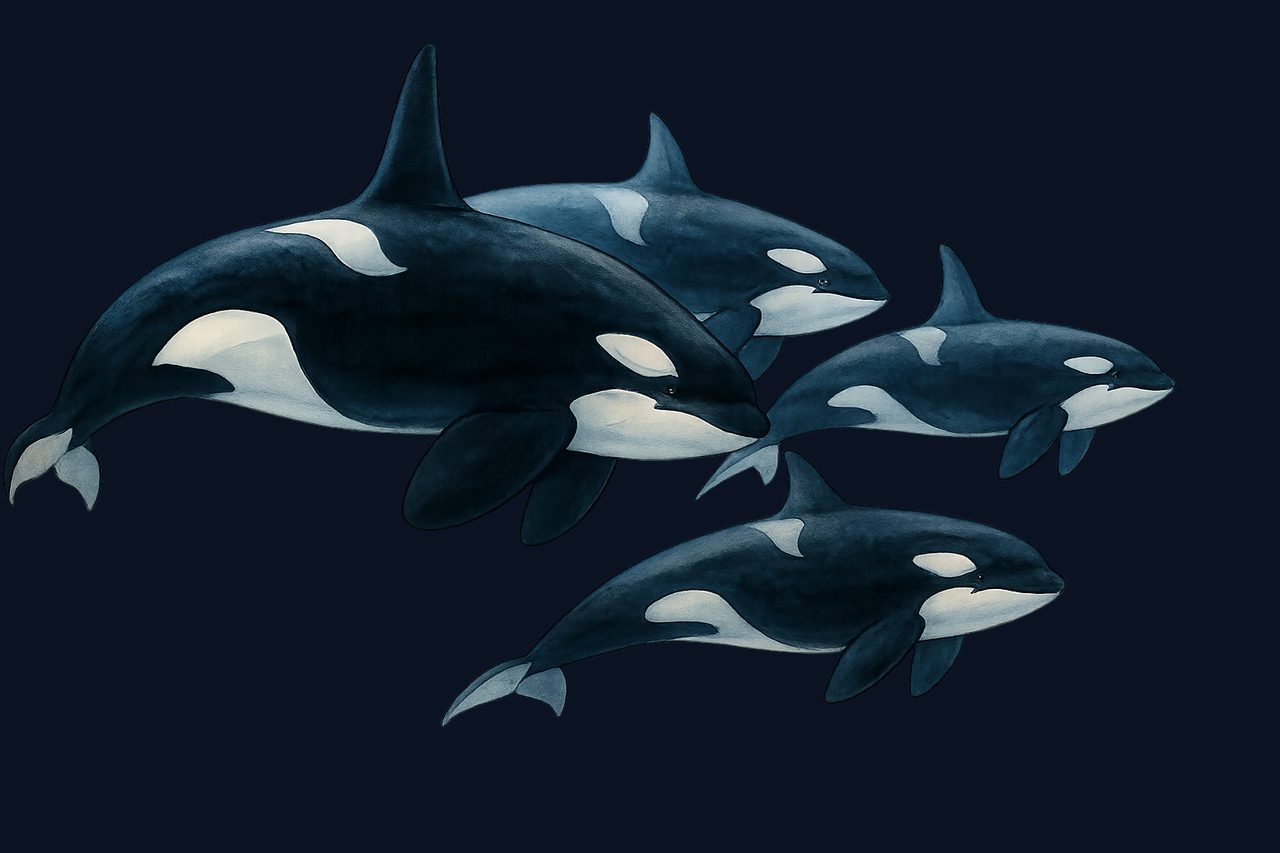
Killer whales help illustrate the upper end of ocean body-size and trophic diversity, as well as predator-prey dynamics in marine food webs.
Species
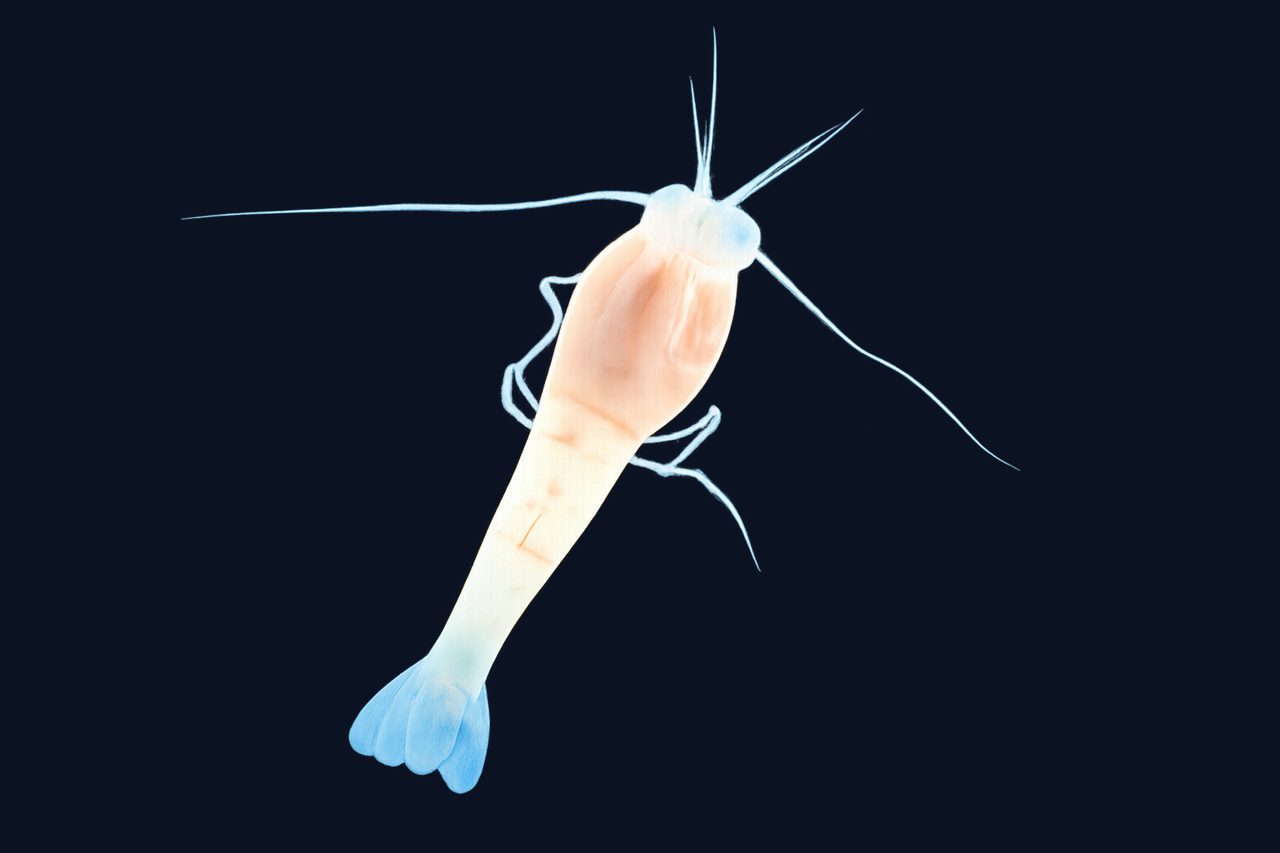
Blind shrimp help explain the principle because they live in deep-sea vent ecosystems supported by chemical energy rather than sunlight.
Species
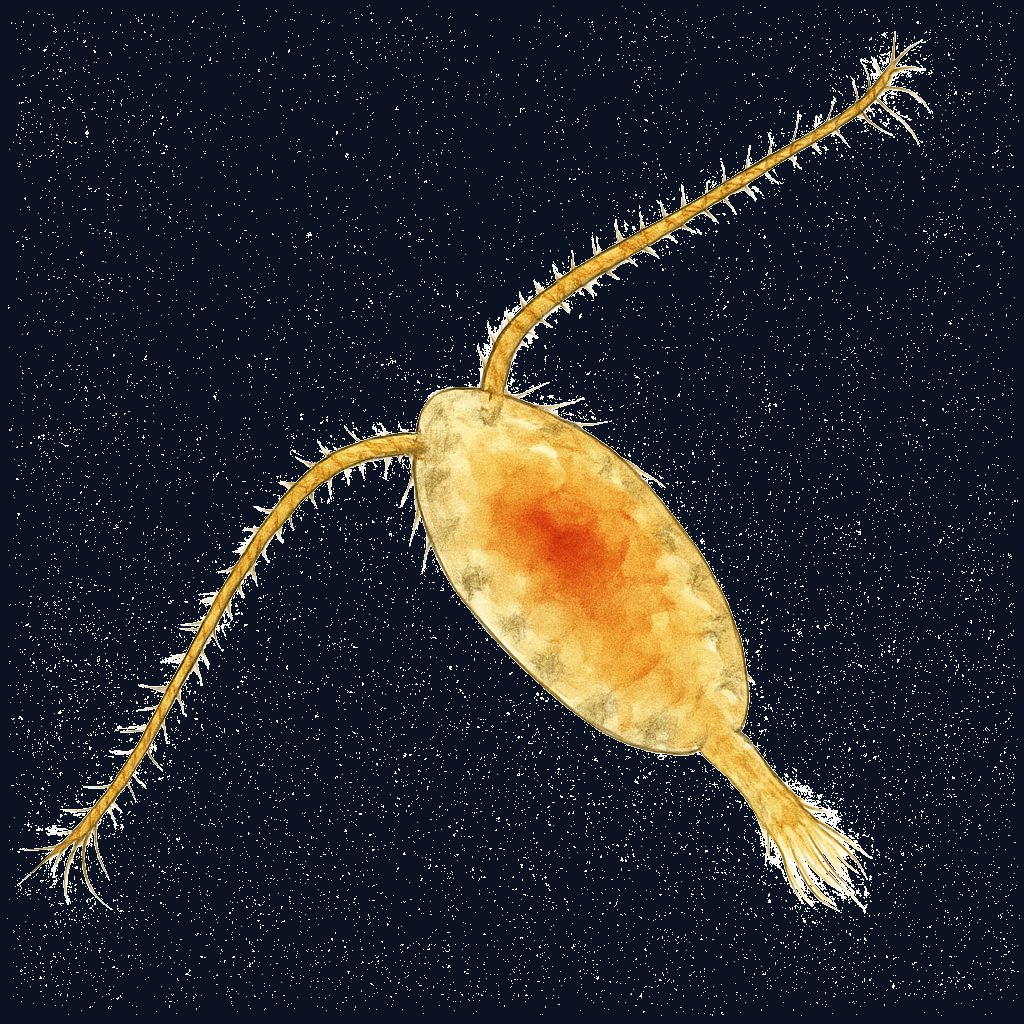
Copepods help show how small zooplankton connect microbial production to larger animals through energy transfer in the food web.
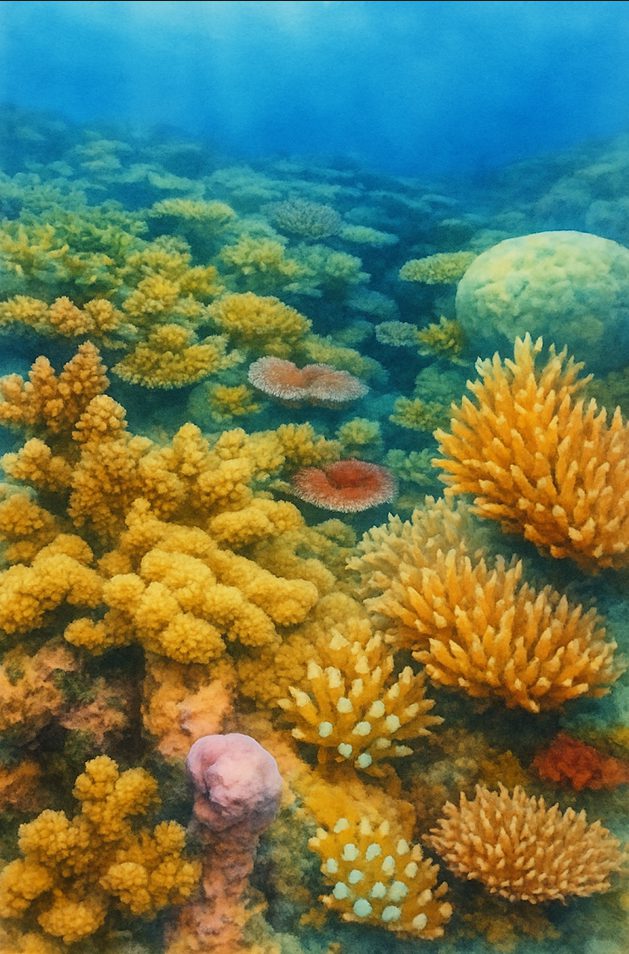
Ecoregion
Distinctive: This reef contains complex habitats and a high diversity of interacting organisms.
Connected to the global system: It helps explain how environmental conditions and biological relationships can support extremely rich marine ecosystems.
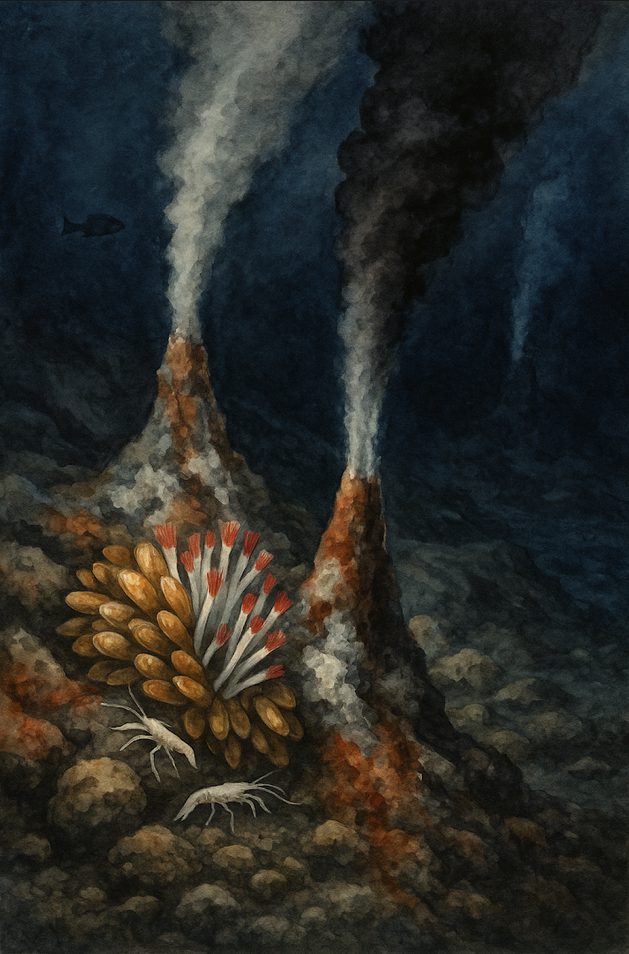
Ecoregion
Distinctive: This deep-sea ecosystem is supported by chemical energy from hydrothermal activity.
Connected to the global system: It shows that some marine ecosystems can function without sunlight, relying instead on chemosynthetic life.
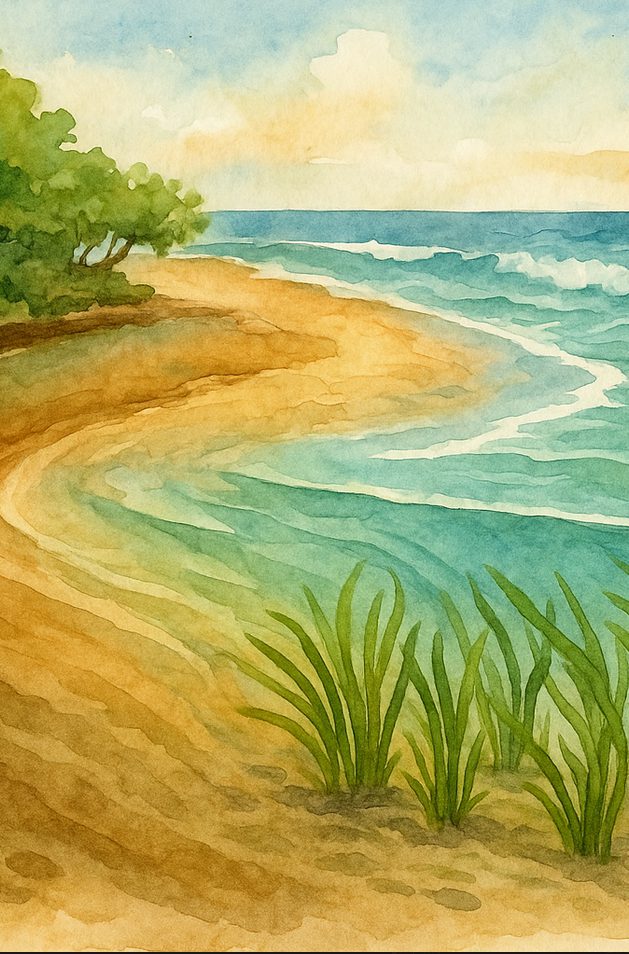
Ecoregion
Distinctive: This river-influenced marine region is shaped by freshwater, nutrients, and strong environmental gradients.
Connected to the global system: It helps explain how productivity, nursery habitat, and biodiversity depend on changing environmental conditions.
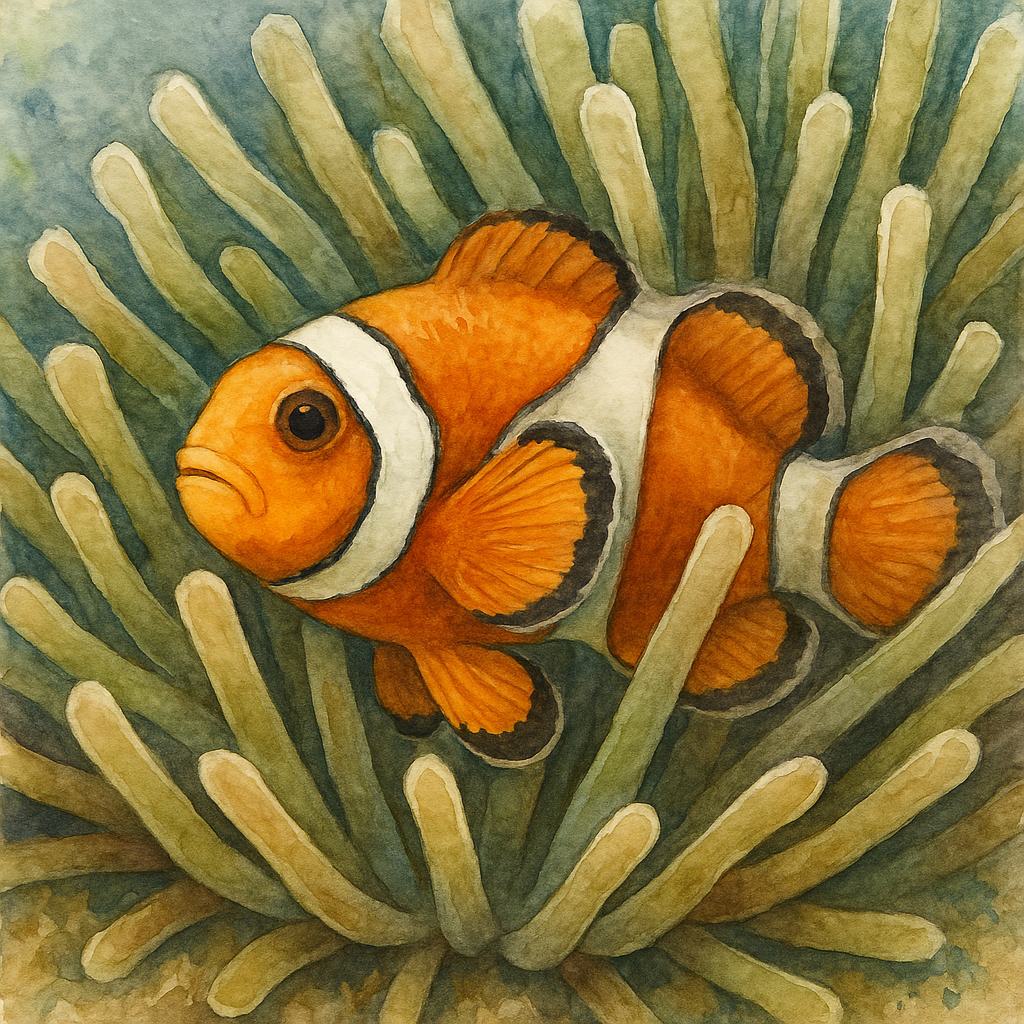
Special
Mutualism illustrates the principle by showing that cooperation between species can shape marine ecosystem function.
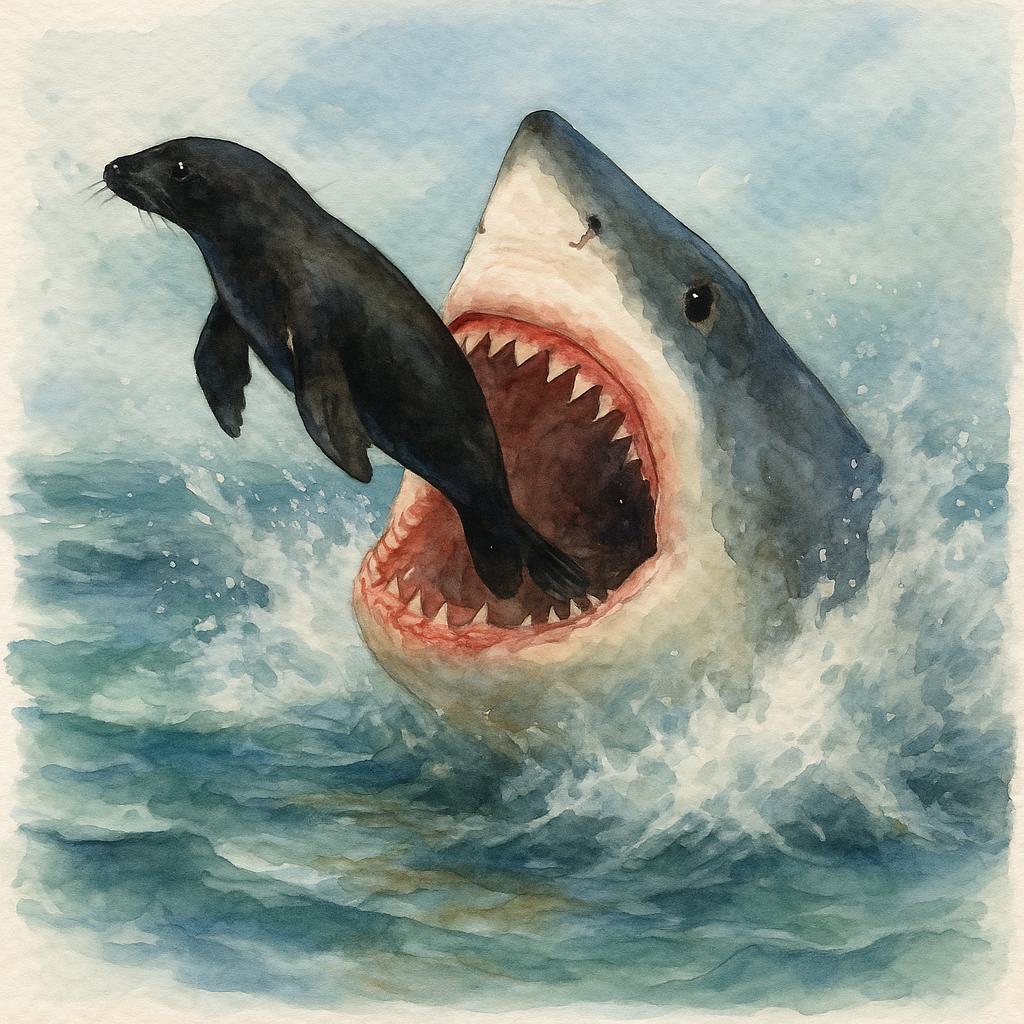
Special
Apex Predator illustrates the principle by highlighting predator-prey dynamics and the ecological roles of top consumers.
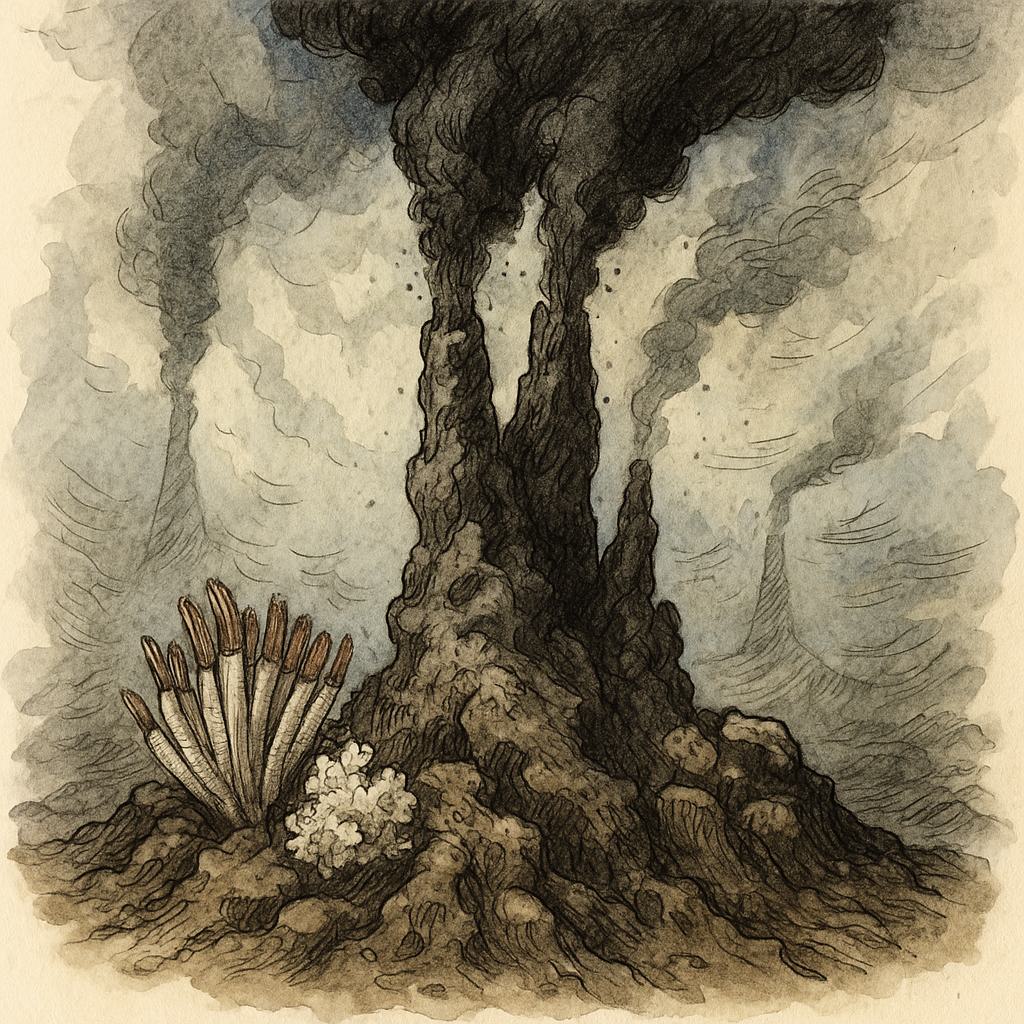
Opportunity
Thermal Vents illustrate the principle by showing that deep ocean ecosystems can be powered by chemical energy instead of sunlight.