Thinspine sea catfish
Plicofollis layardi
The Thinspine sea catfish is a medium-sized marine catfish that can grow to about 50–60 cm in length. It has a smooth, scaleless body, long whisker-like barbels around its mouth that help it find food, and strong spines on its dorsal and pectoral fins for protection. This bottom-dwelling fish searches the seafloor for prey, especially in shallow coastal waters and estuaries.
Video
About this species
Species identity
The Thinspine sea catfish is a medium-sized marine catfish that can grow to about 50–60 cm in length. It has a smooth, scaleless body, long whisker-like barbels around its mouth that help it find food, and strong spines on its dorsal and pectoral fins for protection. This bottom-dwelling fish searches the seafloor for prey, especially in shallow coastal waters and estuaries.
Where it lives
It is found in the tropical western Indian Ocean, from the coast of Mozambique and the Persian Gulf east to Sri Lanka. It lives in shallow coastal waters over sandy and muddy seafloors and often enters brackish estuaries and river mouths. Most individuals are found at depths of about 20–50 meters.
Role in the ecosystem
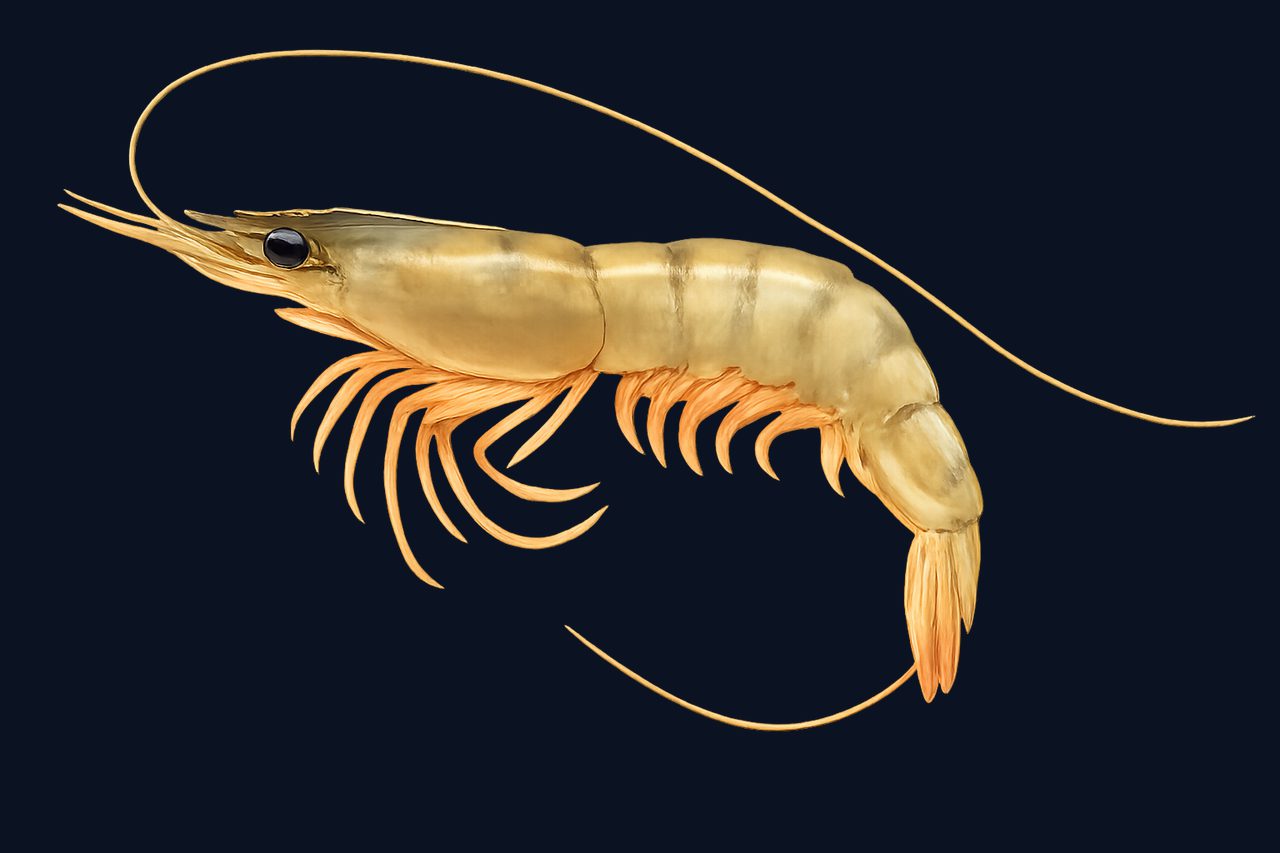
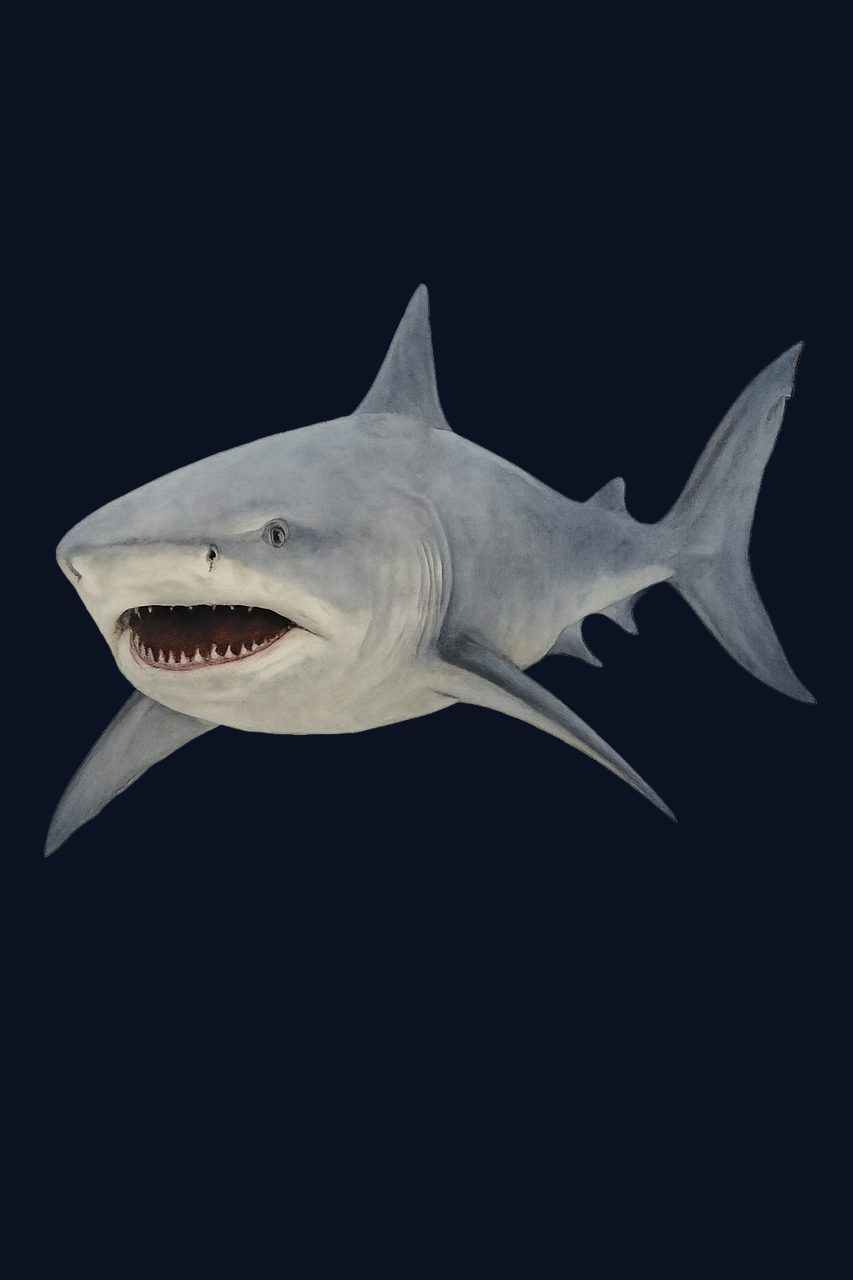
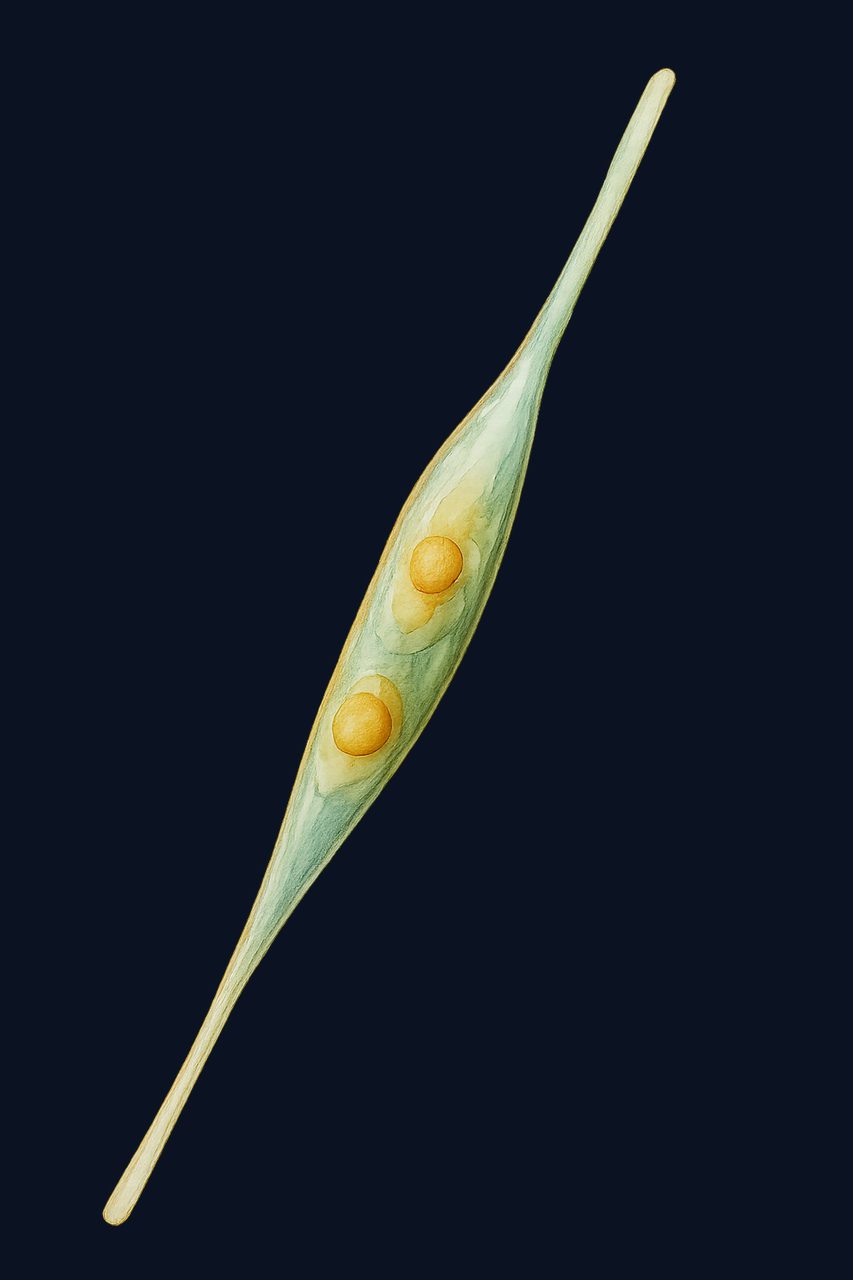
It feeds on small fish, crustaceans, worms, and other animals living on the seafloor. It helps control populations of bottom-dwelling prey and is itself eaten by larger sharks and predatory fish. By linking seafloor animals to larger predators, it plays an important role in coastal food webs.
Scientific reference
Citation
Ocean Literacy Connections
This resource can be explored through Ocean biodiversity.
- How do different ocean conditions create different ecosystems and ways of life?
Explore and connect
Open the secondary consumer view and compare this species with related marine life.


FAQ
What are the long whiskers on sea catfish for?
The long whiskers, called barbels, are covered with taste and touch sensors. They help the fish find food on the seafloor, even in muddy water or at night.
Can Thinspine sea catfish live in both fresh and salty water?
Yes. Although it is mainly a marine species, it can also enter estuaries and river mouths where freshwater mixes with seawater. This ability helps it find food and suitable places to grow.