What is the Amazon River Plume marine ecoregion?
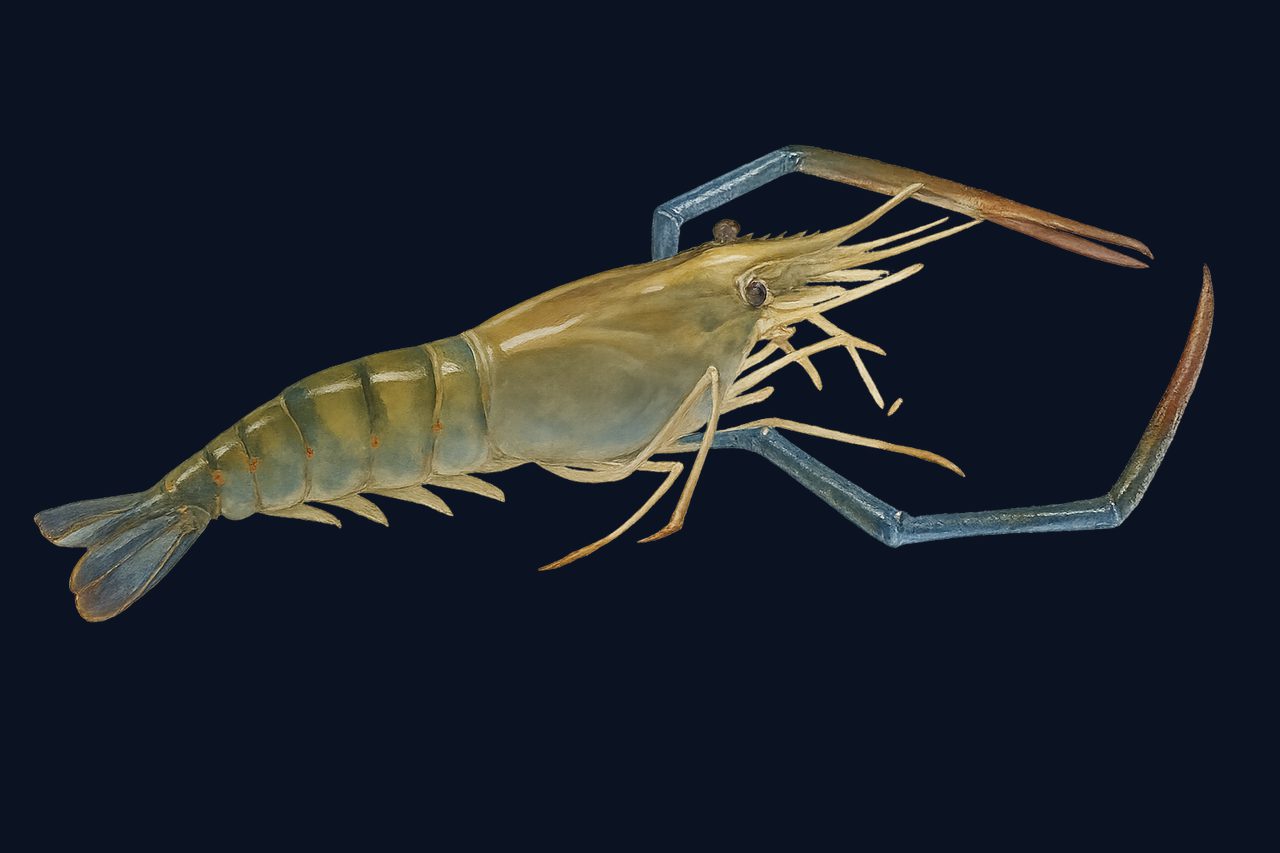
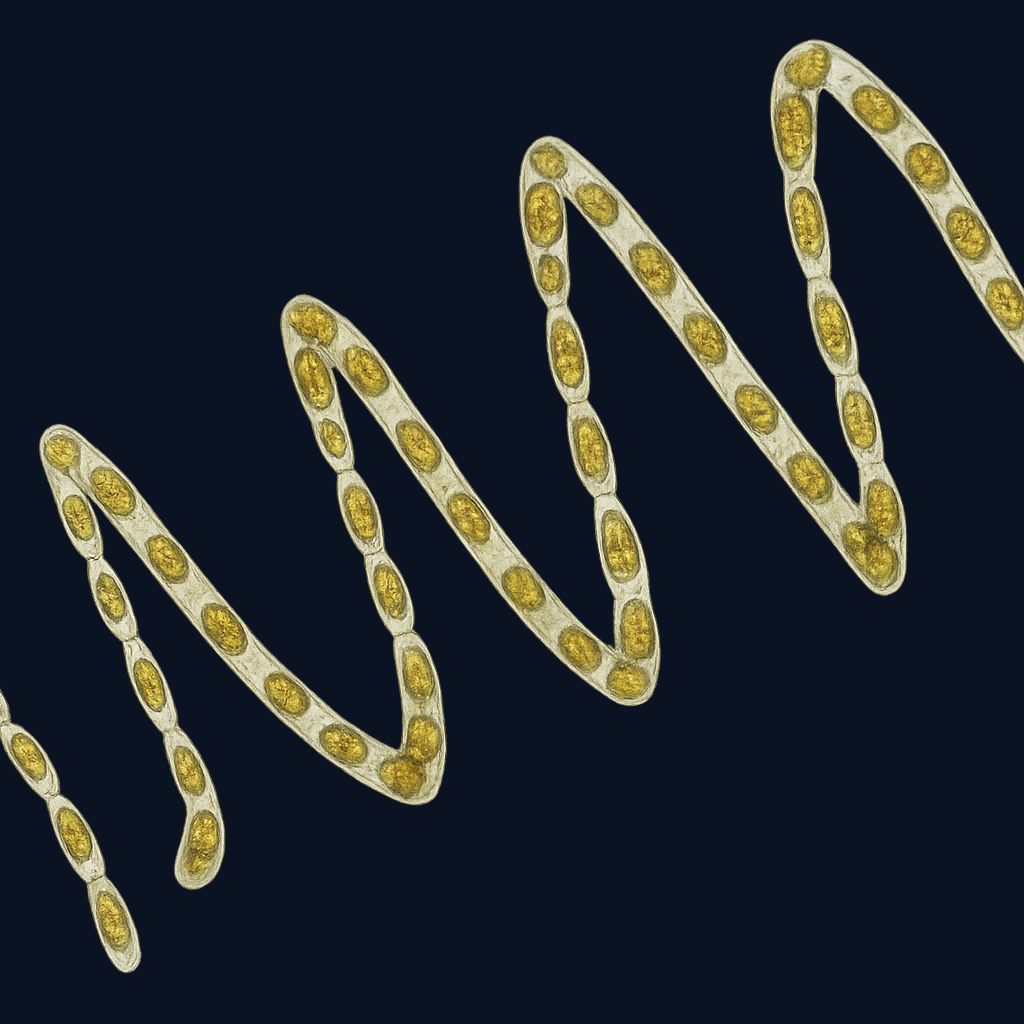
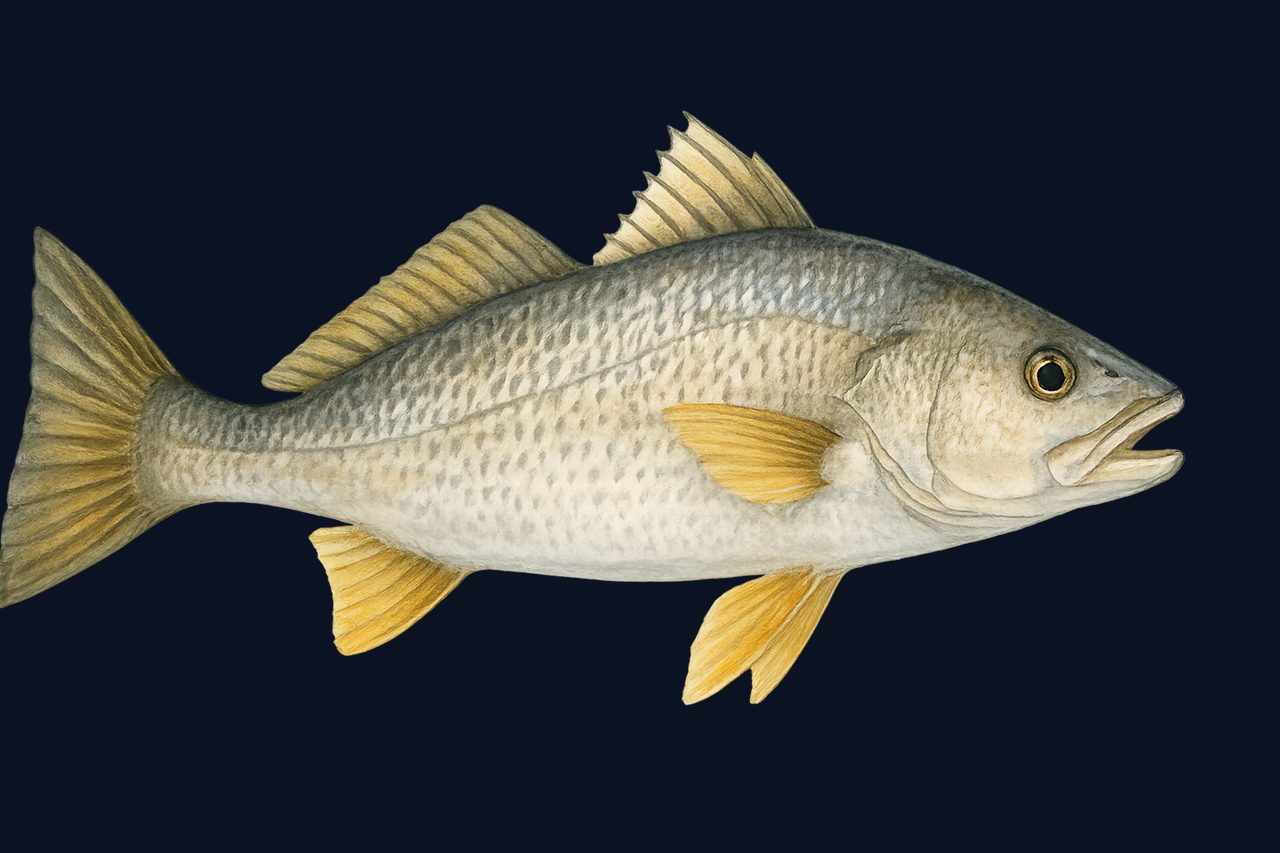
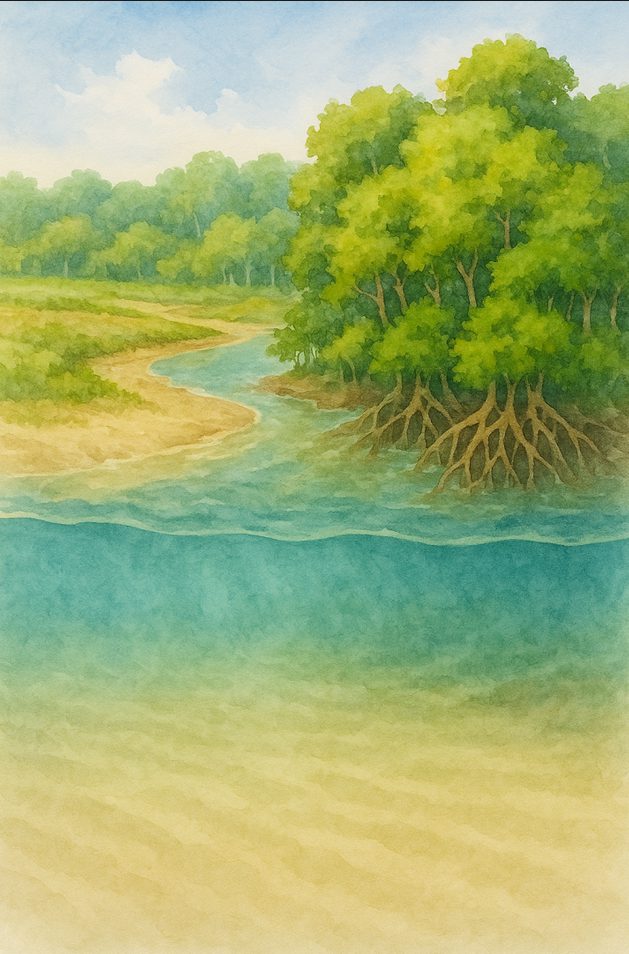
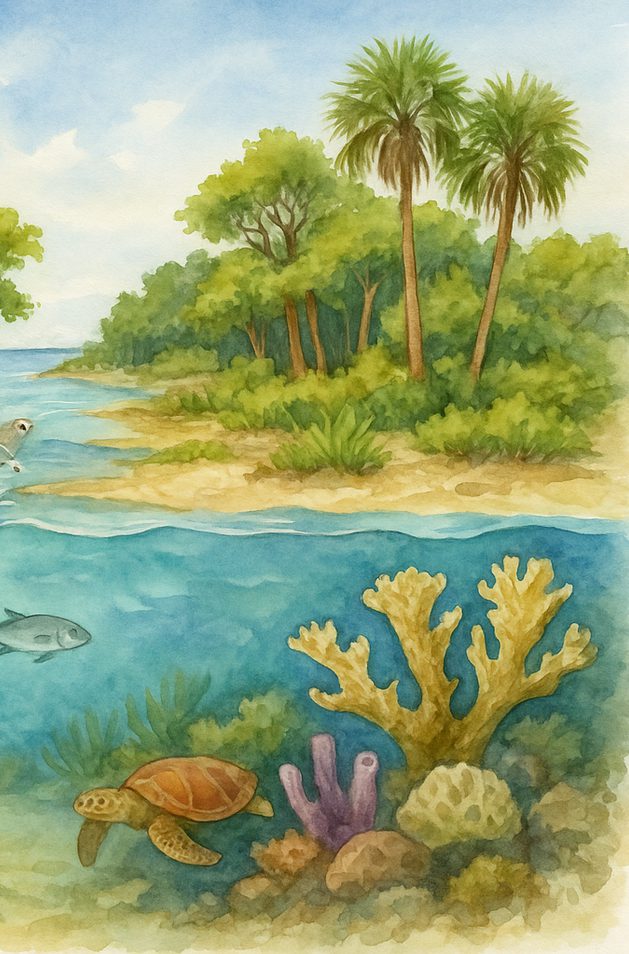
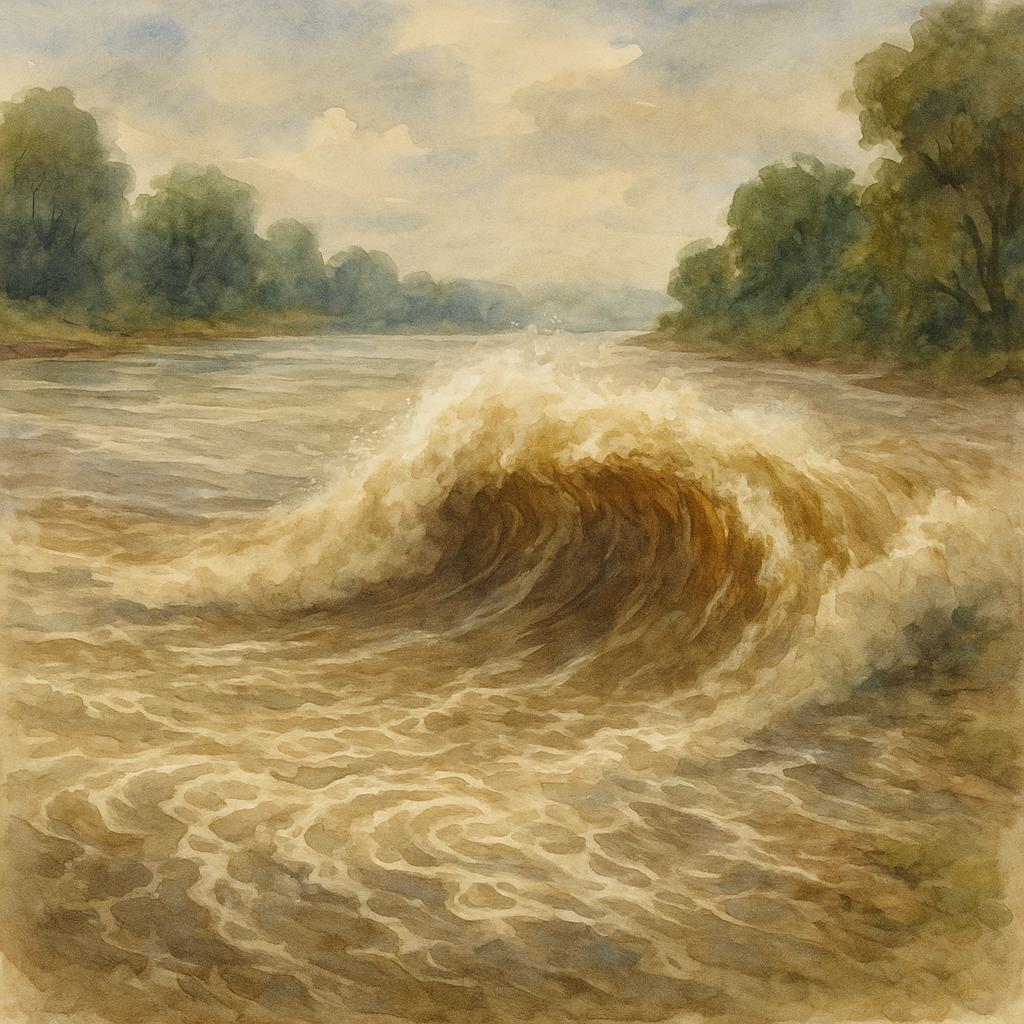
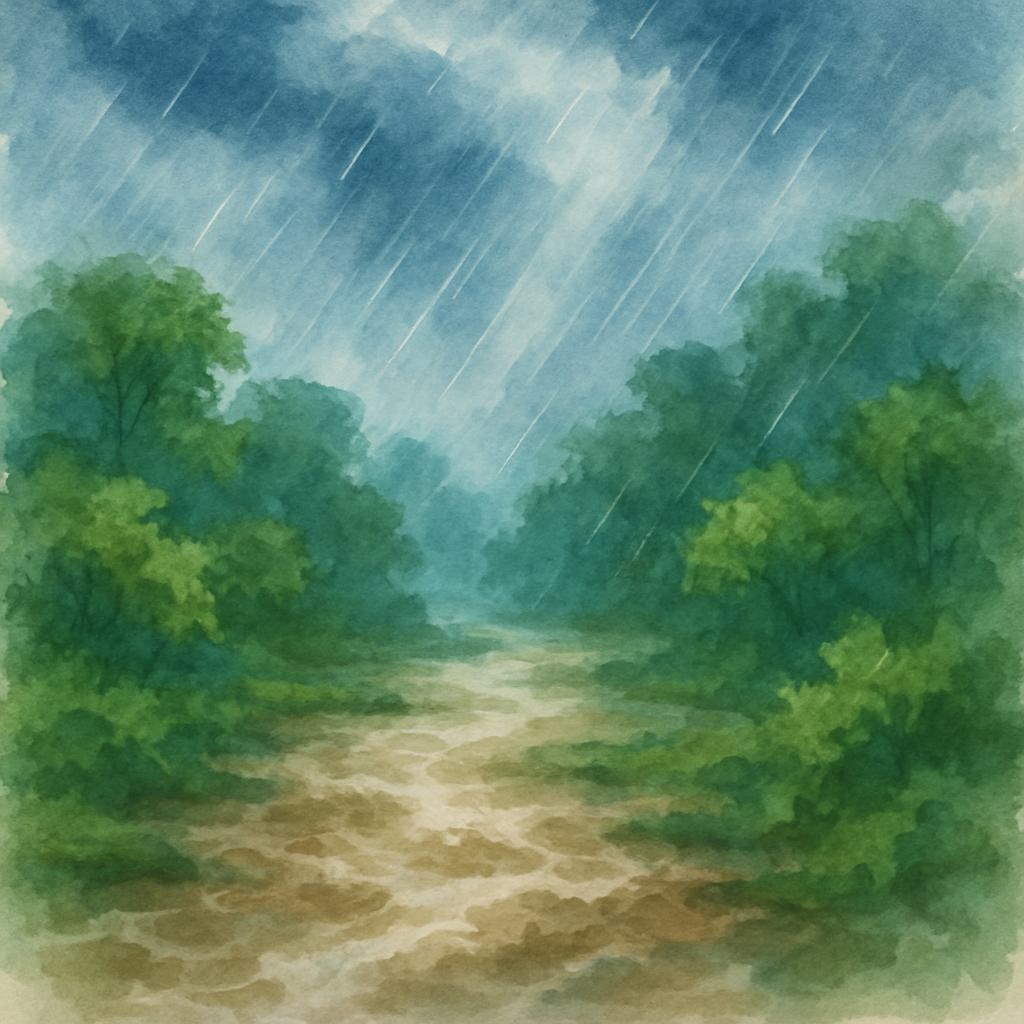
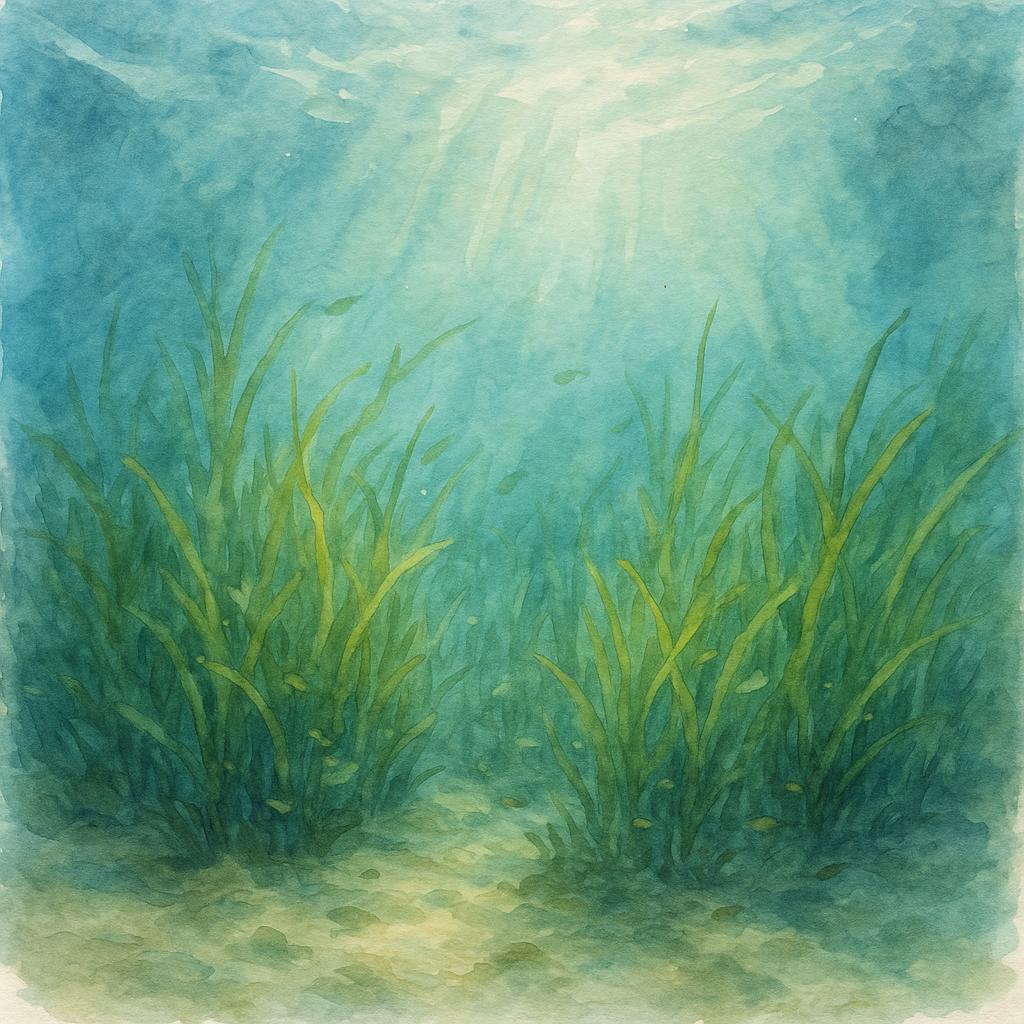
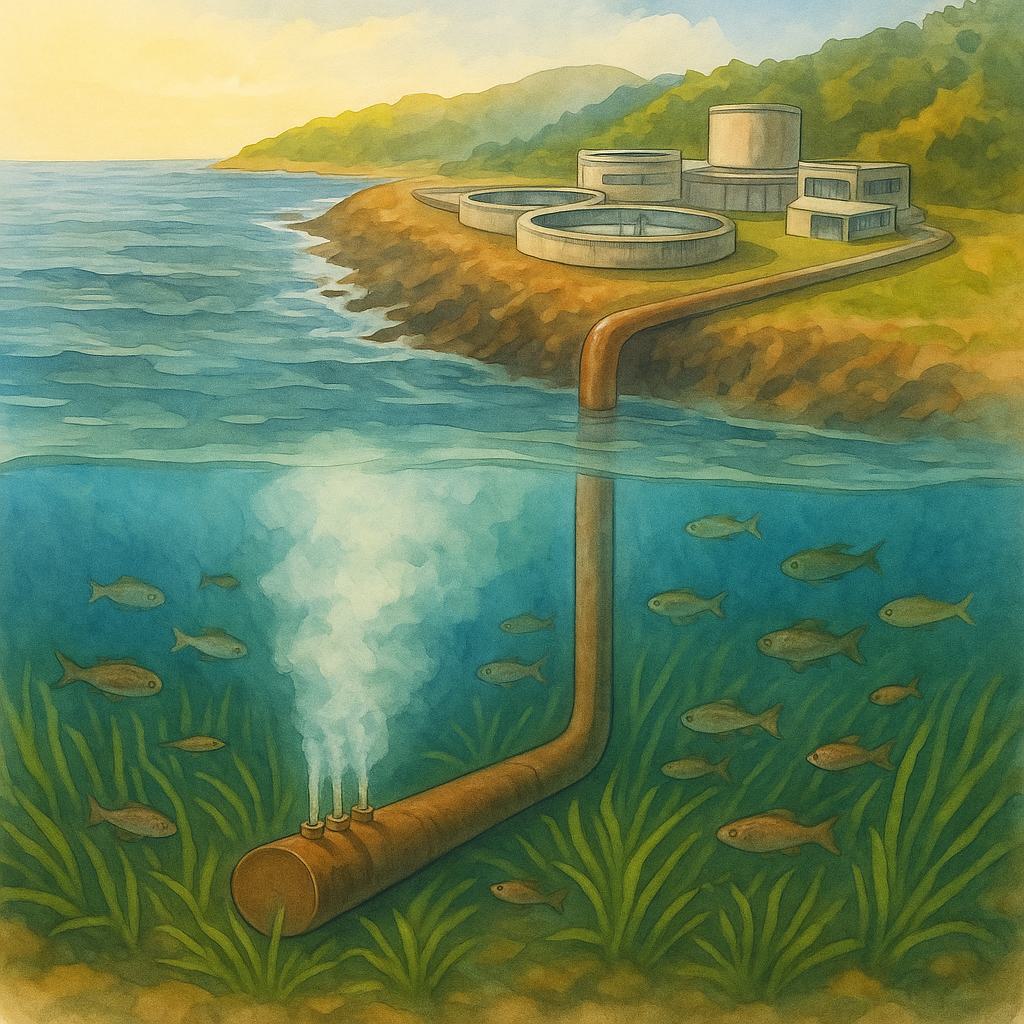
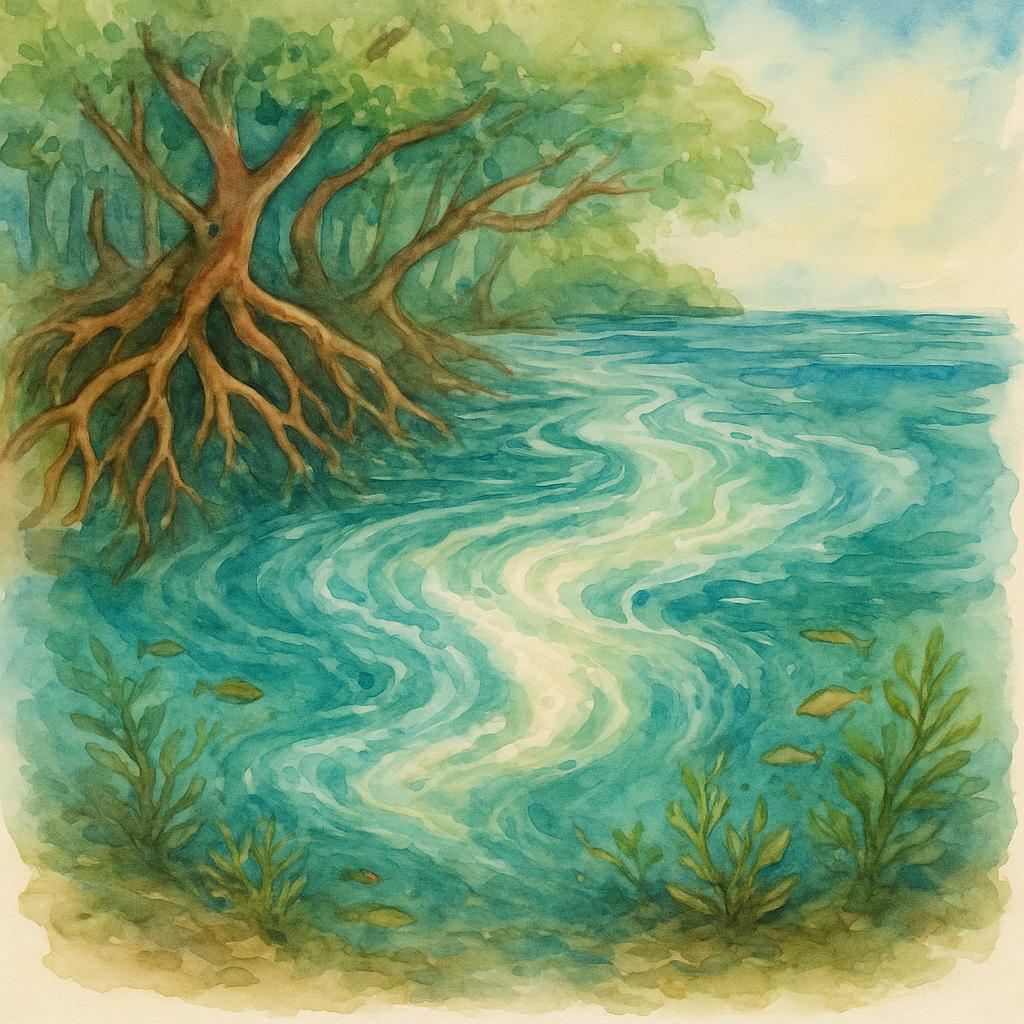
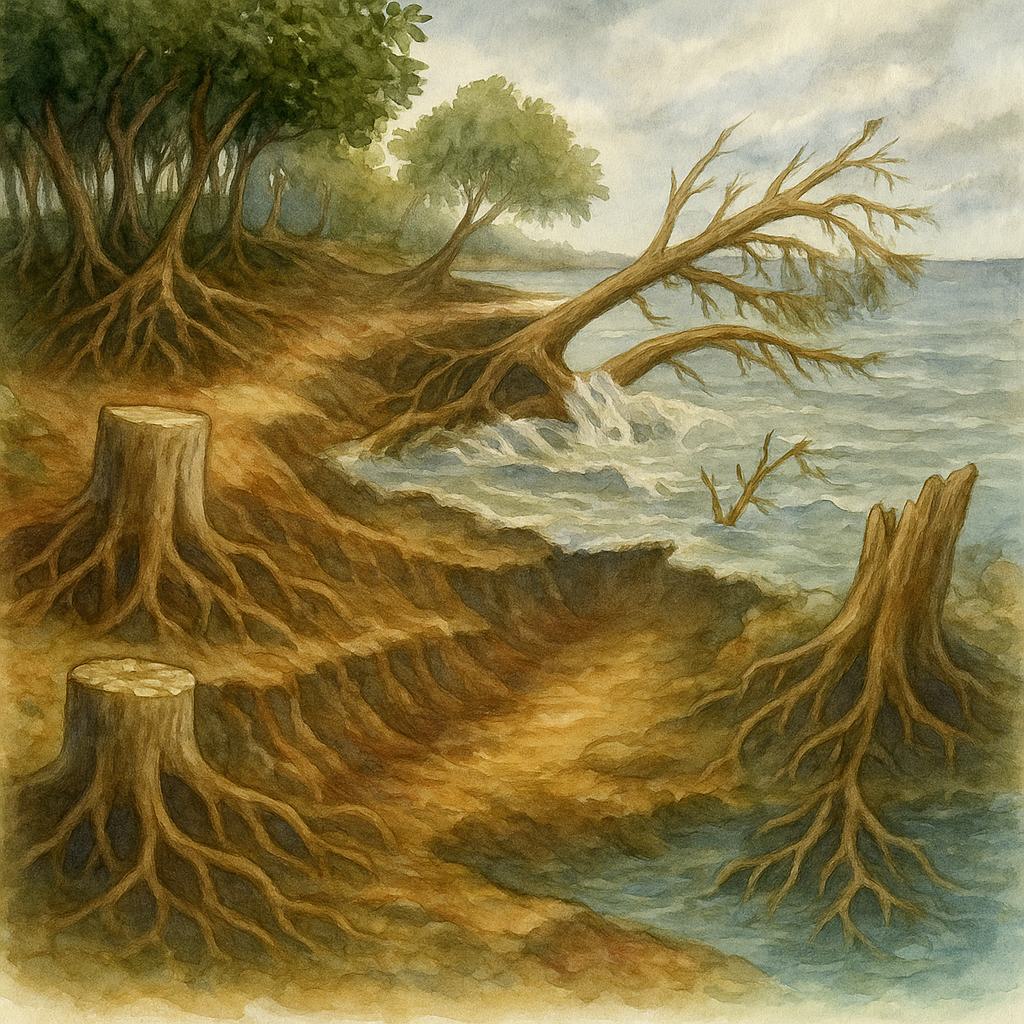
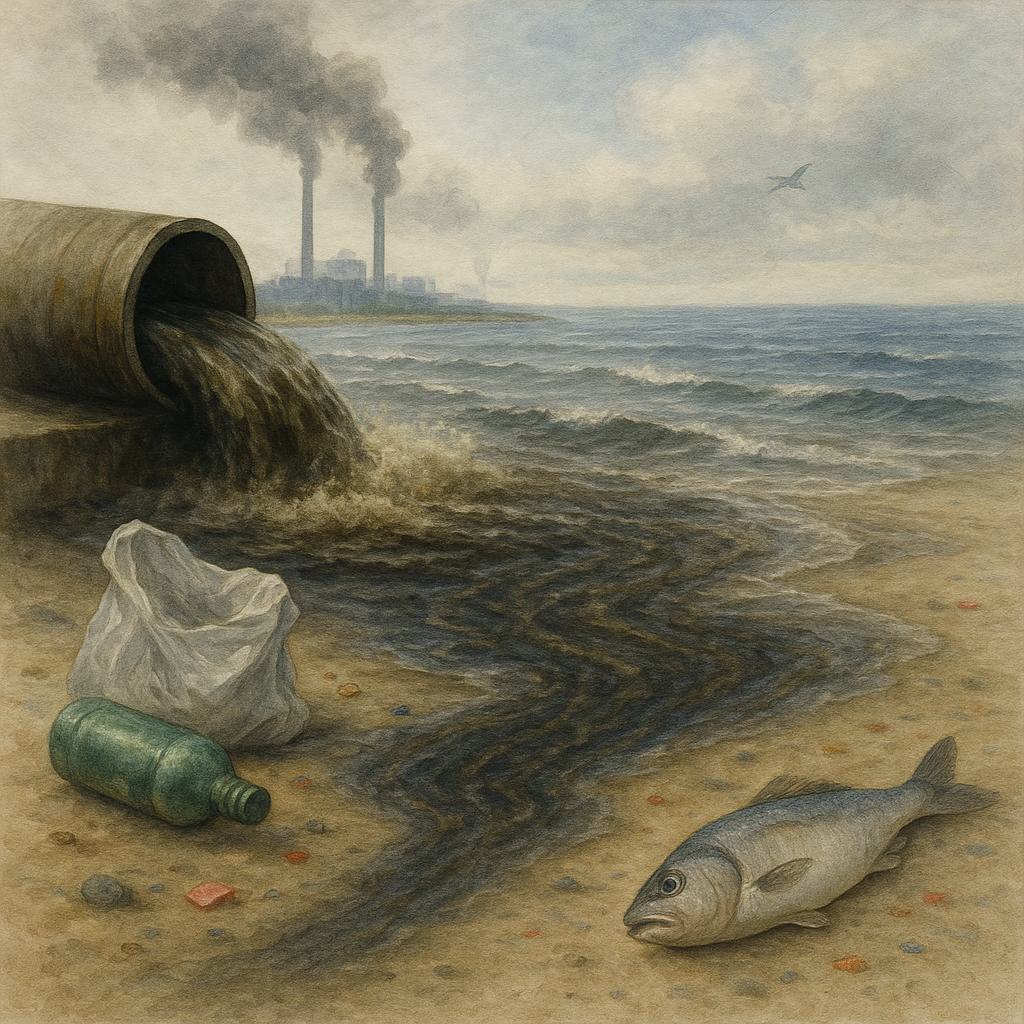
The Amazon River pours a vast flow of freshwater into the Atlantic, spreading over ocean depths of about 50 to 200 meters near the shelf. It carries nutrients that make the water cloudy but rich in life. Plankton blooms and drifting plant debris feed fish, crabs, and seabirds. Changing seasons and winds send bursts of food from land to sea across this wide, green plume. Most threatened by Coastal Pollution and Mangroove Destruction.
Related video
In context
What it is
The Amazon River pours a vast flow of freshwater into the Atlantic, spreading over ocean depths of about 50 to 200 meters near the shelf. It carries nutrients that make the water cloudy but rich in life. Plankton blooms and drifting plant debris feed fish, crabs, and seabirds. Changing seasons and winds send bursts of food from land to sea across this wide, green plume. Most threatened by Coastal Pollution and Mangroove Destruction.
Why it matters
The Amazon River plume turns the flow of a giant river into ocean life — carrying nutrients, sediments, and organic matter from the rainforest into the Atlantic food web.
FAQ
Why is the Amazon River plume important for ocean life?
Because it carries freshwater, nutrients, sediments, and organic matter from the rainforest into the Atlantic Ocean. This creates cloudy but productive waters where plankton can bloom and support fish, crabs, seabirds, and other marine life.
Why is the Amazon River plume threatened by pollution and mangrove destruction?
Coastal pollution can add harmful substances and excess nutrients to the plume, while mangrove destruction removes natural coastal filters and nursery habitats. Together, these pressures can weaken the connection between river, coast, and ocean life.
Ocean Literacy Connections
This resource can be explored through One ocean, many features and Ocean biodiversity.
- How do different ocean places belong to one connected system?
- How do different ocean conditions create different ecosystems and ways of life?
Explore and connect
Open the ecoregions view to compare regional boundaries, biodiversity context, and related ocean systems.