What is the Florida Keys marine ecoregion?
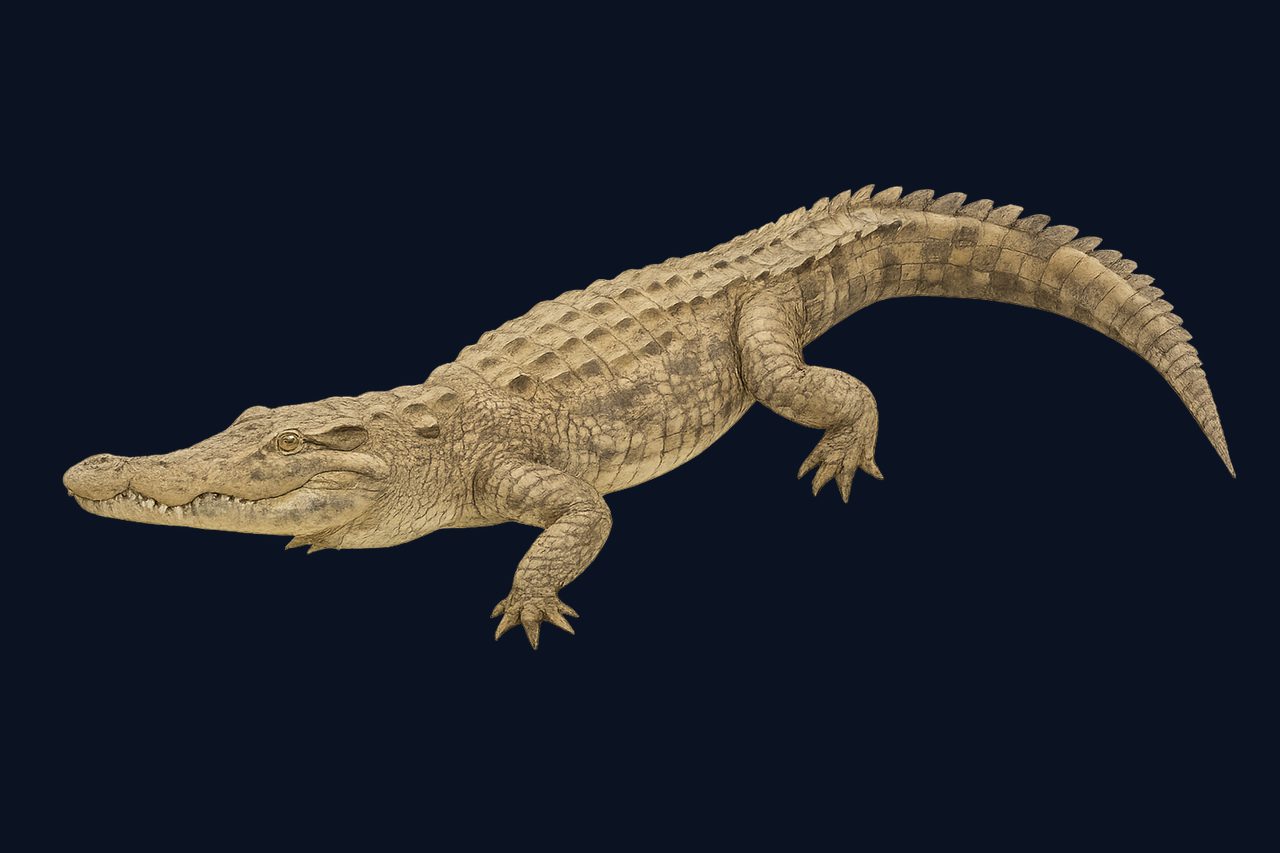
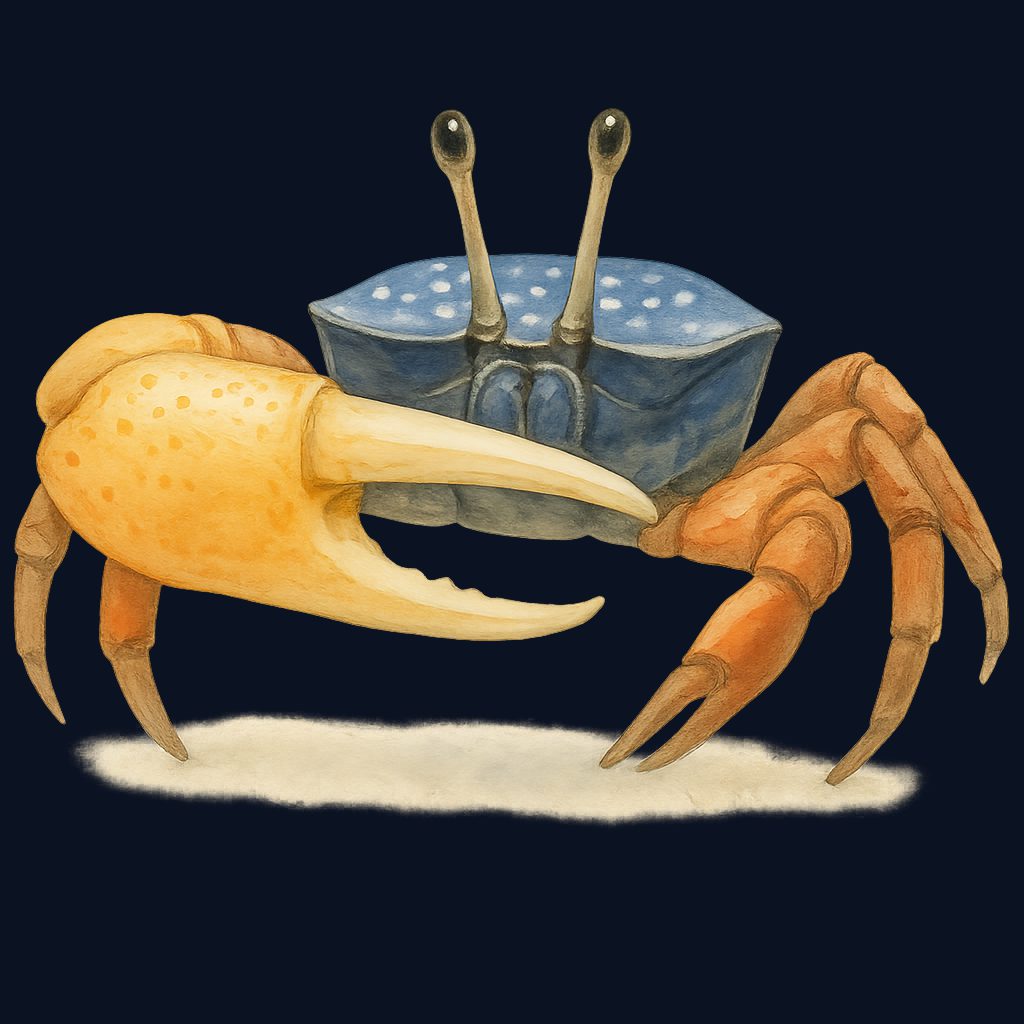
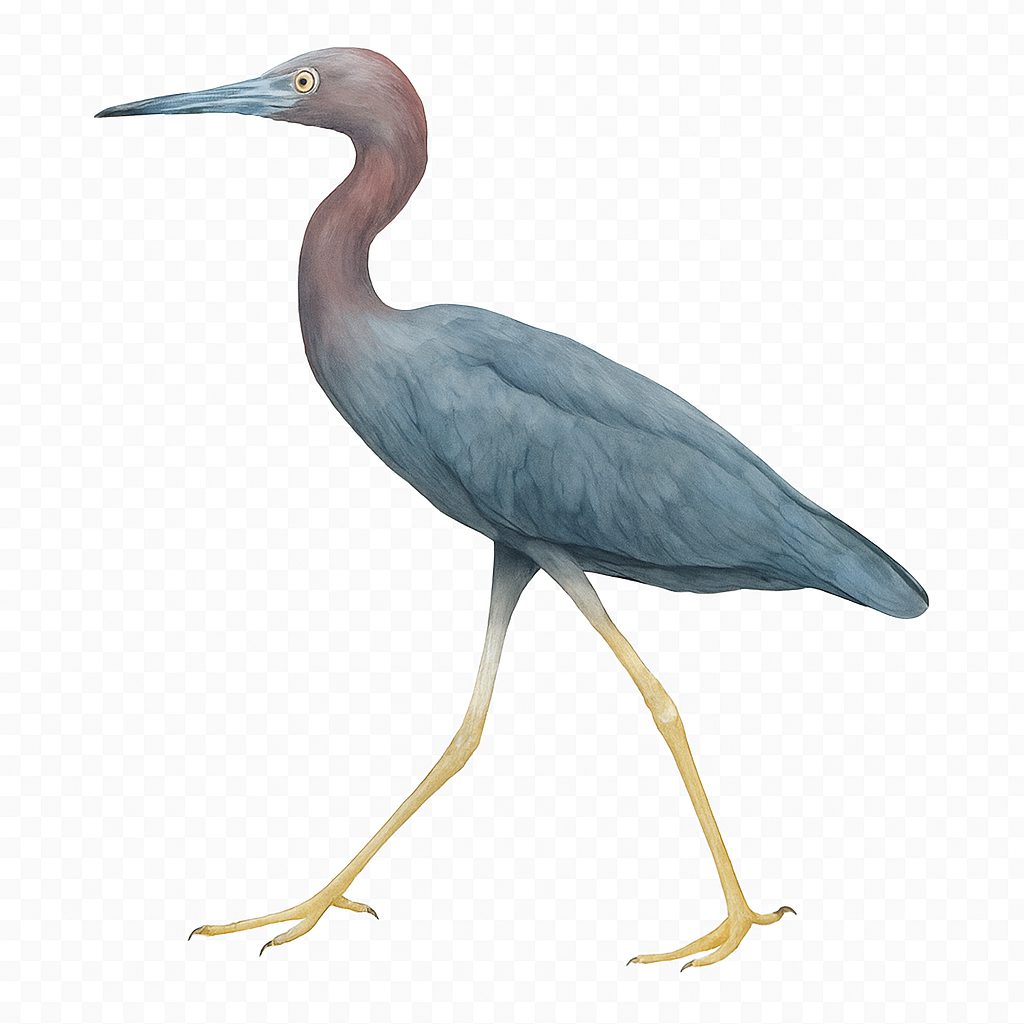
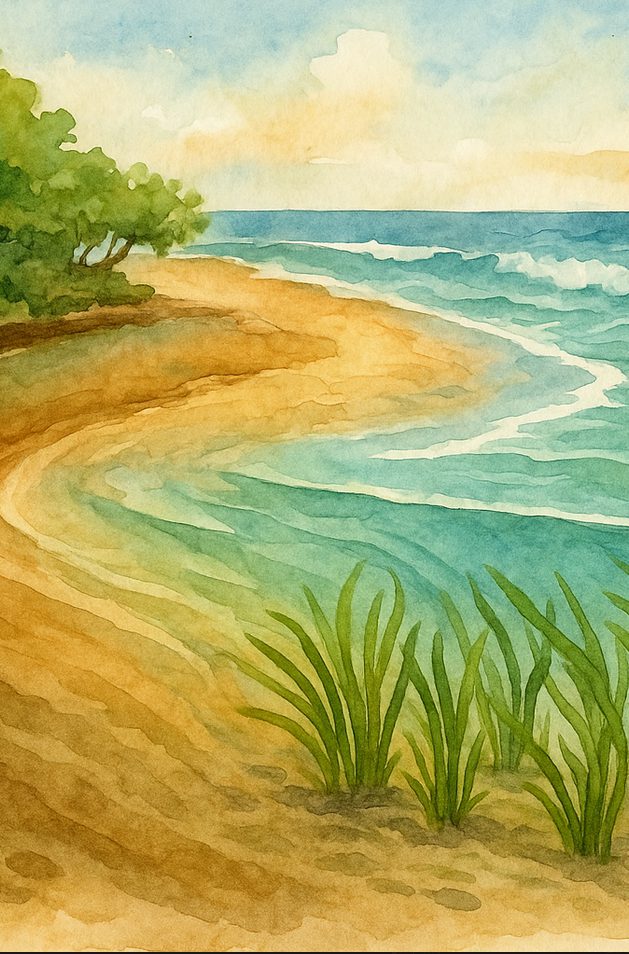
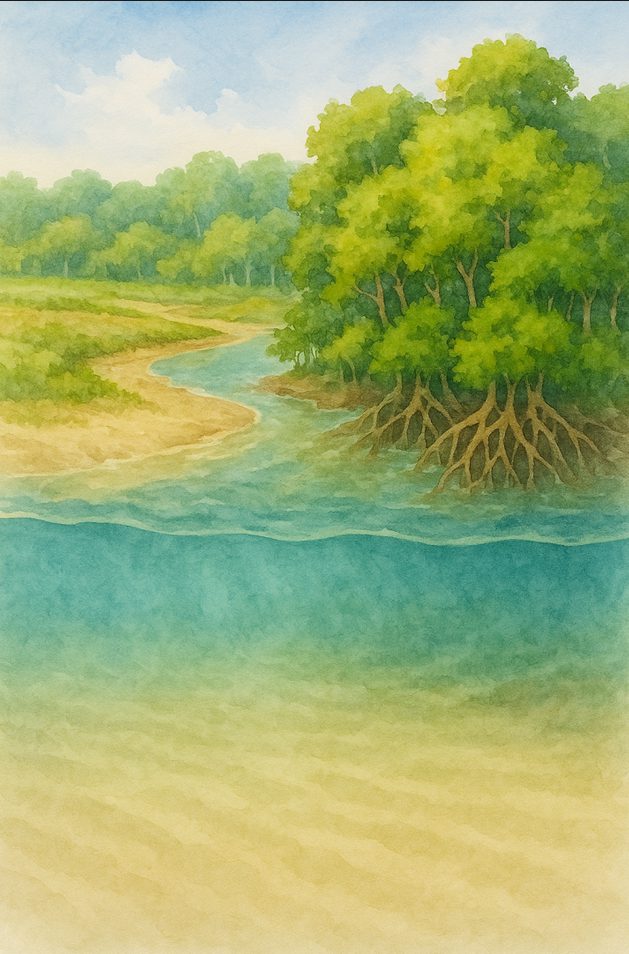
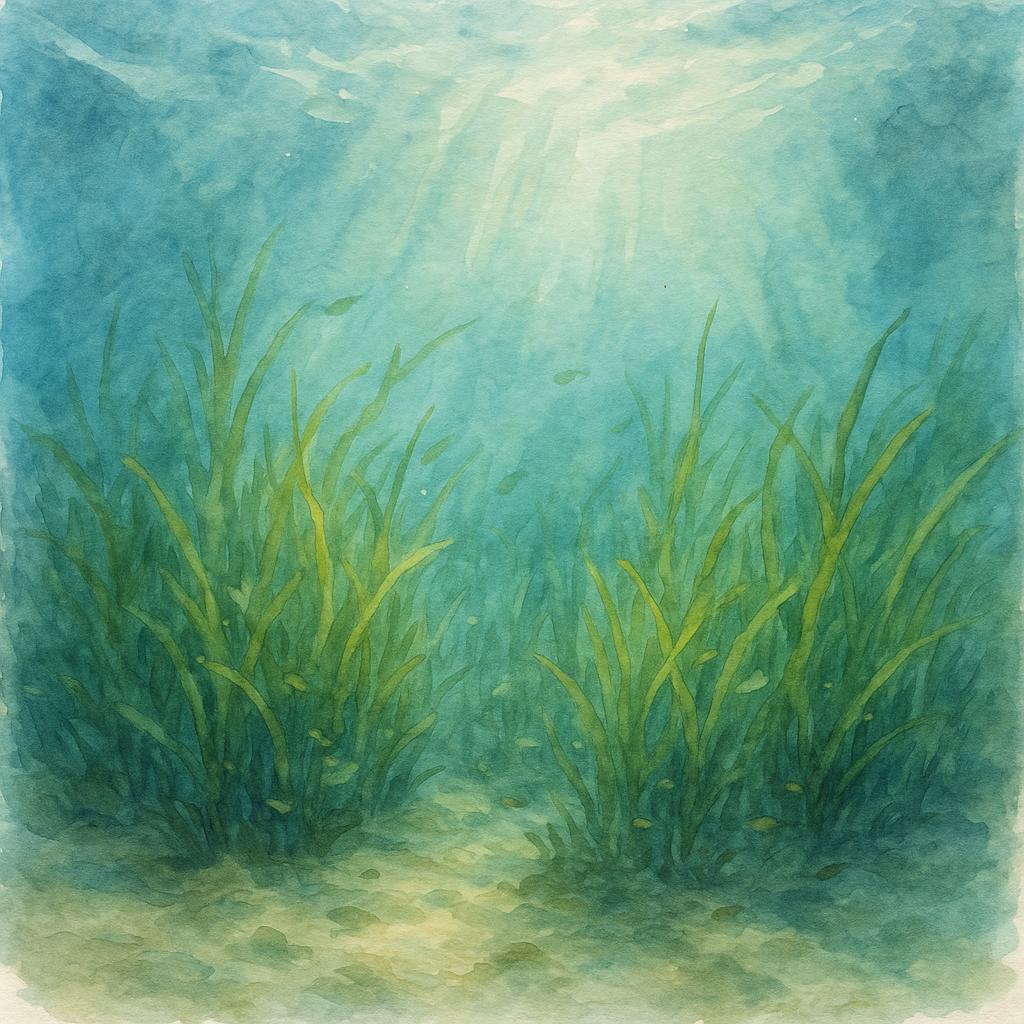
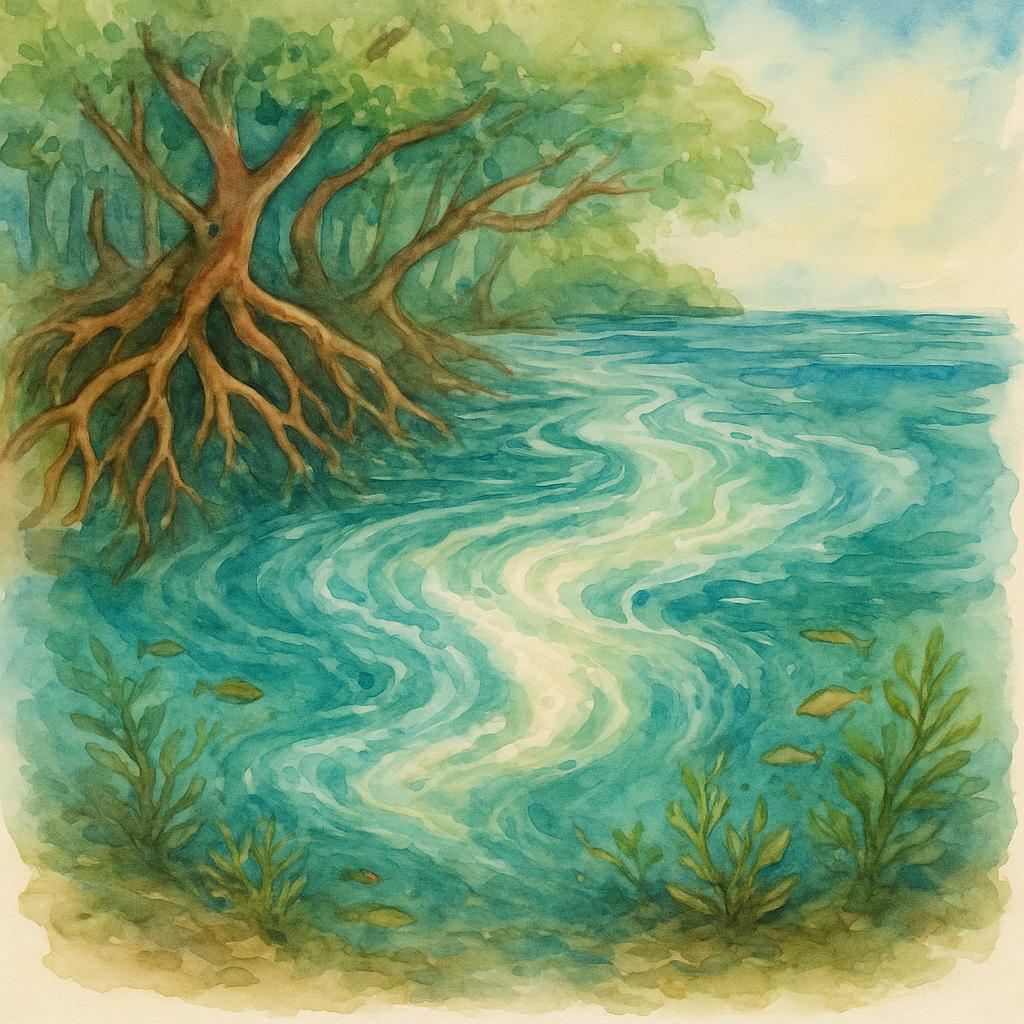
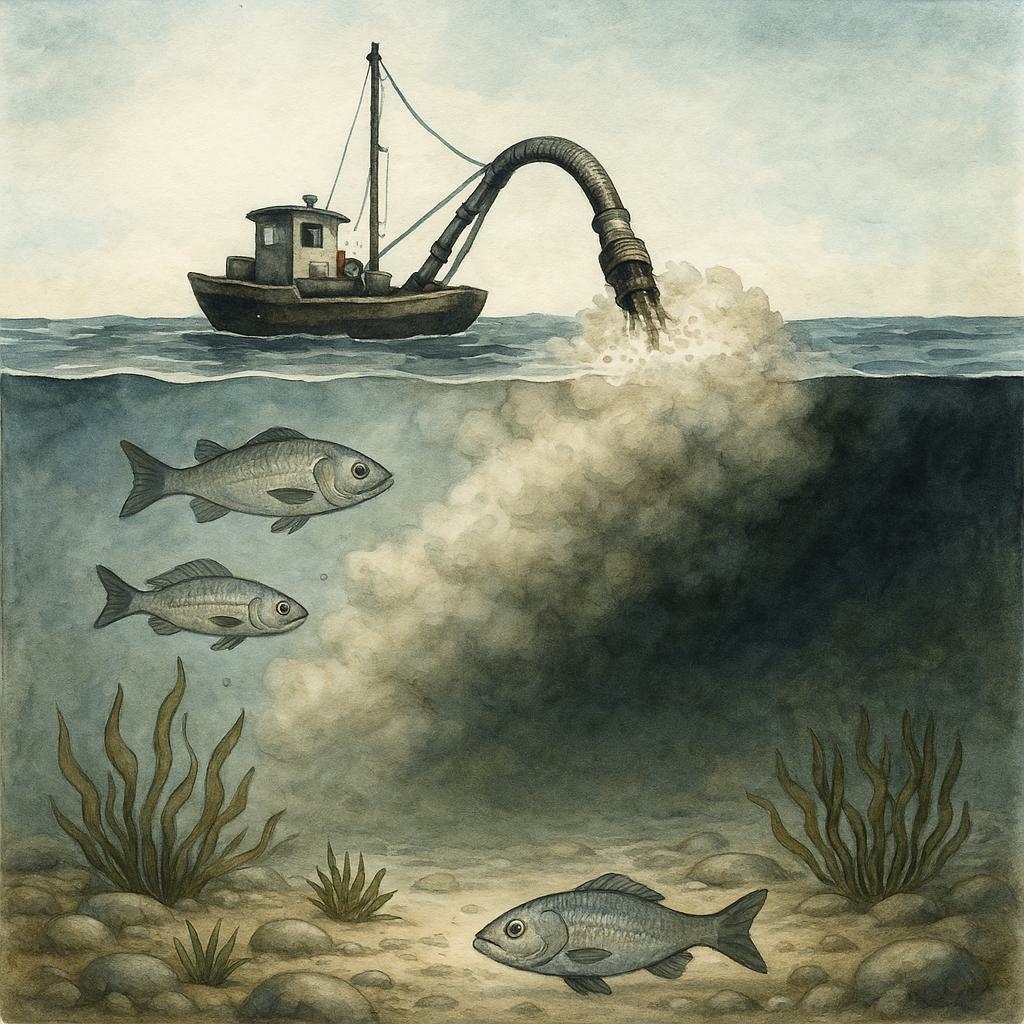
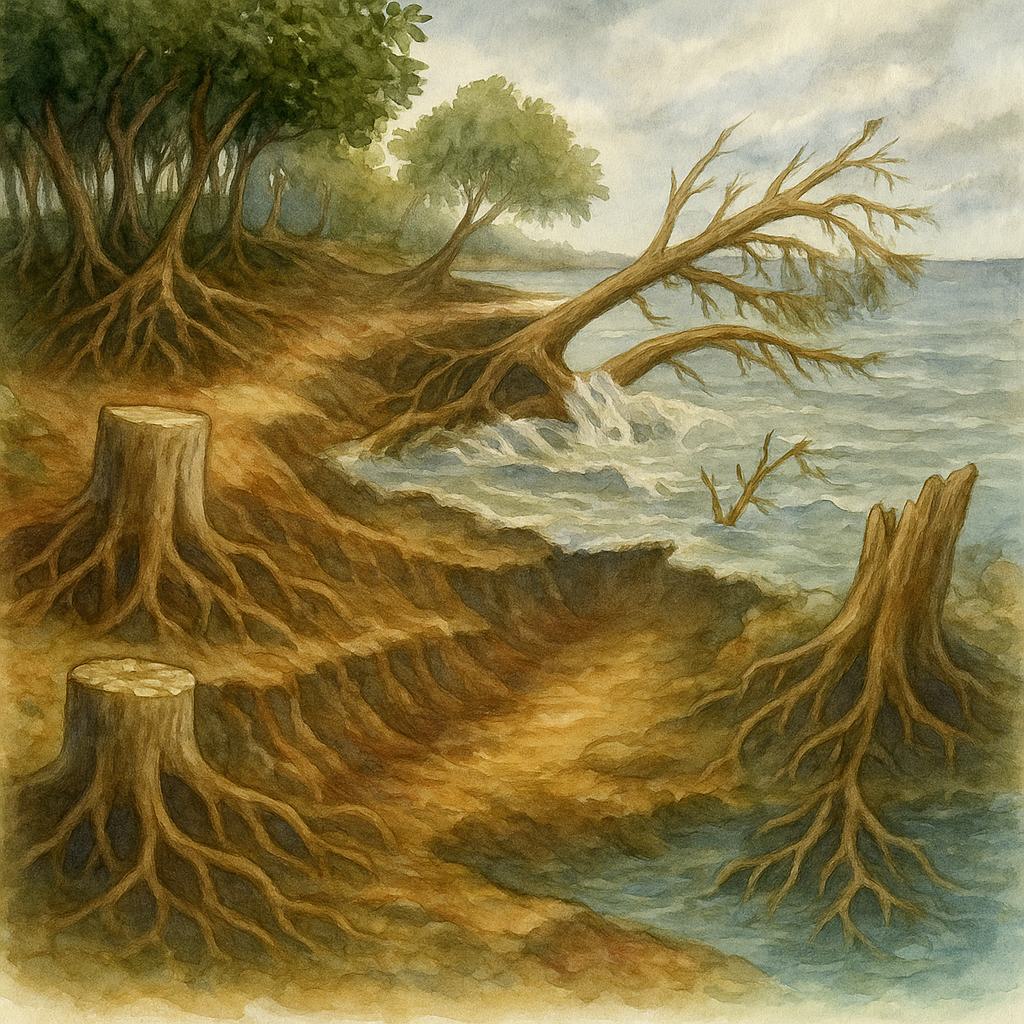
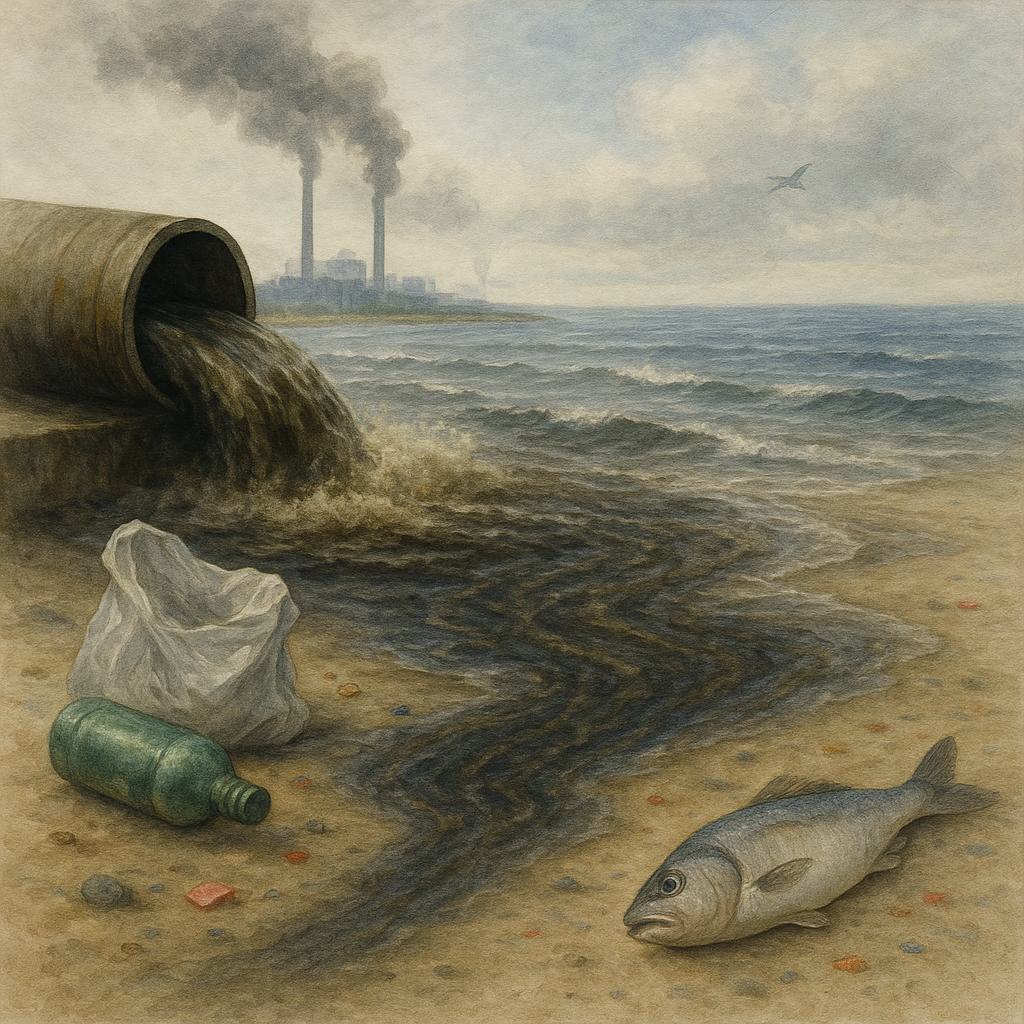
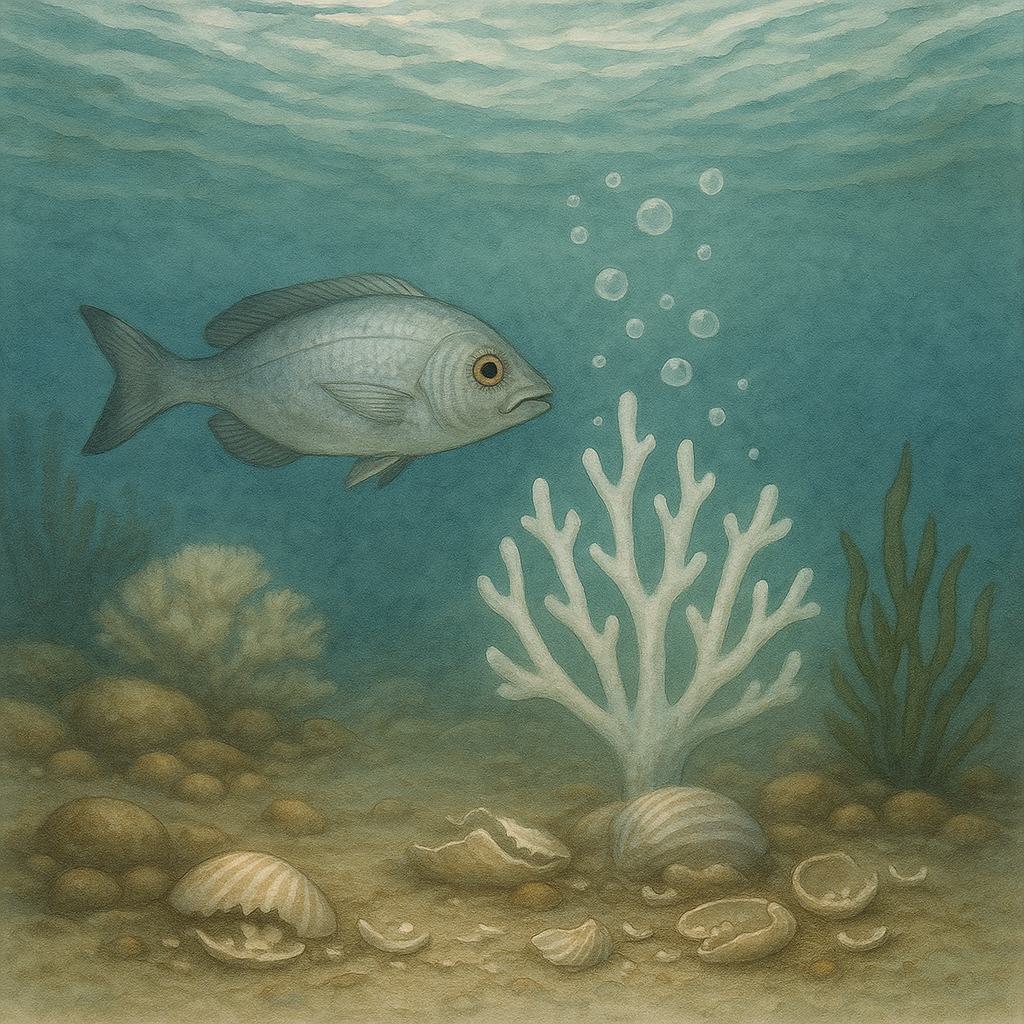
The Florida Keys are small islands of limestone surrounded by mangroves, seagrass, and coral reefs. These habitats together support turtles, manatees, fish, and birds. The Keys are a hotspot of tropical life and beauty. But they face threats from warming, rising seas, and pollution. The adjacent Florida Current links the Keys to the wider Caribbean.
Related video
In context
What it is
The Florida Keys are small islands of limestone surrounded by mangroves, seagrass, and coral reefs. These habitats together support turtles, manatees, fish, and birds. The Keys are a hotspot of tropical life and beauty. But they face threats from warming, rising seas, and pollution. The adjacent Florida Current links the Keys to the wider Caribbean.
Why it matters
The Keys support tourism, recreational and commercial fisheries, coastal protection and one of North America’s most diverse subtropical marine communities. Their connected habitats show why protecting one ecosystem alone is not enough: coral reefs, seagrasses and mangroves depend on shared water quality and species movements.
FAQ
Why are connected habitats important in the Keys?
Many animals use different habitats during their lives. Juvenile fish may shelter among mangrove roots or seagrass blades before moving to reefs as adults. Tides and currents also exchange larvae, nutrients and organic matter, so damage in one habitat can affect the others.
Why are Florida’s corals under such pressure?
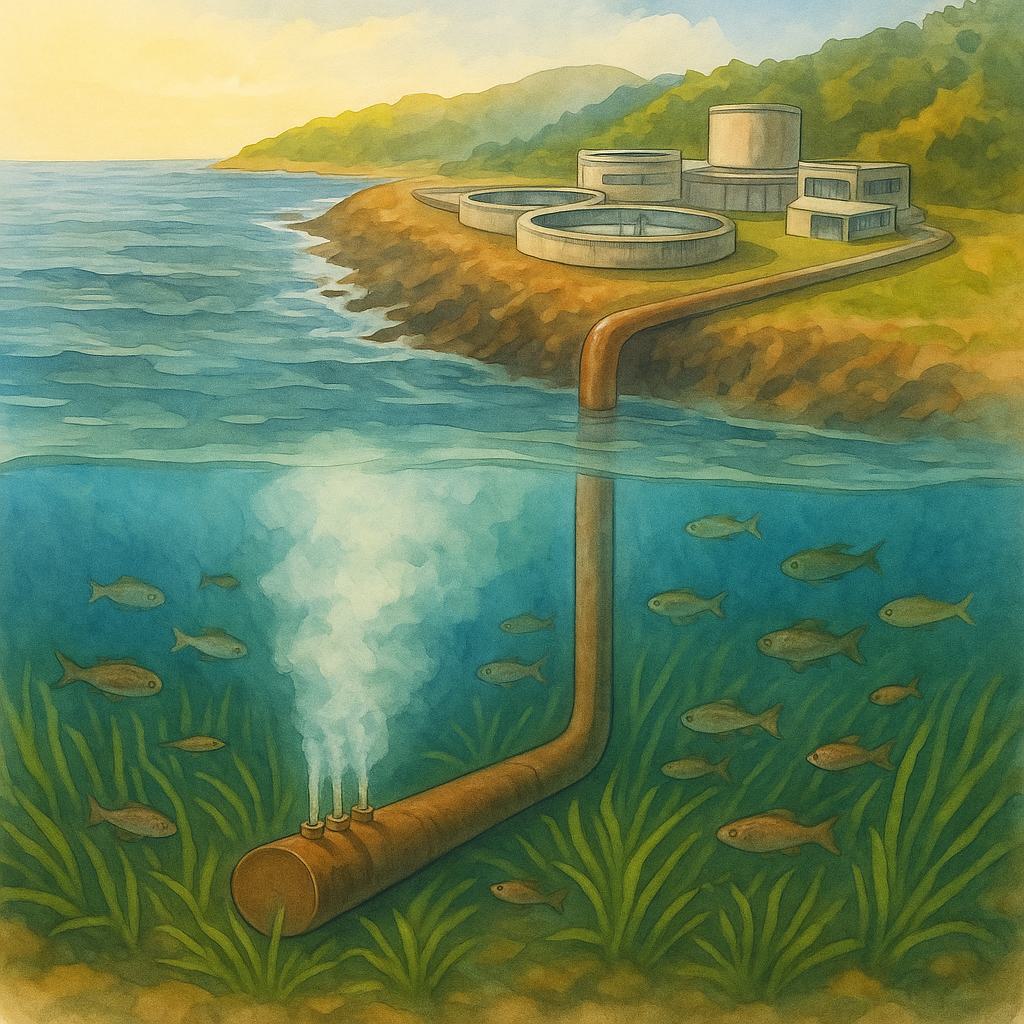
Corals are exposed to repeated heat stress, disease, ocean acidification, hurricanes and local water-quality problems. Because coral cover has already declined, restoration programmes aim to rebuild selected reefs, but recovery also depends on reducing warming and local pollution.
Ocean Literacy Connections
This resource can be explored through One ocean, many features and Ocean and humans.
- How do different ocean places belong to one connected system?
- How does the ocean affect our lives, and how do our choices affect the ocean?
Explore and connect
Open the ecoregions view to compare regional boundaries, biodiversity context, and related ocean systems.