What is the Sea of Japan marine ecoregion?
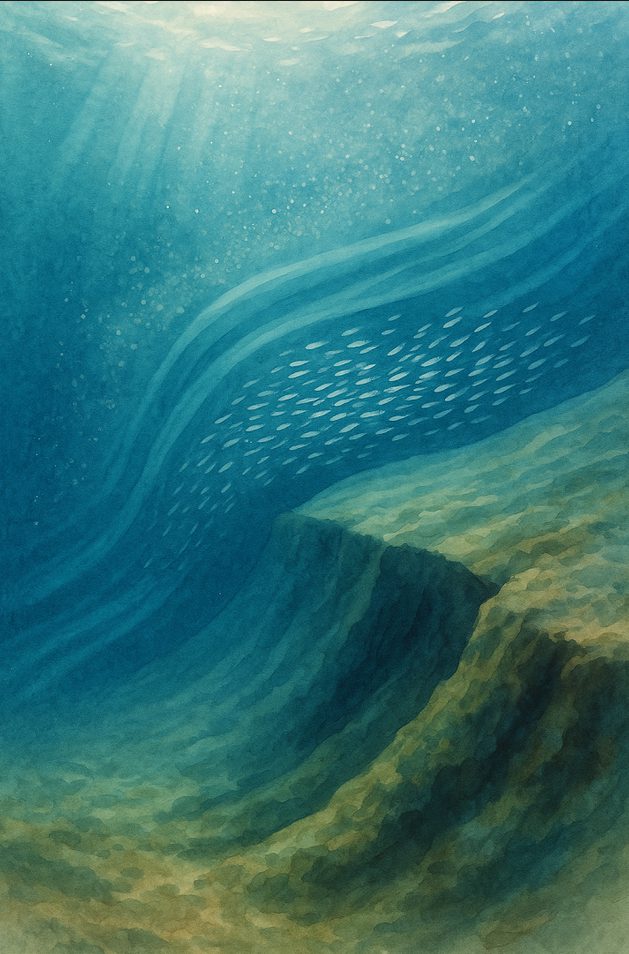
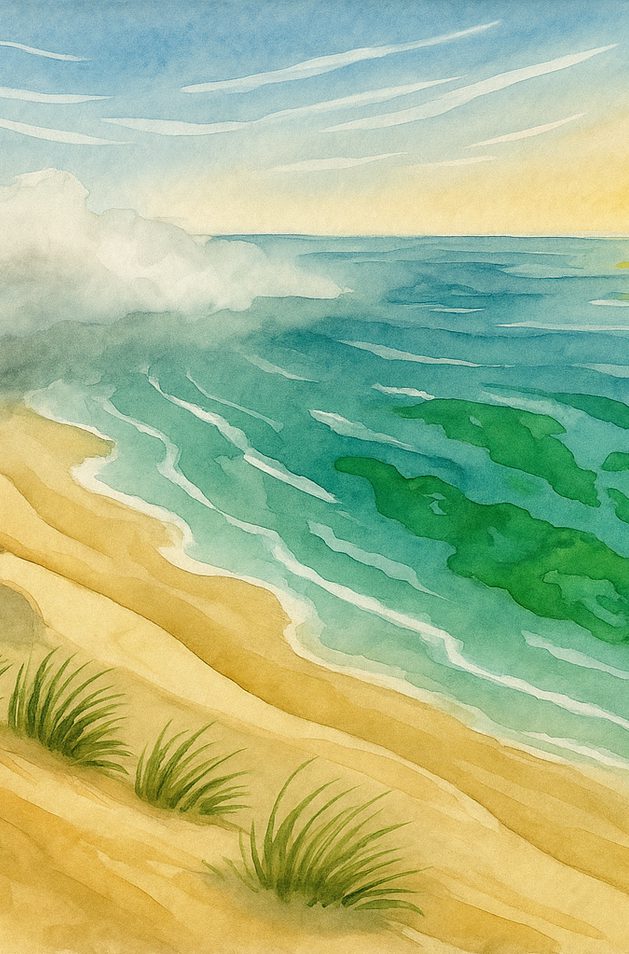
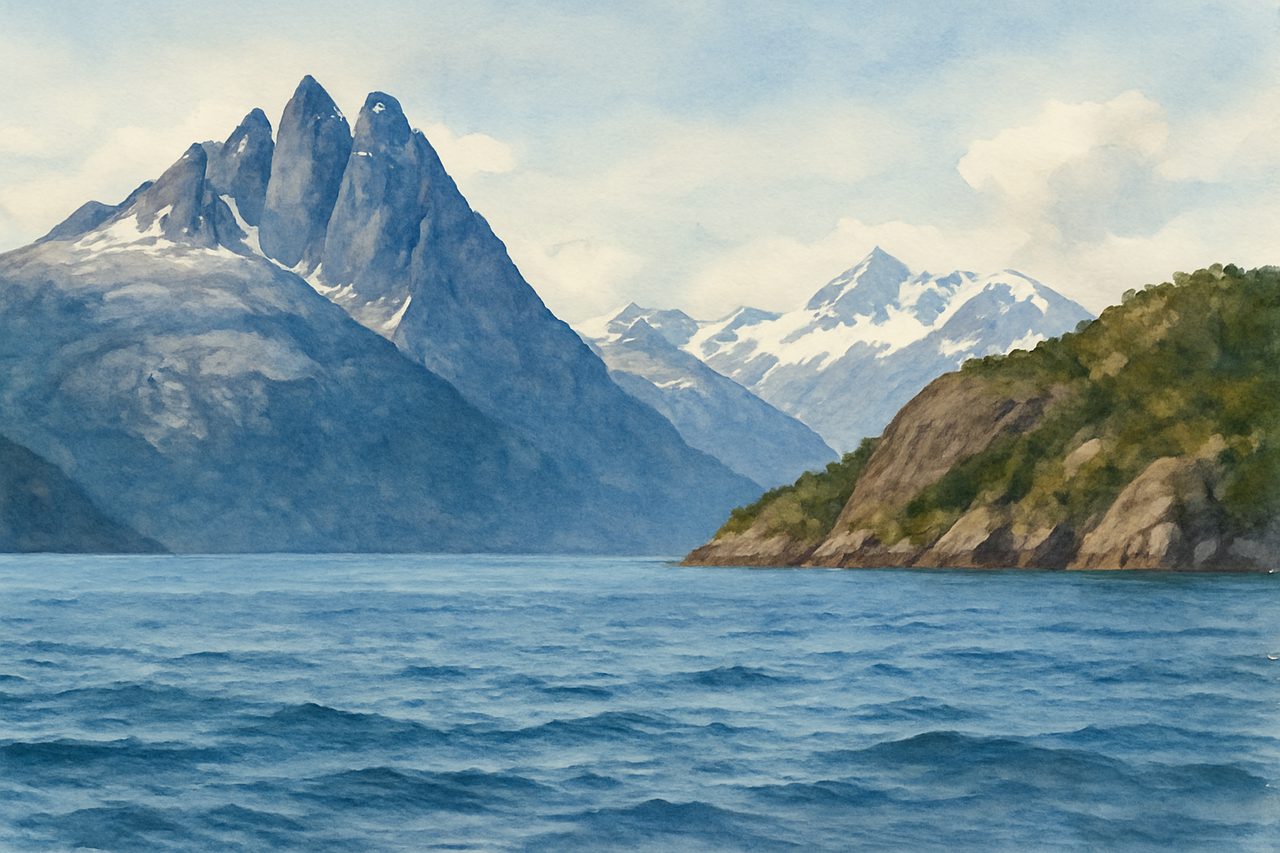
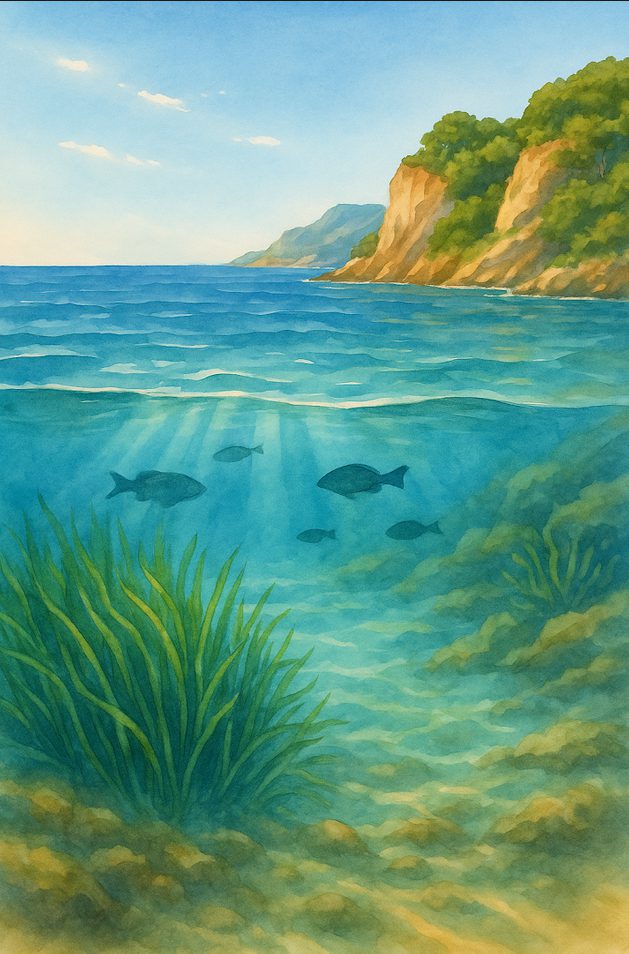
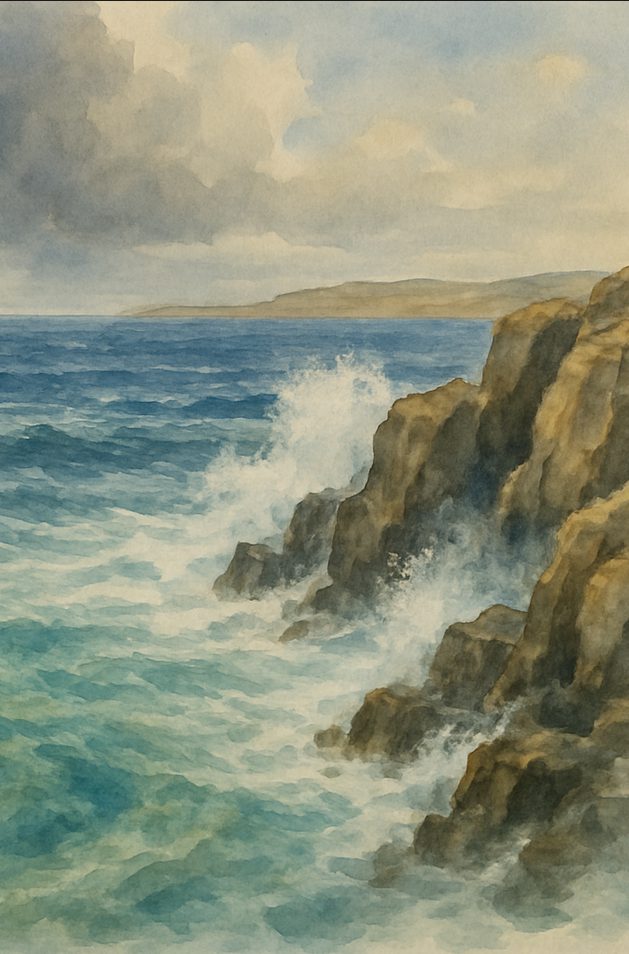
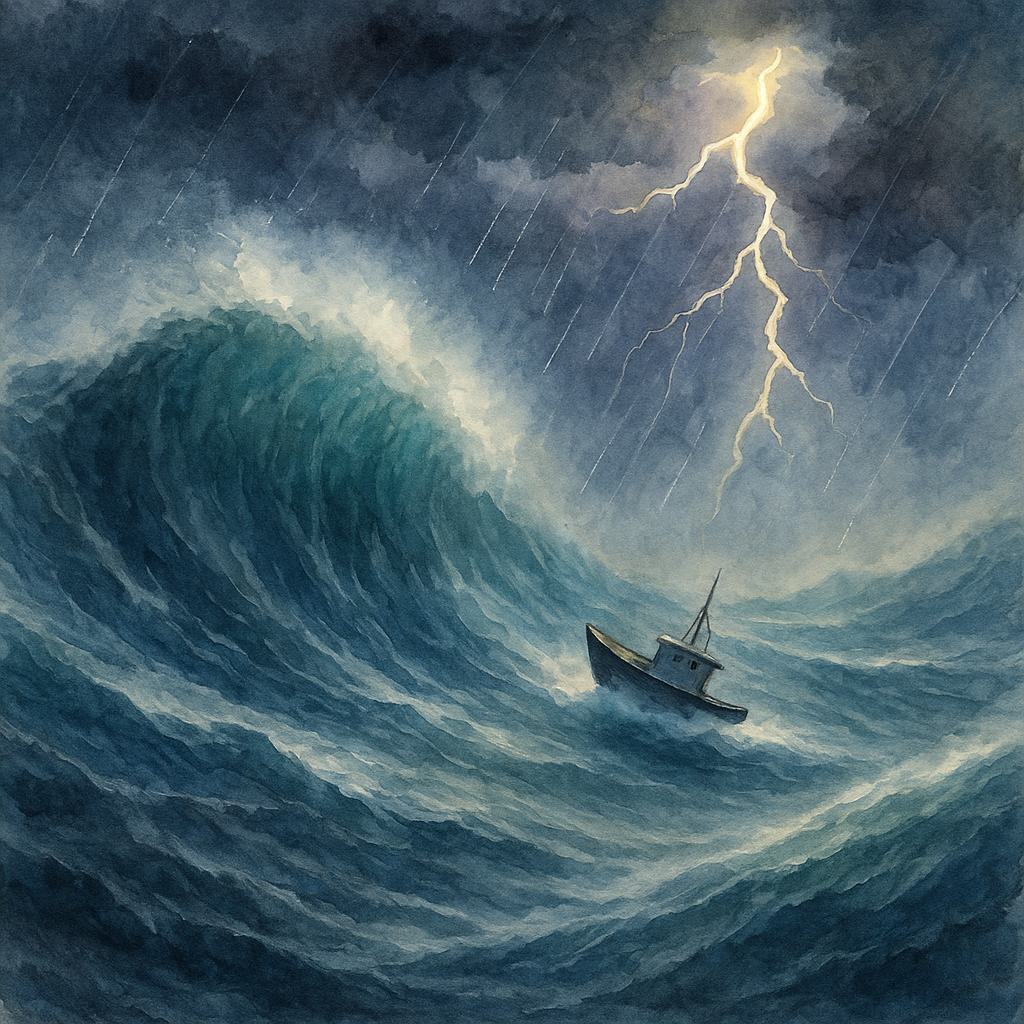
The Sea of Japan lies between Japan, Russia, and Korea. Winters are freezing, summers are warm, and deep currents bring in oxygen and nutrients. Spring blooms line the coasts, but in summer the surface becomes a clear “ocean desert.” Winter storms and coastal upwelling mix the waters again, making it a sea of constant change.
Related video
In context
What it is
The Sea of Japan lies between Japan, Russia, and Korea. Winters are freezing, summers are warm, and deep currents bring in oxygen and nutrients. Spring blooms line the coasts, but in summer the surface becomes a clear “ocean desert.” Winter storms and coastal upwelling mix the waters again, making it a sea of constant change.
Why it matters
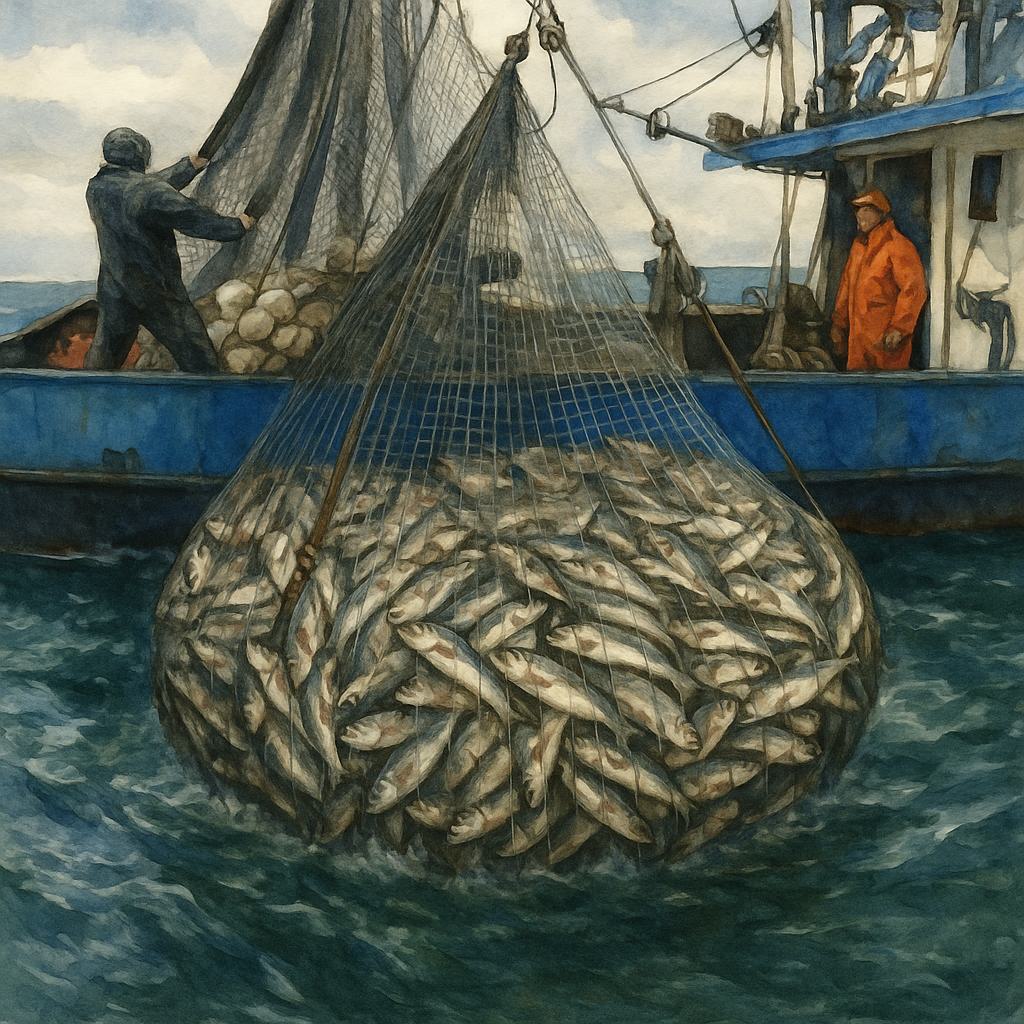
The sea supports major fisheries and coastal communities in Japan, Korea and Russia. Because it forms and renews deep water on relatively short timescales, scientists also use it as a natural laboratory for understanding how warming and reduced ventilation may affect larger ocean basins.
FAQ
Why is the Sea of Japan sometimes called a miniature ocean?
It has its own deep-water formation, layered water masses and basin-scale circulation, but these processes occur within a smaller, semi-enclosed sea. This makes long-term changes easier to observe and can provide clues about processes that happen more slowly in the global ocean.
What causes its seasonal phytoplankton blooms?
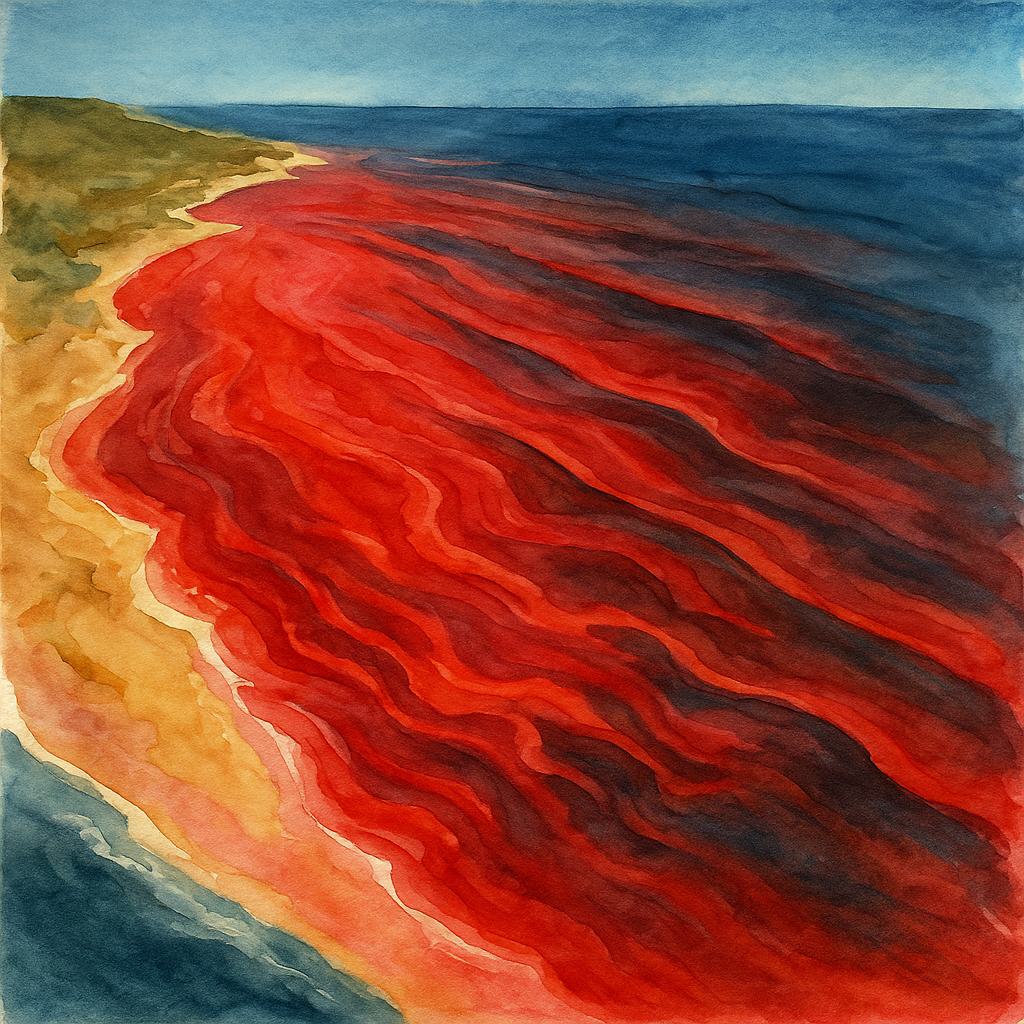
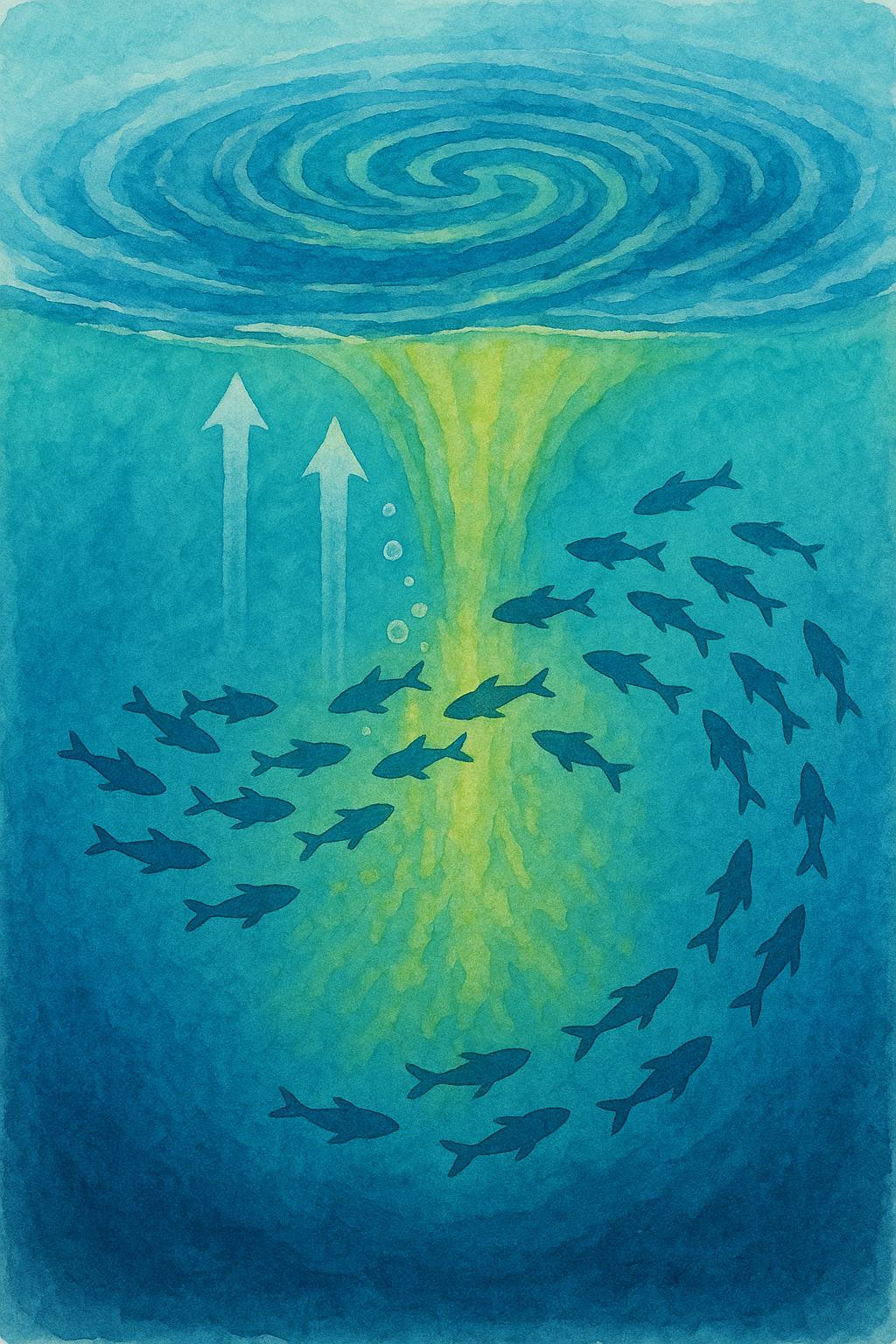
Winter winds cool and mix the surface, bringing nutrients upward. When sunlight increases and the water begins to stabilise in spring, phytoplankton can bloom. A smaller autumn bloom may develop when cooling and storms weaken summer stratification and return nutrients to the surface.
Ocean Literacy Connections
This resource can be explored through One ocean, many features.
- How do different ocean places belong to one connected system?
Explore and connect
Open the ecoregions view to compare regional boundaries, biodiversity context, and related ocean systems.