Chaetoceros calcitrans
Chaetoceros calcitrans
Chaetoceros calcitrans is a tiny marine diatom, with cells only about 2–5 µm across, making it much smaller than a grain of sand. Its cells have long, delicate silica setae (spines), characteristic of Chaetoceros, which help keep them suspended in the water.
Video
About this species
Species identity
Chaetoceros calcitrans is a tiny marine diatom, with cells only about 2–5 µm across, making it much smaller than a grain of sand. Its cells have long, delicate silica setae (spines), characteristic of Chaetoceros, which help keep them suspended in the water.
Role in the ecosystem
It is a photosynthetic primary producer, using sunlight and dissolved nutrients to produce organic matter. As a small diatom, it can be consumed by filter-feeding and plankton-feeding organisms, transferring energy from primary production into marine food webs. Its nutritional value is well demonstrated experimentally: it is widely cultured as food for bivalve and crustacean larvae in aquaculture.
Scientific reference
Ocean Literacy Connections
This resource can be explored through Ocean biodiversity and Ocean makes life possible.
- How do different ocean conditions create different ecosystems and ways of life?
- How did the ocean help make Earth a place where life could thrive?
Explore and connect
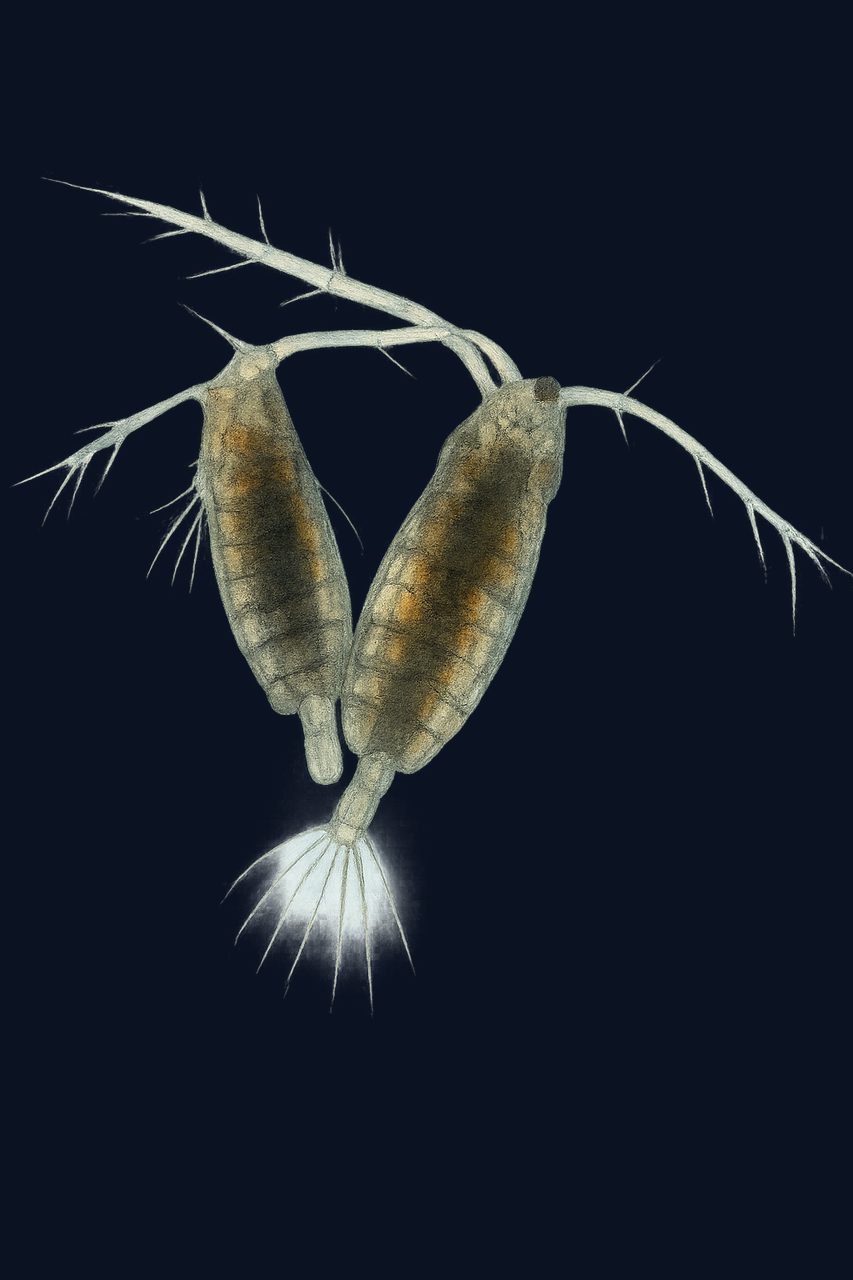
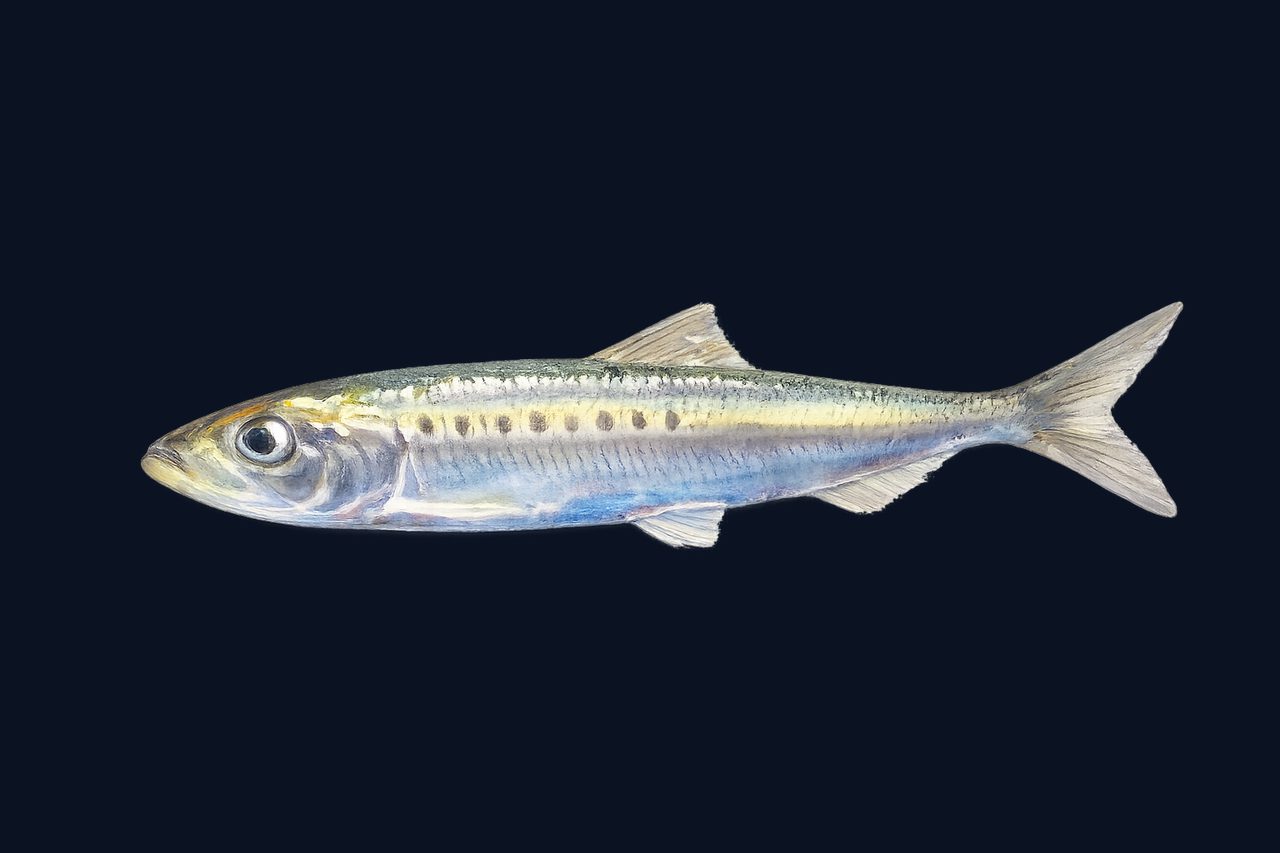
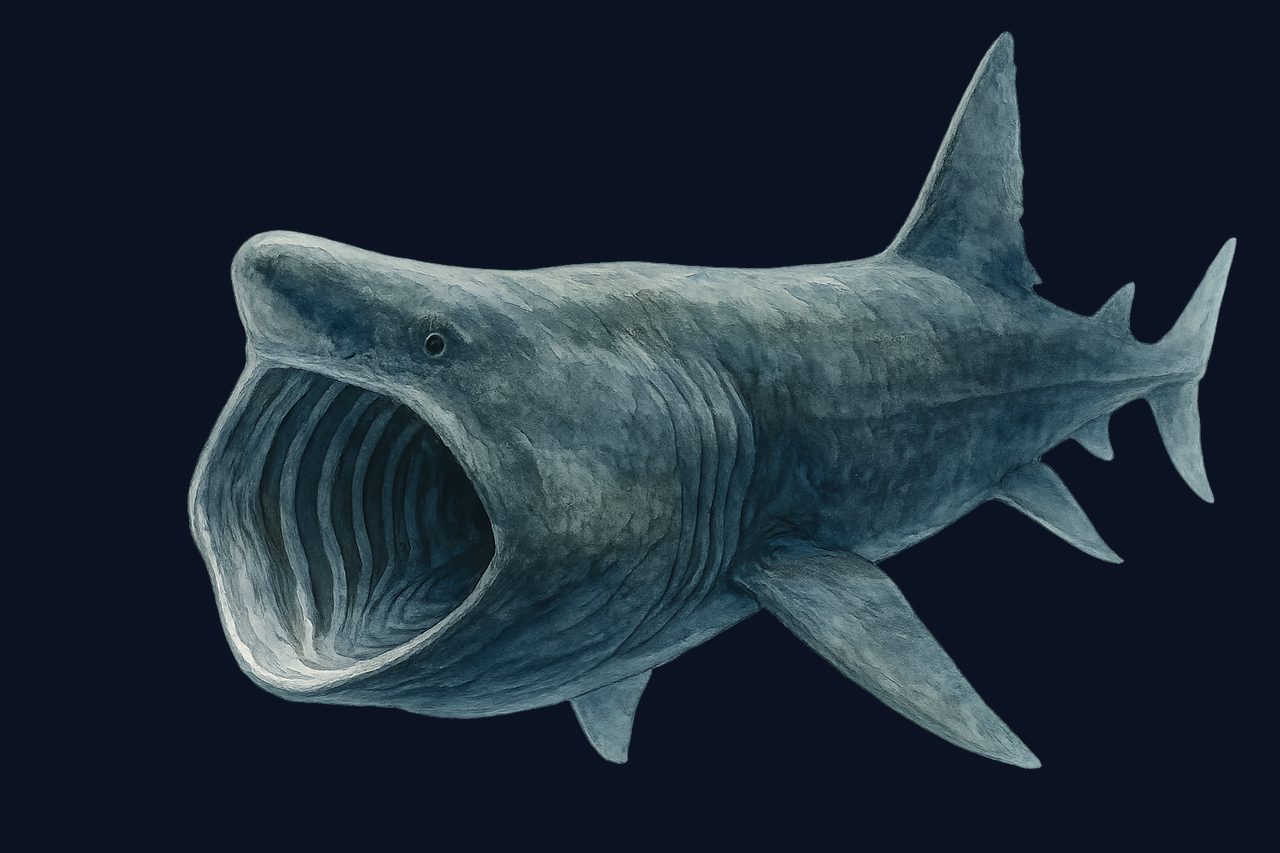
Open the primary producer view and compare this species with related marine life.
FAQ
Why do people grow Chaetoceros calcitrans in aquaculture?
Its tiny size and high nutritional value make it an excellent live food for the larvae of animals such as mussels, oysters and shrimp, so it is commonly cultivated in marine hatcheries.
How small is Chaetoceros calcitrans compared with something we can see?
A cell is only a few micrometres across. Hundreds of cells could fit side by side across the width of a single millimetre.