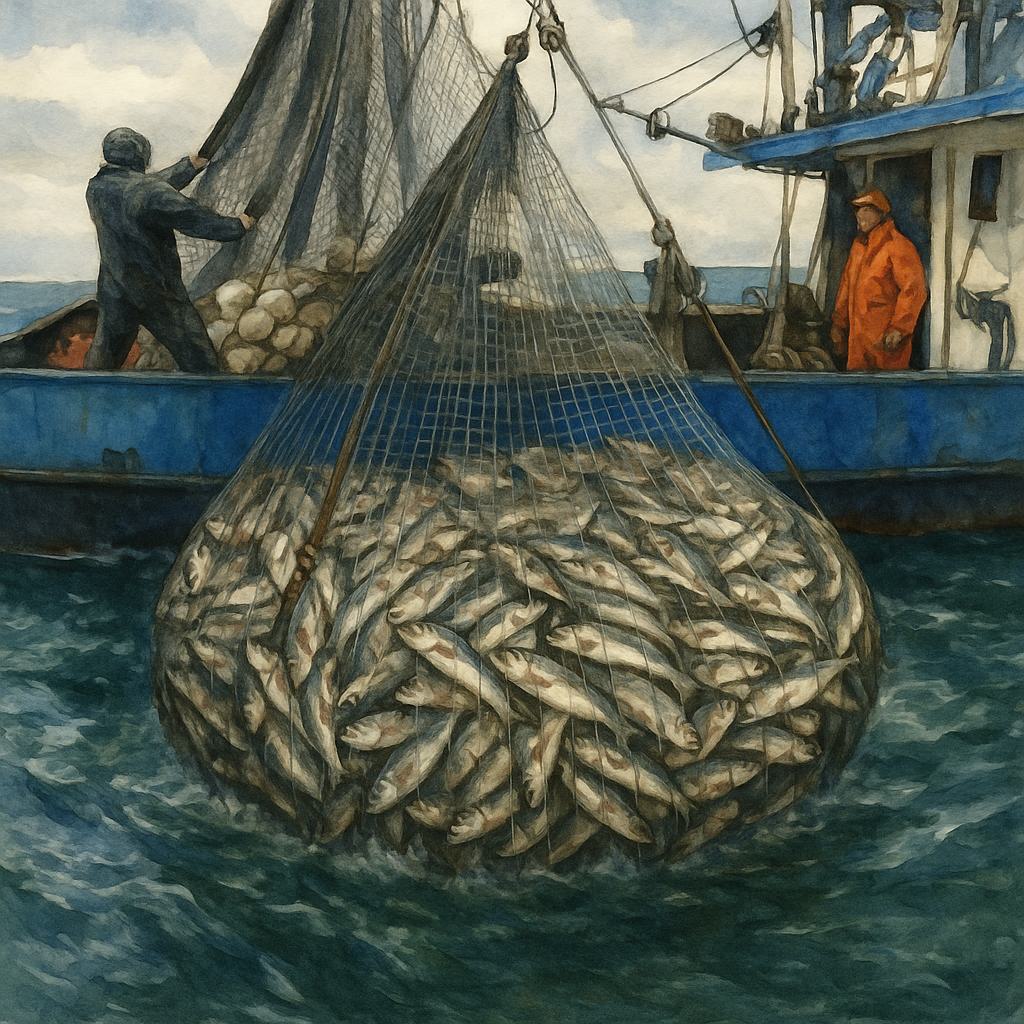
What is the Benguela Current marine ecoregion?
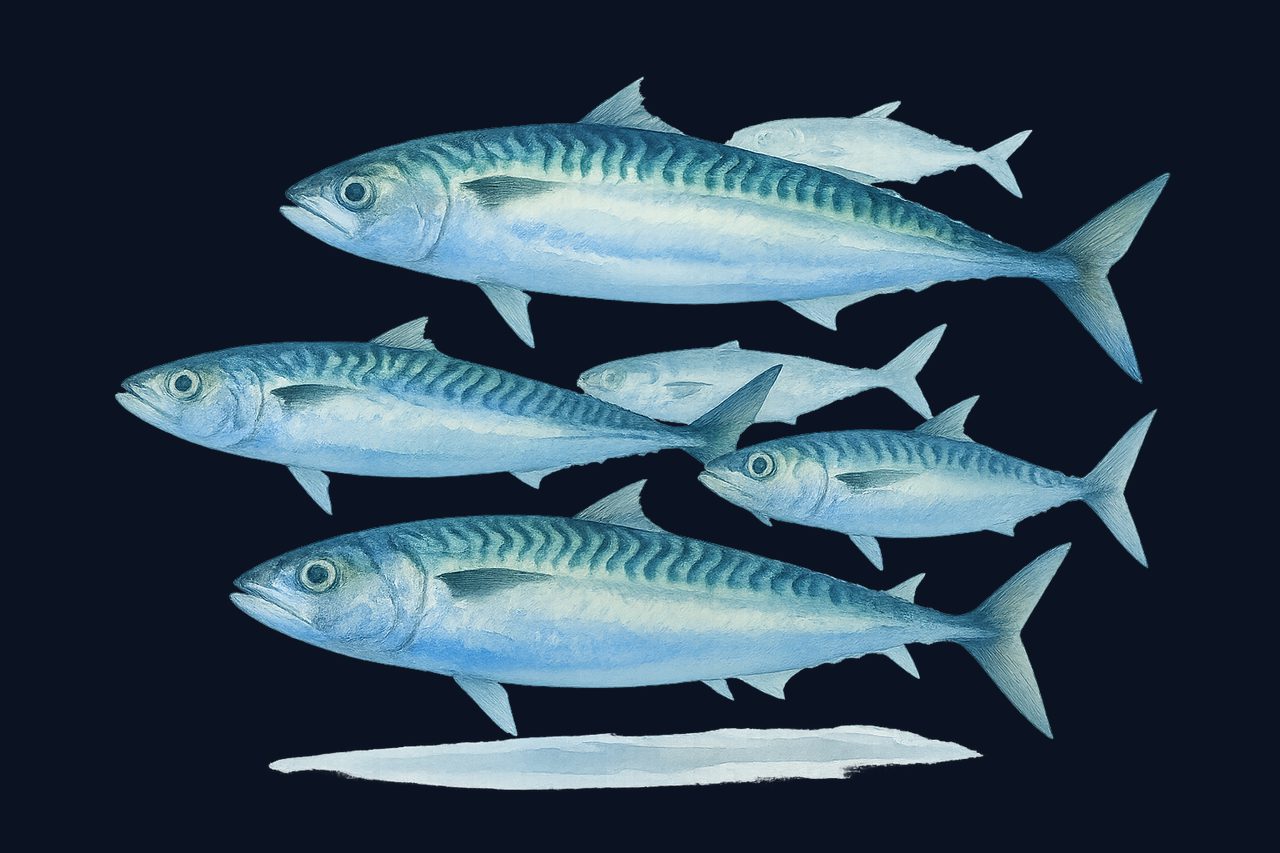
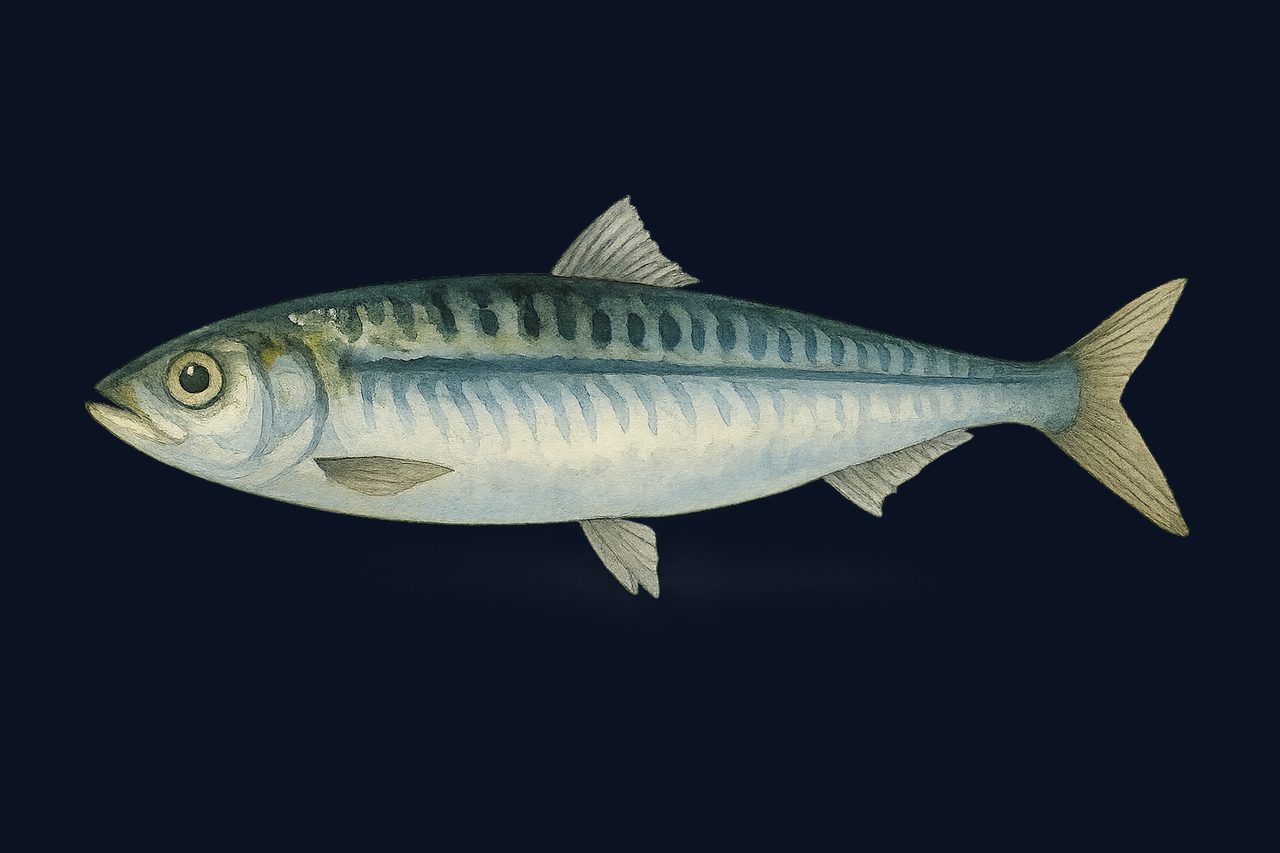
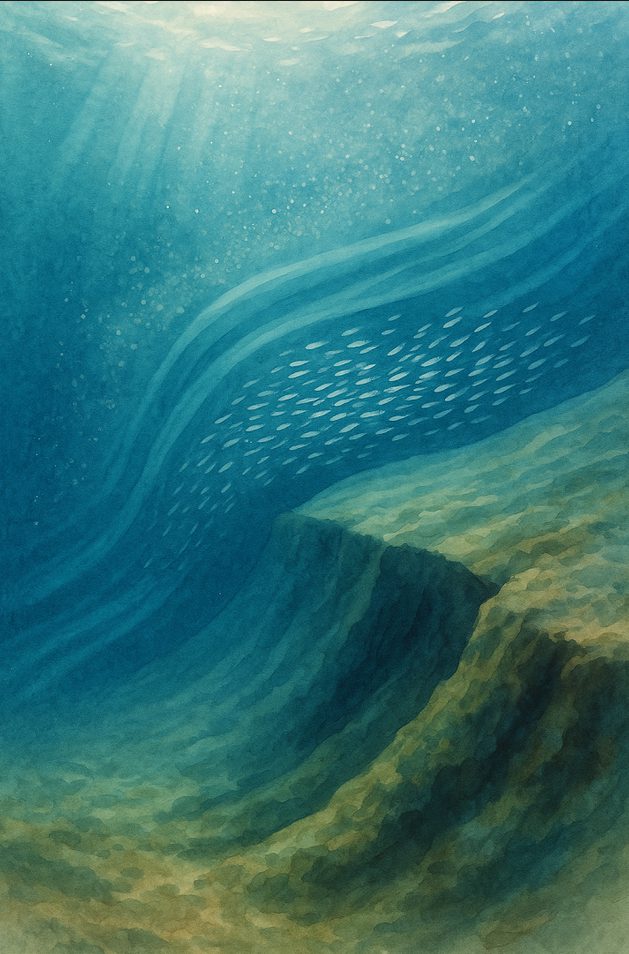
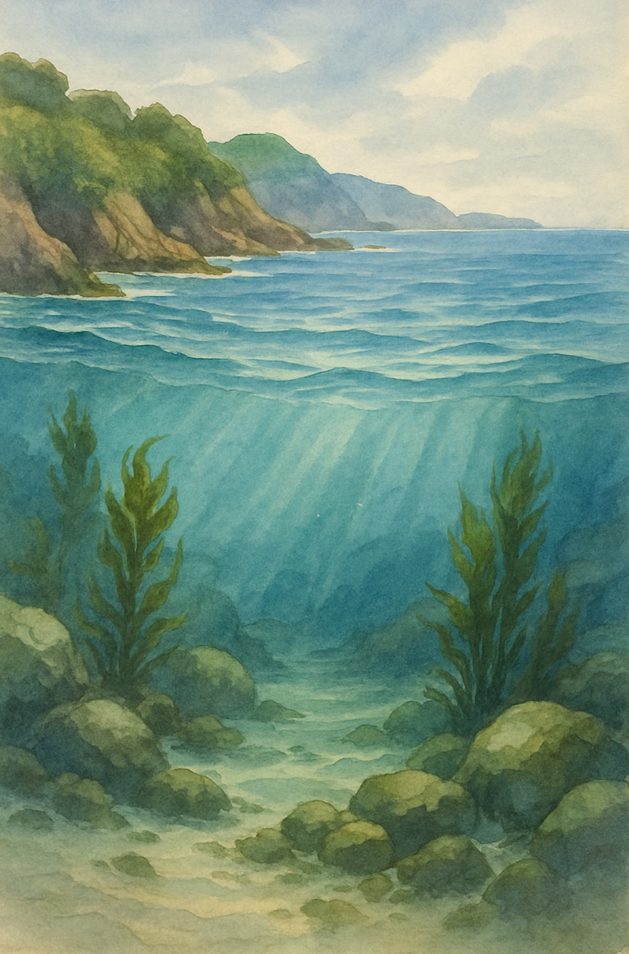
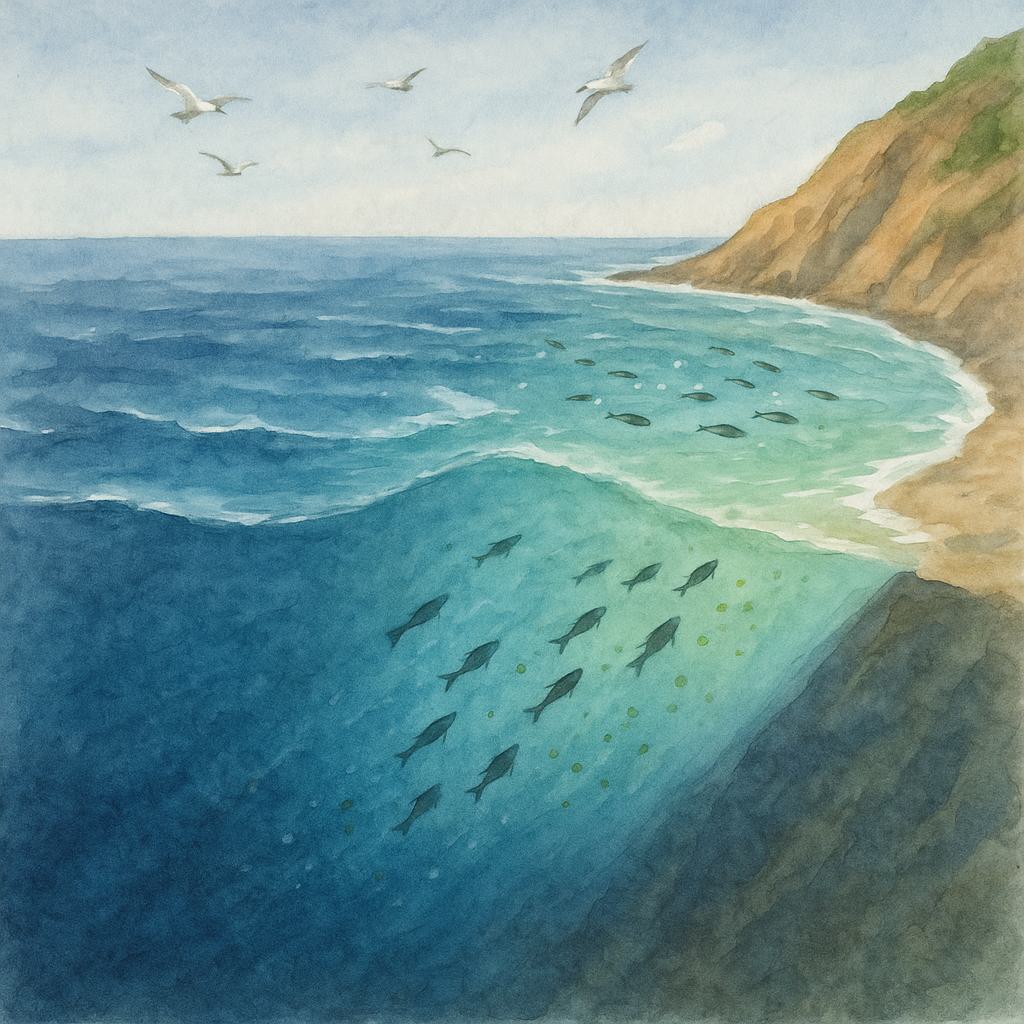
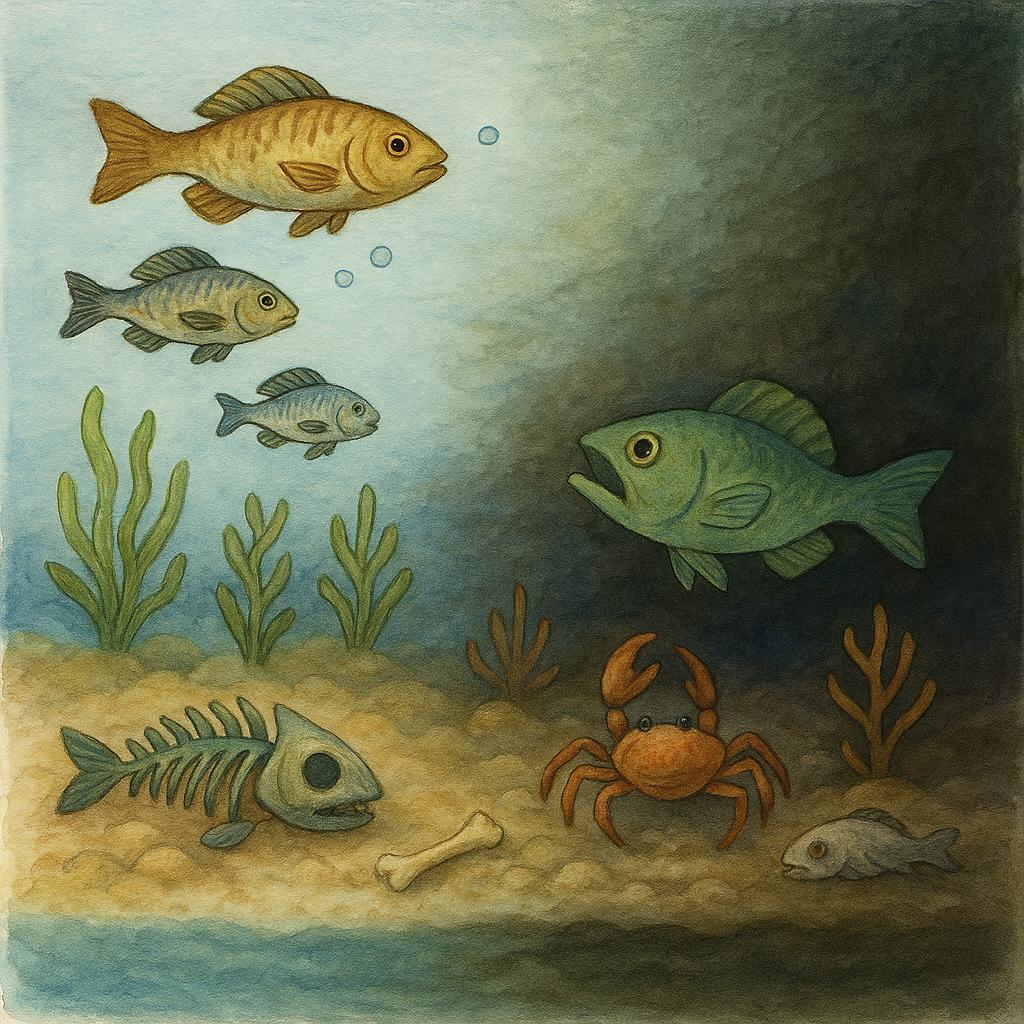
The Benguela Current flows along southwest Africa, bringing cold water up from the deep sea that can be over 3,000 meters deep. This nutrient-rich upwelling fuels massive plankton blooms near the coast. The blooms attract fish, seabirds, and seals, making the area very rich in life. Near shore it is cool and foggy, while offshore the sea is clear but poor in food. Most threatened by recurring Dead Zone (natural hypoxia).
Related video
In context
What it is
The Benguela Current flows along southwest Africa, bringing cold water up from the deep sea that can be over 3,000 meters deep. This nutrient-rich upwelling fuels massive plankton blooms near the coast. The blooms attract fish, seabirds, and seals, making the area very rich in life. Near shore it is cool and foggy, while offshore the sea is clear but poor in food. Most threatened by recurring Dead Zone (natural hypoxia).
Why it matters
The Benguela Current turns deep ocean nutrients into life — feeding plankton, fish, seabirds, seals, and people, while reminding us that even very productive ecosystems can become vulnerable when oxygen runs low.
FAQ
Why is the Benguela Current so productive ?
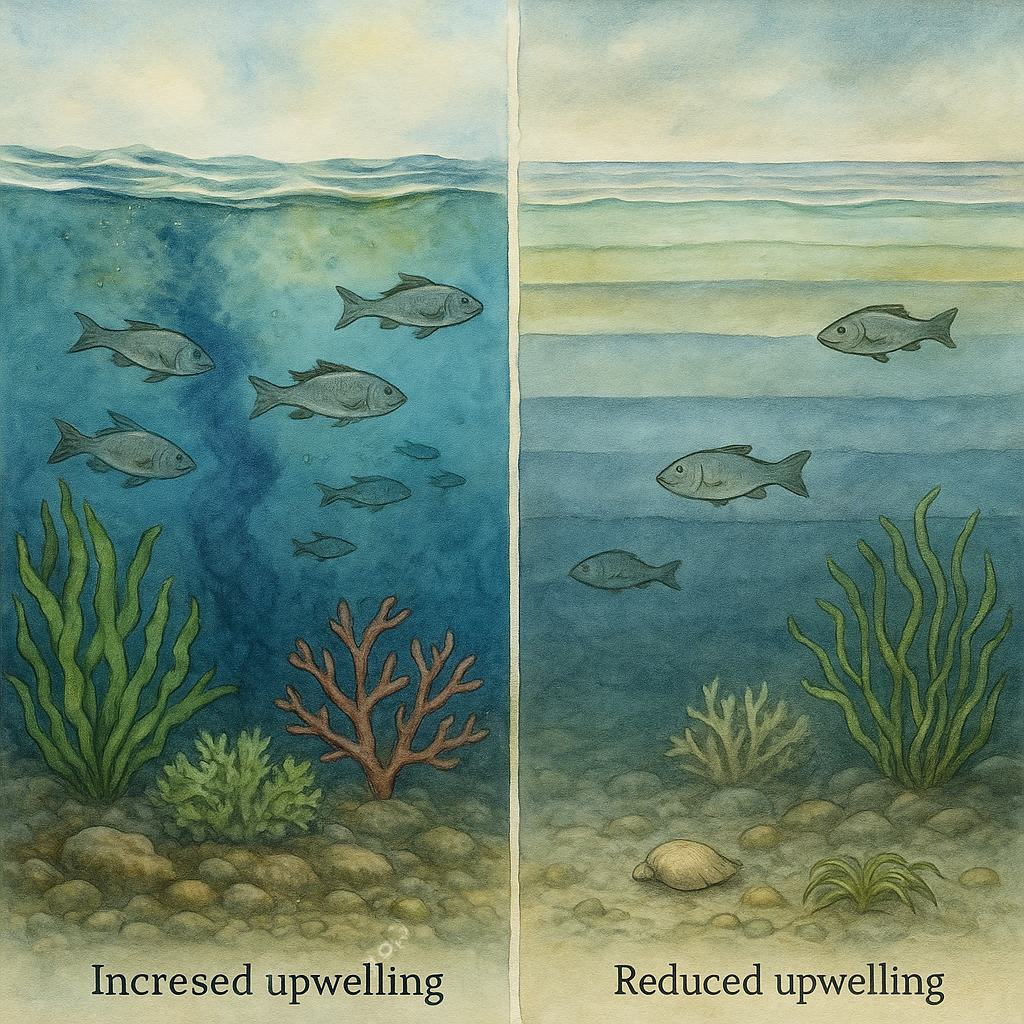
Because winds push surface water away from the coast, allowing cold, nutrient-rich water to rise from the deep ocean. These nutrients feed plankton blooms, which then support fish, seabirds, seals, and other marine life.
Why can such a rich ecosystem have Dead Zones ?
Because the Benguela is extremely productive. Plankton blooms create lots of organic matter, and when this material sinks and decomposes, oxygen is consumed in deeper waters. Parts of the Benguela, especially near the Namibian shelf, naturally have persistent low-oxygen waters, and seasonal changes can make these conditions stronger or bring them closer to the coast.
Ocean Literacy Connections
This resource can be explored through One ocean, many features.
- How do different ocean places belong to one connected system?
Explore and connect
Open the ecoregions view to compare regional boundaries, biodiversity context, and related ocean systems.