Forked diatom
Bacteriastrum furcatum
Bacteriastrum furcatum is a microscopic plant-like organism that drifts in the sunlit surface of the ocean.
Video
About this species
Species identity
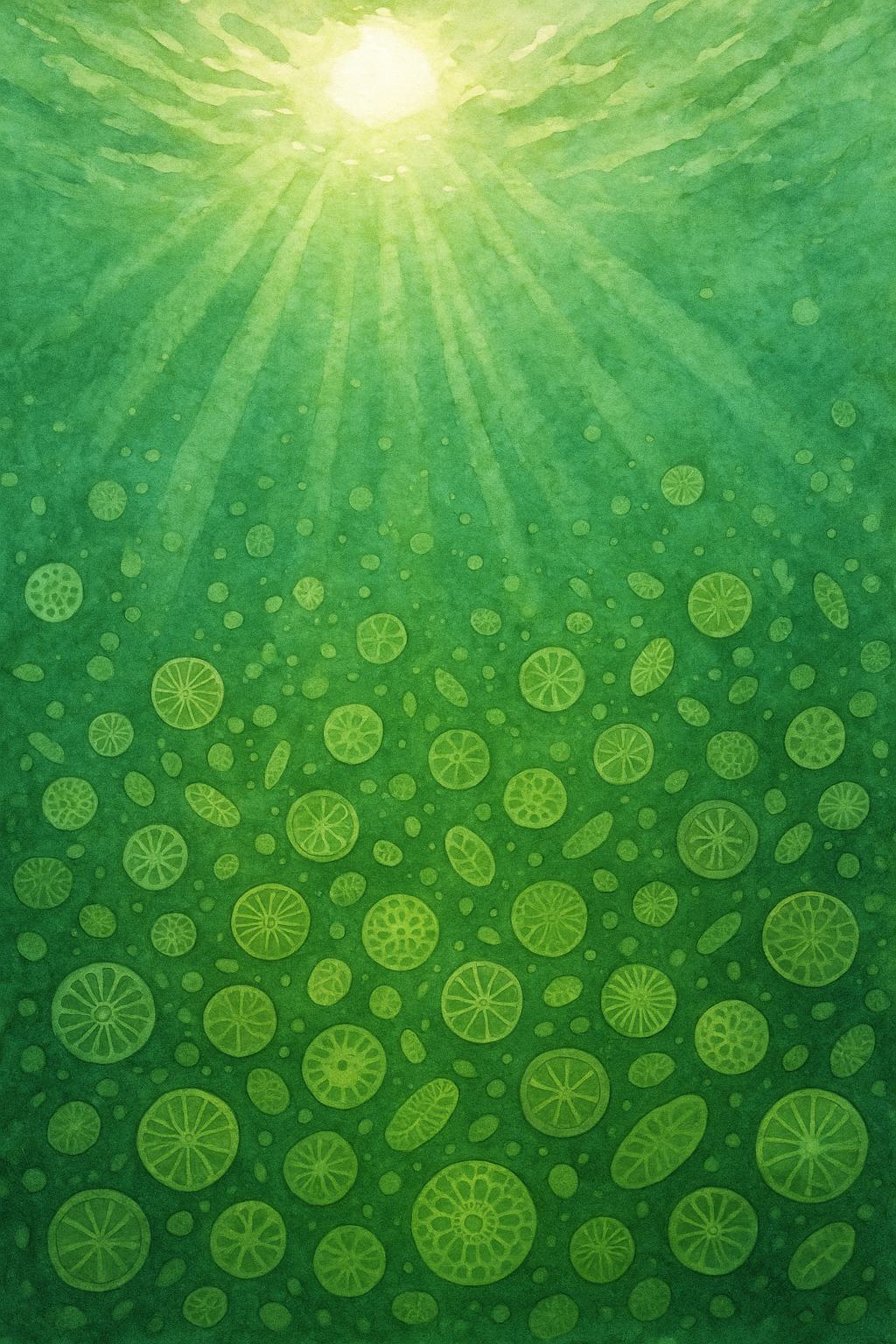
Bacteriastrum furcatum is a microscopic diatom that drifts in the sunlit surface layers of the ocean. Its cells connect in long chains, each with delicate forked spines that help the organism remain suspended in the water. It lives as part of the plankton, moving passively with currents and responding to changing light and nutrient conditions.
Where it lives
Bacteriastrum furcatum is known from temperate and warm parts of the world’s oceans. Plankton monitoring in the Mediterranean Sea, including the northern Adriatic portion of that sea, has recorded members of its genus, indicating that Bacteriastrum furcatum occurs there as well. The species lives in sunlit surface waters where it drifts with the plankton.
Role in the ecosystem
Bacteriastrum furcatum is a photosynthetic diatom that contributes to primary production in sunlit ocean waters, converting carbon dioxide into organic matter and releasing oxygen. It forms part of the base of marine food webs, where it is consumed by zooplankton and supports the transfer of energy to higher trophic levels. Under nutrient-rich conditions, it can participate in phytoplankton blooms that increase local productivity and influence carbon cycling in the ocean.
Scientific reference
Ocean Literacy Connections
This resource can be explored through Ocean biodiversity and Ocean makes life possible.
- How do different ocean conditions create different ecosystems and ways of life?
- How did the ocean help make Earth a place where life could thrive?
Explore and connect
Open the primary producer view and compare this species with related marine life.
FAQ
Can we see Bacteriastrum furcatum in the ocean?
No, individual cells are too small to be seen without a microscope, but when many grow together, they can contribute to plankton blooms that slightly change the color or clarity of the water.
What conditions help Bacteriastrum furcatum grow?
It grows best in sunlit waters where nutrients such as nitrogen and phosphorus are available, conditions that often occur during seasonal mixing or upwelling in the ocean.