Copepod
Paracalanus parvus
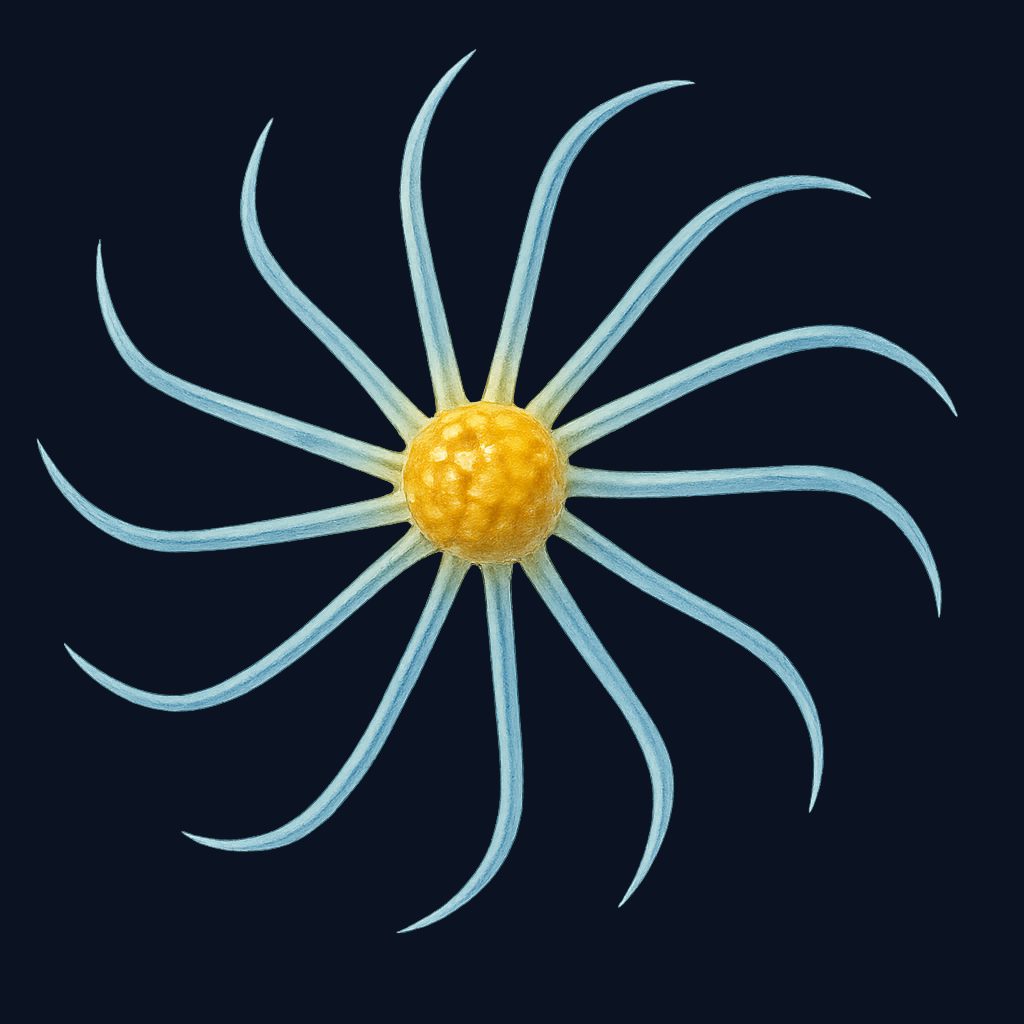
Paracalanus parvus is a tiny crustacean that drifts in the upper layers of the ocean.
Video
About this species
Species identity
Paracalanus parvus is a small marine copepod, a type of microscopic crustacean that lives as part of the zooplankton. It inhabits surface and near-surface waters, where it moves through the water using rhythmic beating of its antennae. Its transparent body and small size help it remain suspended and less visible to predators.
Where it lives
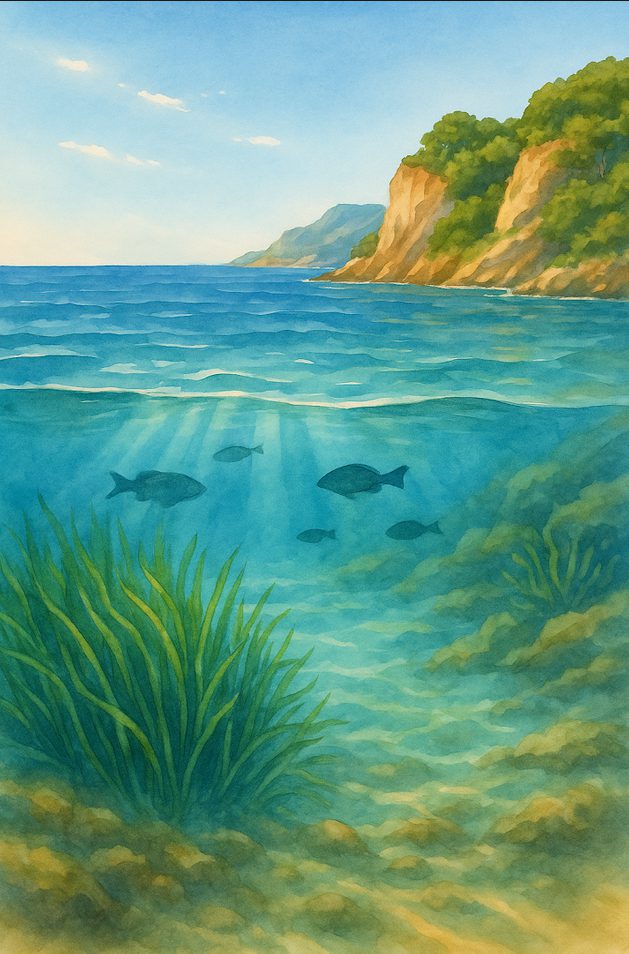
Paracalanus parvus is found in oceans around the world.
It occurs in most marine regions and is considered nearly cosmopolitan, meaning it lives across many parts of the global ocean.
It has not been recorded in Arctic waters.
Some reported records from the Indian Ocean and the Pacific Ocean still need confirmation, meaning scientists continue to verify exactly where this species occurs.
Role in the ecosystem
Paracalanus parvus is a grazer that feeds on phytoplankton and small particles, contributing to the transfer of primary production to higher trophic levels. It forms an important part of the marine food web, serving as prey for fish larvae and other small predators. Through its feeding and waste production, it also contributes to nutrient recycling and the movement of organic matter in the ocean.
Scientific reference
Citation
Ocean Literacy Connections
This resource can be explored through Ocean biodiversity and One ocean, many features.
- How do different ocean conditions create different ecosystems and ways of life?
- How do different ocean places belong to one connected system?
Explore and connect
Open the primary consumer view and compare this species with related marine life.

FAQ
Is Paracalanus parvus important for fish populations?
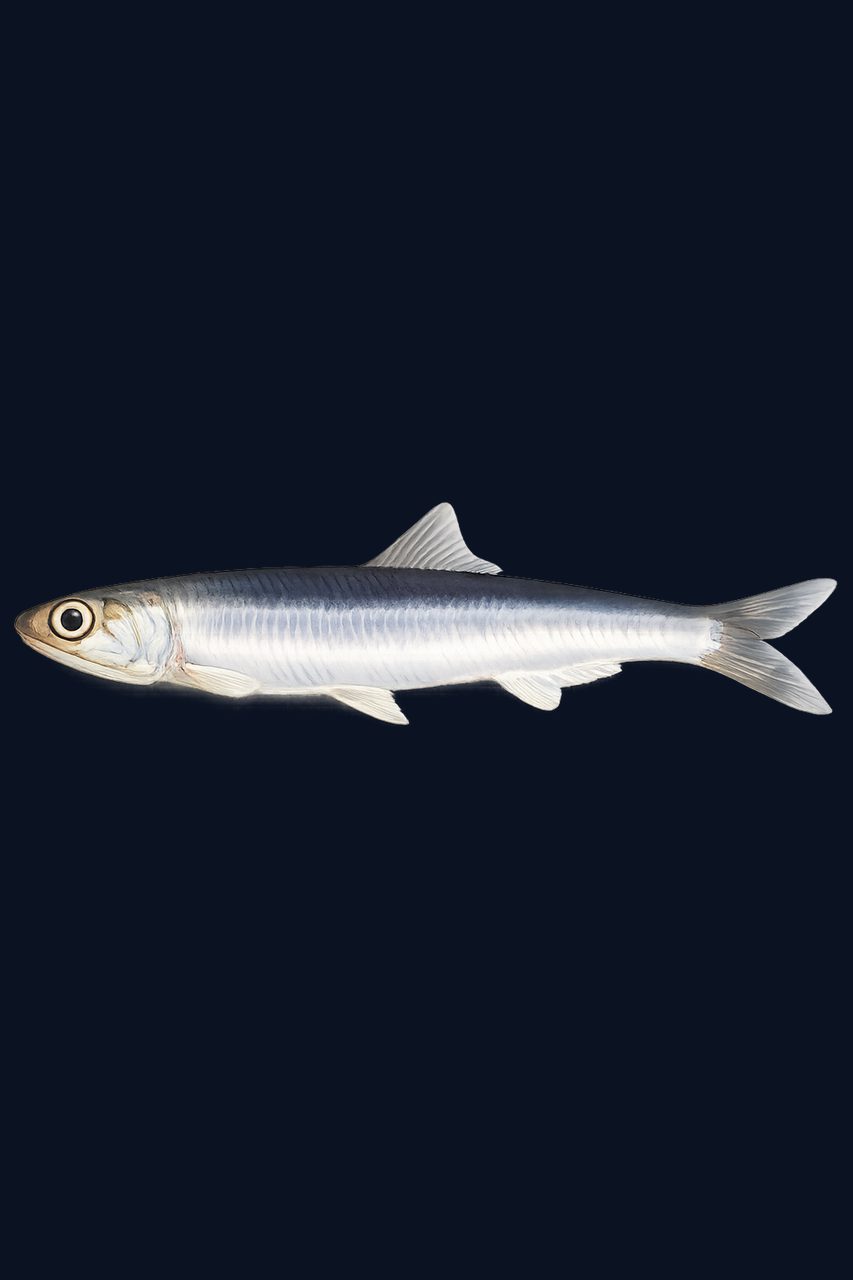
Yes, it is a common food source for many fish larvae, making it an important link between microscopic plankton and larger marine animals, especially during early life stages of fish.
How does Paracalanus parvus move in the water?
It swims by beating its antennae in a coordinated way, allowing it to make small jumps and control its position in the water column.