European anchovy
Engraulis encrasicolus
Engraulis encrasicolus was first described in 1758 by Carl Linnaeus under the name Clupea encrasicolus.
Video
About this species
Species identity
Engraulis encrasicolus is a small pelagic fish, commonly known as the European anchovy, that typically grows to about 10–15 cm in length. It lives in coastal and shelf waters, where it forms large, mobile schools in the upper layers of the ocean. Its slender, silvery body and large mouth are adapted for filtering small particles from the surrounding water.
Where it lives
The European anchovy lives in temperate and warm waters of the eastern Atlantic Ocean. It is common along the coasts of Europe and northwest Africa, and it is widespread in the Mediterranean and Black Sea.
It also occurs in the North Sea and even reaches into parts of the Baltic Sea, where waters are cooler and less salty.
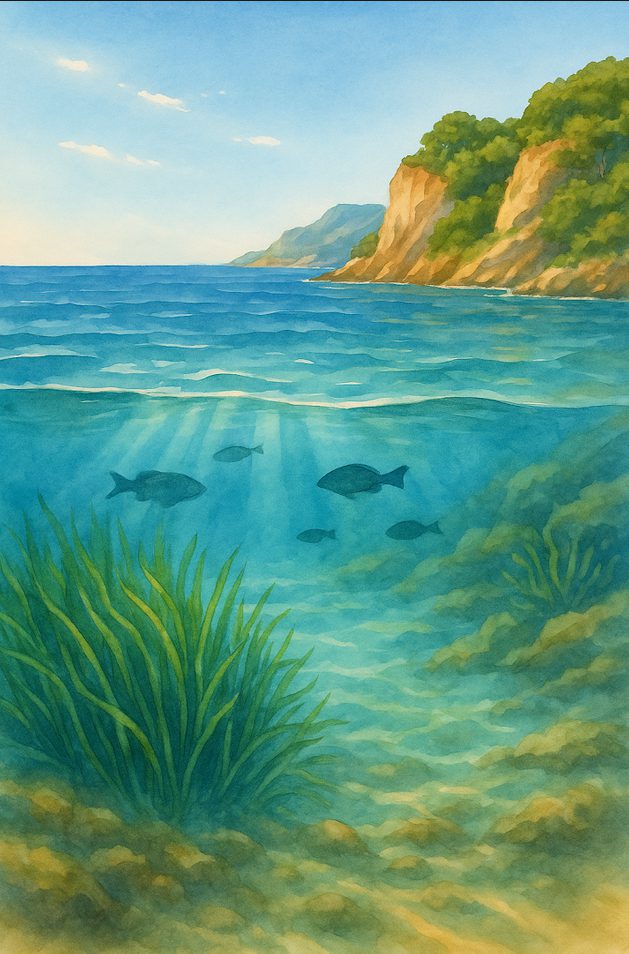
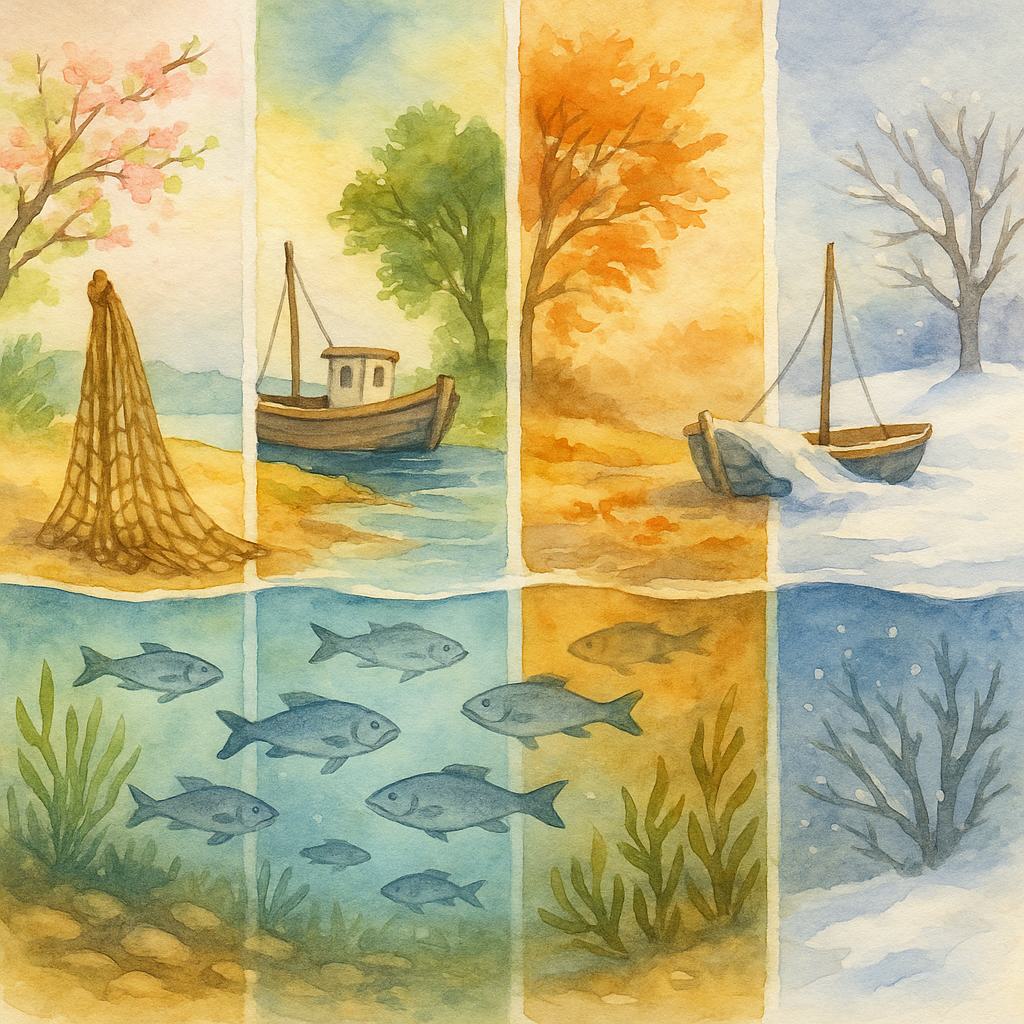
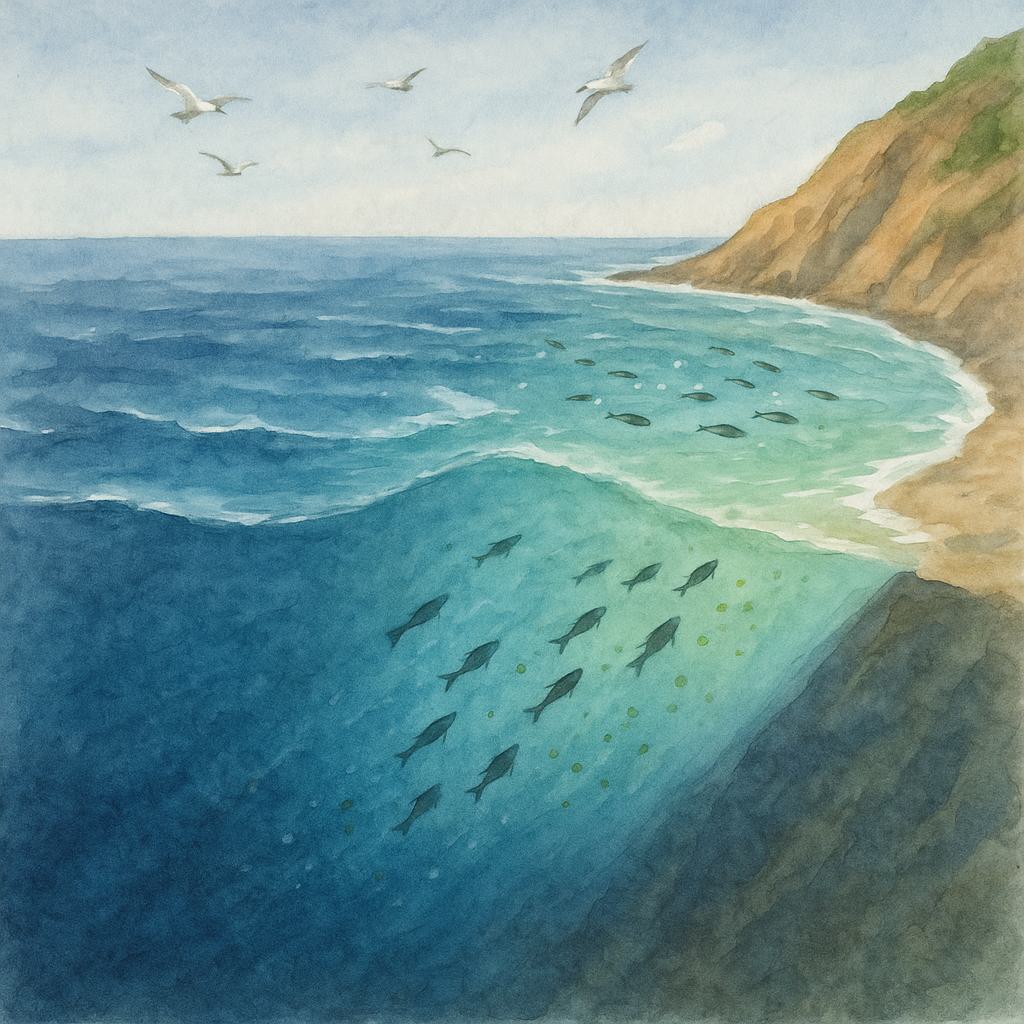
This species prefers coastal and shelf waters where plankton is plentiful. It often gathers in large schools in productive areas influenced by currents, river outflow, or seasonal plankton blooms.
Role in the ecosystem
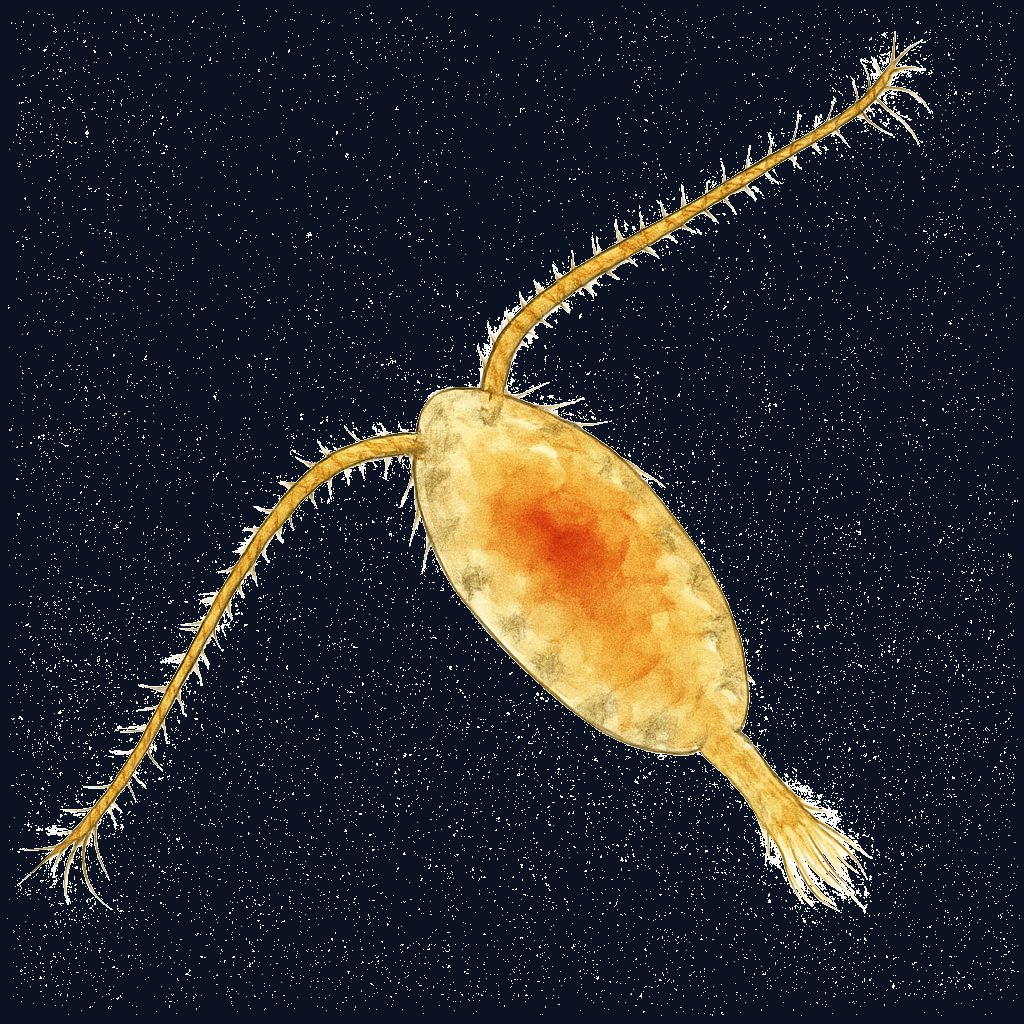
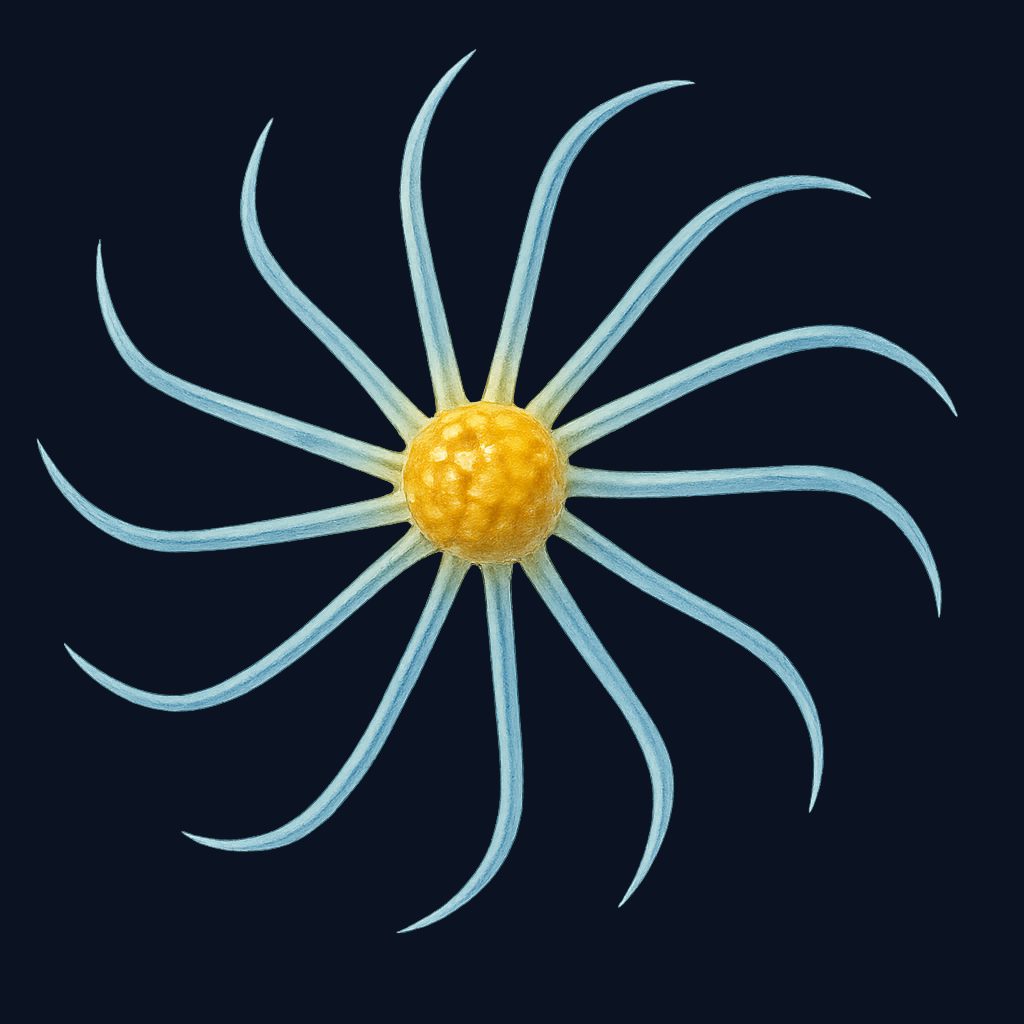
Engraulis encrasicolus is a planktivorous fish that feeds mainly on zooplankton and small phytoplankton, linking lower trophic levels to larger predators. It is a key component of the marine food web, serving as prey for fish, seabirds, and marine mammals. Its large populations can strongly influence energy transfer and ecosystem dynamics in productive coastal systems.
Scientific reference
Citation
Ocean Literacy Connections
This resource can be explored through Ocean biodiversity and Ocean and humans.
- How do different ocean conditions create different ecosystems and ways of life?
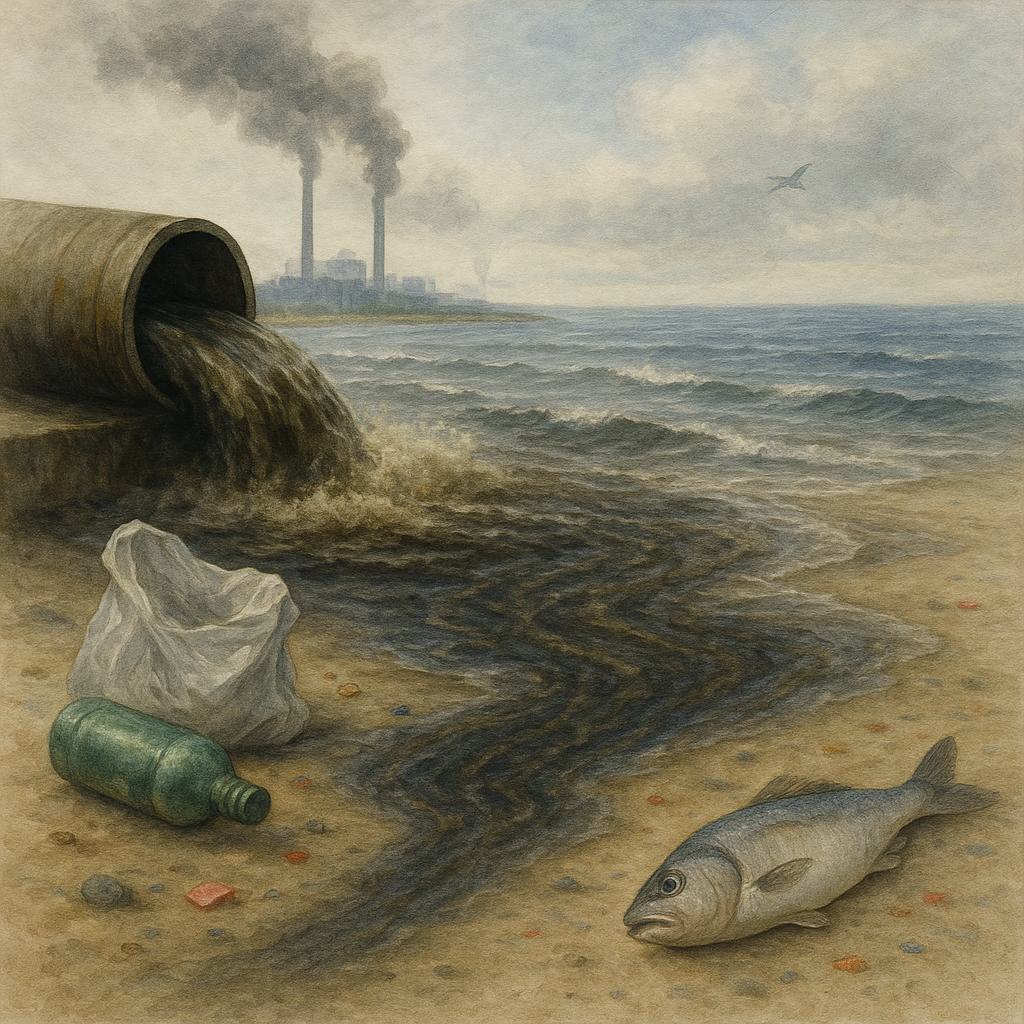
- How does the ocean affect our lives, and how do our choices affect the ocean?
Explore and connect
Open the species distribution layer to compare this range with ocean basins, ecosystems, and related marine context.
FAQ
Why do European anchovies form large schools?
Schooling helps reduce the risk of predation and improves efficiency in finding food, as individuals can respond quickly to changes in their environment.
Are European anchovies important for humans?
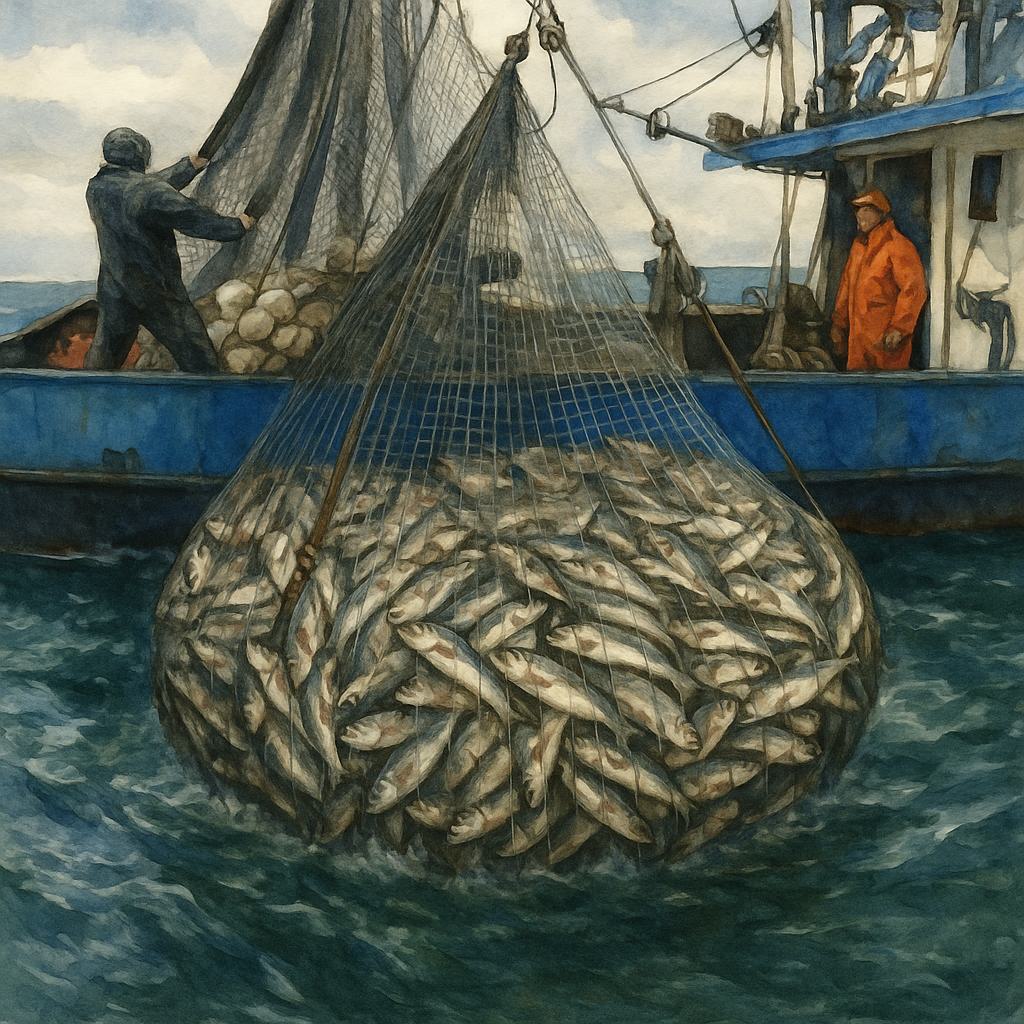
Yes, they are widely fished and consumed, making them an important species for fisheries and coastal economies, particularly in the Mediterranean and adjacent regions.