Chain diatom
Chaetoceros spp
Planktonic diatoms that form chains of cells linked by four long, hollow spines called setae.
Video
About this species
Species identity
Chaetoceros spp. are microscopic diatoms, typically a few to tens of micrometers in size, that live as part of the phytoplankton. They inhabit sunlit surface waters and often form long chains of cells. Each cell has thin, hair-like spines made of silica that help the chains remain suspended and influence how they interact with the surrounding water.
Where it lives
Chaetoceros species are found in oceans worldwide and are among the most widespread groups of marine phytoplankton. They occur in polar, temperate, and tropical regions, from coastal zones to open ocean waters.
They are most abundant in sunlit surface layers where light supports photosynthesis.
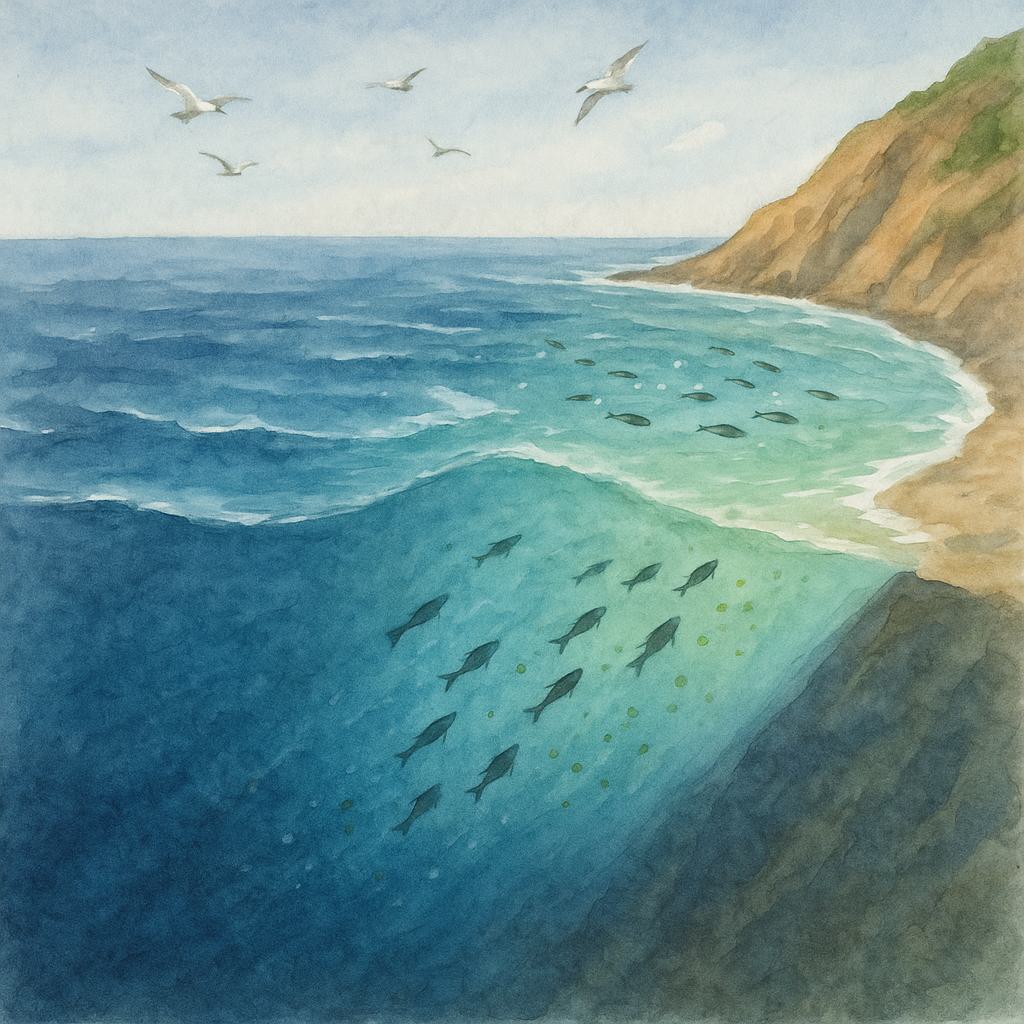
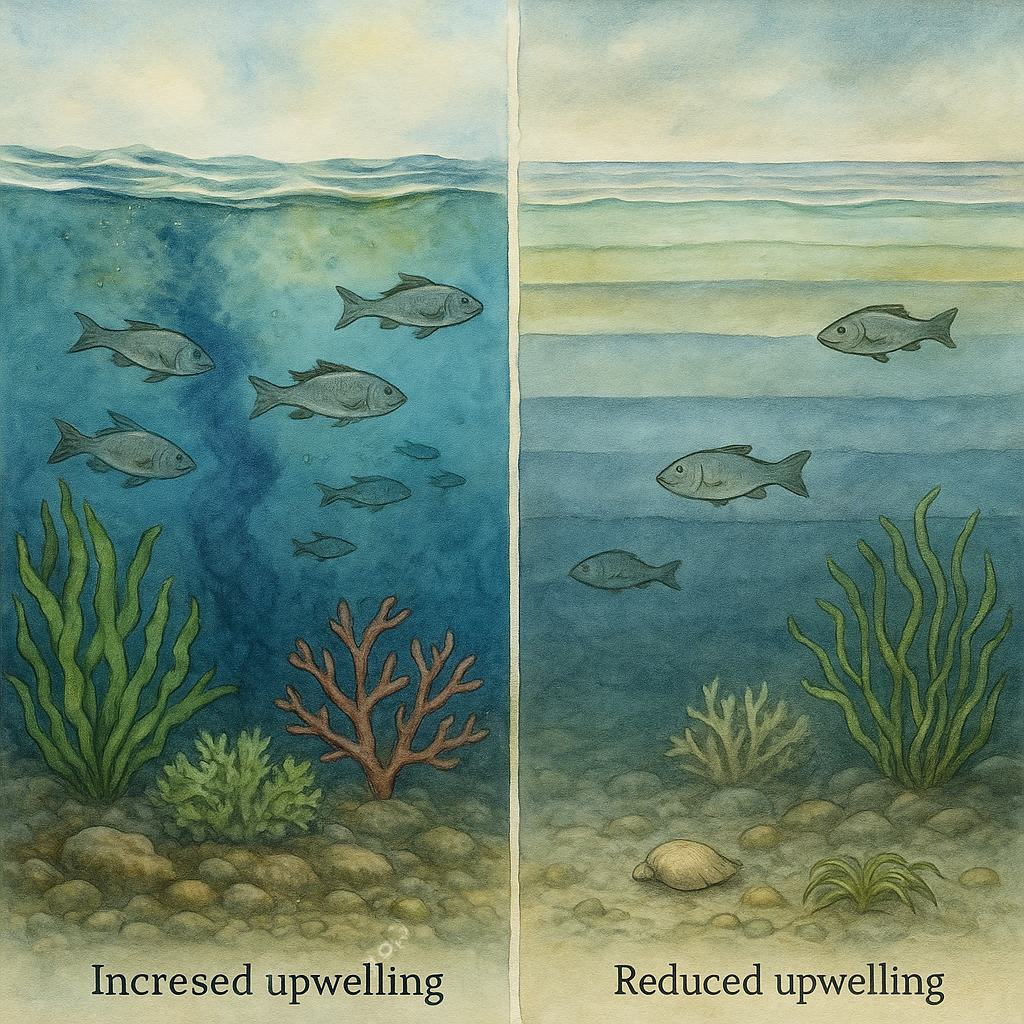
These diatoms often dominate in nutrient-rich environments, such as areas influenced by upwelling, river input, or seasonal mixing.
Role in the ecosystem
Chaetoceros spp. contribute to primary production by converting carbon dioxide into organic matter using sunlight. They form a major part of the base of the marine food web and are consumed by zooplankton, supporting higher trophic levels. Their rapid growth during favorable conditions can drive phytoplankton blooms that enhance productivity and play an important role in carbon cycling.
Scientific reference
Citation
Ocean Literacy Connections
This resource can be explored through Ocean biodiversity, Ocean makes life possible and Ocean and climate.
- How do different ocean conditions create different ecosystems and ways of life?
- How did the ocean help make Earth a place where life could thrive?
- What ocean processes help shape weather and climate?
Explore and connect
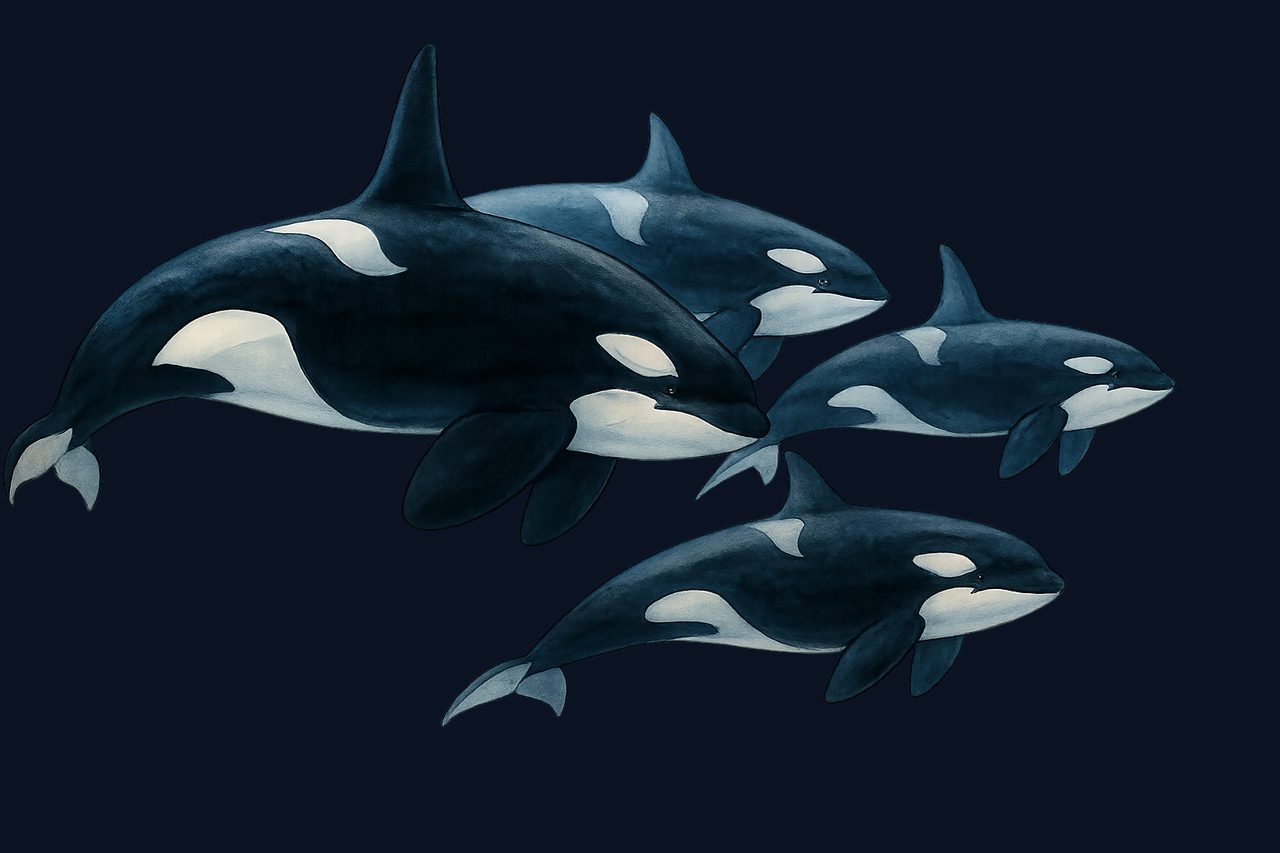
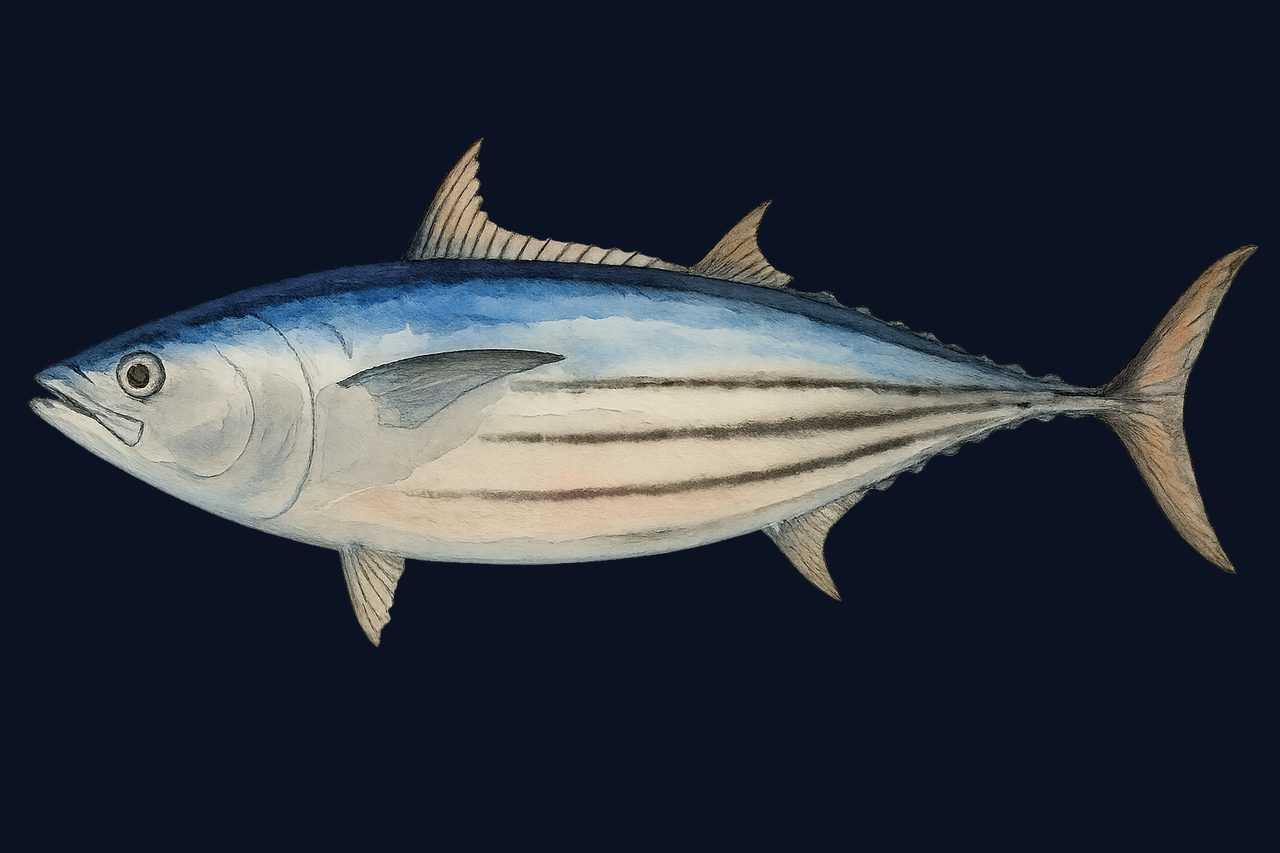
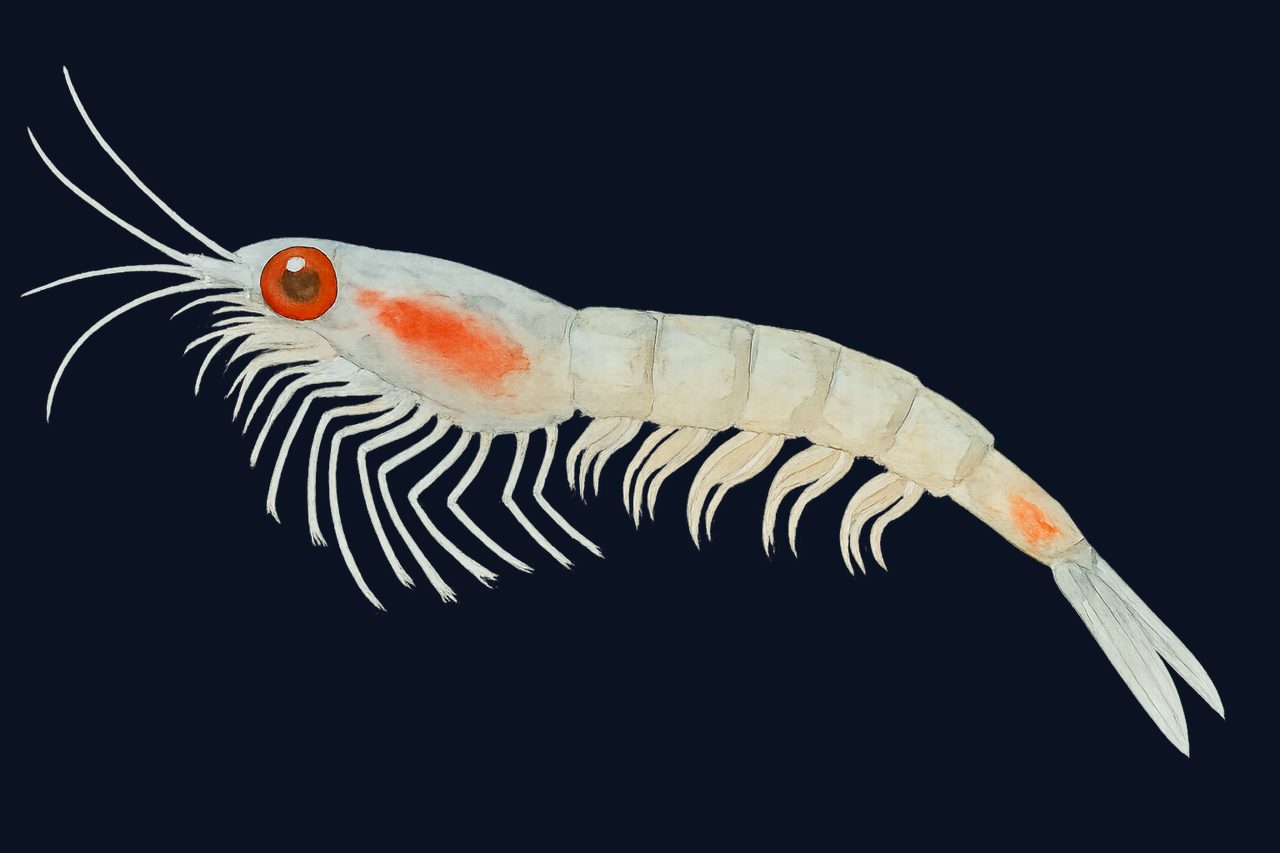
Open the primary producer view and compare this species with related marine life.
FAQ
Why do Chaetoceros species have long spines?
The spines increase drag and help the cells remain suspended in the water column, reducing sinking and improving access to light in surface waters.
Can Chaetoceros form harmful algal blooms?
Most species are not harmful, but some can form very dense blooms that may affect marine organisms, for example by clogging fish gills under certain conditions.
Why can Chaetoceros species form brown-yellow blooms in the ocean?
Chaetoceros species contain chlorophyll for photosynthesis, but they also have a pigment called fucoxanthin. Fucoxanthin gives the cells a golden-brown color, so when large blooms form, the water can appear brown or yellow instead of green.