Southern krill
Euphausia lucens
It is a type of small crustacean known for its bioluminescence.
Video
About this species
Species identity
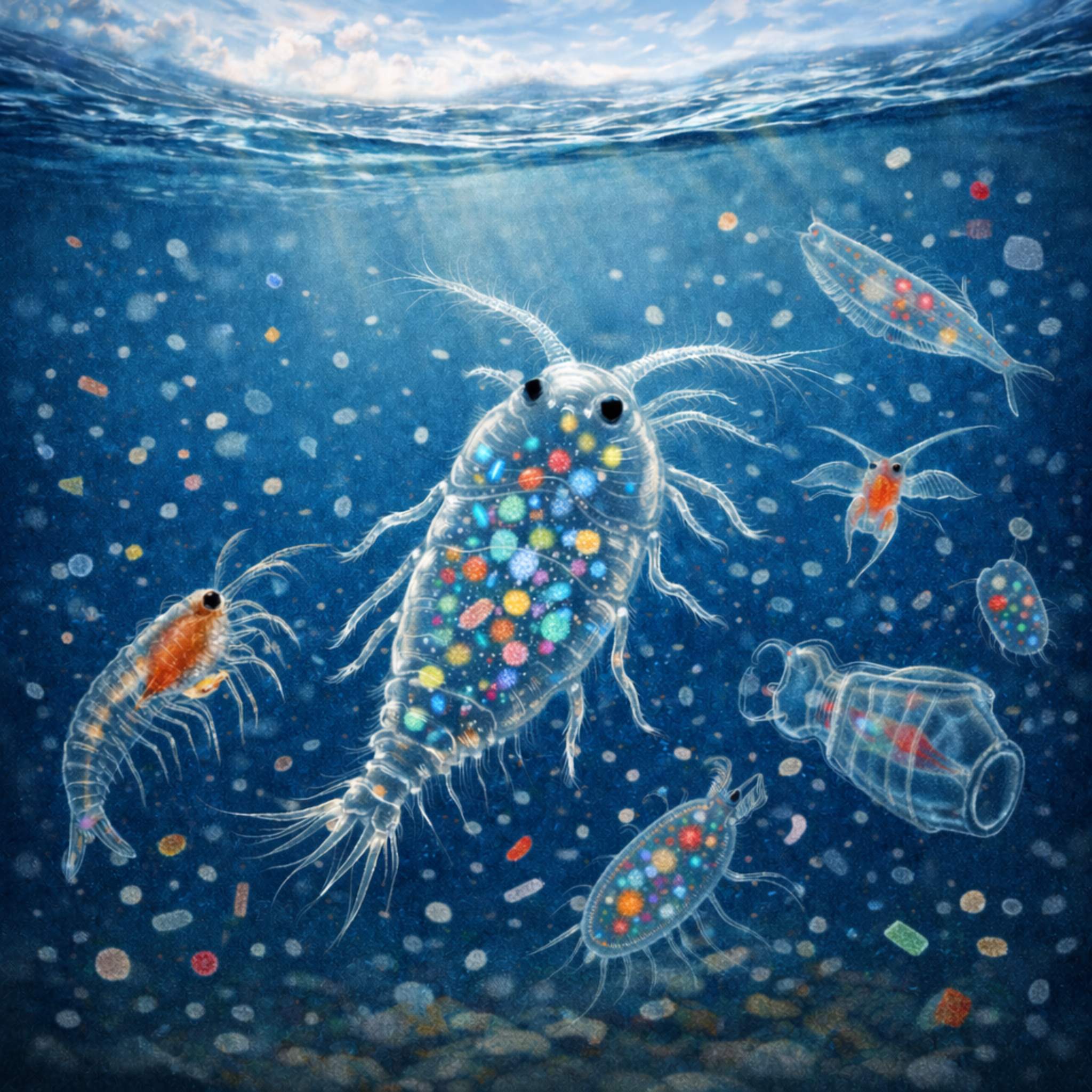
Euphausia lucens is a small shrimp-like crustacean known as krill, typically reaching about 1–2 cm in length. It lives in the water column and swims actively using its thoracic legs, often forming dense swarms. Its semi-transparent body and light-producing organs are characteristic features of many krill species.
Where it lives
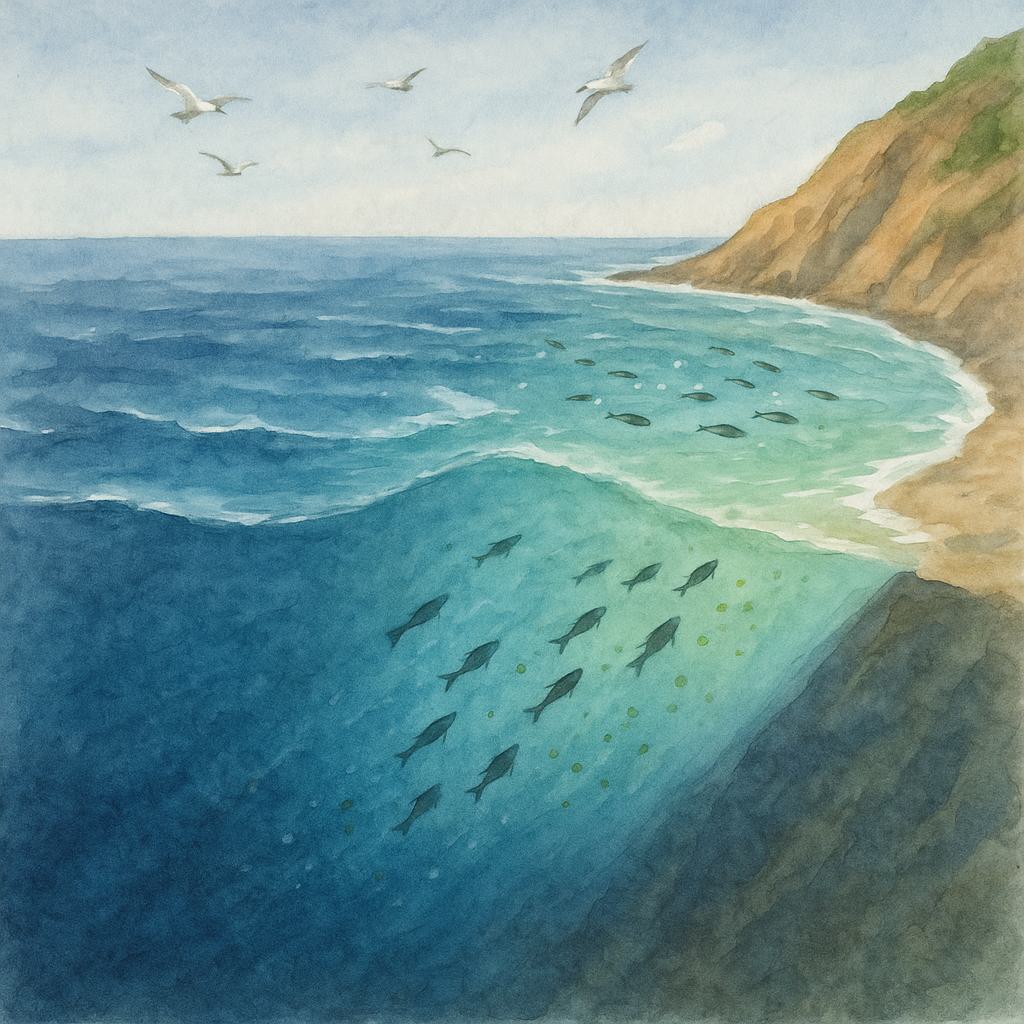
Euphausia lucens is found in the Southern Hemisphere, spanning the Atlantic, Indian and Pacific Oceans. It occurs mainly in coastal and shelf waters, where nutrient-rich conditions support high plankton productivity.
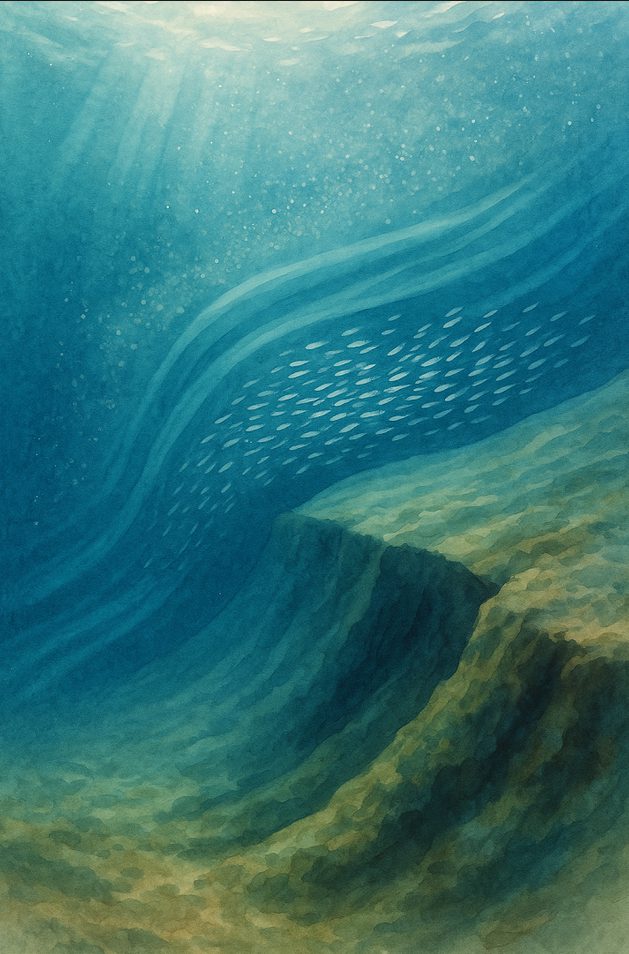
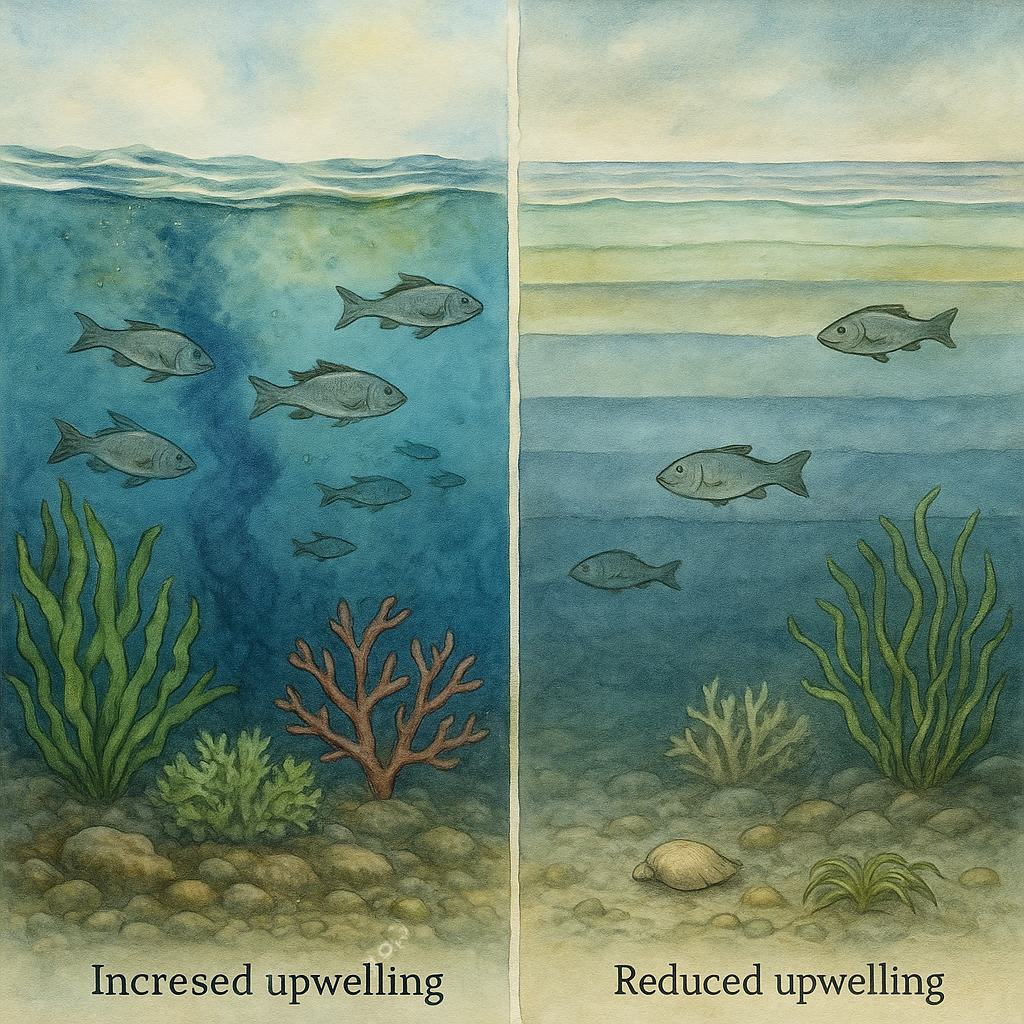
This species often concentrates in areas influenced by upwelling and can form large aggregations in productive zones.
Role in the ecosystem
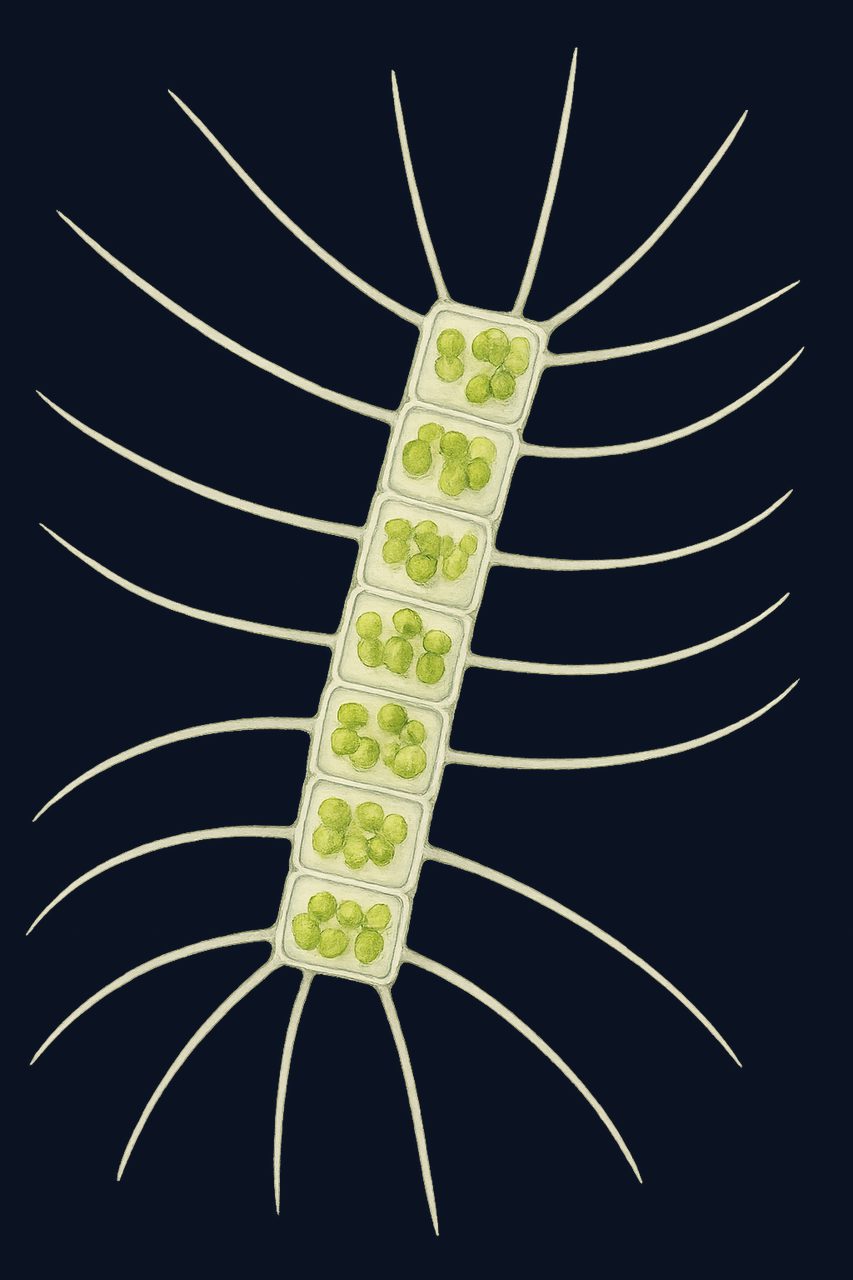
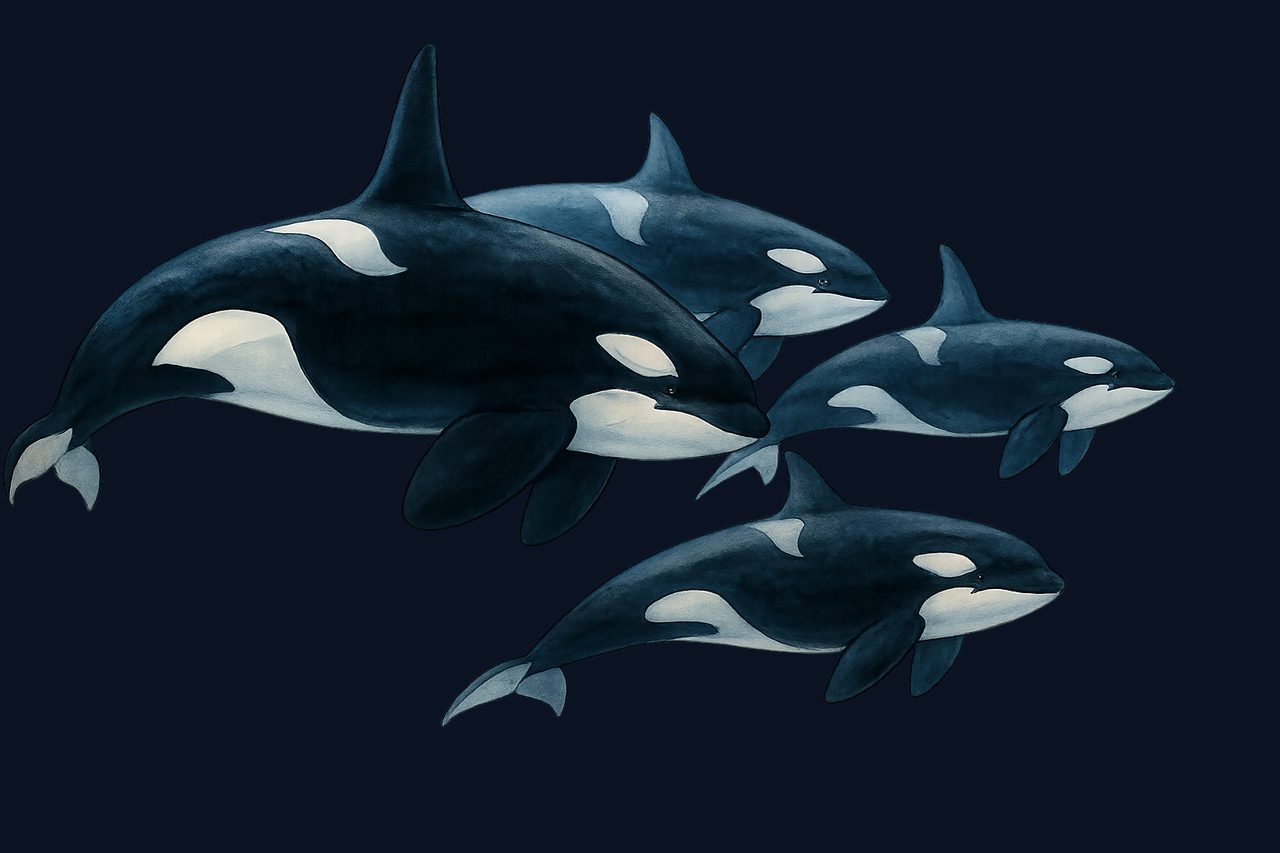
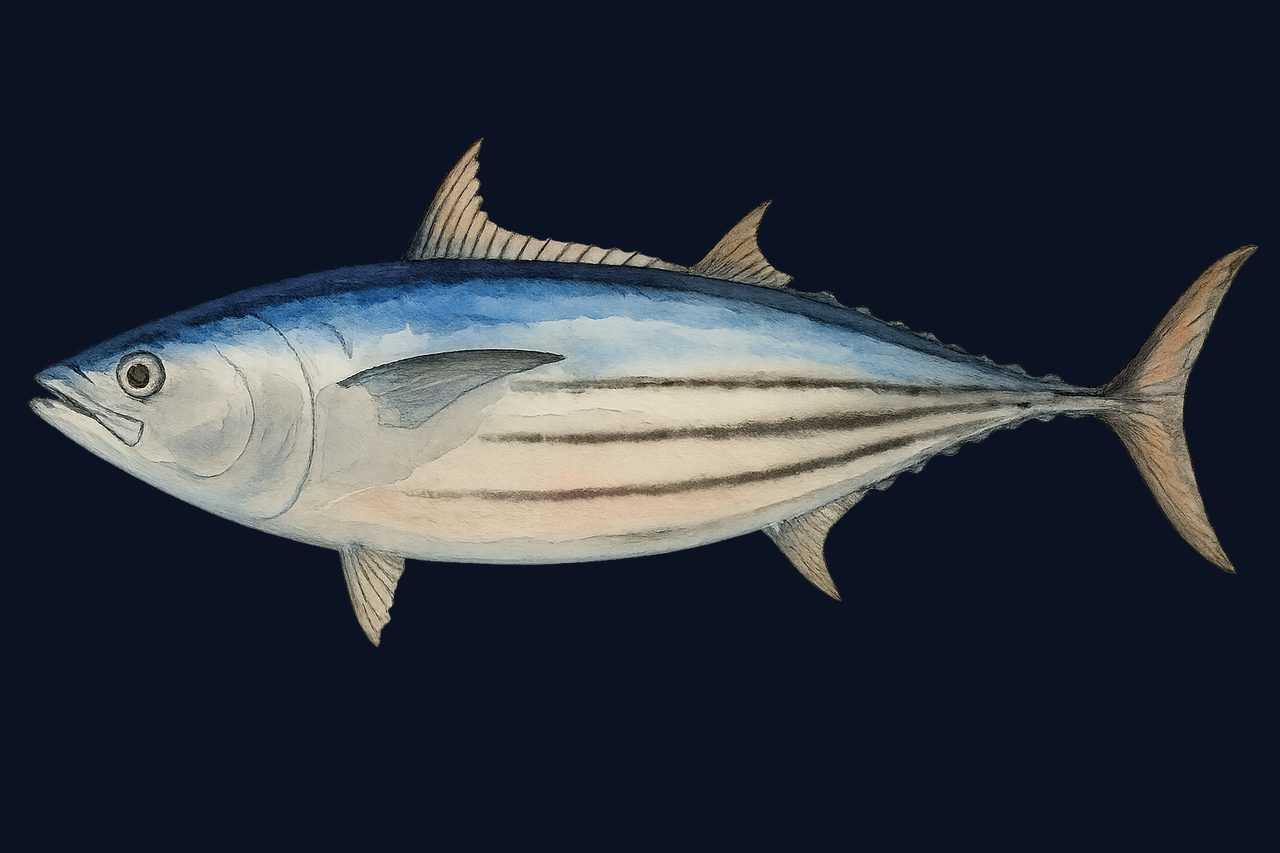
Euphausia lucens is a key grazer that feeds on phytoplankton and small particles, transferring primary production to higher trophic levels. It is an important component of the marine food web, serving as prey for fish, seabirds, and marine mammals. Through its feeding and vertical movements, it contributes to nutrient recycling and the transport of organic matter in the ocean.
Scientific reference
Citation
Ocean Literacy Connections
This resource can be explored through Ocean biodiversity.
- How do different ocean conditions create different ecosystems and ways of life?
Explore and connect
Open the primary consumer view and compare this species with related marine life.
FAQ
Does Euphausia lucens produce light?
Yes, like many krill species, it has light-producing organs called photophores that can emit bioluminescence, although the exact function may include communication or predator avoidance.
Why do Euphausia lucens form swarms?
Swarming behavior helps reduce predation risk and can improve feeding efficiency, as individuals remain in areas with high concentrations of food.