Tropical flyingfish
Exocoetus volitans
Commonly know as tropical two-wing flyingfish, this fish has large wing-like pectoral fins that allow it to glide above the water for short distances. Its streamlined body and silvery color help it swim quickly and escape predators in the open ocean.
Video
About this species
Species identity
Commonly know as tropical two-wing flyingfish, this fish has large wing-like pectoral fins that allow it to glide above the water for short distances. Its streamlined body and silvery color help it swim quickly and escape predators in the open ocean.
Where it lives
It is found in tropical and subtropical oceans ncluding the western Mediterranean Sea and part of the Caribbean Sea. It lives in the warm surface waters of the open ocean, far from the coast. This species is commonly seen in areas with warm currents, where it often travels in small groups near the surface.
Role in the ecosystem
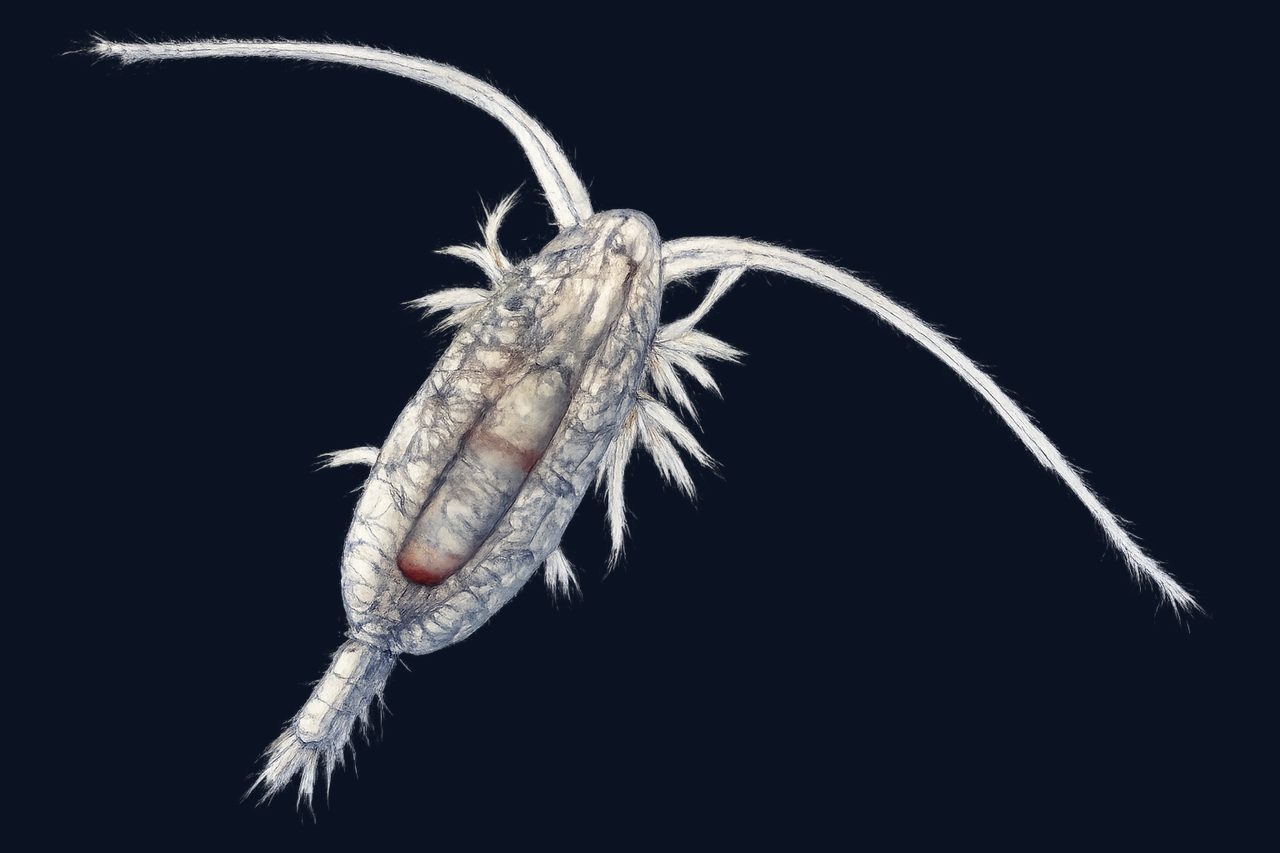
This fish feeds on plankton and other small organisms near the ocean surface. It is an important food source for larger fish, seabirds, dolphins, and other predators in the open ocean. By transferring energy from small plankton to larger animals, it helps connect different levels of the marine food web.
Scientific reference
Ocean Literacy Connections
This resource can be explored through Ocean biodiversity and One ocean, many features.
- How do different ocean conditions create different ecosystems and ways of life?
- How do different ocean places belong to one connected system?
Explore and connect
Open the secondary consumer view and compare this species with related marine life.






FAQ
Can Exocoetus volitans really fly?
It cannot fly like a bird, but it can glide above the water for several seconds using its large fins. This helps it escape from predators in the open ocean.
Why does Exocoetus volitans jump out of the water?
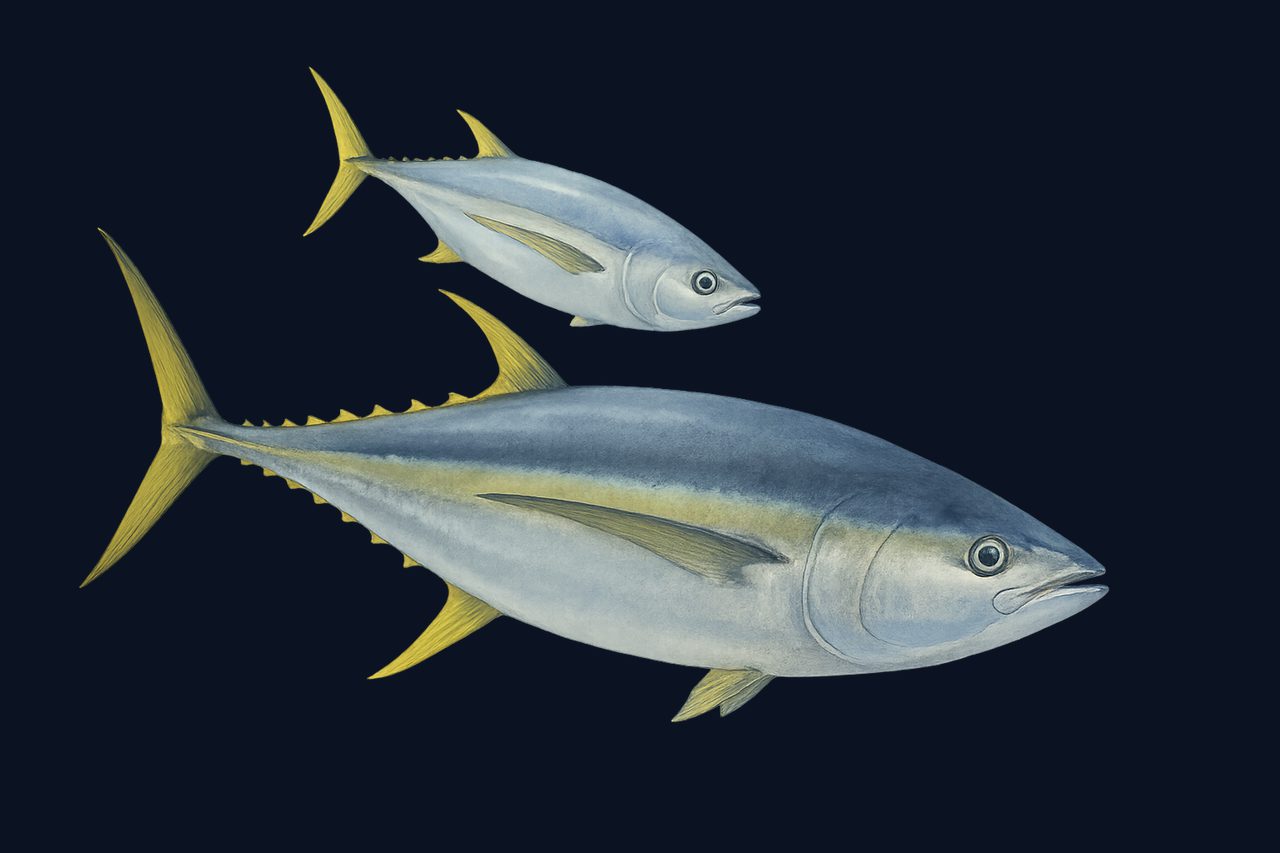
It usually leaps out of the water to avoid predators such as tuna, dolphins, and larger fish. Gliding through the air can help it travel farther and stay out of danger.