Paracalanus indicus
Paracalanus indicus
Paracalanus indicus is a tiny copepod, a type of small crustacean that lives as part of the zooplankton. It drifts through the water while swimming with its antennae. Its transparent body helps it remain hidden from predators in the ocean.
Video
About this species
Species identity
Paracalanus indicus is a tiny copepod, a type of small crustacean that lives as part of the zooplankton. It drifts through the water while swimming with its antennae. Its transparent body helps it remain hidden from predators in the ocean.
Where it lives
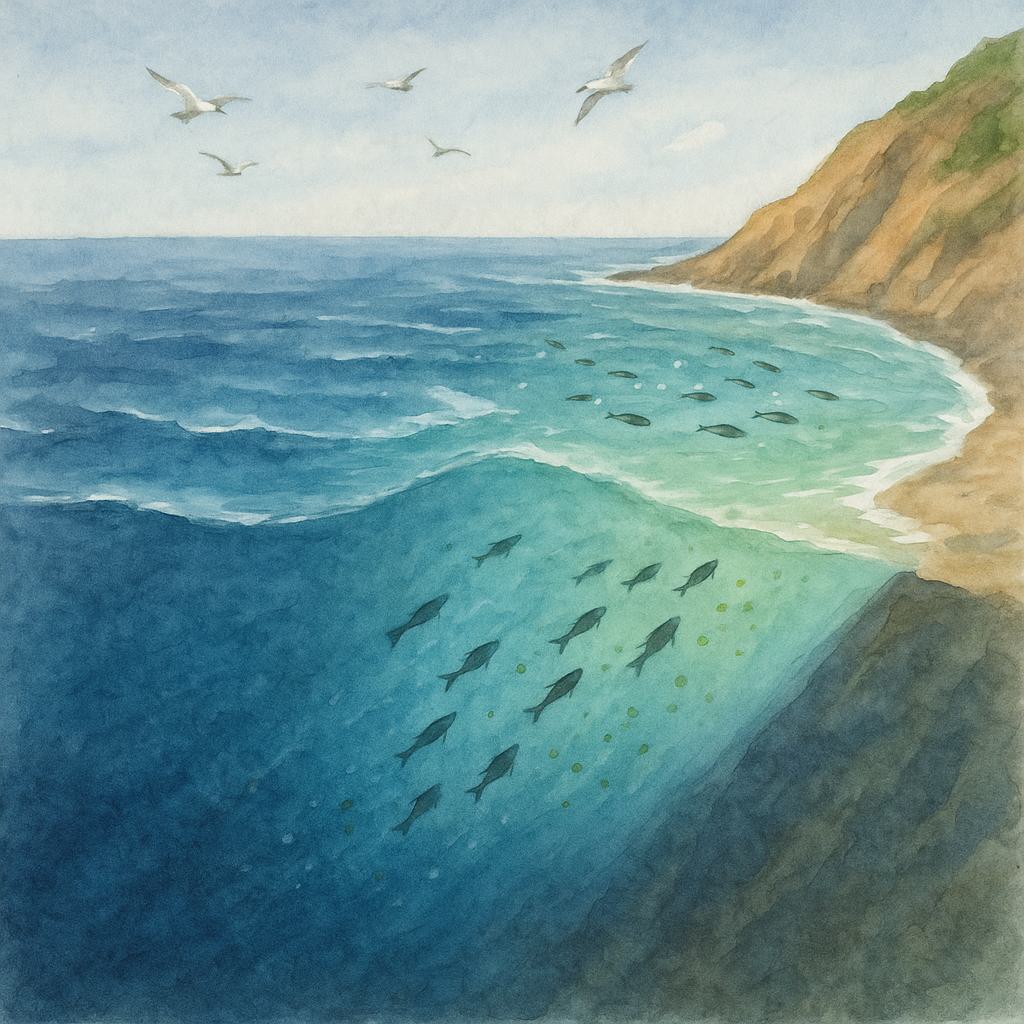
Found globally in temperate and tropical oceans, including coastal waters around Australia, the Mediterranean Sea, and the Indian Ocean. This species is most abundant in sunlit waters where plankton is plentiful.
Role in the ecosystem
It feeds on phytoplankton and other tiny particles suspended in the water. It transfers energy from microscopic producers to larger animals and is an important food source for fish larvae and other small predators. By linking plankton to higher levels of the food web, it helps support productive marine ecosystems.
Scientific reference
Citation
Ocean Literacy Connections
This resource can be explored through Ocean biodiversity.
- How do different ocean conditions create different ecosystems and ways of life?
Explore and connect
Open the primary consumer view and compare this species with related marine life.



FAQ
How does Paracalanus indicus move through the water?
It swims by beating its antennae and swimming legs, allowing it to make small jumps and stay suspended in the water column.
Why is Paracalanus indicus important for young fish?
Its small size and high abundance make it an important food source for many fish larvae, helping young fish grow and survive.