Step 1: Compare ocean temperatures
Use ocean-temperature maps to locate warm and cold regions and ask students where ocean heat is stored and how currents might move it.
The ocean stores and moves heat and water, exchanges energy with the atmosphere, and plays a major role in the carbon cycle. These processes influence weather patterns, rainfall, storms, and climate.
The ocean moderates weather and climate by storing solar energy, moving heat, and exchanging heat and water with the atmosphere.
The ocean absorbs much of the solar energy reaching Earth. Because water heats and cools more slowly than land, the ocean moderates temperatures, especially near coasts. Ocean currents transport heat between regions and help shape global weather and climate.
Evaporation transfers water and heat from the ocean to the atmosphere. When water vapor condenses into clouds and rain, it releases heat that helps drive atmospheric circulation and weather. Most rain falling on land began as water evaporated from the ocean.
Warm seas increase evaporation. The energy released when water vapor condenses can help intensify hurricanes and tropical cyclones.
Changes in sea-surface temperature affect evaporation and atmospheric circulation, connecting one ocean region to weather far away.
Changes in sea-surface temperature alter evaporation and atmospheric circulation. El Niño and La Niña are major examples: changes in the tropical Pacific can shift rainfall, drought, and weather patterns far beyond the region.
Scientists compare land and ocean observations with long-term datasets to identify these patterns and improve weather and climate predictions.
The ocean exchanges carbon with the atmosphere, supports photosynthesis, and records long-term changes in Earth’s climate system.
Carbon dioxide moves between the atmosphere and ocean, and the ocean absorbs a substantial share of the additional carbon dioxide released into the atmosphere. Some dissolved carbon is used by phytoplankton and other photosynthetic organisms. About half of Earth’s primary production occurs in the sunlit ocean, connecting ocean biology to the global carbon cycle.
When the ocean absorbs additional atmospheric carbon dioxide, seawater chemistry changes and pH decreases. This can make it harder for some organisms to build or maintain shells and skeletons.
Human activities add carbon dioxide and methane to the atmosphere. The ocean absorbs and redistributes much of the resulting heat and exchanges carbon with the atmosphere. Changes in ocean temperature, circulation, and carbon exchange can influence the climate system over long periods. Earth’s history also contains periods of large and sometimes abrupt climate change.
Use ocean-temperature maps to locate warm and cold regions and ask students where ocean heat is stored and how currents might move it.
Connect ocean temperature with evaporation, rainfall, storms, El Niño, and La Niña to show how ocean-atmosphere exchange shapes weather.
Ask how changes in heat, circulation, and carbon exchange could affect the climate system over longer periods.
This principle helps students understand weather and climate as products of a coupled ocean-atmosphere system. The ocean stores and moves heat, drives evaporation, exchanges carbon, and supports photosynthesis on a planetary scale.
Students should come away understanding that ocean heat, water, circulation, and carbon exchange shape weather and climate over different timescales. A temperature change in one ocean region can influence distant rainfall, while long-term changes in heat and carbon affect the wider climate system.
Classroom prompt: Choose one weather or climate pattern on this page. How do heat, water, or carbon move through the ocean-atmosphere system to influence it?
Compare ocean temperature, currents, and heat-stress layers to see how ocean conditions shape weather and climate.
Trace links among ocean heat, the water cycle, weather patterns, phytoplankton, carbon cycling, and changing ocean chemistry.
Use Cyclone and Ocean Acidification to connect ocean-atmosphere exchange with weather and global climate change.
Tool
Open WebGIS to compare warm and cold ocean regions before discussing how heat moves and affects the atmosphere.
Ecoregion
Use the Equatorial Pacific to discuss how sea surface temperature patterns connect to El Niño, La Niña, rain, and drought.
Special
Use the Cyclone card to show how warm ocean water and evaporation provide energy for large storms.
Threat
Use Ocean Acidification to connect atmospheric carbon dioxide with changing seawater chemistry and impacts on marine organisms.

Species
Prochlorococcus helps explain this principle because tiny photosynthetic ocean organisms contribute to primary productivity and carbon cycling in sunlit waters.

Ecoregion
Distinctive: This region is strongly influenced by sea surface temperature patterns and equatorial circulation.
Connected to the global system: It connects directly to the principle because El Niño and La Niña changes in the Pacific can alter weather patterns around the world.
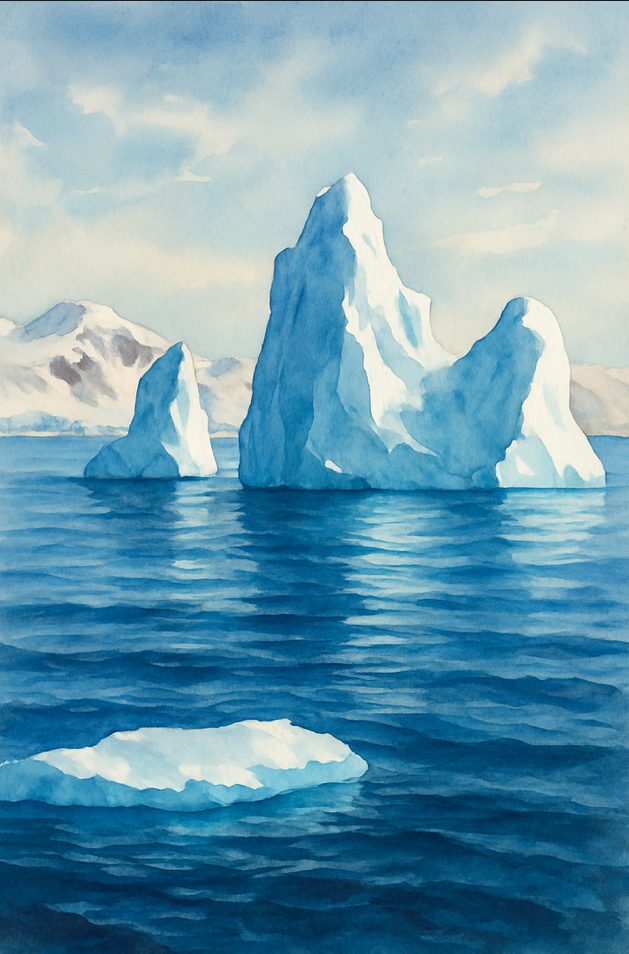
Ecoregion
Distinctive: This ocean stores carbon and is linked by the Antarctic Circumpolar Current.
Connected to the global system: It helps explain how ocean circulation can move heat and carbon through the global climate system.
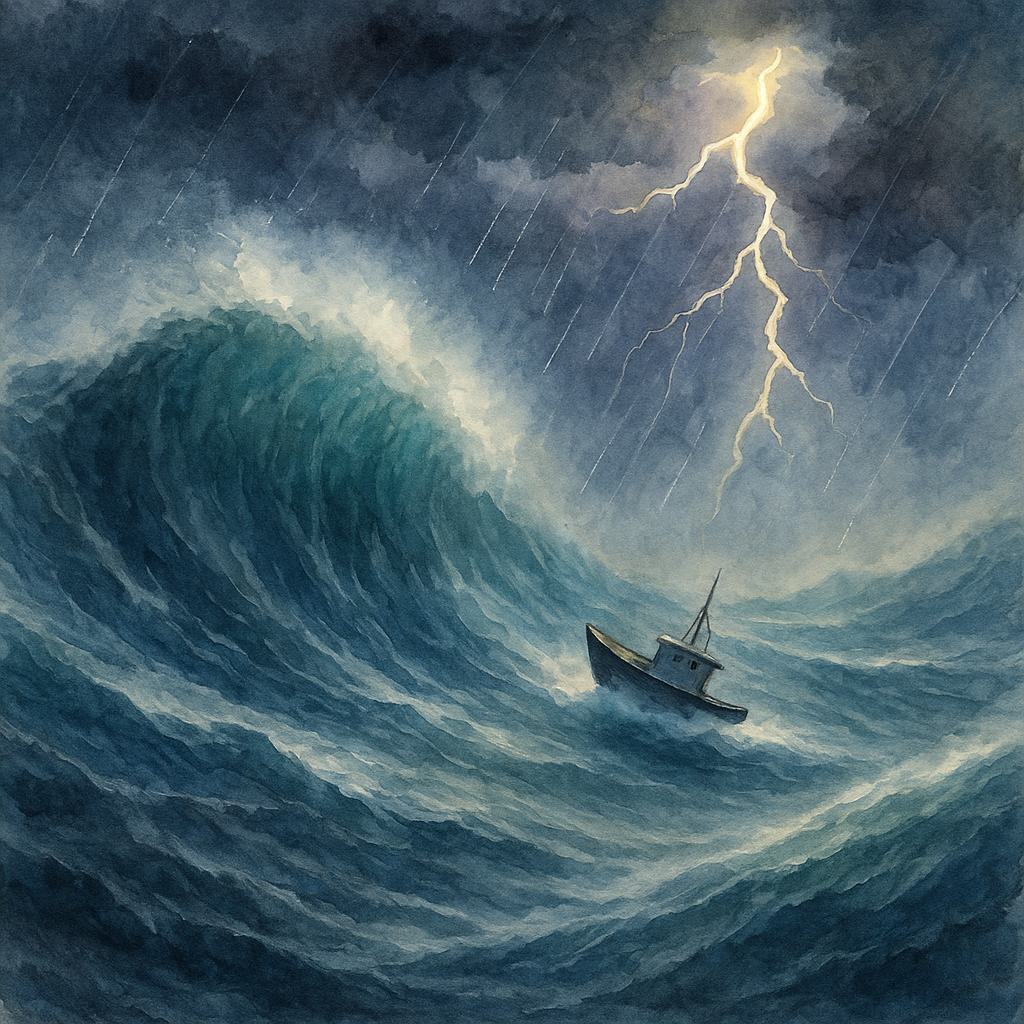
Special
Cyclone illustrates the principle because warm ocean water supplies energy for powerful storms.
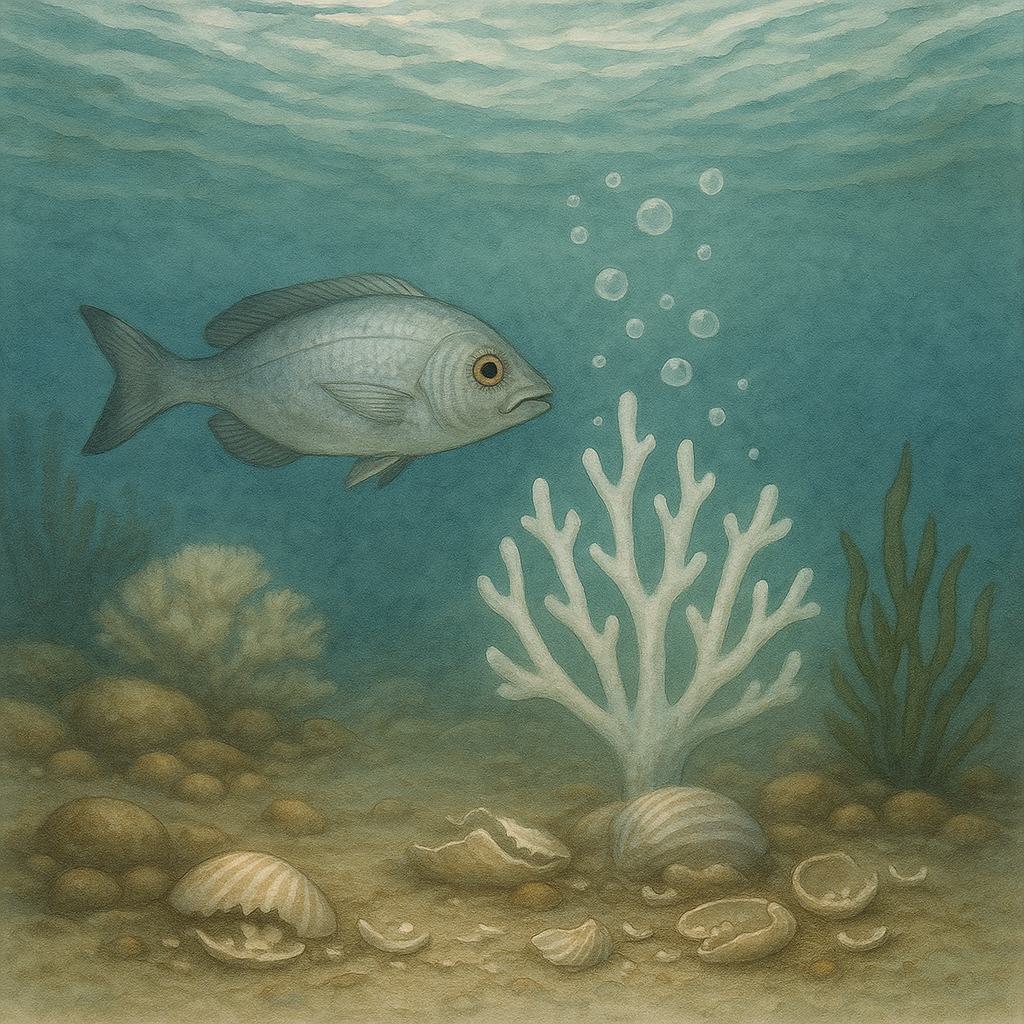
Threat
Ocean Acidification shows how additional atmospheric carbon dioxide can change seawater chemistry and affect shell-building organisms.