What is the Arctic Ocean marine ecoregion?
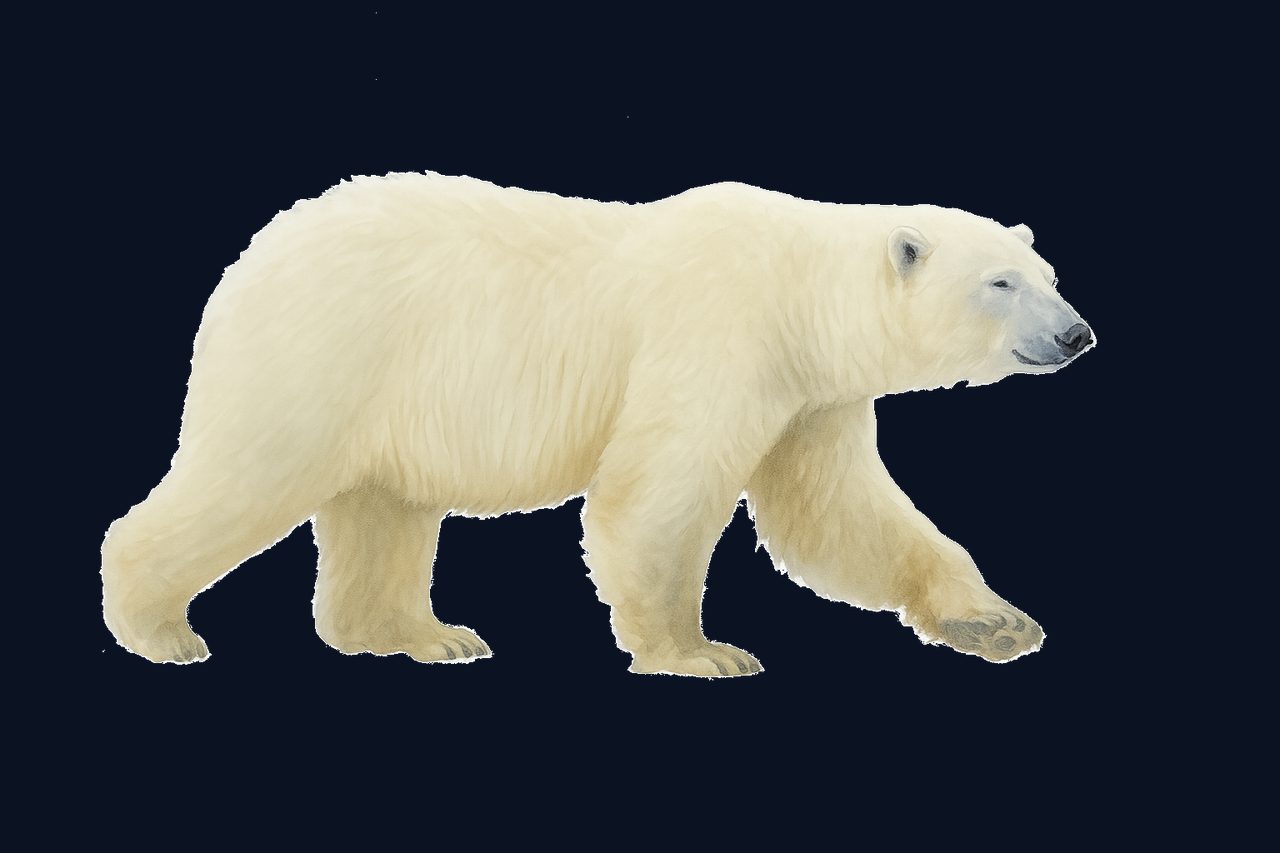
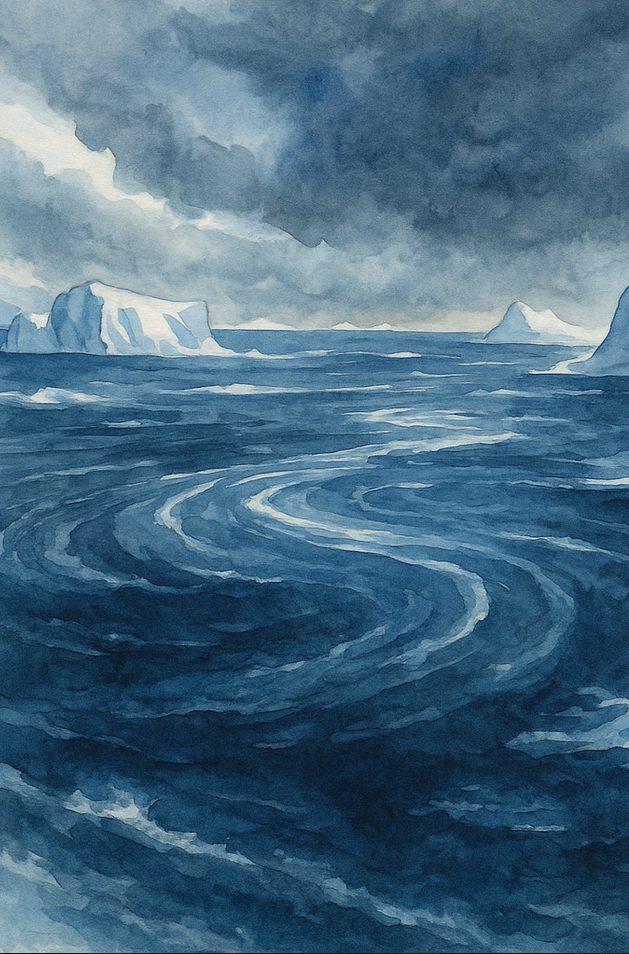
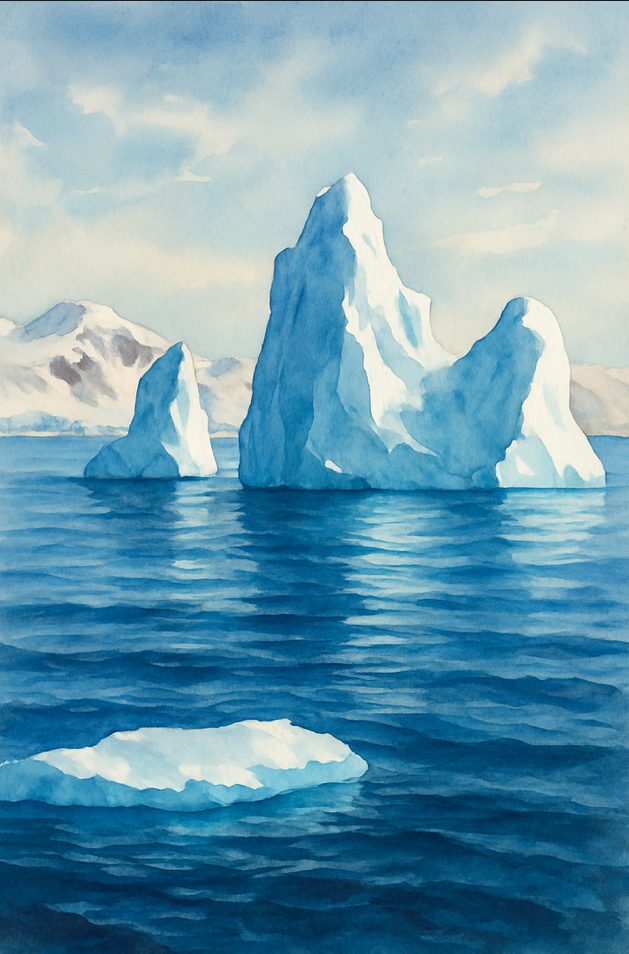
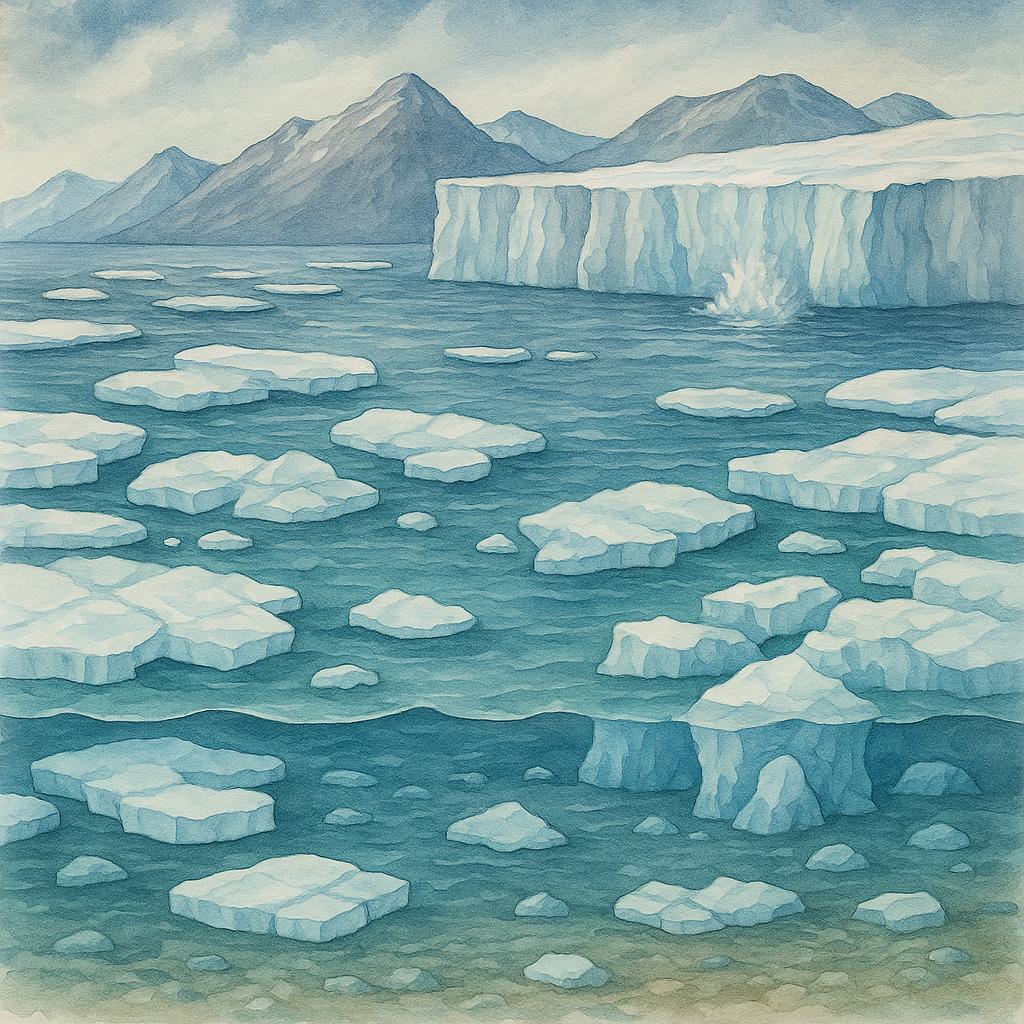
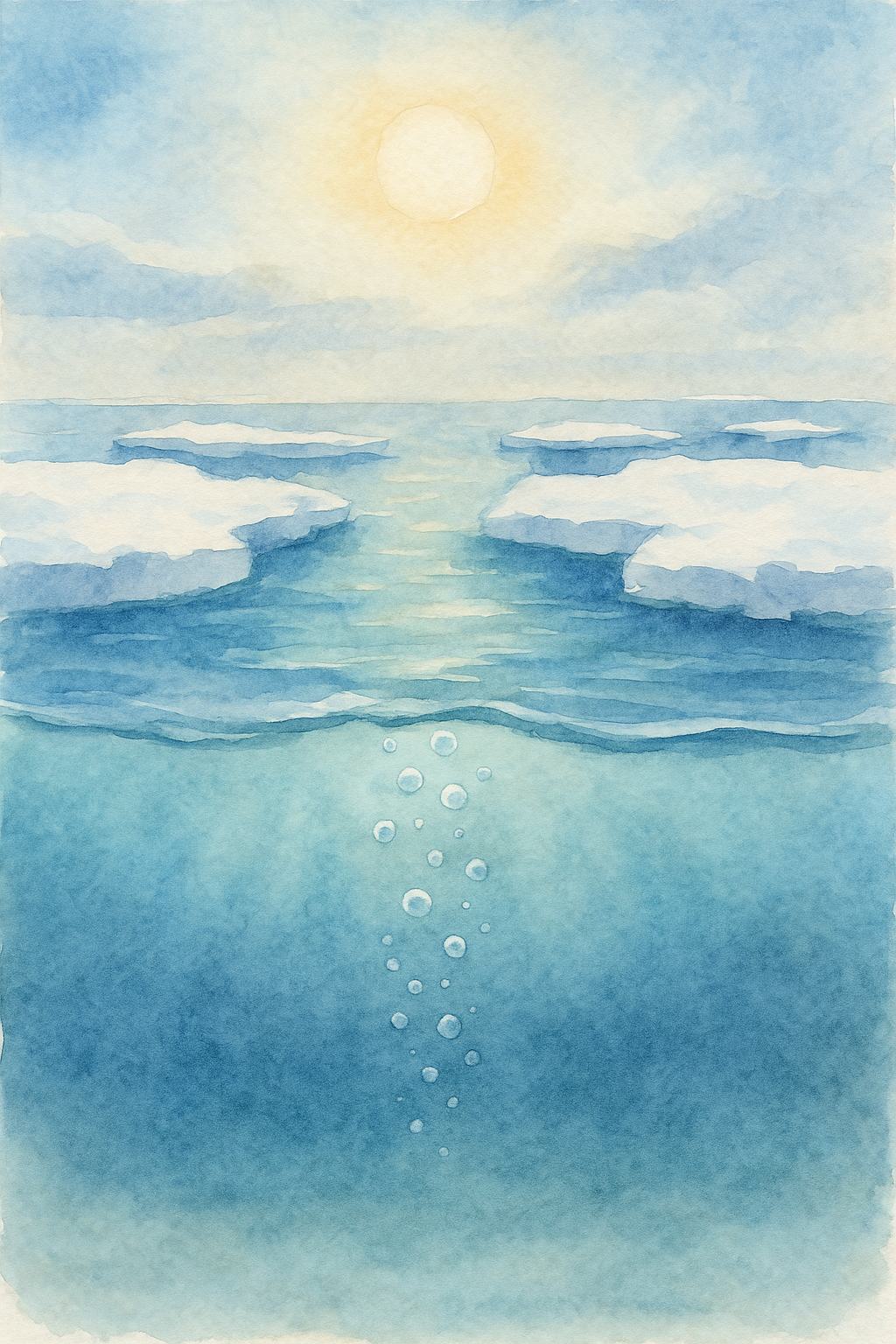
The Arctic Ocean is one of the coldest seas on Earth, with thick ice on the surface. In winter it stays dark for months, but in summer the sun shines all day and algae bloom under the ice. Openings in the ice, called leads and polynyas, let light and air into the water. Northern lights and rapid warming make this icy ocean both magical and fragile.
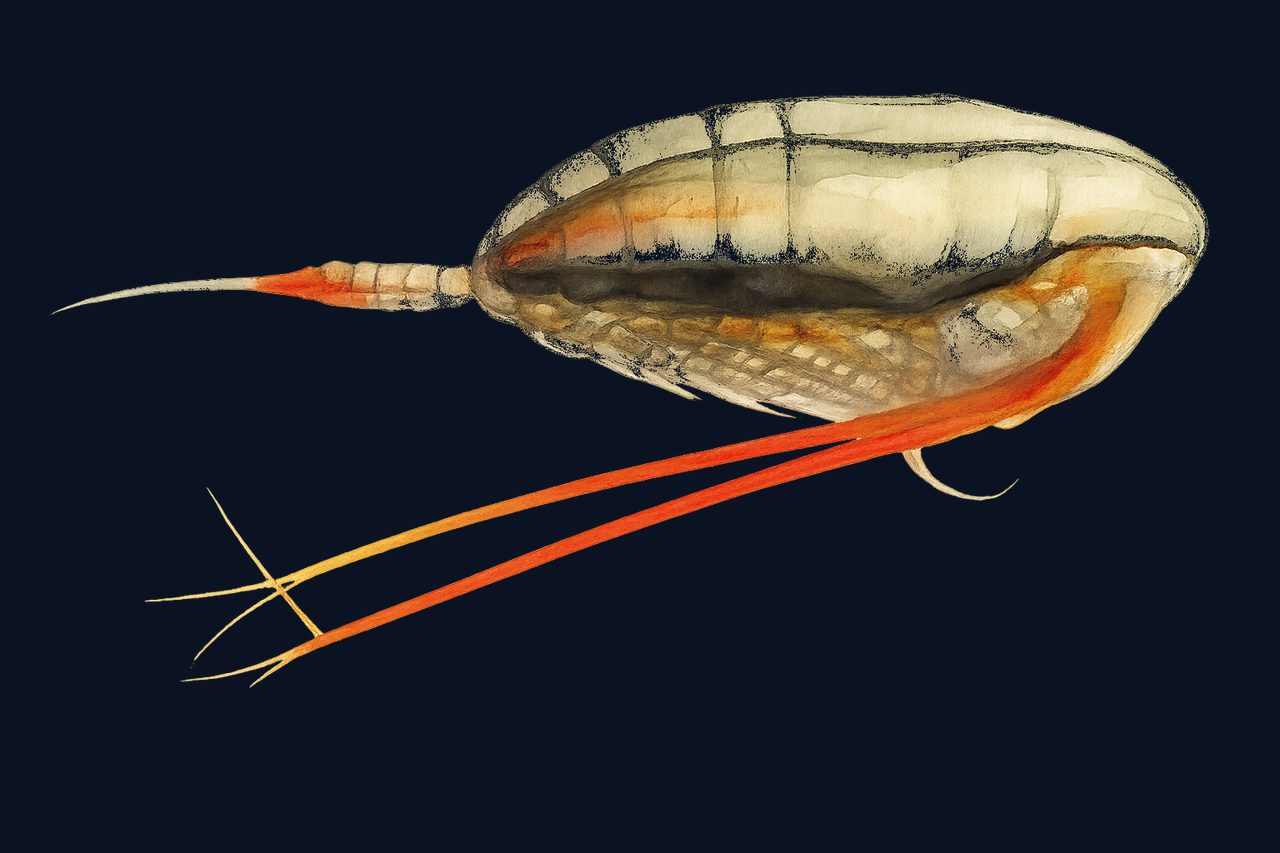
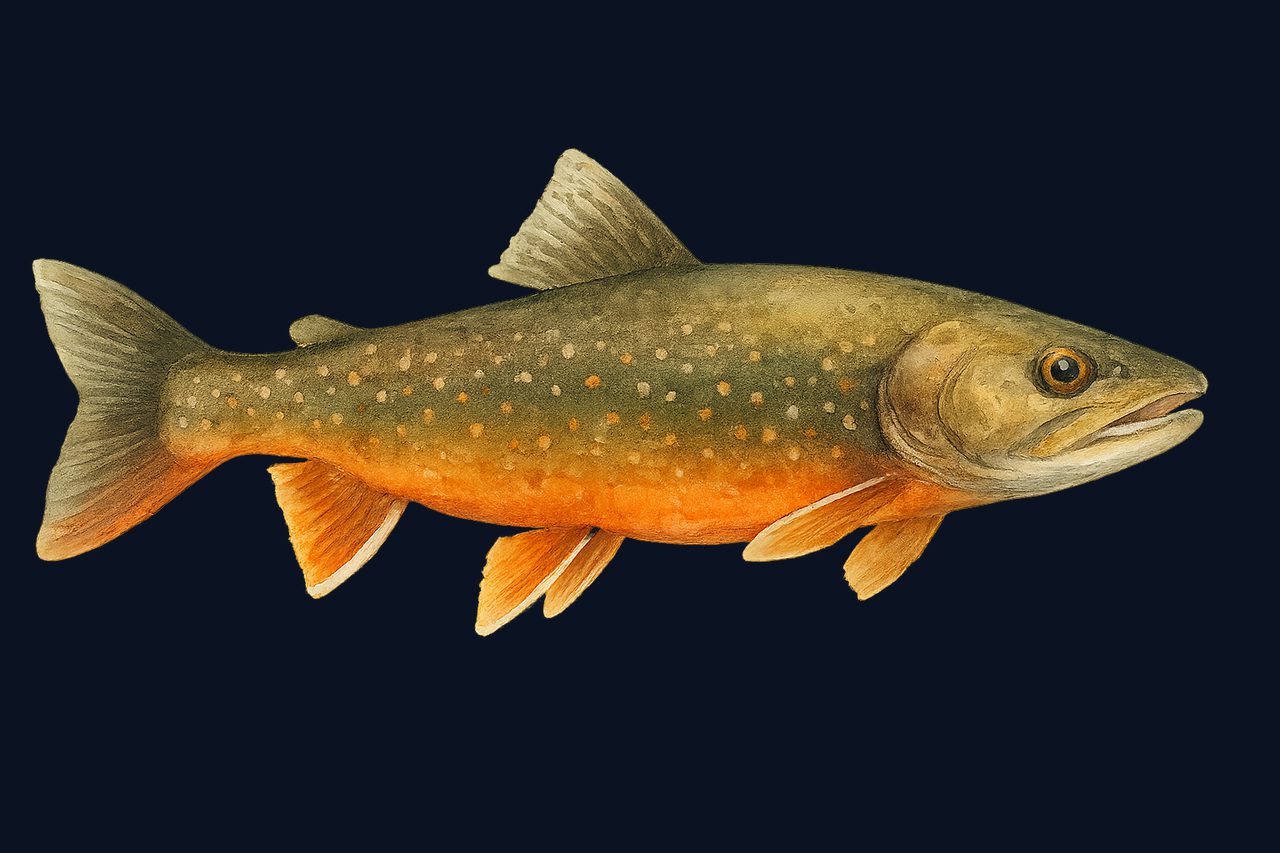
It is a seasonally ice-covered ocean where light, nutrients and the timing of ice retreat determine when and where marine life can grow. Ice algae and phytoplankton form the base of food webs that support Arctic cod, seabirds, seals, whales and people. Conditions vary greatly between productive continental shelves and the deeper central basins.
Related video
In context
What it is
The Arctic Ocean is one of the coldest seas on Earth, with thick ice on the surface. In winter it stays dark for months, but in summer the sun shines all day and algae bloom under the ice. Openings in the ice, called leads and polynyas, let light and air into the water. Northern lights and rapid warming make this icy ocean both magical and fragile.
It is a seasonally ice-covered ocean where light, nutrients and the timing of ice retreat determine when and where marine life can grow. Ice algae and phytoplankton form the base of food webs that support Arctic cod, seabirds, seals, whales and people. Conditions vary greatly between productive continental shelves and the deeper central basins.
Why it matters
The Arctic Ocean helps regulate Earth’s climate by reflecting sunlight when ice is present and by exchanging heat and carbon with the atmosphere. Its sea-ice habitats support specialised wildlife and northern communities, while changes in the Arctic can influence fisheries, shipping, coastal erosion and weather far beyond the region.
FAQ
How can algae grow under sea ice ?
Sea ice is not completely dark or solid. Sunlight can pass through thin ice, melt ponds and cracks, allowing microscopic ice algae to grow on the underside of the ice. When the ice retreats, phytoplankton can bloom in the newly exposed water, especially where nutrients are available.
Is the whole Arctic Ocean low in productivity ?
Not entirely. The deep central Arctic is often nutrient-limited, but shallow shelves, river-influenced seas, ice edges and polynyas can be productive. The amount and timing of production vary between regions and years because sea ice, mixing, currents and nutrient supply are changing.
Ocean Literacy Connections
This resource can be explored through One ocean, many features, Ocean and climate and Ocean makes life possible.
- How do different ocean places belong to one connected system?
- What ocean processes help shape weather and climate?
- How did the ocean help make Earth a place where life could thrive?
Explore and connect
Open the ecoregions view to compare regional boundaries, biodiversity context, and related ocean systems.