Nordenskioeld’s diatom
Thalassiosira nordenskioeldii
Thalassiosira nordenskioeldii is a single-celled marine diatom (microscopic algae) that lives suspended in cold ocean waters.
Video
About this species
Species identity
Thalassiosira nordenskioeldii is a microscopic diatom, typically around 10–50 micrometers in diameter, that lives as part of the phytoplankton. It occurs in cold, nutrient-rich waters and often forms chains or loose colonies of round cells. Its cell wall is made of glass-like material and has tiny patterns that protect the cell and help it move and stay suspended in the water.
Where it lives
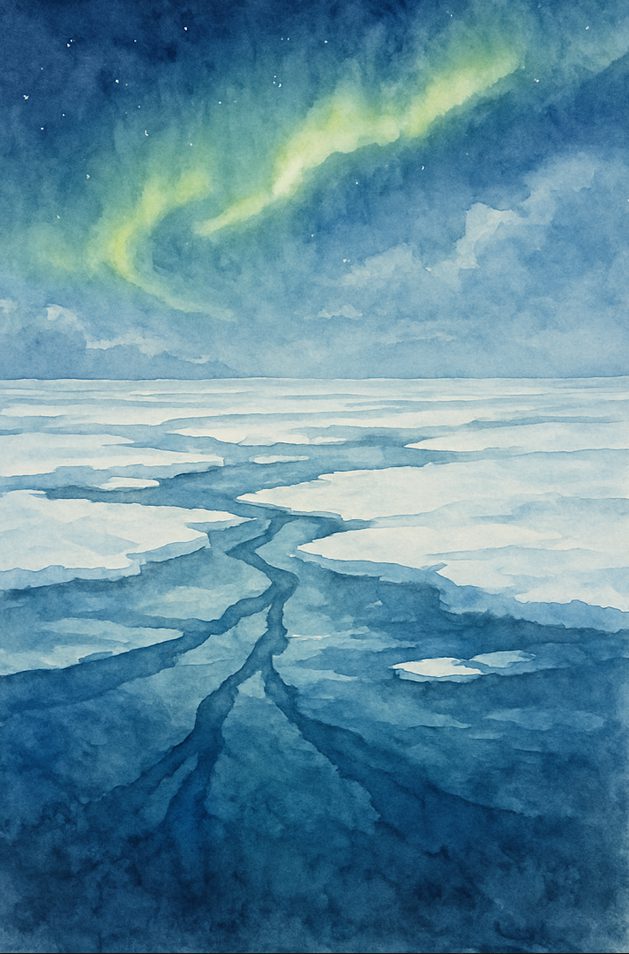
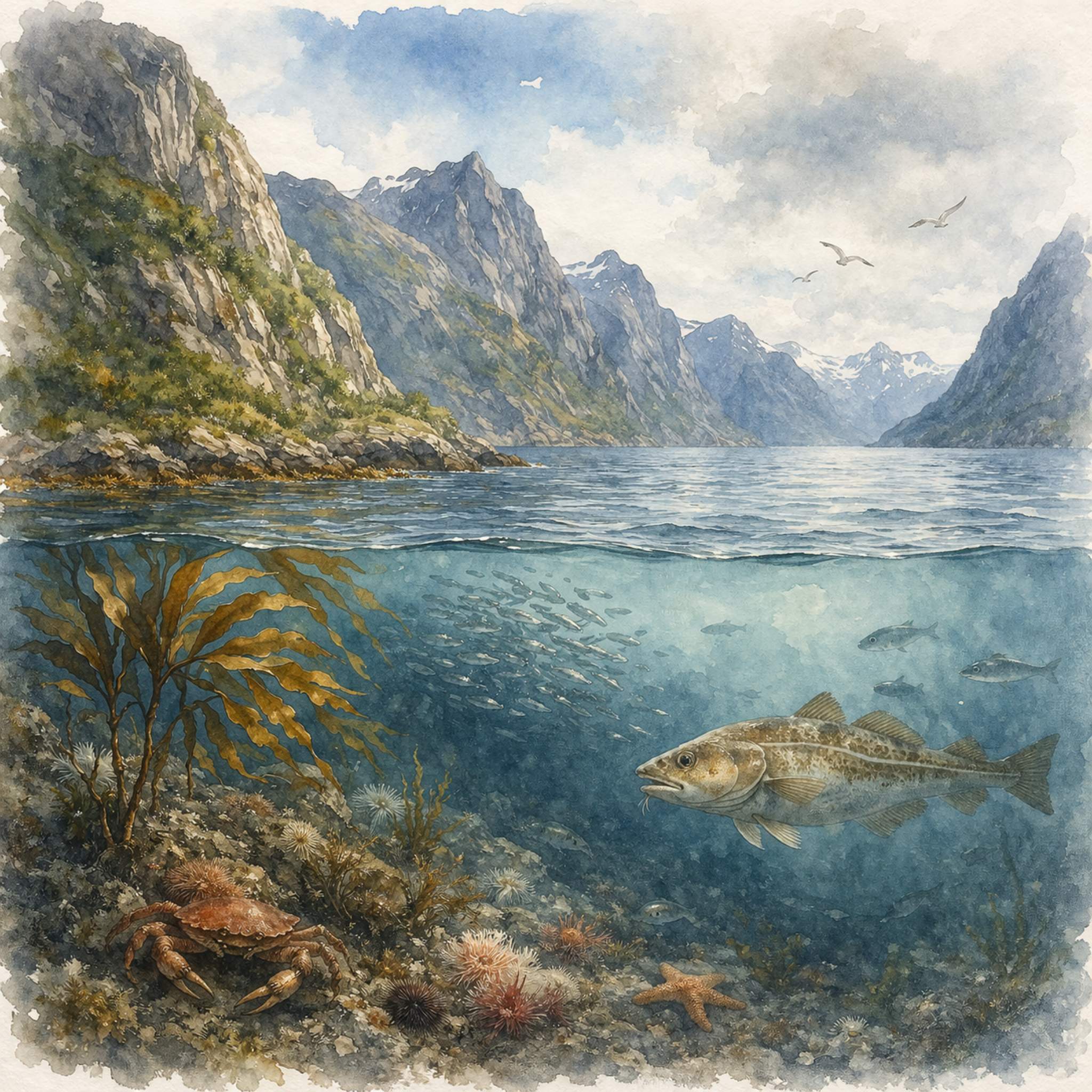
Thalassiosira nordenskioeldii lives in cold and cool parts of the ocean, especially near the Arctic. It is often found near coasts, in fjords, and close to sea ice.
It lives near the surface where sunlight reaches the water. It grows best when there is enough light and nutrients, especially after winter.
In spring, it can grow in large numbers and become very common in cold seas.
Role in the ecosystem
Thalassiosira nordenskioeldii produces its own food through photosynthesis, using sunlight and carbon dioxide. It forms part of the base of the marine food web and is eaten by zooplankton, supporting higher trophic levels. During spring blooms, its rapid growth contributes significantly to seasonal productivity and carbon cycling in cold marine ecosystems.
Scientific reference
Citation
Ocean Literacy Connections
This resource can be explored through Ocean biodiversity and Ocean makes life possible.
- How do different ocean conditions create different ecosystems and ways of life?
- How did the ocean help make Earth a place where life could thrive?
Explore and connect
Open the primary producer view and compare this species with related marine life.

FAQ
Why is Thalassiosira nordenskioeldii important in cold regions ?
It is a common species during spring phytoplankton blooms in polar and subpolar waters, contributing significantly to seasonal increases in marine productivity.
How does Thalassiosira nordenskioeldii survive in cold environments ?
Like many cold-water diatoms, it is adapted to grow at low temperatures and can take advantage of periods with sufficient light and nutrients, especially after winter mixing or ice melt.