Tiger shark
Galeocerdo cuvier
The tiger shark is a large shark that can grow over 5 meters long. It lives in warm and tropical oceans, where it swims through coastal waters as well as the open sea. Its name comes from the dark stripes along its body, which are most visible in younger sharks.
Video
About this species
Species identity
The tiger shark lives in both coastal and open ocean waters, including estuaries where rivers meet the sea. It is especially common in warm tropical regions.
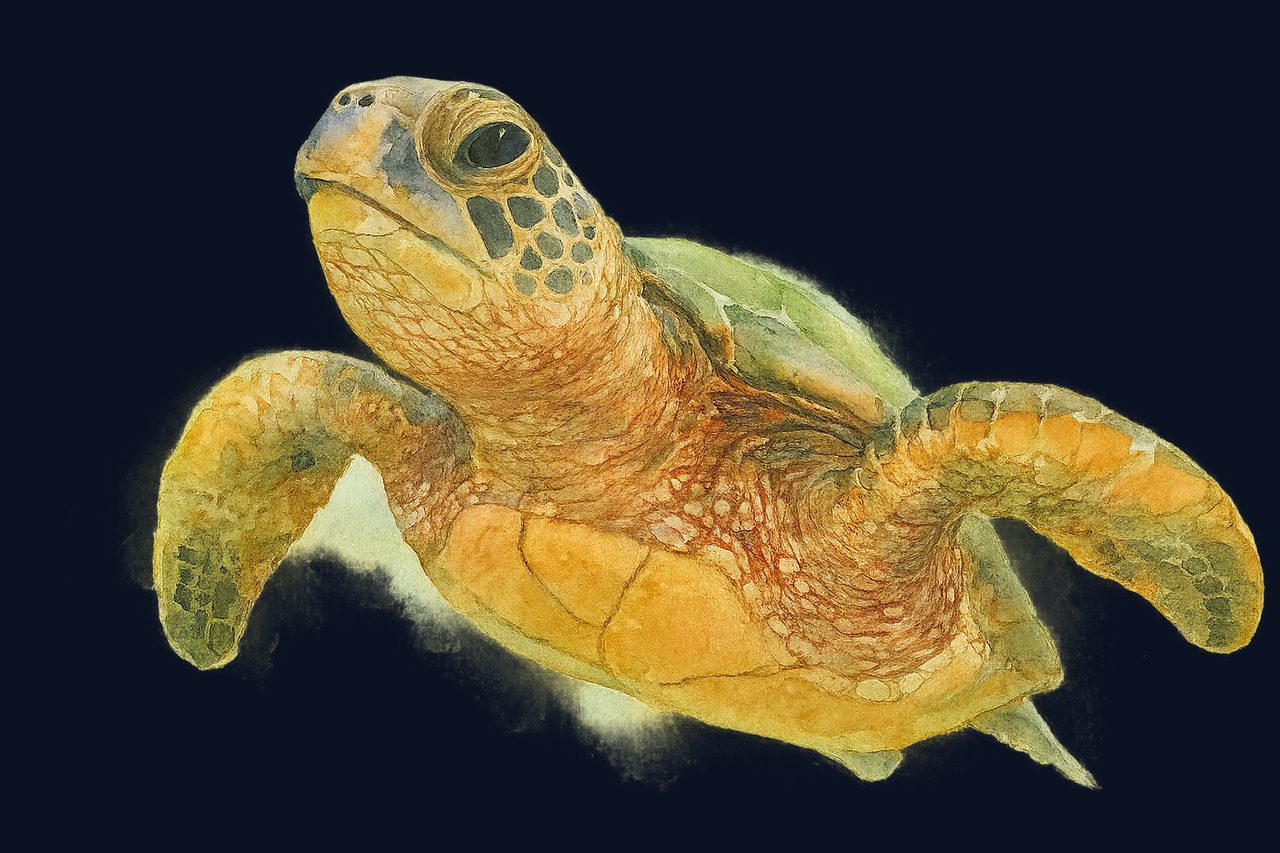
It is mostly active at night and feeds on a wide variety of animals, including marine mammals, sea turtles, birds, sea snakes, squid, snails, crustaceans, and even dead organic matter. This broad diet makes it one of the ocean's most versatile large predators.
Tiger sharks develop their young inside their bodies. The eggs hatch internally, and the pups are born alive and ready to swim.
They are among the most commonly encountered large sharks in tropical waters and are second only to the great white shark in recorded attacks on humans. At least 27 documented attacks have been attributed to this species.
Very large individuals have been reported, with some unconfirmed records approaching 9 meters in length. One documented specimen measured 7.4 meters and reportedly weighed over 3,000 kilograms.
Tiger sharks are sometimes caught using longlines and are valued for their meat, fins, and tough skin. Their products may be sold fresh, dried-salted, smoked, or frozen.
Where it lives
Tiger sharks are found worldwide in tropical and warm temperate seas.
In the Atlantic Ocean, they occasionally wander farther north than usual, reaching areas such as Iceland and Norway. In the western Atlantic, they occur north to Cape Cod and sometimes stray into the Gulf of Maine.
Role in the ecosystem
It is a top predator that feeds on fish, sea turtles, seabirds, and other marine animals. By hunting a wide variety of prey, it helps keep marine food webs balanced and healthy.
Scientific reference
Citation
Ocean Literacy Connections
This resource can be explored through Ocean biodiversity and One ocean, many features.
- How do different ocean conditions create different ecosystems and ways of life?
- How do different ocean places belong to one connected system?
Explore and connect
Open the species distribution layer to compare this range with ocean basins, ecosystems, and related marine context.





FAQ
Why is it called a tiger shark?
Tiger sharks are named after the dark stripes on their bodies, which are especially visible when they are young. These markings fade as the shark grows older.
How do tiger sharks find their prey?
Tiger sharks use their excellent sense of smell, good eyesight, and special sensors that detect movements and electrical signals from other animals in the water.