Green sea turtle
Chelonia mydas
It is commonly known as the green sea turtle and is a large marine turtle that can grow over 1 meter long. It lives in warm and tropical oceans. Its smooth shell and strong flippers help it travel long distances between feeding and nesting areas.
Video
About this species
Species identity
It is commonly known as the green sea turtle and is a large marine turtle that can grow over 1 meter long. It lives in warm and tropical oceans. Its smooth shell and strong flippers help it travel long distances between feeding and nesting areas.
Where it lives
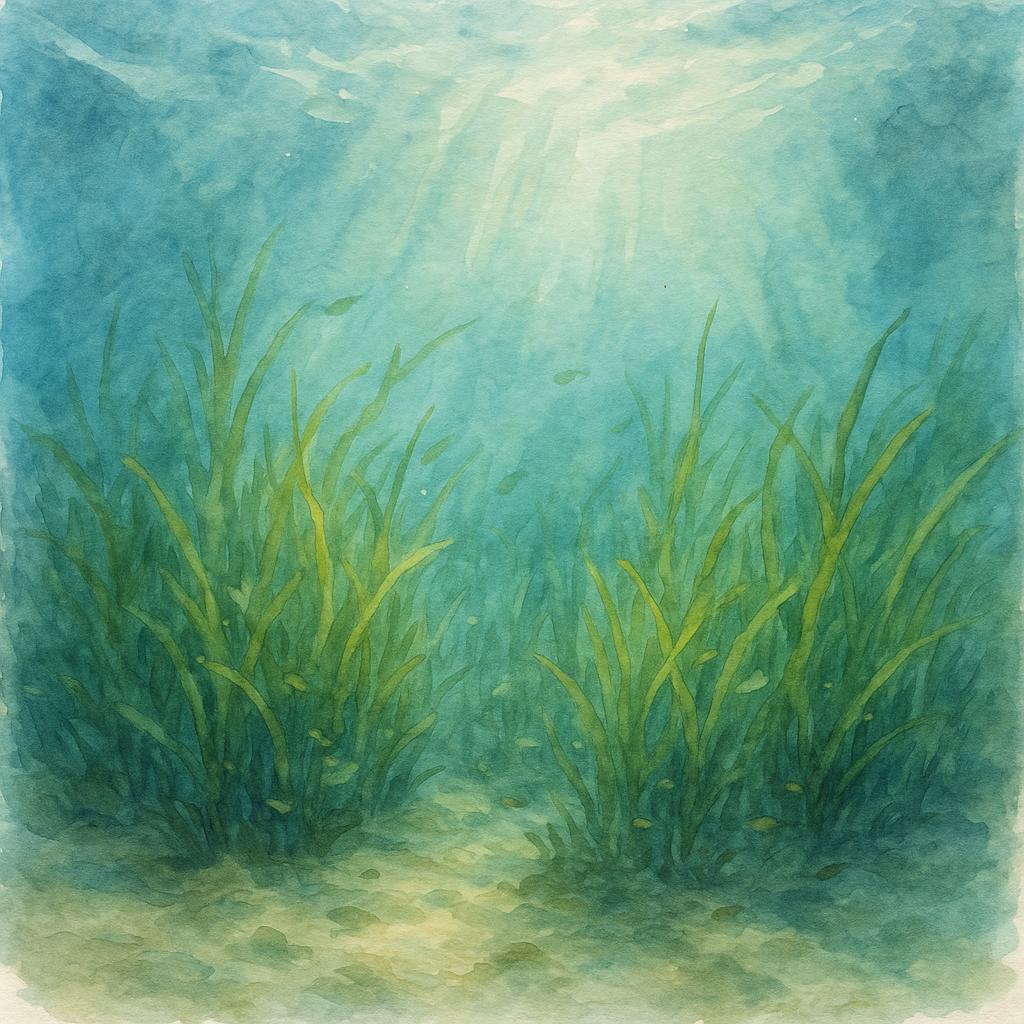
The green sea turtle is found in tropical and subtropical oceans around the world. It is commonly seen in coastal waters, seagrass meadows, lagoons, and coral reef areas where food is abundant.
Role in the ecosystem
It plays an important role in maintaining healthy seagrass meadows by grazing on seagrass. This helps keep the plants productive and creates habitat for many other marine species. Through its feeding activities, it supports the balance and biodiversity of coastal ecosystems.
Scientific reference
Citation
Ocean Literacy Connections
This resource can be explored through Ocean biodiversity, One ocean, many features and Ocean and humans.
- How do different ocean conditions create different ecosystems and ways of life?
- How do different ocean places belong to one connected system?
- How does the ocean affect our lives, and how do our choices affect the ocean?
Explore and connect
Open the secondary consumer view and compare this species with related marine life.
FAQ
Why is it called the green sea turtle?
The name comes from the green-colored fat beneath its shell, not from the color of its shell itself.
How do green sea turtles find the beach where they were born?
Scientists believe they use Earth's magnetic field, along with other environmental clues, to navigate back to the same region where they hatched.