What is the Great Barrier Reef marine ecoregion?
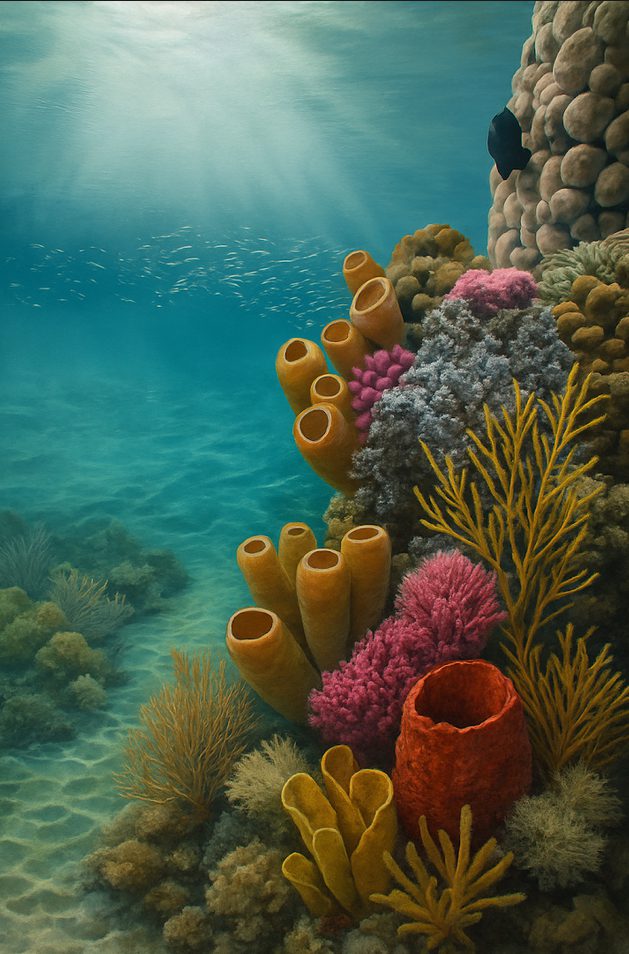
A large tropical seascape made of thousands of reefs and connected coastal habitats rather than one continuous reef wall. Corals build complex limestone structures, while mangroves, seagrasses and offshore waters support different life stages of many species. Its condition varies greatly from place to place and through time.
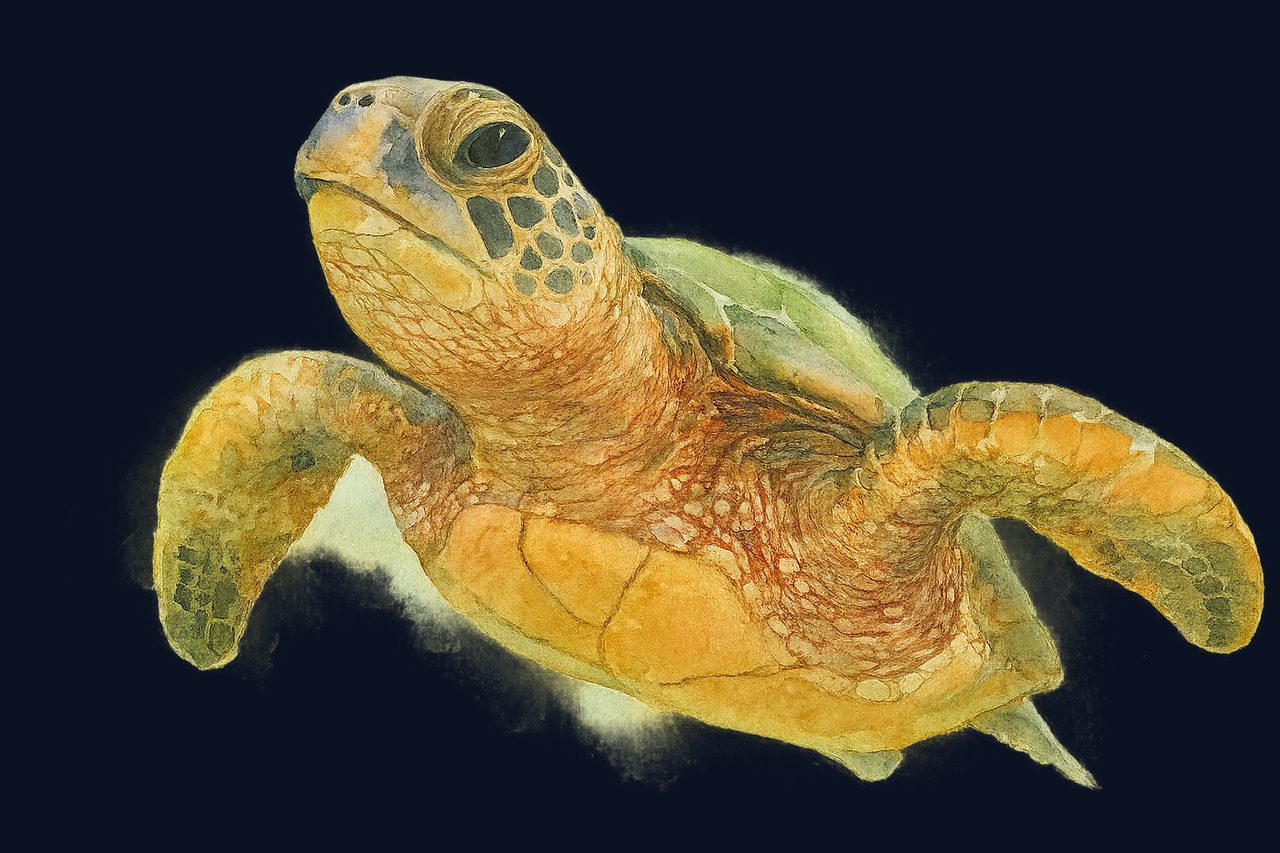
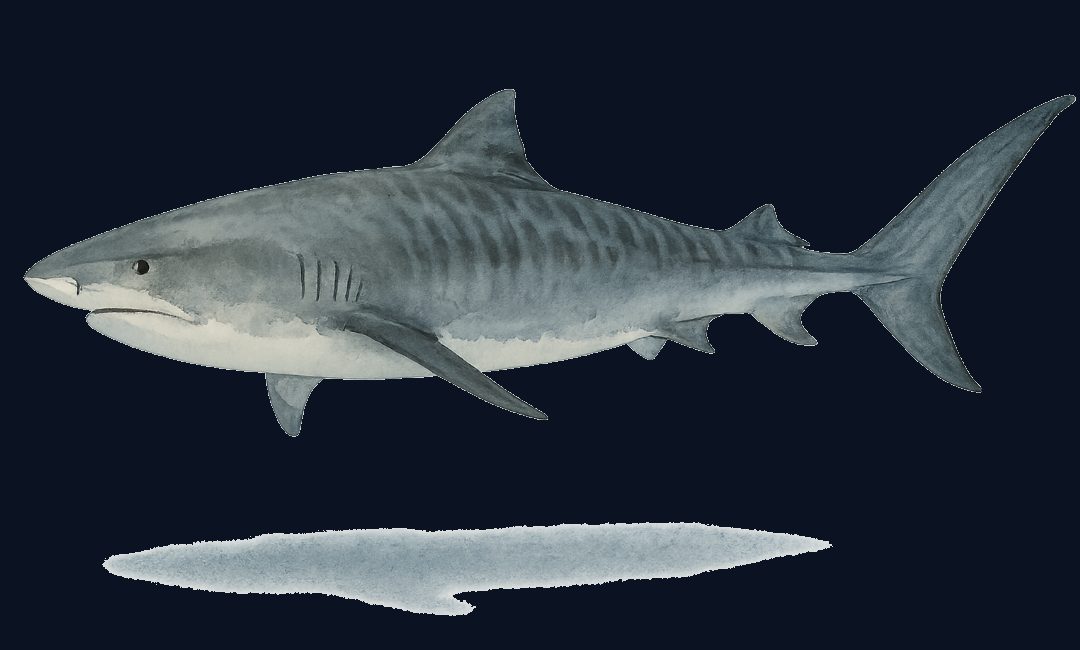
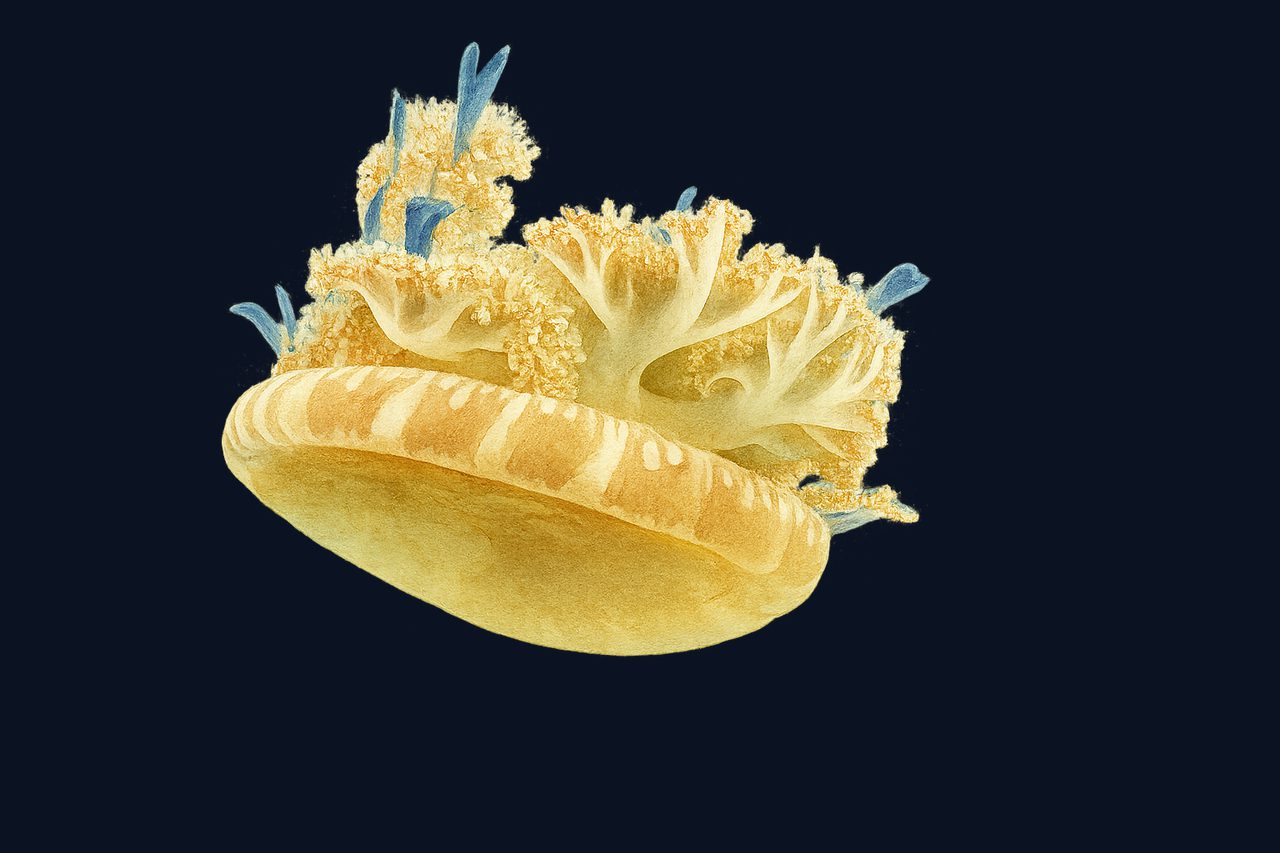
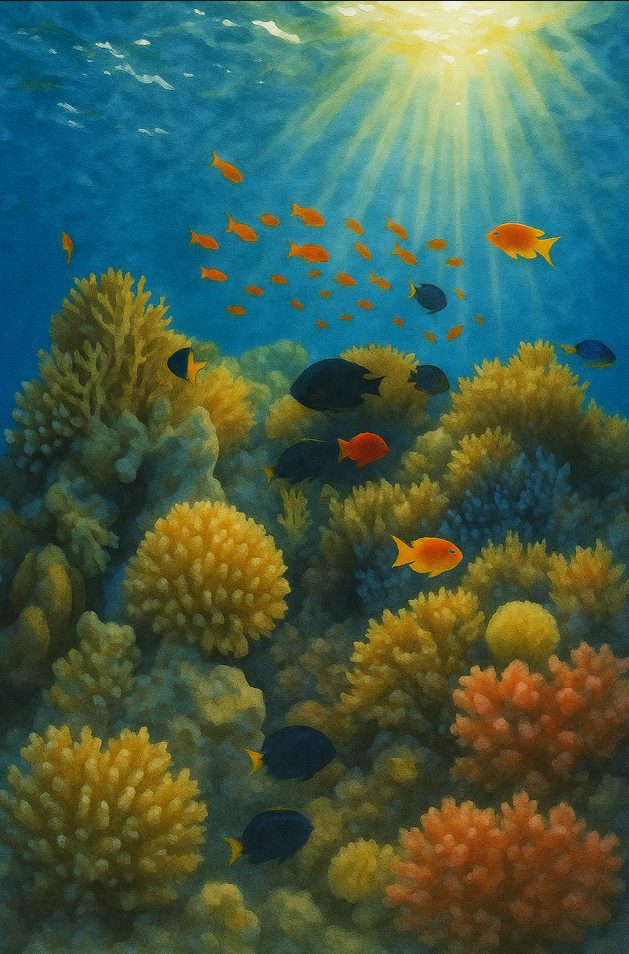
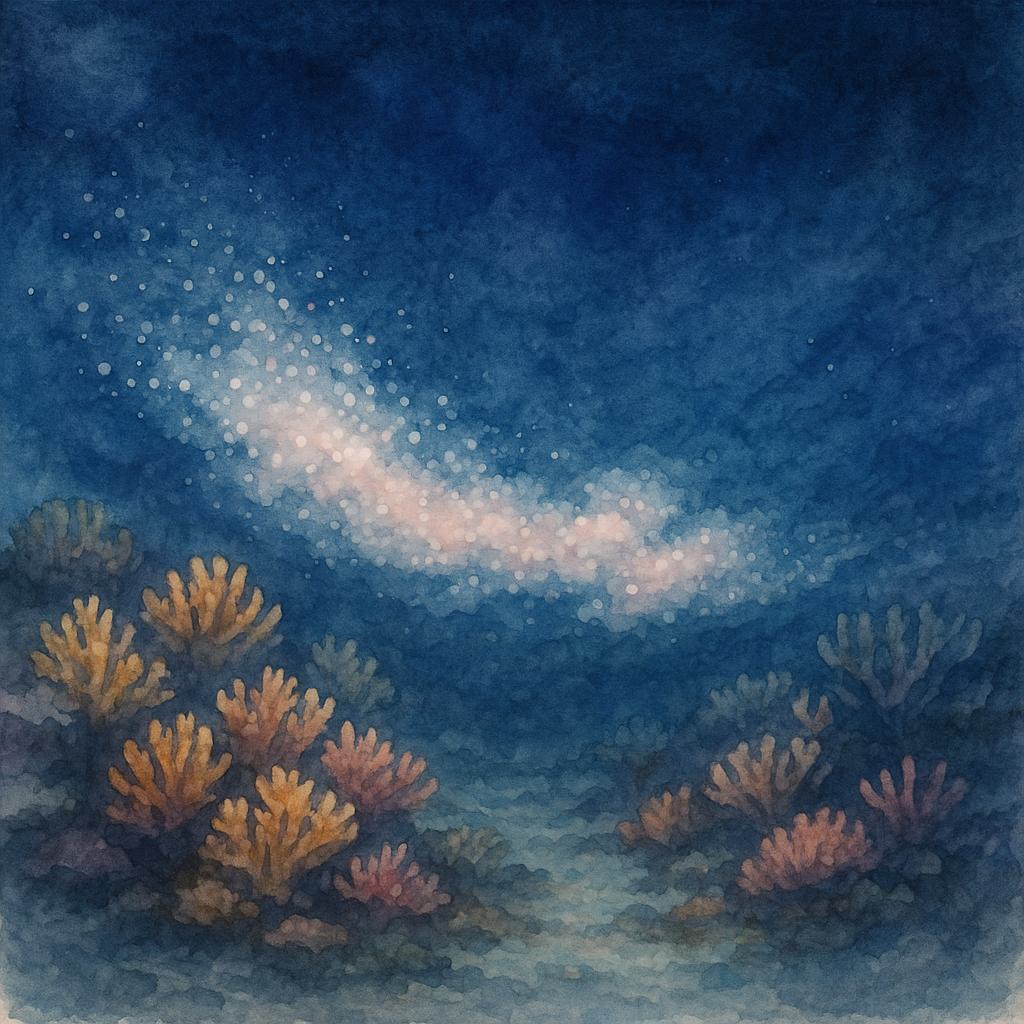
Warm, clear seas here host over 600 kinds of corals, the highest number in the world. Reefs, seagrass, and mangroves create shelter for thousands of species. It is Earth’s richest marine region and builds vast limestone reef structures.
Related video
In context
What it is
A large tropical seascape made of thousands of reefs and connected coastal habitats rather than one continuous reef wall. Corals build complex limestone structures, while mangroves, seagrasses and offshore waters support different life stages of many species. Its condition varies greatly from place to place and through time.
Warm, clear seas here host over 600 kinds of corals, the highest number in the world. Reefs, seagrass, and mangroves create shelter for thousands of species. It is Earth’s richest marine region and builds vast limestone reef structures.
Why it matters
The reef supports extraordinary biodiversity and has deep cultural importance for Aboriginal and Torres Strait Islander Traditional Owners. It protects coastlines, supports tourism and fisheries, and provides a globally important test of whether coral ecosystems can recover while ocean temperatures continue to rise.
FAQ
How can coral reefs thrive in nutrient-poor water?
Corals live in partnership with microscopic algae that use sunlight to produce energy. Nutrients are also recycled efficiently within the reef, and fish, microbes, currents and connected seagrass and mangrove habitats help move food and materials through the ecosystem.
Does bleached coral always die?
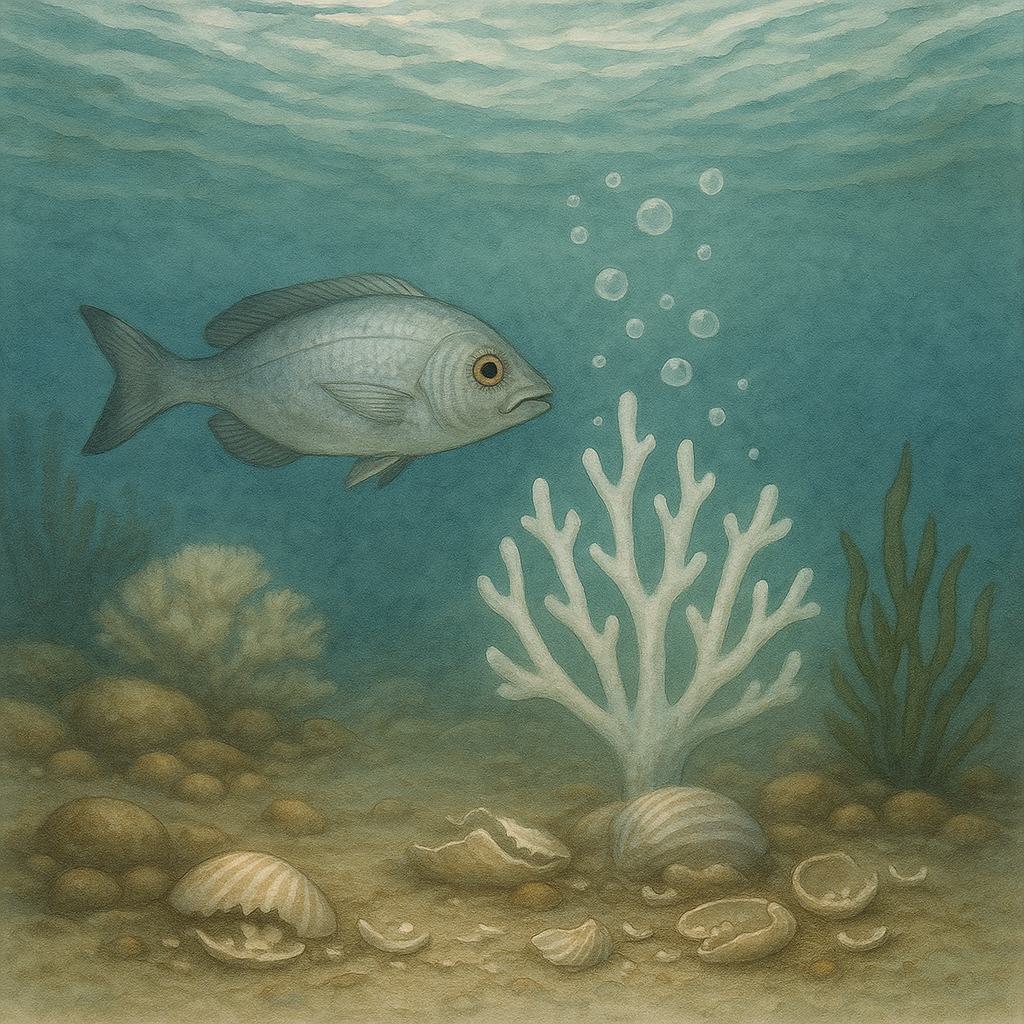
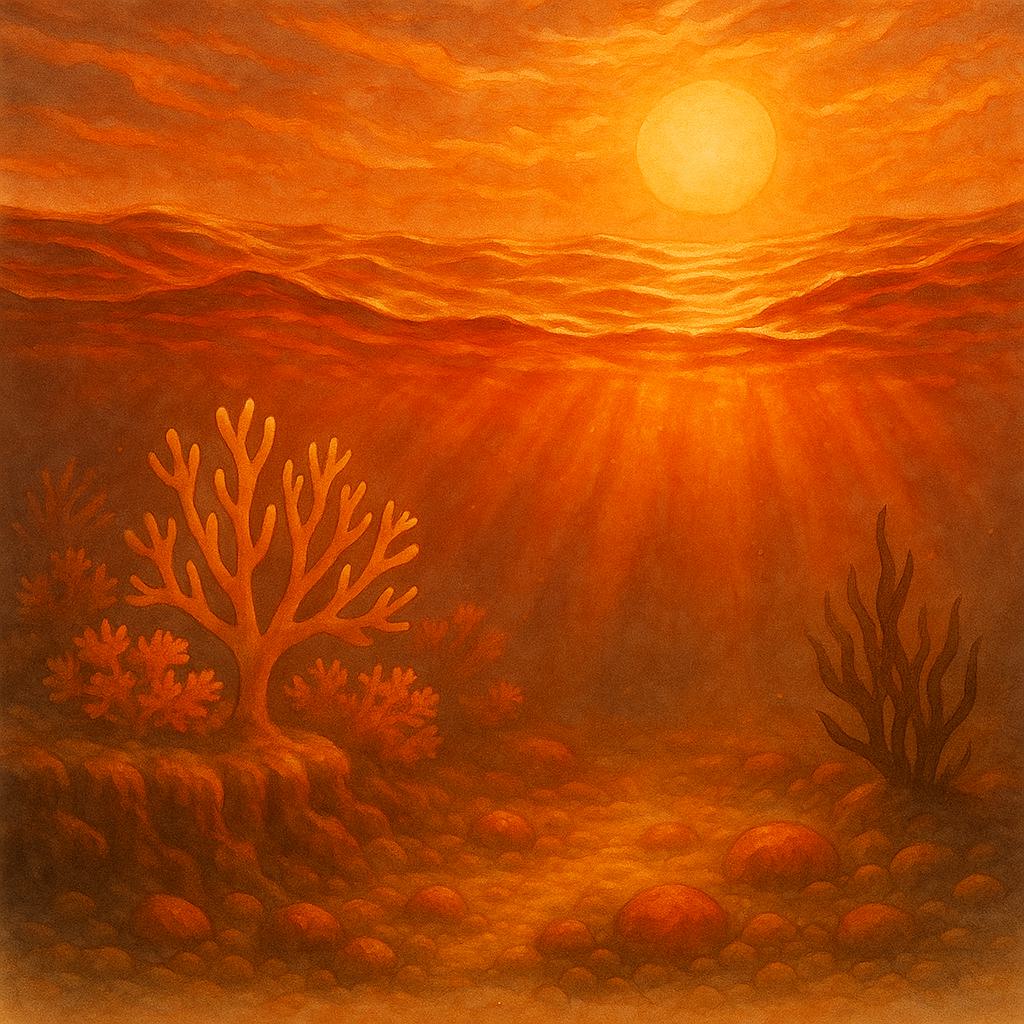
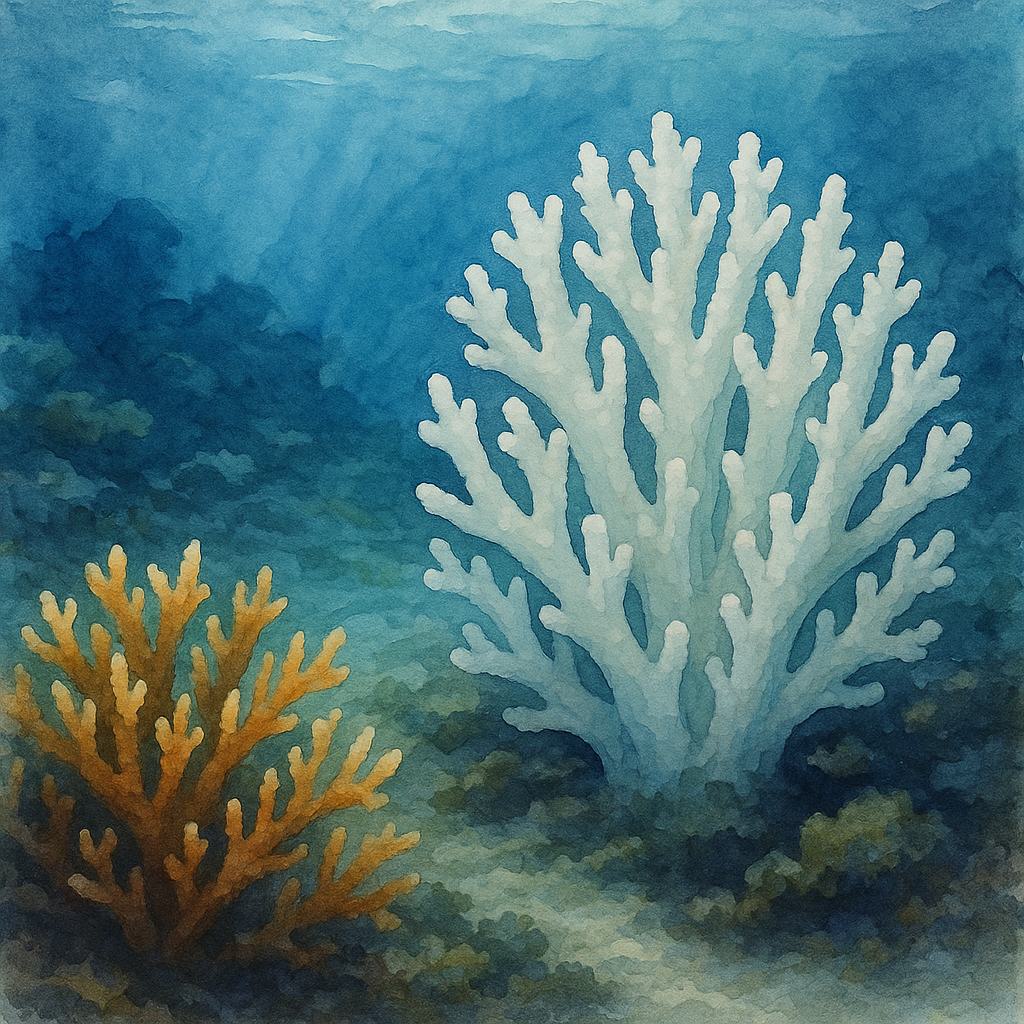
Not always. Bleaching happens when heat stress causes corals to lose much of their symbiotic algae. If temperatures return to normal soon enough, some corals recover. Severe or repeated heat stress can cause widespread mortality and leave too little time for reefs to rebuild.
Ocean Literacy Connections
This resource can be explored through One ocean, many features, Ocean and life shape Earth and Ocean biodiversity.
- How do different ocean places belong to one connected system?
- How do ocean processes and marine life build and reshape Earth?
- How do different ocean conditions create different ecosystems and ways of life?
Explore and connect
Open the ecoregions view to compare regional boundaries, biodiversity context, and related ocean systems.