zooxanthellae
Symbiodinium tridacnidorum
Symbiodinium tridacnidorum is a tiny microscopic alga that lives inside the tissues of giant clams, corals, sponges and other diverse organisms. Using sunlight, these algae produce food that helps support the animals they live with, while receiving shelter and nutrients in return. This relationship is called mutualistic symbiosis, which means that two different species live in close, long-term contact and both benefit from the partnership.
Video
About this species
Species identity
Symbiodinium tridacnidorum is a tiny microscopic alga that lives inside the tissues of giant clams, corals, sponges and other diverse organisms. Using sunlight, these algae produce food that helps support the animals they live with, while receiving shelter and nutrients in return. This relationship is called mutualistic symbiosis, which means that two different species live in close, long-term contact and both benefit from the partnership.
Where it lives
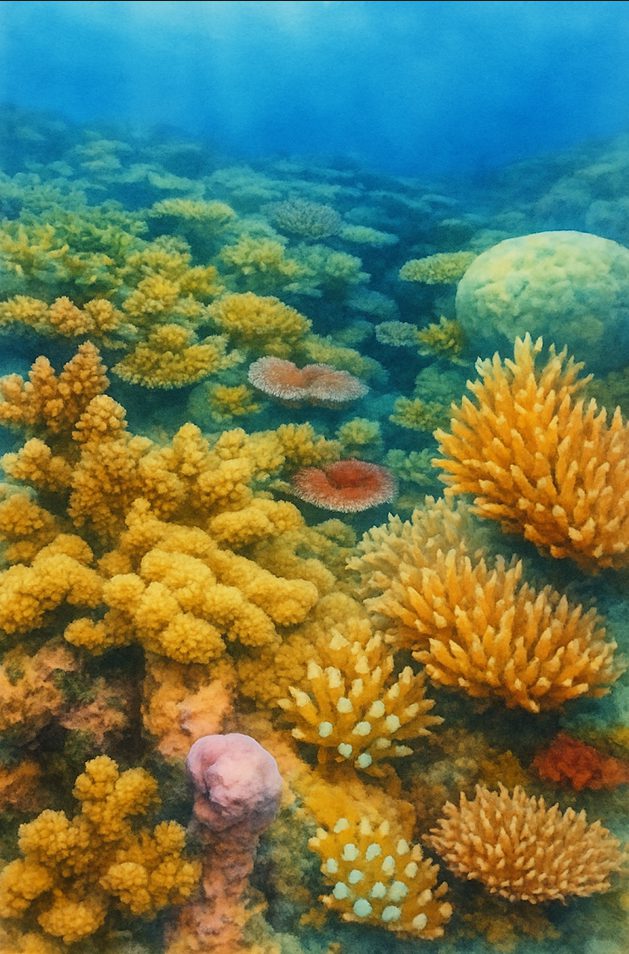
It lives in warm tropical seas, especially in coral reef environments. Because it depends on sunlight for photosynthesis, it is most often found in clear, shallow waters where enough light can reach the reef.
Role in the ecosystem
This alga shares much of this food with the giant clams and other marine animals it lives with, helping them grow and survive. By supporting these animals, it contributes to the productivity and health of coral reef ecosystems.
Scientific reference
Citation
Ocean Literacy Connections
This resource can be explored through Ocean biodiversity and Ocean makes life possible.
- How do different ocean conditions create different ecosystems and ways of life?
- How did the ocean help make Earth a place where life could thrive?
Explore and connect
Open the primary producer view and compare this species with related marine life.
FAQ
What is a mutualistic symbiosis partnership?
A mutualistic symbiosis is a close relationship between two different species in which both benefit.
Why does Symbiodinium tridacnidorum need sunlight?
It uses sunlight to make food through photosynthesis. This food not only helps the algae grow, but also provides energy to the animals that host it.