Polar bear
Ursus maritimus
Sports translucent fur and a layer of blubber that lets it stalk seals on ice at –40 °C
Video
About this species
Species identity
Polar bears are the largest species of bear in the world. Males weigh between 300–700 kg while females weigh 150–350 kg. The length of adult polar bears varies from 180–260 cm. Its thick fur, large body, and strong limbs are adapted for cold conditions, swimming, and hunting on ice.
Where it lives
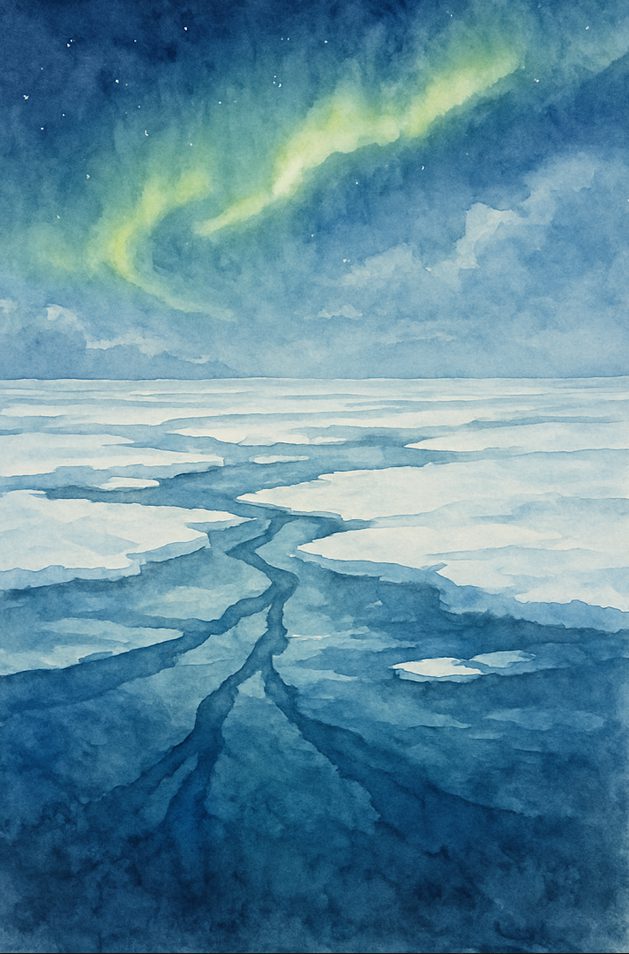
This species has a circumpolar distribution across the Arctic, restricted primarily to sea-ice covered areas in Canada, Alaska, Russia, Greenland, and Norway (Svalbard). Adult bears can spend days at a time in the water and travel very long distances at sea.
Role in the ecosystem
Polar bear is a top predator that mainly feeds on seals. It plays an important role in Arctic food webs by regulating prey populations. By relying on sea ice to hunt, it is closely connected to the structure and dynamics of polar marine ecosystems.
Scientific reference
Citation
Ocean Literacy Connections
This resource can be explored through Ocean biodiversity.
- How do different ocean conditions create different ecosystems and ways of life?
Explore and connect
Open the tertiary consumer view and compare this species with related marine life.



FAQ
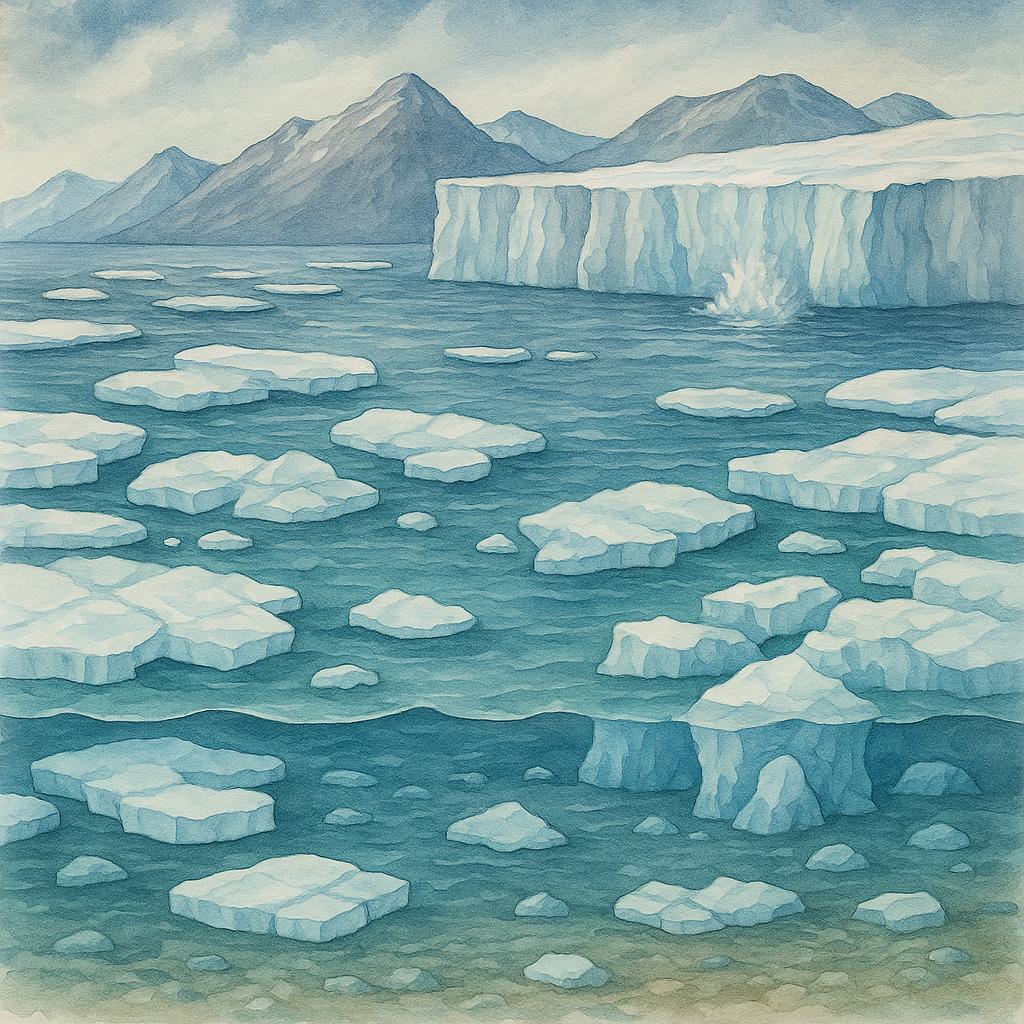
Why do polar bears depend on sea ice?
Polar bears use sea ice as a platform to hunt seals, which are their main food source, making ice essential for their survival.
Are polar bears good swimmers?
Yes, polar bears are strong swimmers and can travel long distances in cold water, using their large front paws to move efficiently.