Step 1: Start with everyday dependence
Ask students how the ocean affects their lives, including students who live far from the coast.
The ocean affects human life through weather, climate, freshwater, food, transport, resources, livelihoods, culture, and recreation. At the same time, human activities change ocean ecosystems, chemistry, habitats, and the atmosphere.
People depend on ocean processes, resources, and places in direct and indirect ways, including far from the coast.
The ocean absorbs, stores, and releases heat. Ocean circulation redistributes heat around the planet, moderating temperatures and influencing weather and climate.
Ocean evaporation drives much of the water cycle. Water that evaporates from the ocean eventually returns as rain or snow, affecting freshwater supplies, agriculture, infrastructure, ecosystems, and human health.
People depend on the ocean for food, medicines, materials, energy, shipping, tourism, recreation, and many different livelihoods. Coastal and ocean activities are therefore deeply connected to economies and societies.
Photosynthetic ocean organisms also produce much of the oxygen used by people, connecting human life to microscopic marine organisms.
The ocean is an important part of cultural identity, heritage, inspiration, discovery, and recreation.
Coasts provide access to resources, transport, work, culture, and recreation, while also exposing communities to ocean hazards.
Many people live near the ocean because coasts provide food, transport, employment, recreation, cultural connections, and access to marine resources.
Coastal communities can also be exposed to hurricanes, cyclones, storm surge, flooding, tsunamis, erosion, and sea-level change. Understanding these hazards helps communities prepare, respond, and reduce risk.
Fishing, development, pollution, and greenhouse gas emissions alter ocean habitats, food webs, chemistry, and physical conditions.
Fishing and aquaculture, shipping, coastal construction, extraction, pollution, and changes to rivers and wetlands can alter habitats, species populations, food webs, and water quality.
Human activities can also introduce non-native species, change sediment and freshwater flows, generate underwater noise, and move plastics, oil, chemicals, sewage, and other waste into the ocean.
How these activities are managed helps determine whether their effects are relatively sustainable or damaging.
Human-driven increases in greenhouse gases contribute to ocean warming. Additional atmospheric carbon dioxide also dissolves in seawater and changes ocean chemistry, including through ocean acidification.
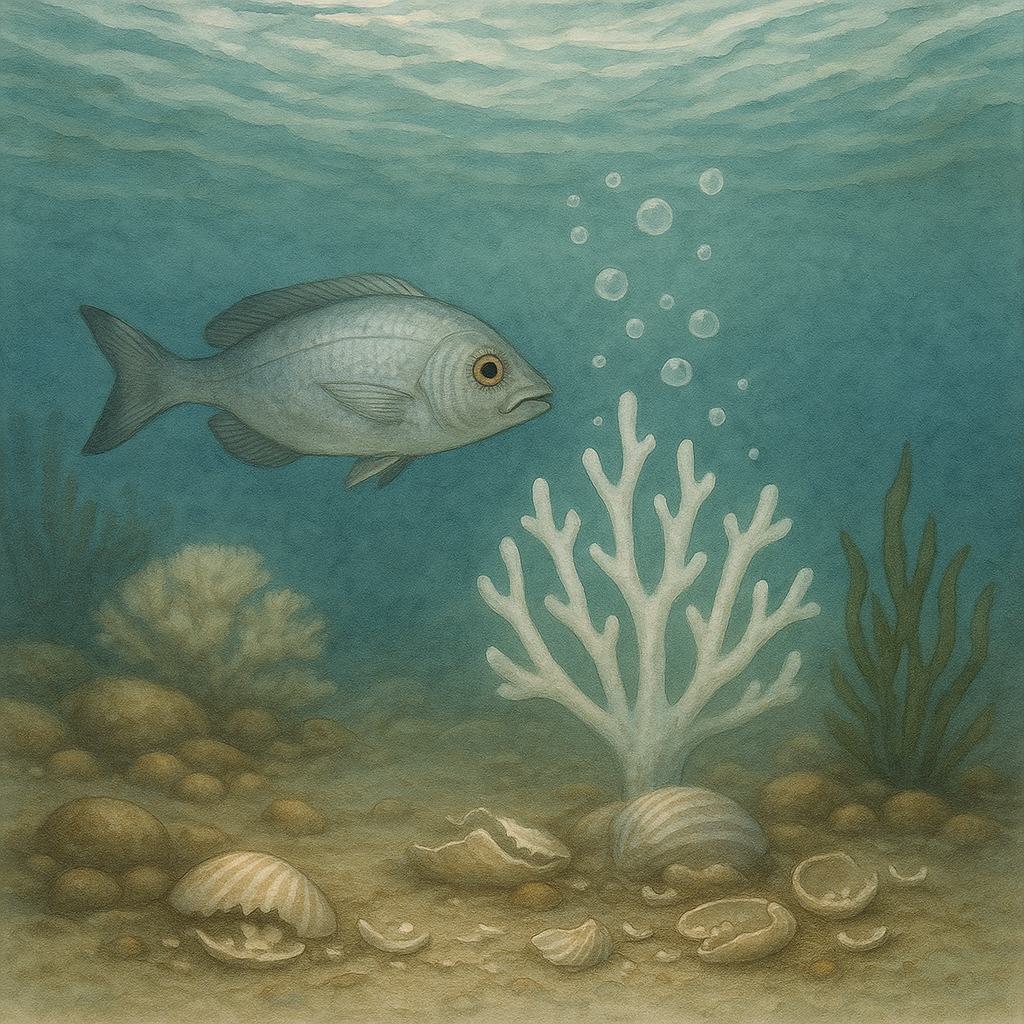
Warming and acidification can affect organisms, habitats, reproduction, shell formation, coral health, species distributions, and ecosystem processes.
Individual choices, collective action, scientific evidence, laws, and management all influence the future condition of the ocean.
Laws, marine protected areas, fisheries management, pollution reduction, responsible coastal construction, habitat restoration, research, and education can all influence the future condition of the ocean.
Individuals also affect the ocean through what they buy, how they travel, how they use energy, how they dispose of waste, which organizations and policies they support, and what they share with others.
Effective ocean stewardship combines individual choices with community action, scientific evidence, regulation, and cooperation among countries.
Ask students how the ocean affects their lives, including students who live far from the coast.
Connect food, shipping, employment, culture, recreation, and coastal communities to ocean environments and species.
Use overfishing, pollution, coastal development, shipping, or climate change to follow how an activity changes ocean habitats, chemistry, or food webs.
Explore fisheries management, marine protection, restoration, regulation, research, education, or changes in individual and collective behavior.
The ocean and human society continually affect one another. Ocean processes support freshwater, climate, food, livelihoods, culture, and transport, while human activities alter habitats, food webs, chemistry, and physical conditions.
Students should come away understanding that people depend on the ocean wherever they live, human activities can create both benefits and harm, and management and individual choices can change future ocean outcomes.
Classroom prompt: Choose one way people depend on the ocean and one way people change it. How are the two connected?
Compare overfishing, oil spills, marine reserves, coastal communities, and other mapped layers to see where ocean uses, pressures, hazards, and protection overlap.
Trace how species, habitats, threats, opportunities, and management actions are connected across marine systems.
Use cards such as Overfishing, Oil Spill, Storm Surge, Ocean Acidification, and Marine Reserve to discuss dependence, impacts, hazards, and possible responses.
Ecoregion
Use the Mediterranean Sea to connect coastal settlement, shipping, tourism, fisheries, pollution, climate stress, and management in one place.
Threat
Use Overfishing to discuss how dependence on ocean food and income can alter populations, food webs, and marine ecosystems.
Opportunity
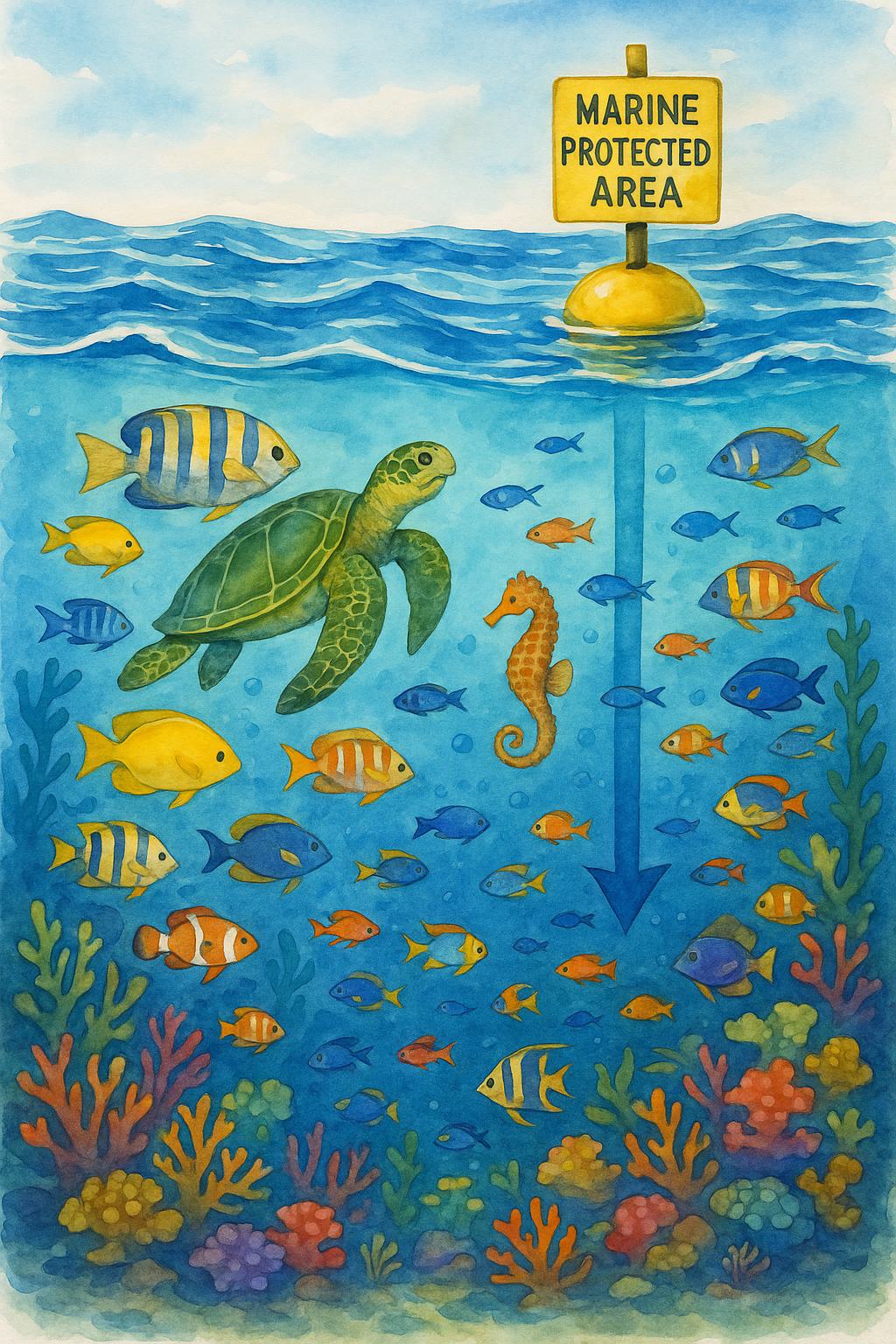
Use Marine Reserve to discuss protection, fisheries management, collective action, and long-term ecosystem recovery.
Tool
Use WebGIS to compare where overfishing, oil spills, coastal communities, marine reserves, and other human–ocean connections occur.
Species
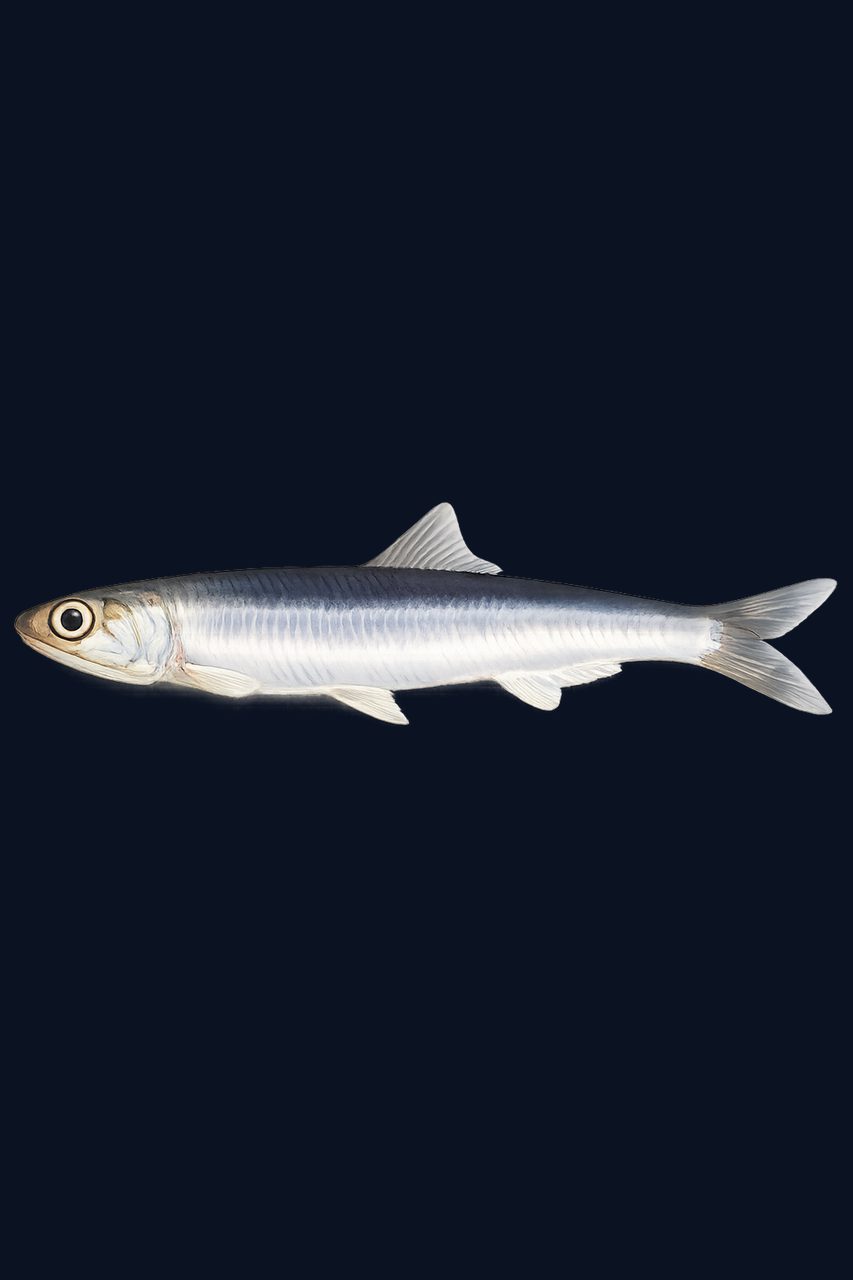
European anchovy helps explain this principle because people depend on marine food webs and fisheries for food, jobs, and coastal economies.
Species
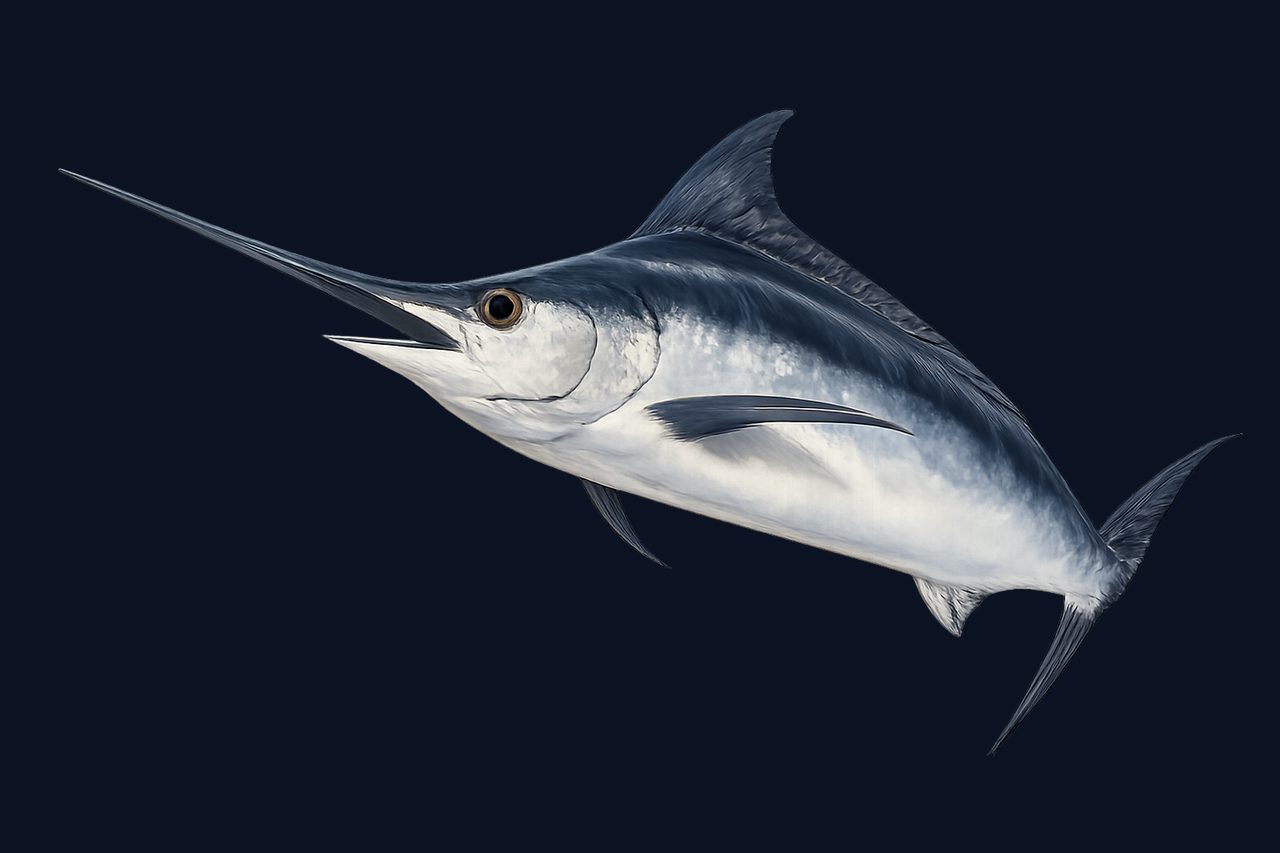
Swordfish illustrates how a migratory ocean species becomes part of trade, fisheries management, and debates about sustainable extraction.

Species
Turtlegrass helps show that coastal habitats support fisheries, nursery grounds, shoreline stability, and human coastal protection.
Species
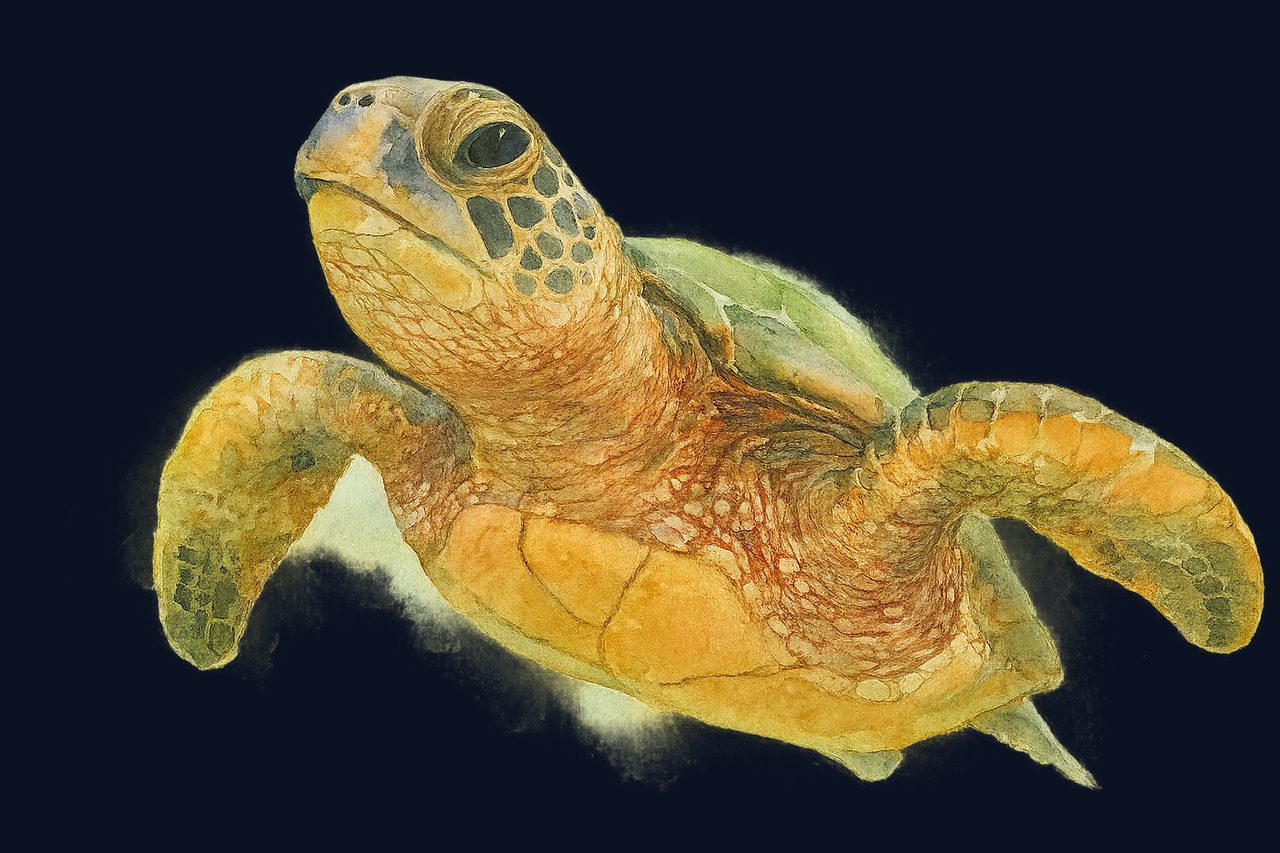
Green sea turtle helps connect human impacts such as habitat change, warming, and pollution to biodiversity and conservation responsibility.
Ecoregion
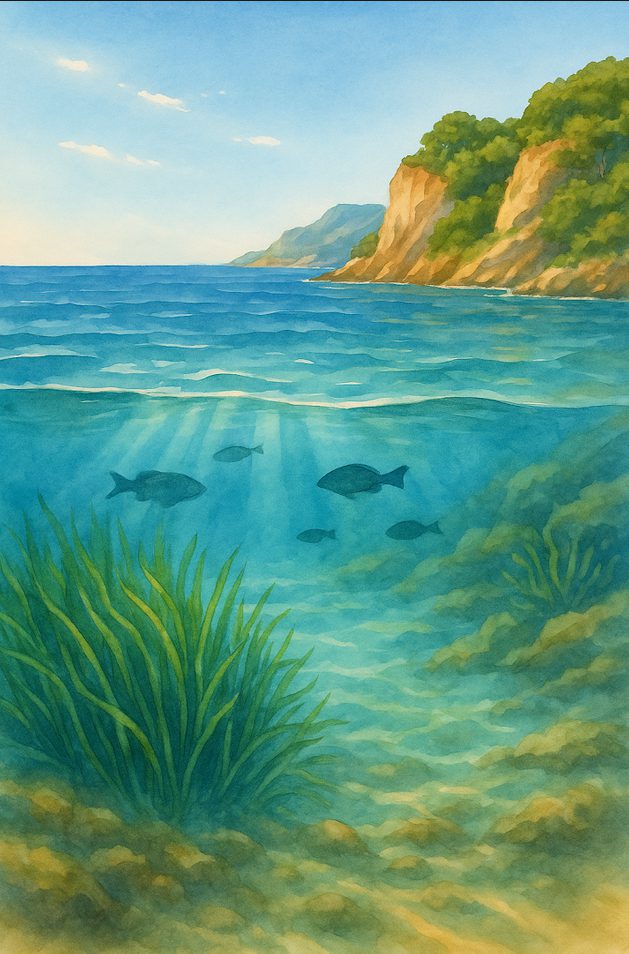
Distinctive: This semi-enclosed sea is intensely used for shipping, fishing, tourism, and coastal settlement.
Connected to the global system: It helps explain how human uses, climate stress, and pollution can accumulate in a connected marine region.
Ecoregion
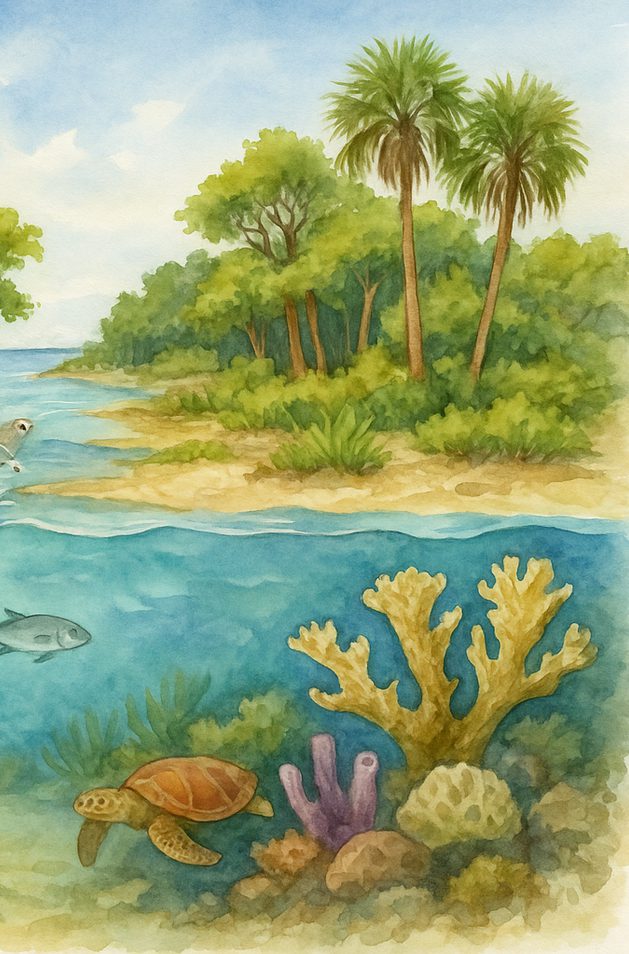
Distinctive: This low-lying coastal system links reefs, mangroves, tourism, fisheries, and storm exposure.
Connected to the global system: It shows how human livelihoods, habitat protection, sea-level risk, and coastal water quality are tightly connected.
Ecoregion
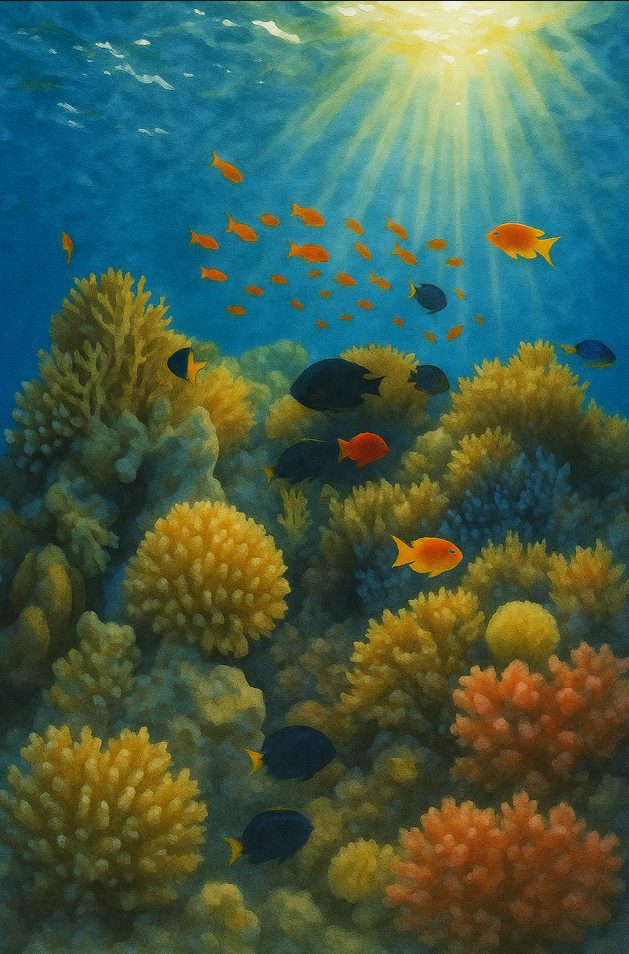
Distinctive: This reef system supports fisheries, tourism, biodiversity, and coastal protection across several countries.
Connected to the global system: It helps explain how marine ecosystems support people while also depending on management, habitat care, and climate resilience.
Threat
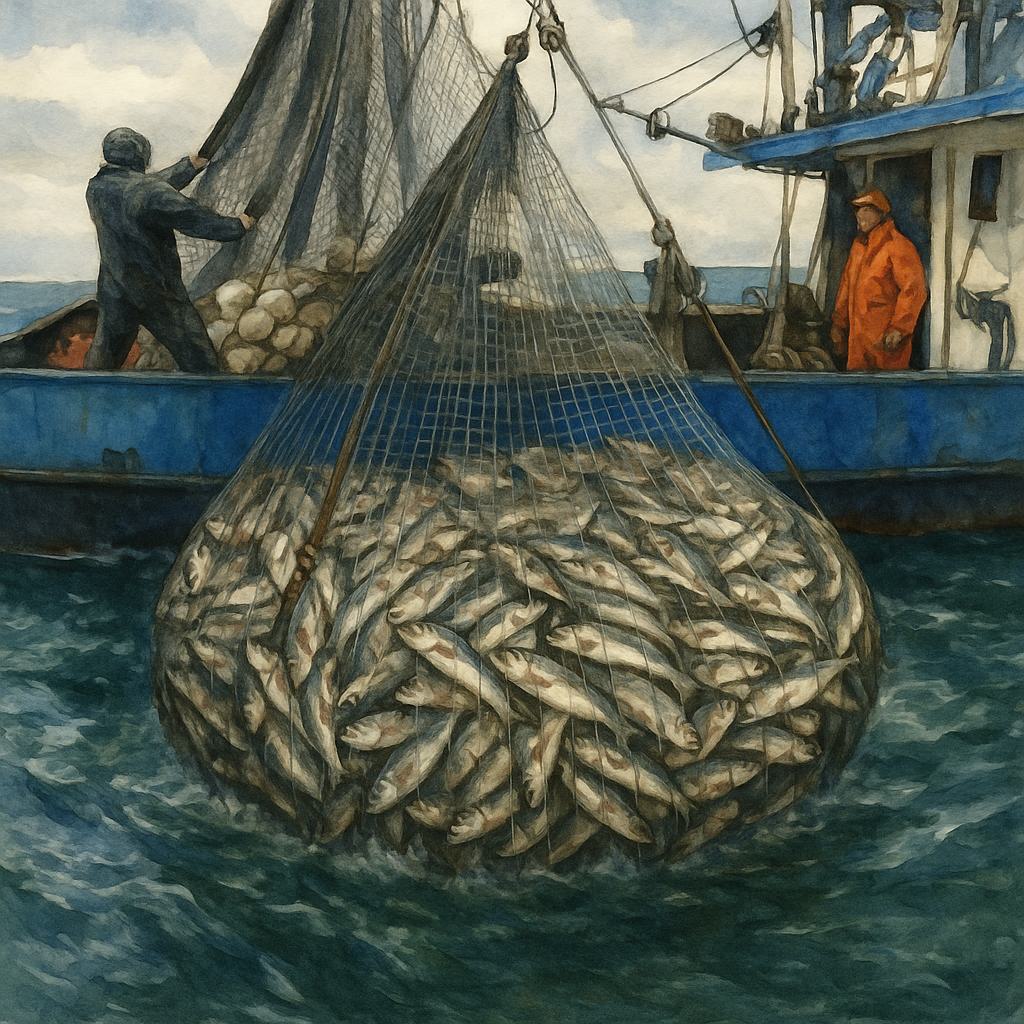
Overfishing illustrates the principle by showing how dependence on marine food and income can destabilize food webs when extraction exceeds recovery.
Threat
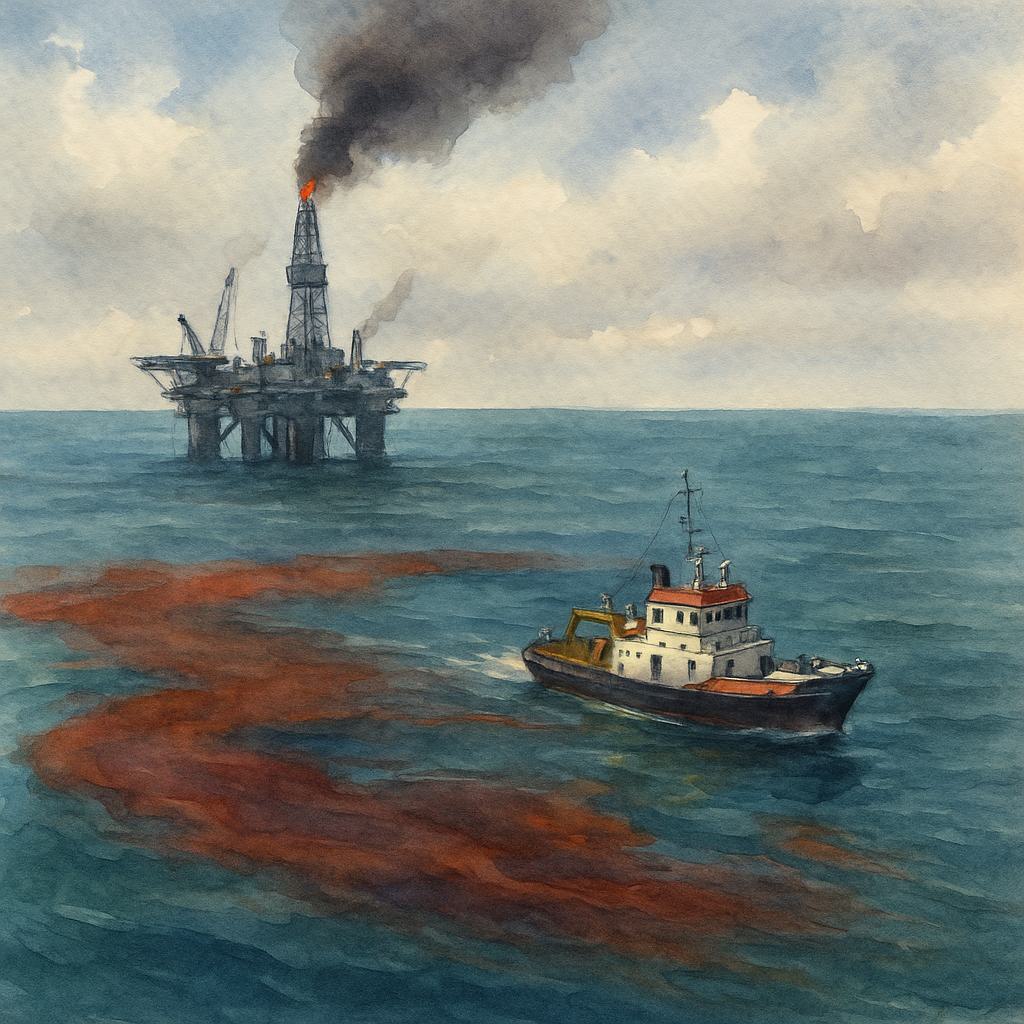
Oil Spill illustrates the principle by linking shipping, energy systems, coastal economies, and ecosystem damage.
Threat
Ocean Acidification illustrates the principle by showing how human carbon emissions change ocean chemistry and affect marine organisms.
Opportunity
Marine Reserve illustrates the principle by showing that people can also protect habitats and manage ocean use more responsibly.