Giant kelp
Macrocystis pyrifera
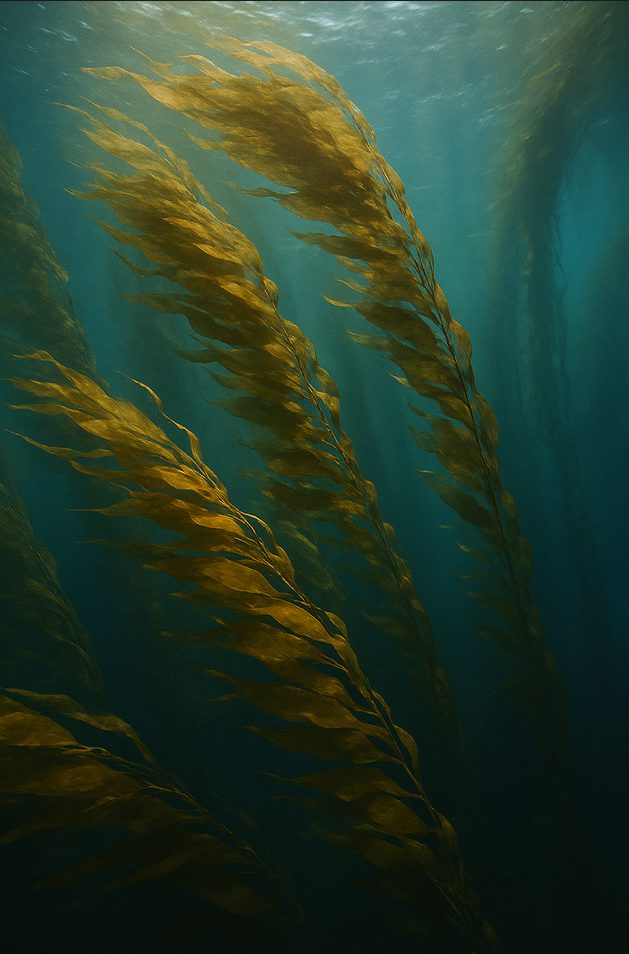
Commonly known as giant kelp, is one of the largest seaweeds in the world and can grow more than 30 meters long. It has long brown fronds with small gas-filled bladders that keep its leaves floating toward the sunlight. Attached to the seafloor by root-like holdfasts, giant kelp forms underwater forests that sway with the ocean currents.
Video
About this species
Species identity
Commonly known as giant kelp, is one of the largest seaweeds in the world and can grow more than 30 meters long. It has long brown fronds with small gas-filled bladders that keep its leaves floating toward the sunlight. Attached to the seafloor by root-like holdfasts, giant kelp forms underwater forests that sway with the ocean currents.
Where it lives
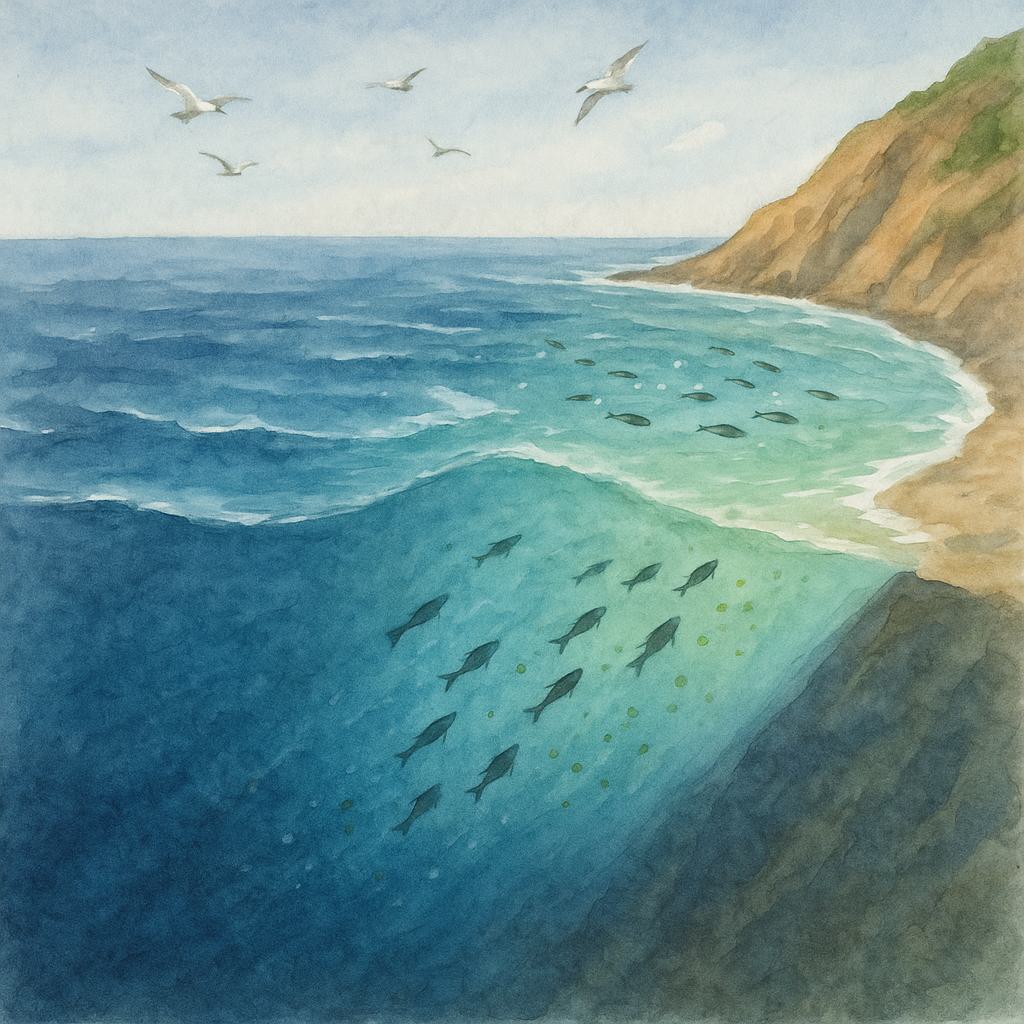
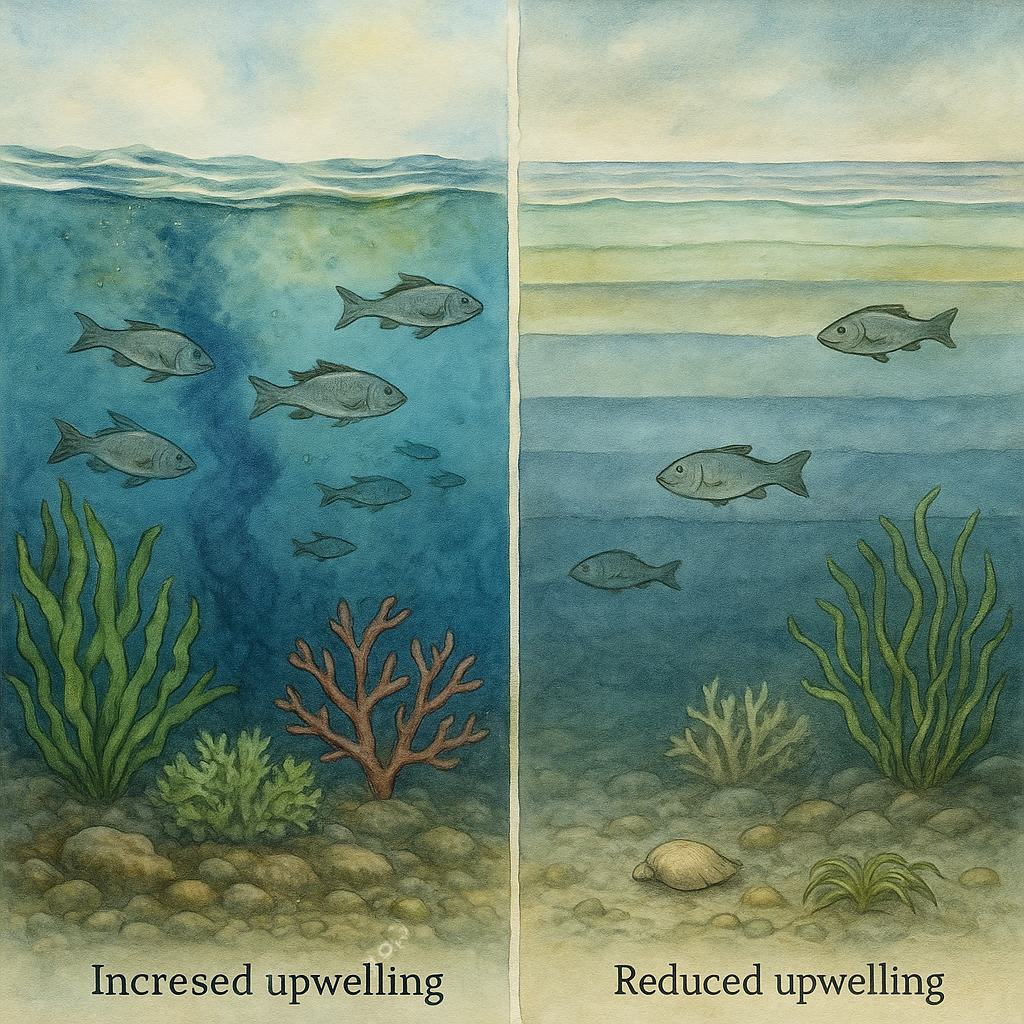
It is found along rocky coastlines in cool and temperate oceans around the world. It grows in shallow coastal waters where sunlight reaches the seafloor, especially along the Pacific coasts of North and South America, South Africa, southern Australia, and New Zealand. This species thrives in nutrient-rich waters and areas with strong wave action or coastal upwelling.
Role in the ecosystem
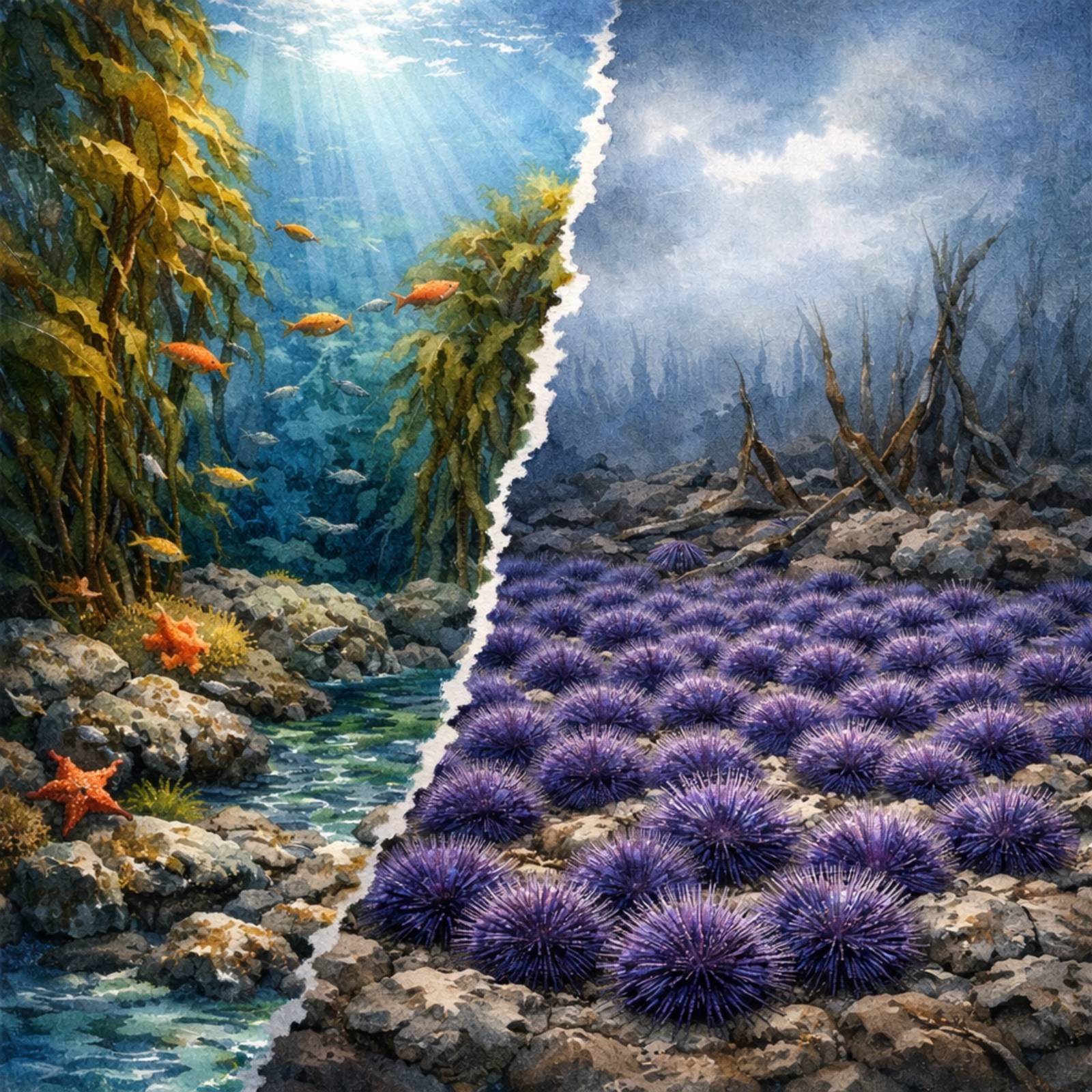
It makes its own food using sunlight and forms the base of giant kelp forest ecosystems. Its underwater forests provide food, shelter, and breeding areas for fish, invertebrates, seabirds, and marine mammals. Giant kelp also helps produce oxygen and supports some of the most diverse coastal habitats in the ocean.
Scientific reference
Citation
Ocean Literacy Connections
This resource can be explored through Ocean biodiversity and Ocean makes life possible.
- How do different ocean conditions create different ecosystems and ways of life?
- How did the ocean help make Earth a place where life could thrive?
Explore and connect
Open the primary producer view and compare this species with related marine life.
FAQ
Can giant kelp create underwater forests?
Yes! Giant kelp grows so tall and densely that it forms underwater forests. These forests provide homes for hundreds of different species, much like forests do on land.
What are the little bubbles on giant kelp for?
Those are gas-filled bladders that act like tiny floats, lifting the kelp's blades toward the sunlight so they can capture more energy for photosynthesis.