Halfmoon
Medialuna californiensis
Commonly known as the halfmoon, is a medium-sized coastal fish that typically grows to about 30–50 cm in length. It has a deep, oval-shaped body with a silvery-blue color and a distinctive dark crescent-shaped mark near its tail, which gives the species its common name. Halfmoons often swim in schools through kelp forests and rocky reefs, where they search for food during the day.
Video
About this species
Species identity
Commonly known as the halfmoon, is a medium-sized coastal fish that typically grows to about 30–50 cm in length. It has a deep, oval-shaped body with a silvery-blue color and a distinctive dark crescent-shaped mark near its tail, which gives the species its common name. Halfmoons often swim in schools through kelp forests and rocky reefs, where they search for food during the day.
Where it lives
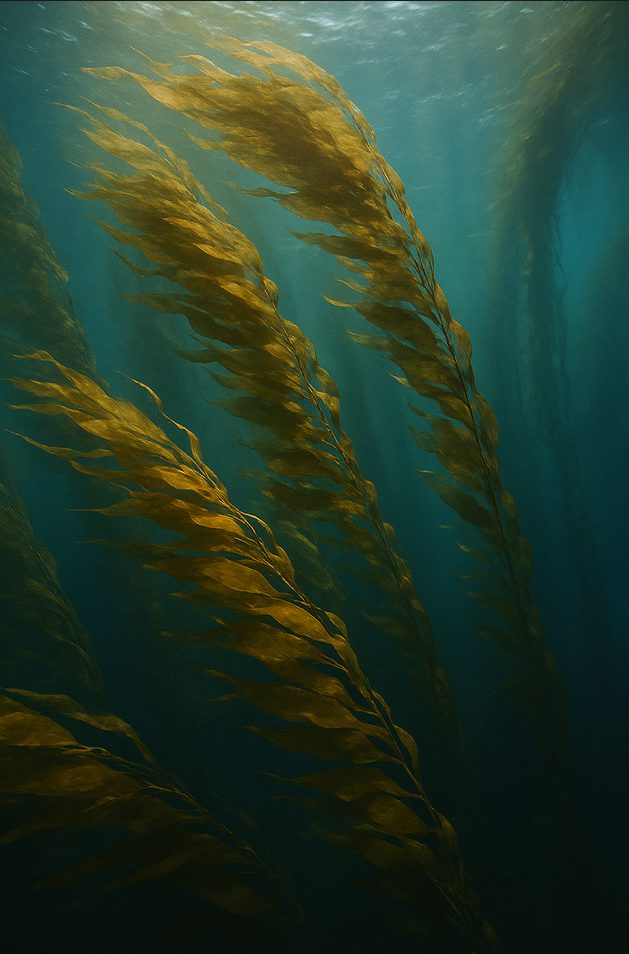
It is found along the eastern Pacific coast, from British Columbia in Canada to the Baja California Peninsula in Mexico. It lives in shallow coastal waters, especially around rocky reefs, kelp forests, and areas with abundant seaweed. Juveniles often shelter among dense kelp, while adults move through nearby reefs and coastal habitats.
Role in the ecosystem
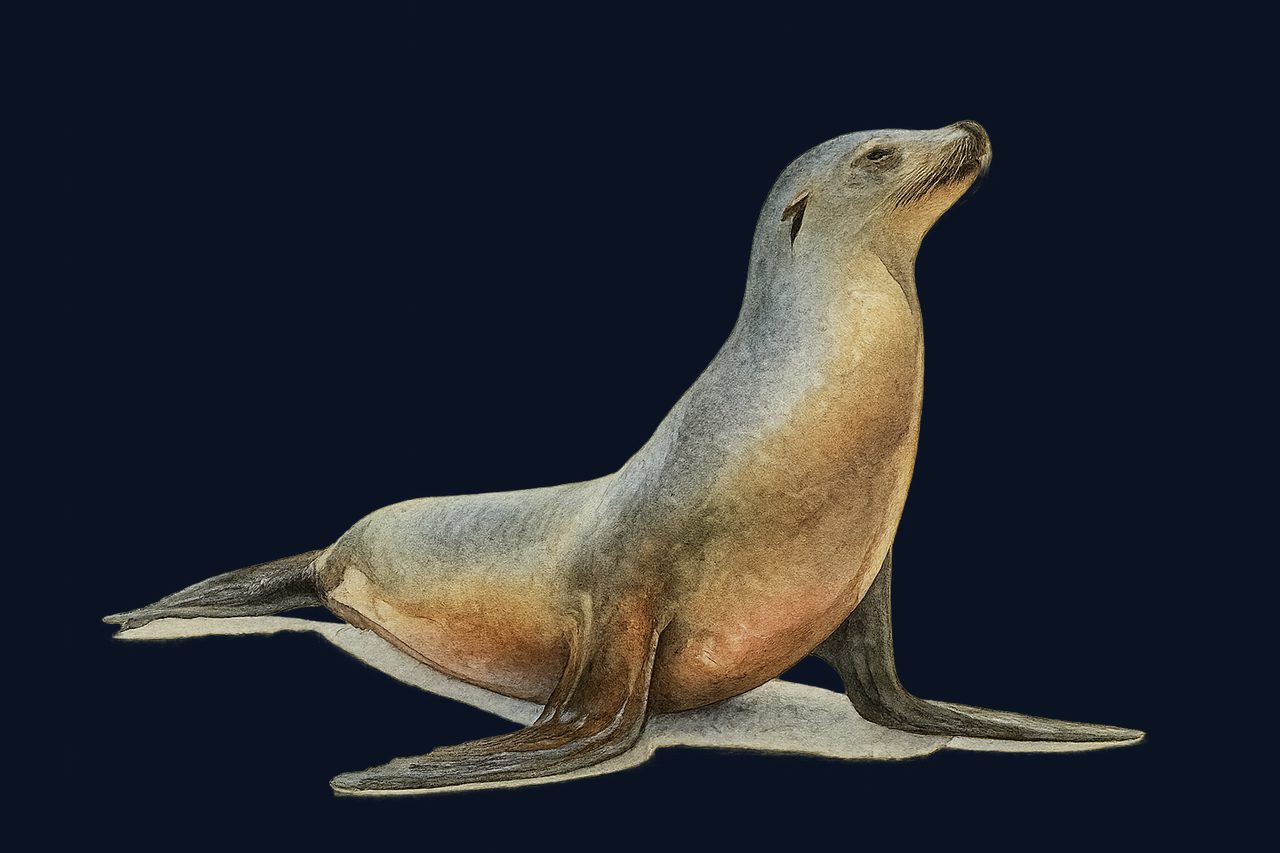
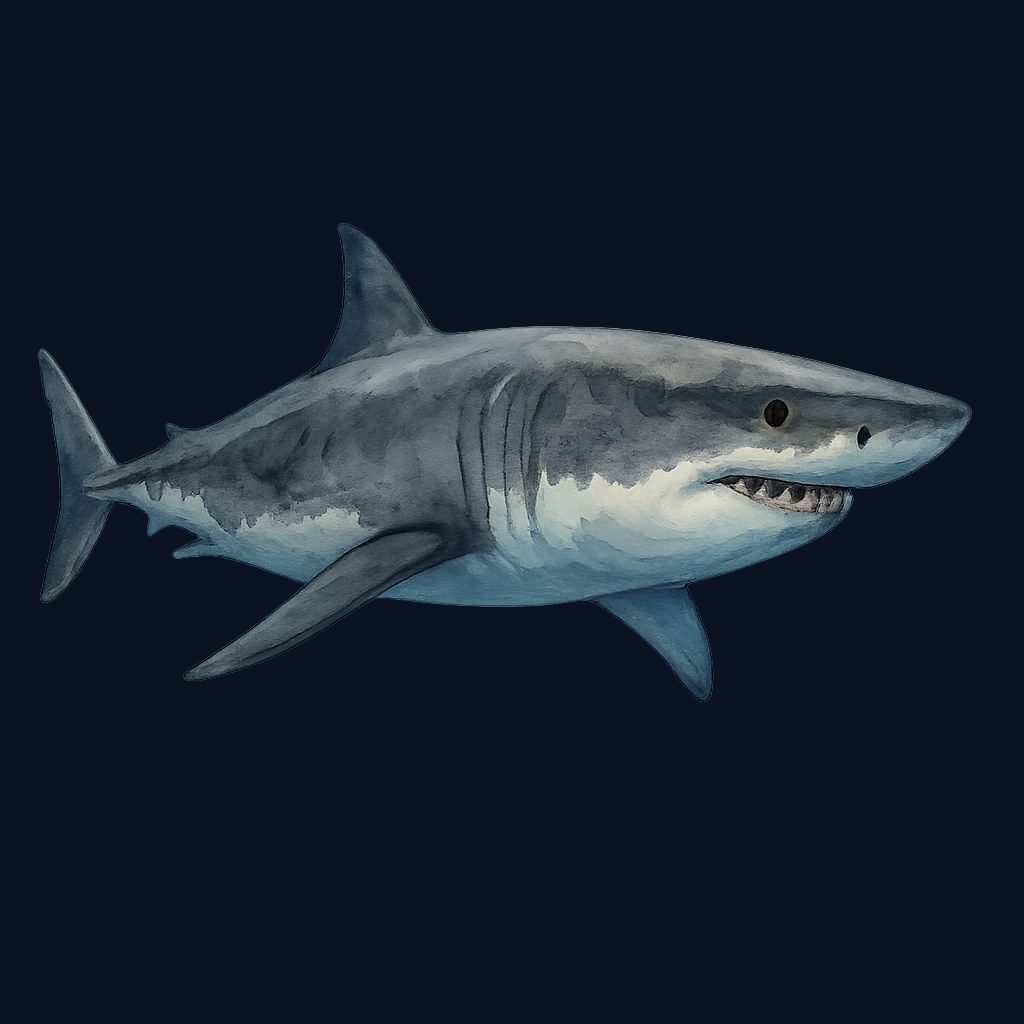
It feeds mainly on seaweeds and other marine algae, although it also eats small invertebrates. It helps keep kelp forest ecosystems healthy by grazing on algae, while also serving as prey for larger fish, sharks, and marine mammals. This makes it an important link between underwater plants and top predators.
Scientific reference
Citation
Ocean Literacy Connections
This resource can be explored through Ocean biodiversity.
- How do different ocean conditions create different ecosystems and ways of life?
Explore and connect
Open the primary consumer view and compare this species with related marine life.
FAQ
Why is it called the halfmoon?
The halfmoon gets its name from the dark, crescent-shaped mark near its tail, which looks like a half moon when viewed from the side.
Can halfmoons hide in kelp forests?
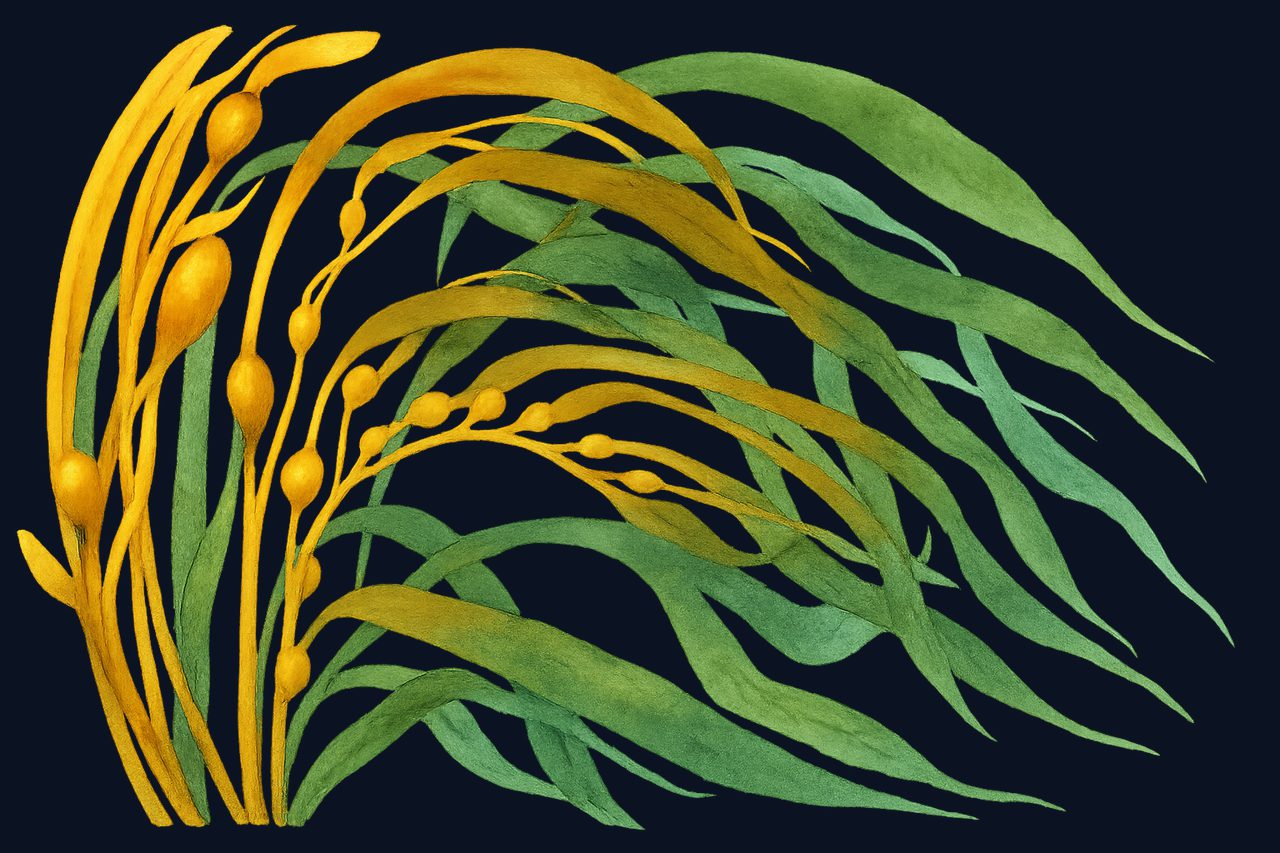
Yes! Young halfmoons often use the dense leaves of giant kelp as a safe place to hide from predators while they grow.