Great white shark
Carcharodon carcharias
Commonly known as the great white shark, is one of the largest predatory fish in the world, growing up to about 6 meters in length. It has a powerful torpedo-shaped body, a white underside, and a gray upper body that helps it blend into the ocean. This fast and highly skilled hunter uses its sharp teeth and excellent senses to find prey in coastal and open-ocean waters.
Video
About this species
Species identity
Commonly known as the great white shark, is one of the largest predatory fish in the world, growing up to about 6 meters in length. It has a powerful torpedo-shaped body, a white underside, and a gray upper body that helps it blend into the ocean. This fast and highly skilled hunter uses its sharp teeth and excellent senses to find prey in coastal and open-ocean waters.
Where it lives
It is found in temperate and subtropical oceans around the world. It lives in both coastal and offshore waters, especially near islands and continental shelves. Some individuals travel thousands of kilometers across the open ocean during their seasonal migrations.
Role in the ecosystem
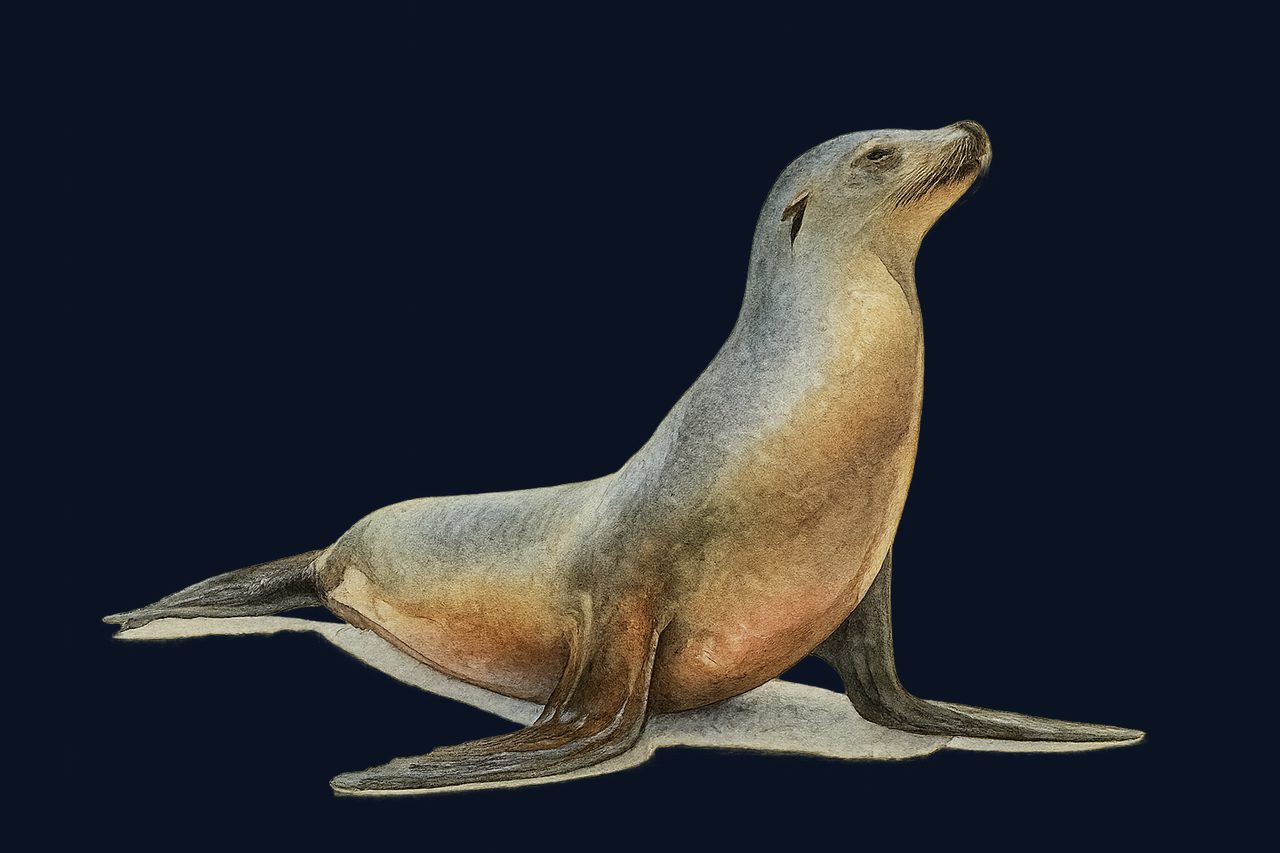
It is a top predator that feeds on fish, sharks, rays, seals, and other marine animals. By helping control the numbers and behavior of its prey, it contributes to keeping marine food webs balanced. Healthy populations of great white sharks support strong and diverse ocean ecosystems.
Scientific reference
Citation
Ocean Literacy Connections
This resource can be explored through Ocean biodiversity and One ocean, many features.
- How do different ocean conditions create different ecosystems and ways of life?
- How do different ocean places belong to one connected system?
Explore and connect
Open the species distribution layer to compare this range with ocean basins, ecosystems, and related marine context.









FAQ
Do great white sharks have to keep swimming all the time?
They swim most of the time to help water flow over their gills, but they can also glide through the water and use different swimming techniques to save energy.
How many teeth does a great white shark have?
A great white shark usually has about 300 teeth arranged in several rows. When one tooth falls out, another quickly moves forward to replace it, giving the shark a constant supply of sharp teeth.