California sea lion
Zalophus californianus
Commonly known as the California sea lion, is a marine mammal that can grow up to about 2.5 meters long. It has a streamlined body, strong front flippers, and small external ear flaps that help distinguish it from true seals. California sea lions are agile swimmers and are well known for their playful behavior both in the water and on rocky shores.
Video
About this species
Species identity
Commonly known as the California sea lion, is a marine mammal that can grow up to about 2.5 meters long. It has a streamlined body, strong front flippers, and small external ear flaps that help distinguish it from true seals. California sea lions are agile swimmers and are well known for their playful behavior both in the water and on rocky shores.
Where it lives
It is found along the Pacific coast of North America, from British Columbia in Canada to central Mexico, including the Gulf of California. It spends much of its time in coastal waters, around rocky islands, beaches, harbors, and kelp forests. California sea lions often travel long distances to feed but return to land to rest, breed, and care for their young.
Role in the ecosystem
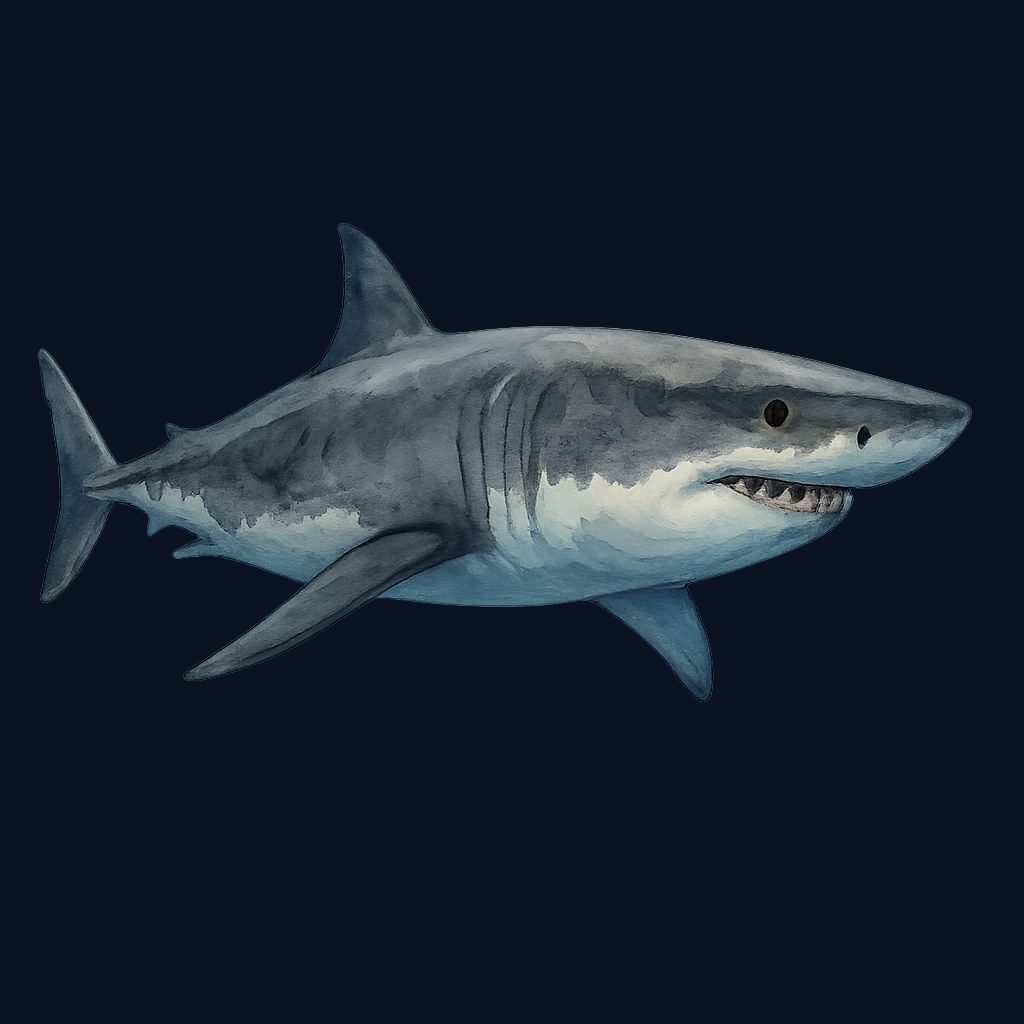
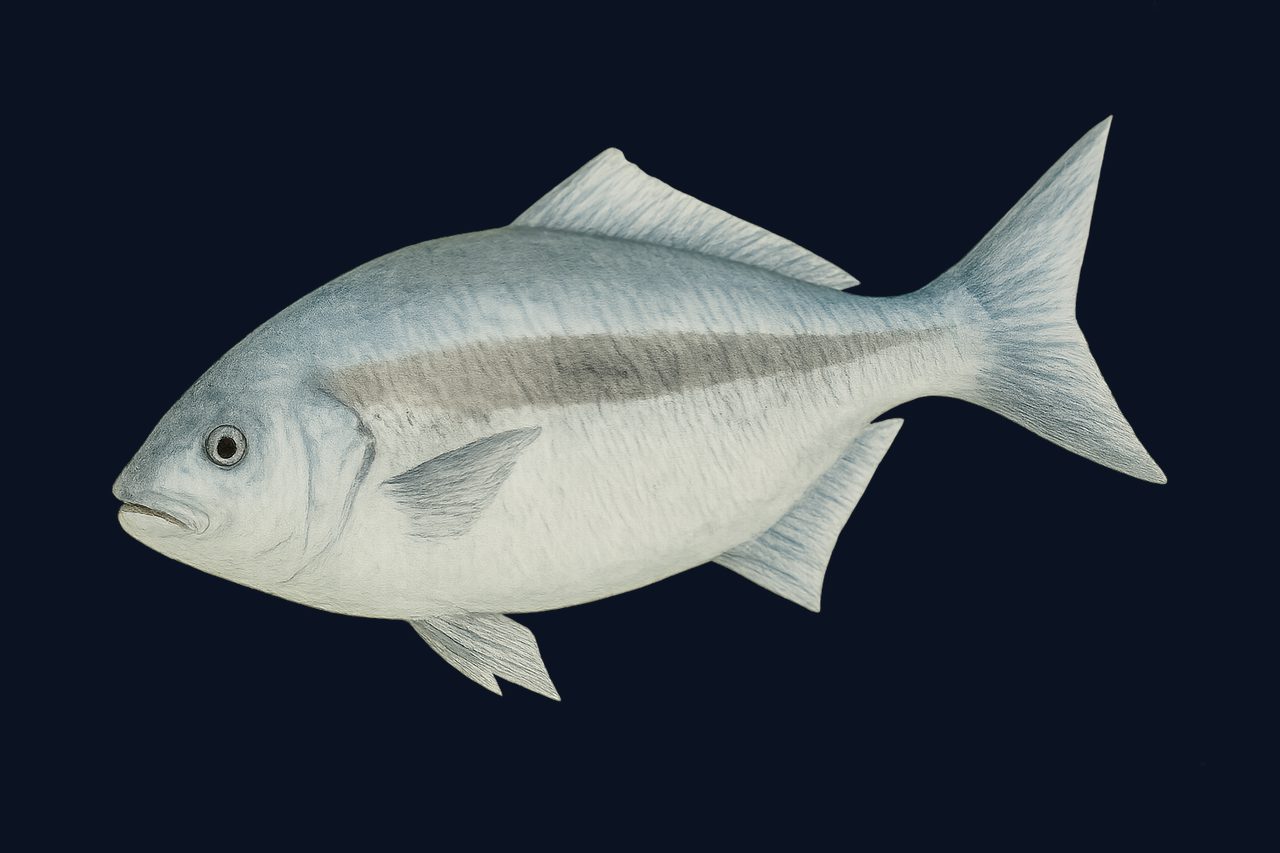
It feeds on fish, squid, and octopuses, helping keep their populations balanced. It is also prey for large predators such as great white sharks and killer whales. As both a predator and prey, it plays an important role in maintaining healthy coastal marine food webs.
Scientific reference
Citation
Ocean Literacy Connections
This resource can be explored through Ocean biodiversity.
- How do different ocean conditions create different ecosystems and ways of life?
Explore and connect
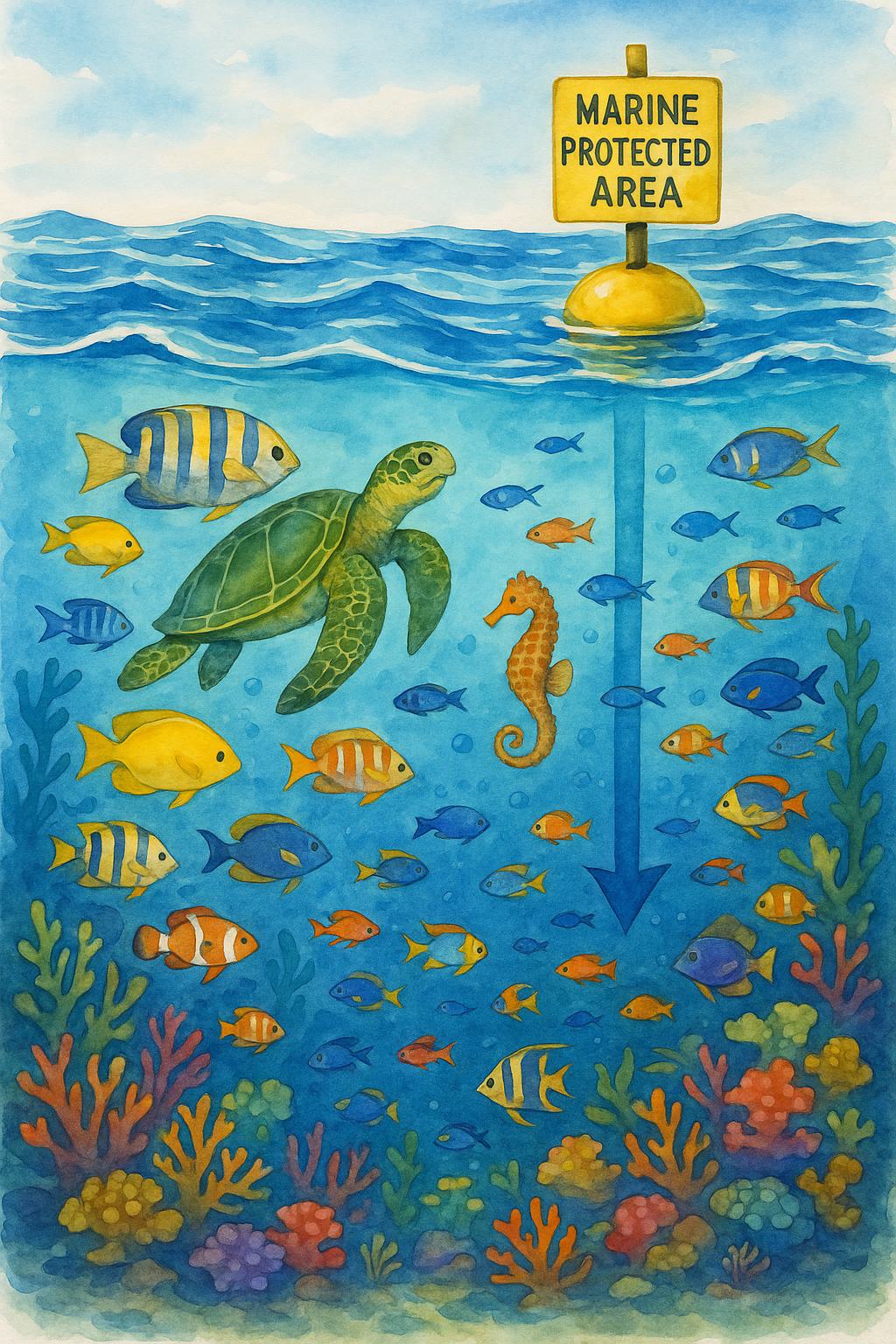
Open the secondary consumer view and compare this species with related marine life.





FAQ
Can California sea lions sleep in the water?
Yes! California sea lions can sleep while floating at the surface or drifting underwater for short periods. They often hold one flipper in the air to help regulate their body temperature.
Why are California sea lions so noisy?
They use loud barks, growls, and calls to communicate with each other. These sounds help mothers and pups find one another and allow adults to defend their territory during the breeding season.