Needle diatom
Nitzschia
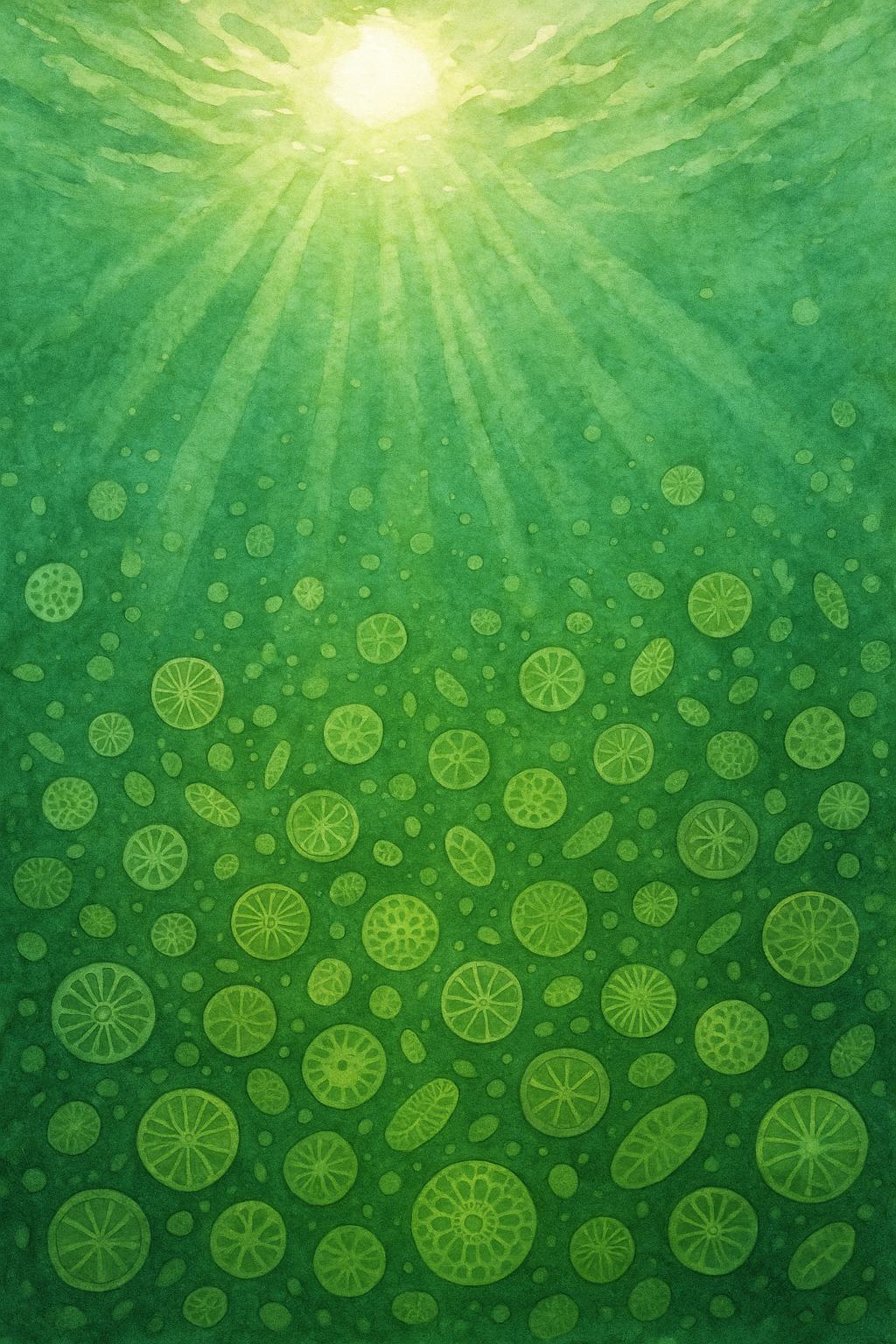
They float together in loose groups, and they look like tiny needles in the water.
Video
About this species
Species identity
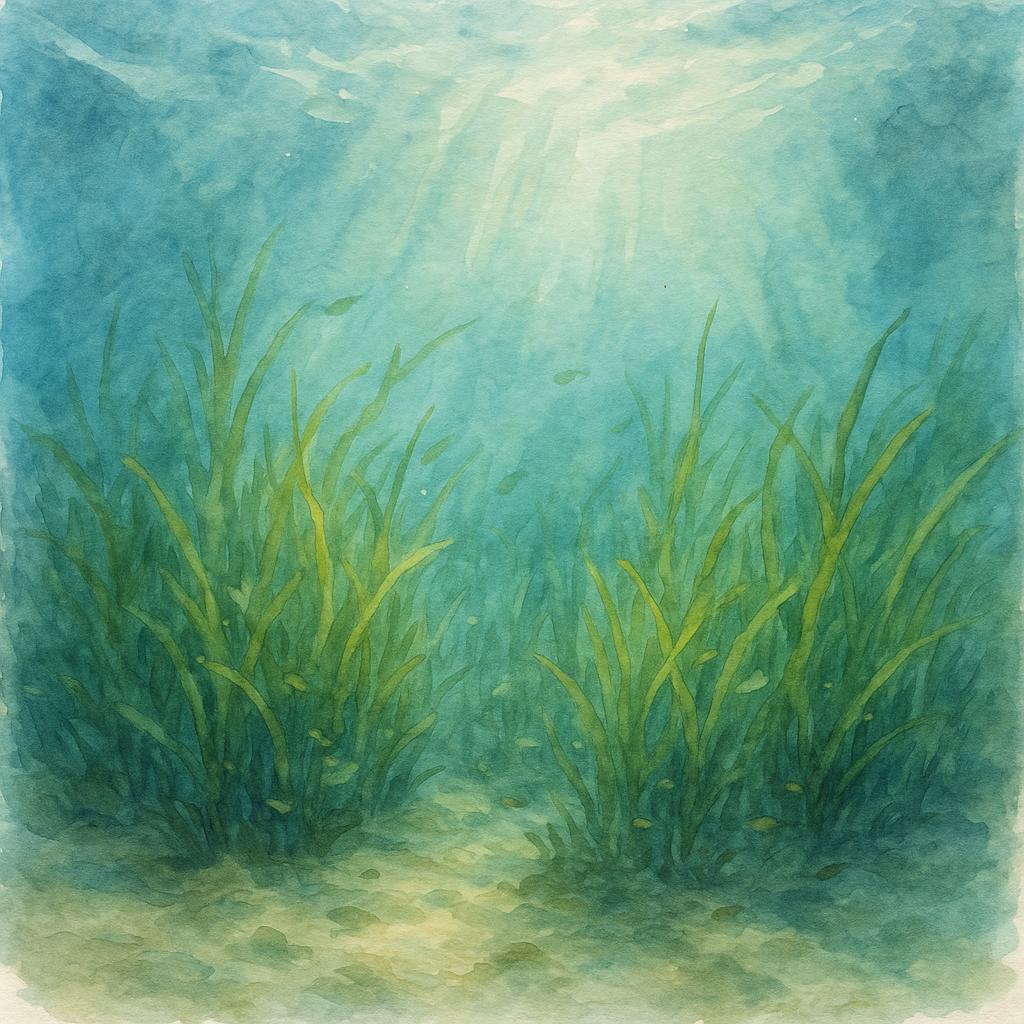
Nitzschia species are tiny microscopic organisms called diatoms that live as part of the phytoplankton. They are usually long and thin in shape, with cell walls made of a glass-like material that has fine patterns. Nitzschia species are commonly found attached to marine plants, including seagrasses and algae, in the shallow, high-salinity waters around the Florida Keys.
Where it lives
Nitzschia species are found worldwide, including in tropical and subtropical regions such as the Florida Keys. They occur in coastal waters, lagoons, and shallow marine environments.
Some species live freely in the water column, while others grow on sediments, seagrass, or other surfaces.
They are common in sunlit waters where nutrients are available.
Role in the ecosystem
Nitzschia species make their own food using sunlight. They are eaten by tiny drifting animals and other small organisms, helping pass energy through the ocean. In coastal areas, they also help keep nutrients moving and support life in the water.
Scientific reference
Citation
Ocean Literacy Connections
This resource can be explored through Ocean biodiversity, Ocean makes life possible and One ocean, many features.
- How do different ocean conditions create different ecosystems and ways of life?
- How did the ocean help make Earth a place where life could thrive?
- How do different ocean places belong to one connected system?
Explore and connect
Open the primary producer view and compare this species with related marine life.
FAQ
Are all Nitzschia species harmless?
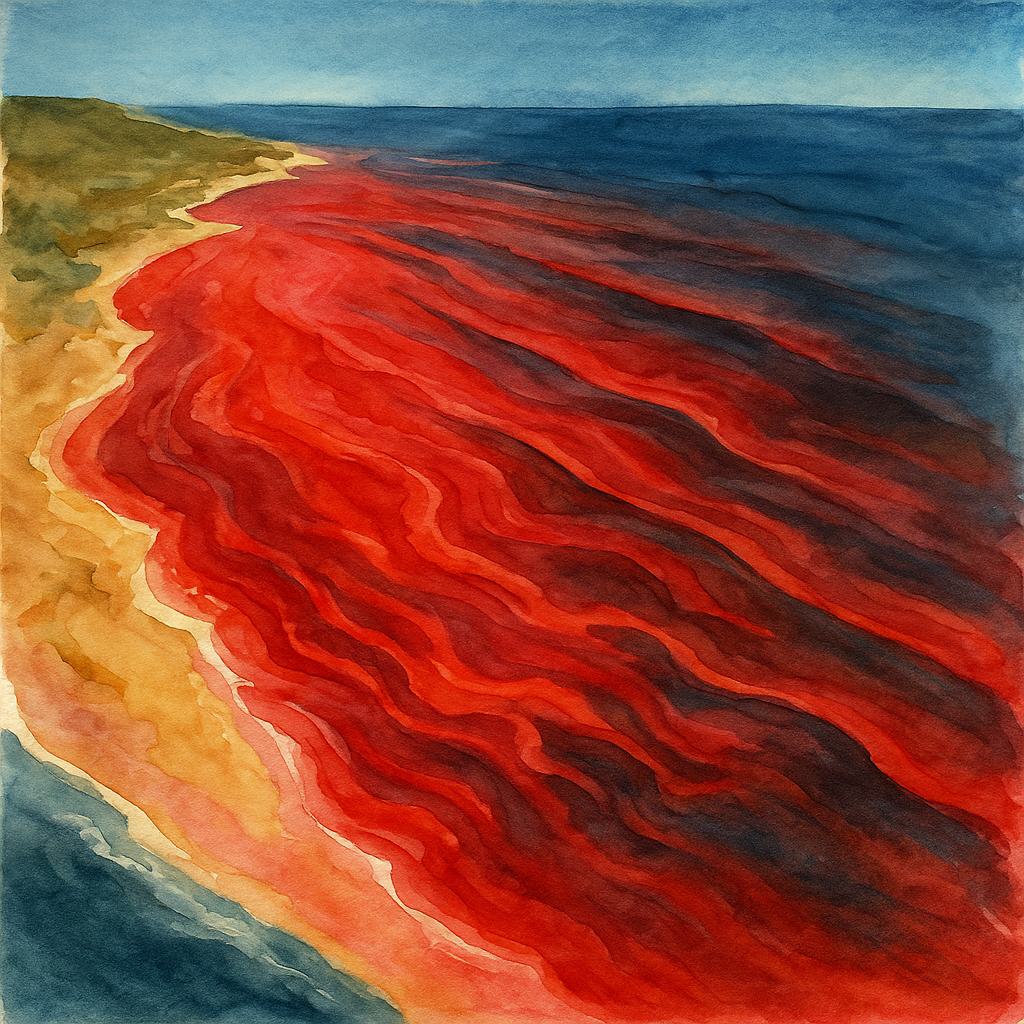
No, some species produce domoic acid, a potent neurotoxin. When these algae bloom, the toxin accumulates in shellfish and fish, causing Amnesic Shellfish Poisoning (ASP) in humans and marine mammals.
Can Nitzschia live on surfaces as well as in the water?
Yes, some species live attached to sediments, plants, or other surfaces, while others drift freely as part of the plankton.