Little Blue Heron
Egretta caerulea
A wading bird that typically grows to about 60–70 cm in height. It lives in shallow coastal waters and wetlands, where it slowly walks while searching for food. Adults are dark bluish-gray, but young birds are white, which helps them blend in with other white birds and stay safer while they learn how to find food.
Video
About this species
Species identity
A wading bird that typically grows to about 60–70 cm in height. It lives in shallow coastal waters and wetlands, where it slowly walks while searching for food. Adults are dark bluish-gray, but young birds are white, which helps them blend in with other white birds and stay safer while they learn how to find food.
Where it lives
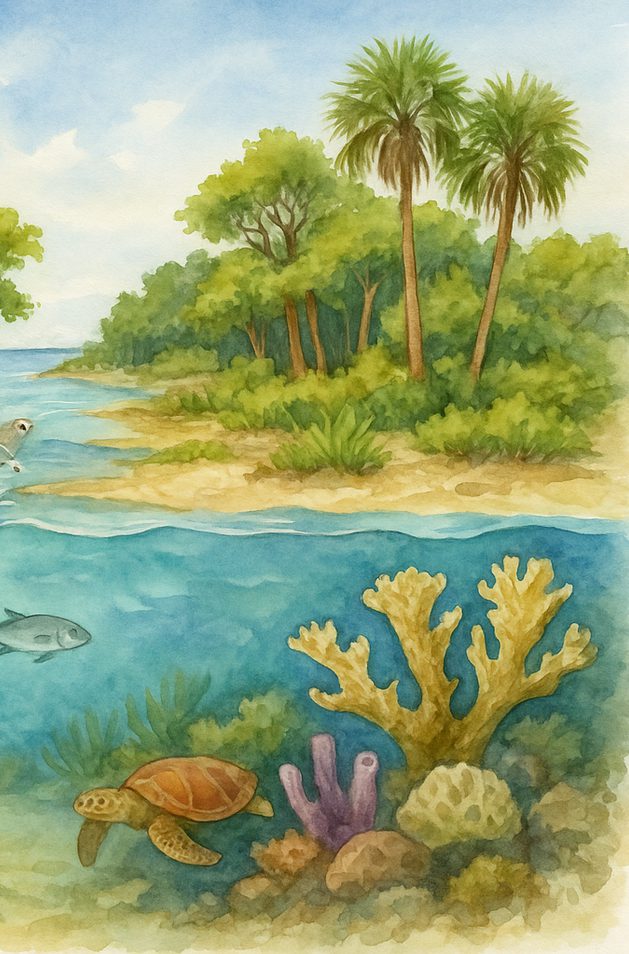
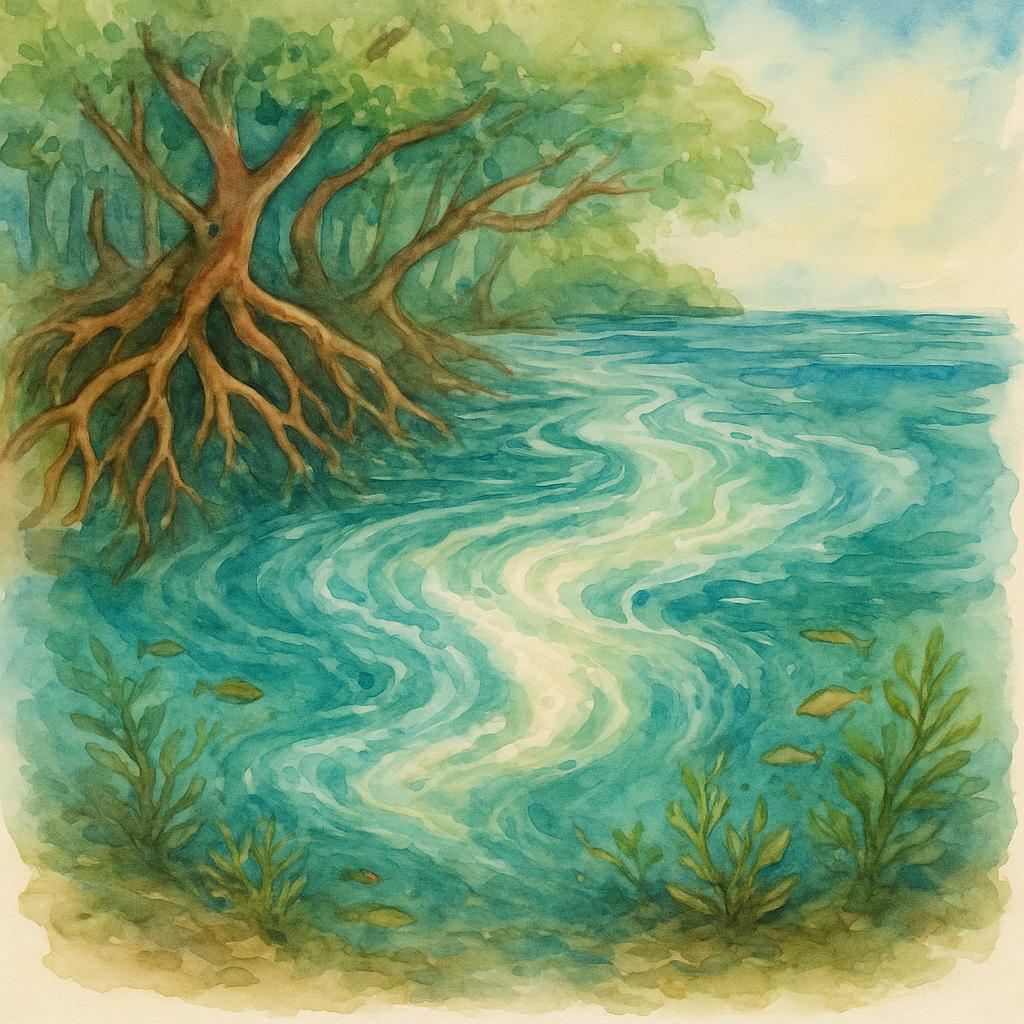
It is found in warm coastal regions of the Americas, especially in the southeastern United States, the Caribbean, and parts of Central and South America. It is common in habitats such as marshes, lagoons, mangroves, and estuaries.
It prefers shallow waters where it can easily see and catch prey.
This species often stays near the coast but can also be found inland in suitable wetland areas.
Role in the ecosystem
This is a predator that feeds on fish, crustaceans, and small aquatic animals. It helps control populations of these organisms and is part of the coastal food web. By feeding in shallow waters, it connects aquatic and coastal ecosystems.
Scientific reference
Ocean Literacy Connections
This resource can be explored through Ocean biodiversity.
- How do different ocean conditions create different ecosystems and ways of life?
Explore and connect
Open the secondary consumer view and compare this species with related marine life.


FAQ
Why are young little blue herons white?
Young birds are white, which may help them avoid aggression and blend in with similar species while they learn to hunt.
How does the little blue heron catch its food?
It moves slowly through shallow water and quickly strikes with its beak to catch fish and other small animals.