Ecoregion
1. See the whole relationship in one region
Use the Mediterranean Sea to connect coastal settlement, shipping, tourism, fisheries, pollution, climate stress, and management in one place.
The ocean affects human life through weather, climate, freshwater, food, transport, resources, livelihoods, culture, and recreation. At the same time, human activities change ocean ecosystems, chemistry, habitats, and the atmosphere.
NMEA grade band: Grades 6–8
Other grade bands are in preparation.
Students should come away understanding that people depend on the ocean wherever they live, human activities can create both benefits and harm, and management and individual choices can change future ocean outcomes.
The ocean and human society continually affect one another. Ocean processes support freshwater, climate, food, livelihoods, culture, and transport, while human activities alter habitats, food webs, chemistry, and physical conditions.
Choose one way people depend on the ocean and one way people change it. How are the two connected?
The ocean absorbs, stores, and releases heat. Ocean circulation redistributes heat around the planet, moderating temperatures and influencing weather and climate.
Ocean evaporation drives much of the water cycle. Water that evaporates from the ocean eventually returns as rain or snow, affecting freshwater supplies, agriculture, infrastructure, ecosystems, and human health.
Warm currents moving away from the equator redistribute heat toward higher latitudes. Ocean heat storage also moderates day-to-night temperature swings: heat exchange continues through day and night, with its direction depending on air and water conditions.
People depend on the ocean for food, medicines, materials, energy, shipping, tourism, recreation, and many different livelihoods. Coastal and ocean activities are therefore deeply connected to economies and societies.
Photosynthetic ocean organisms, including cyanobacteria, algae and seagrasses, connect human life to marine oxygen production.
The ocean is an important part of cultural identity, heritage, inspiration, discovery, and recreation.
Photosynthesis produces oxygen, while respiration and decomposition consume it. Ocean photosynthesis contributes a large share of global oxygen production; production and the amount accumulating in the atmosphere are not the same.
Historically, ocean distances separated some civilizations while voyages connected others through trade, exploration and settlement. These connections helped shape coastal cultures and population patterns.
Marine harvests supply human food, pet food, animal feed, food additives and fertilizer. Organism-derived compounds can be used in medicines and other products. Ocean energy resources include offshore wind, waves, oil and natural gas; salt is also extracted from seawater.
Connected concepts in other principles
Many people live near the ocean because coasts provide food, transport, employment, recreation, cultural connections, and access to marine resources.
Coastal communities can also be exposed to hurricanes, cyclones, storm surge, flooding, tsunamis, erosion, and sea-level change. Understanding these hazards helps communities prepare, respond, and reduce risk.
Fishing and aquaculture, shipping, coastal construction, extraction, pollution, and changes to rivers and wetlands can alter habitats, species populations, food webs, and water quality.
Human activities can also introduce non-native species, change sediment and freshwater flows, generate underwater noise, and move plastics, oil, chemicals, sewage, and other waste into the ocean.
How these activities are managed helps determine whether their effects are relatively sustainable or damaging.
Responsible aquaculture can supply seafood and sometimes reduce pressure on wild populations, but its effects depend on feed, species, location and management. Poorly managed farms can release excess nutrients, introduce non-native organisms and damage habitats. Fishing can also catch unintended animals, called bycatch; suitable gear and management can reduce this harm.
Some introduced species become invasive, disrupting food webs, bringing diseases or competing with native species for resources. These changes can reduce native populations; not every non-native species becomes invasive.
Land construction can increase erosion and polluted runoff or alter waterways. Structures such as piers, jetties and marinas can change sediment movement, nearby coastlines and coastal habitats.
Runoff and rivers carry pollutants through watersheds to the ocean. Atmospheric deposition and rain provide another route. Organisms can ingest or absorb toxic substances, suffer from turbid water, ingest debris or become entangled in discarded fishing nets and other waste.
Human-driven increases in greenhouse gases contribute to ocean warming. Additional atmospheric carbon dioxide also dissolves in seawater and changes ocean chemistry, including through ocean acidification.
Warming and acidification can affect organisms, habitats, reproduction, shell formation, coral health, species distributions, and ecosystem processes.
Greenhouse gases absorb and re-emit outgoing infrared radiation, slowing heat loss to space. Warming can change currents and the temperature ranges to which organisms are adapted. Acidification can reduce carbonate availability for building shells and skeletons and, under corrosive conditions, dissolve existing calcium carbonate structures.
Connected concepts in other principles
Laws, marine protected areas, fisheries management, pollution reduction, responsible coastal construction, habitat restoration, research, and education can all influence the future condition of the ocean.
Individuals also affect the ocean through what they buy, how they travel, how they use energy, how they dispose of waste, which organisations and policies they support, and what they share with others.
Effective ocean stewardship combines individual choices with community action, scientific evidence, regulation, and cooperation among countries.
Match each response to a pressure: choose seafood from responsibly managed fisheries or farms; support bycatch reduction and habitat protection; and support construction rules that limit damage to coasts.
Do not release unwanted aquarium animals, plants or water into natural habitats. Ships need ballast-water management to reduce introductions. These actions address the movement of organisms between ecosystems.
Reduce energy use with efficient appliances and by switching off unnecessary lights; walk, cycle or use public transport where practical. Recycle suitable materials and avoid littering. Products labelled biodegradable still require appropriate disposal and should not be released into the ocean.
Learn about local decisions, communicate with officials, share accurate information and, when eligible, vote on policies affecting the ocean. Young people can participate through community projects and public discussion before they can vote.
Connected concepts in other principles
Ecoregion
Use the Mediterranean Sea to connect coastal settlement, shipping, tourism, fisheries, pollution, climate stress, and management in one place.
Threat
Use Overfishing to discuss how dependence on ocean food and income can alter populations, food webs, and marine ecosystems.
Opportunity
Use Marine Reserve to discuss protection, fisheries management, collective action, and long-term ecosystem recovery.
Tool
Use WebGIS to compare where overfishing, oil spills, coastal communities, marine reserves, and other human–ocean connections occur.
Compare overfishing, oil spills, marine reserves, coastal communities, and other mapped layers to see where ocean uses, pressures, hazards, and protection overlap.
Trace how species, habitats, threats, opportunities, and management actions are connected across marine systems.
Use cards such as Overfishing, Oil Spill, Storm Surge, Ocean Acidification, and Marine Reserve to discuss dependence, impacts, hazards, and possible responses.
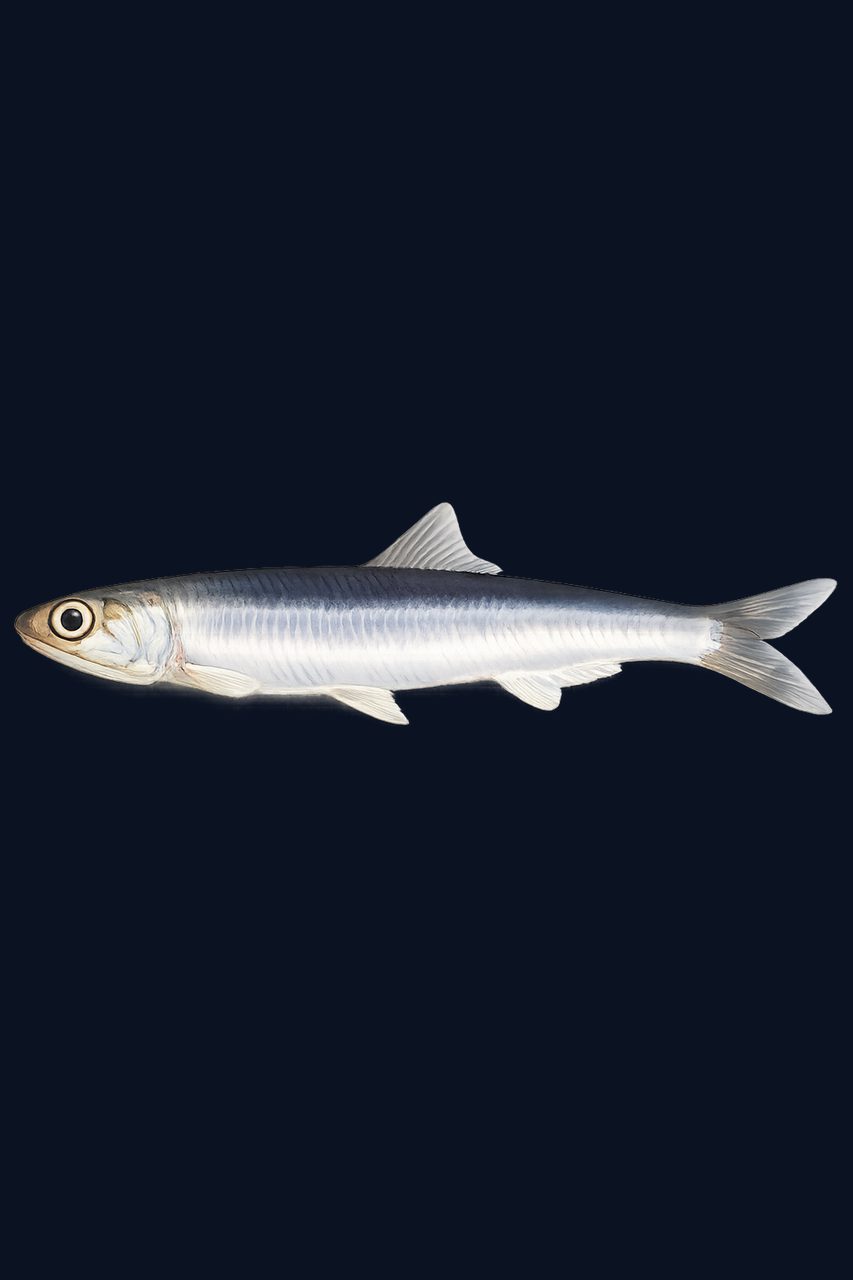
Species
European anchovy helps explain this principle because people depend on marine food webs and fisheries for food, jobs, and coastal economies.
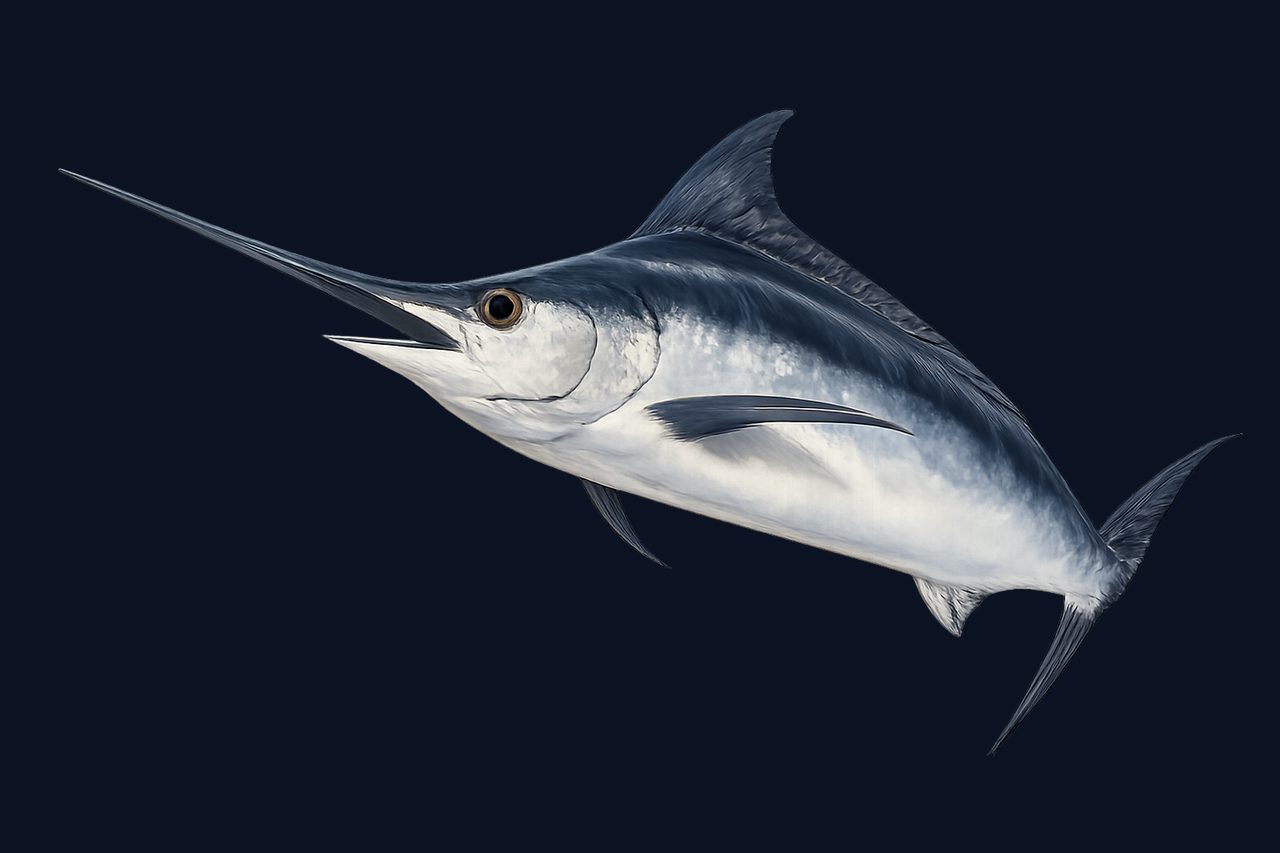
Species
Swordfish illustrates how a migratory ocean species becomes part of trade, fisheries management, and debates about sustainable extraction.
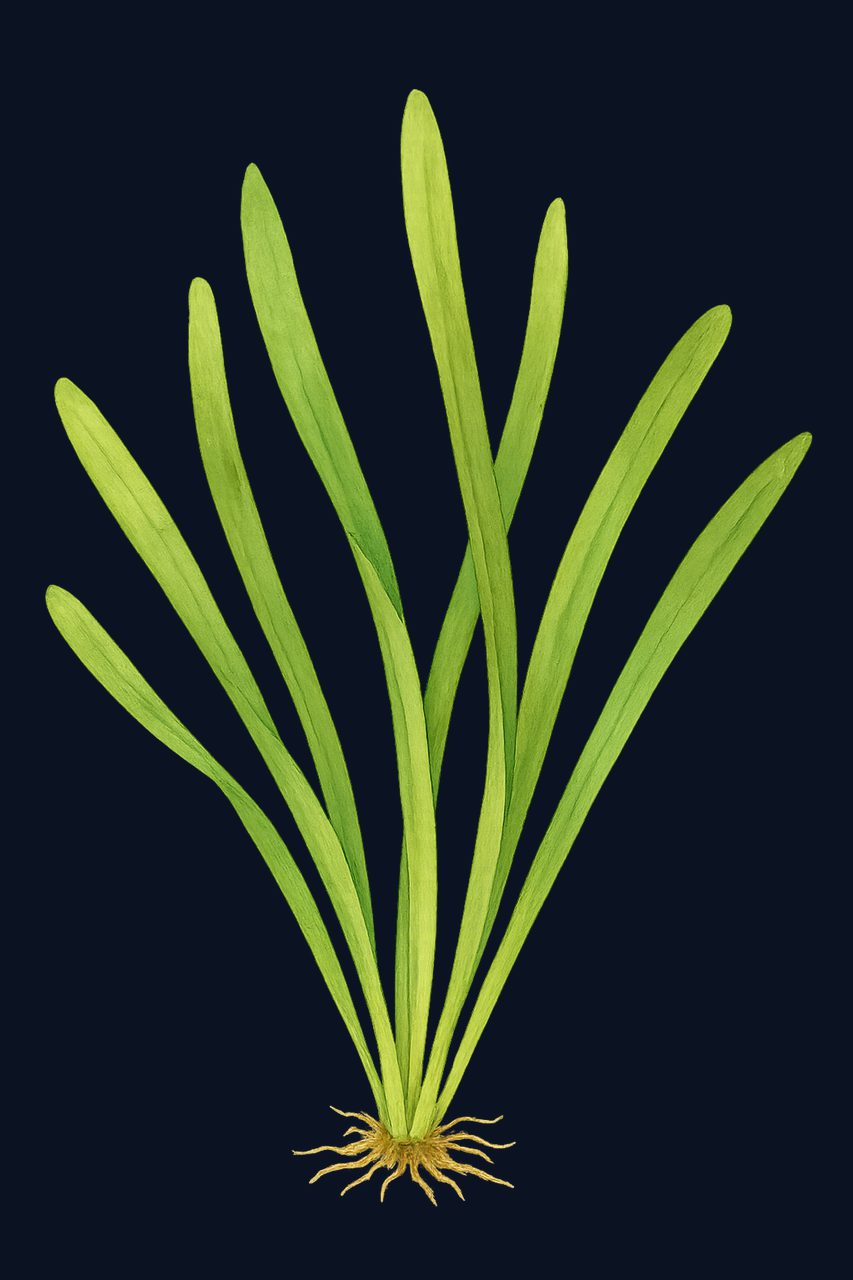
Species
Turtlegrass helps show that coastal habitats support fisheries, nursery grounds, shoreline stability, and human coastal protection.
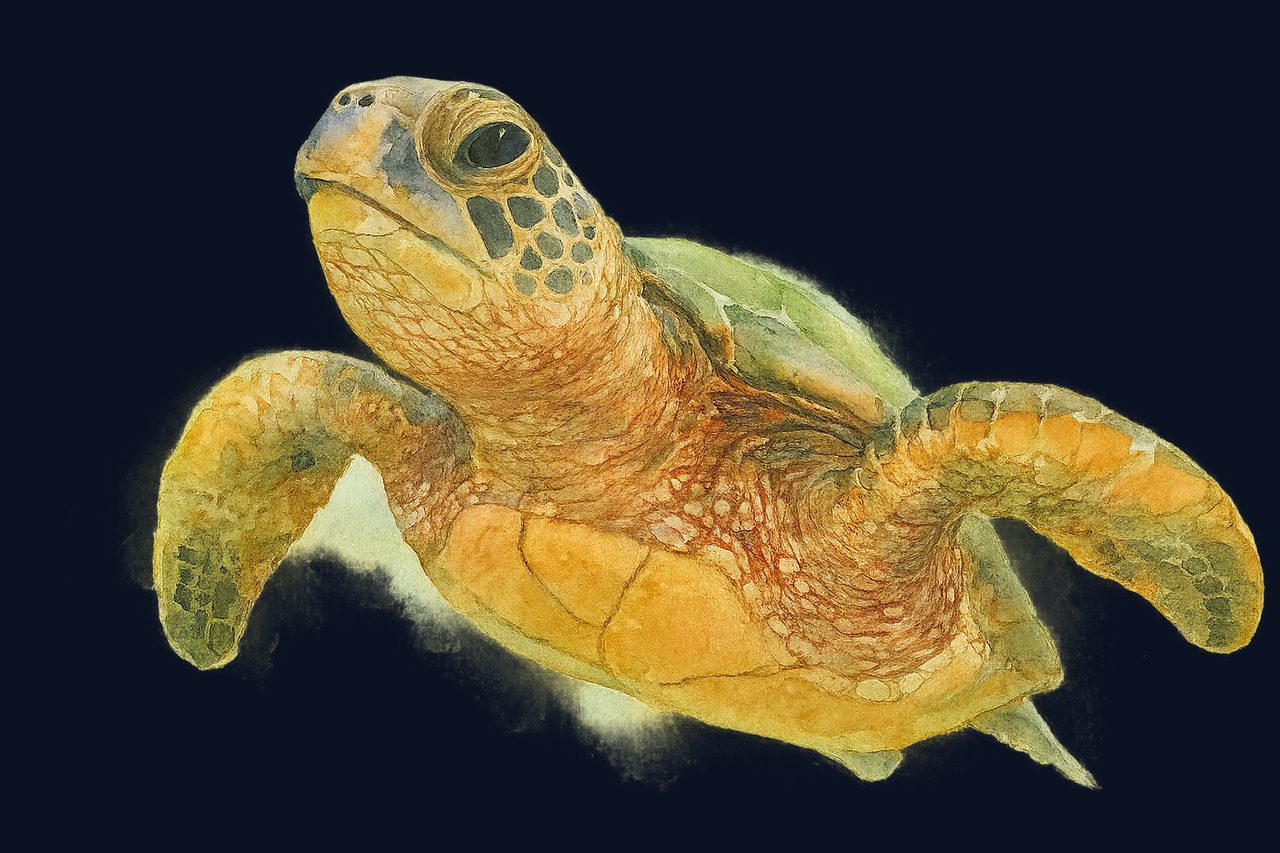
Species
Green sea turtle helps connect human impacts such as habitat change, warming, and pollution to biodiversity and conservation responsibility.
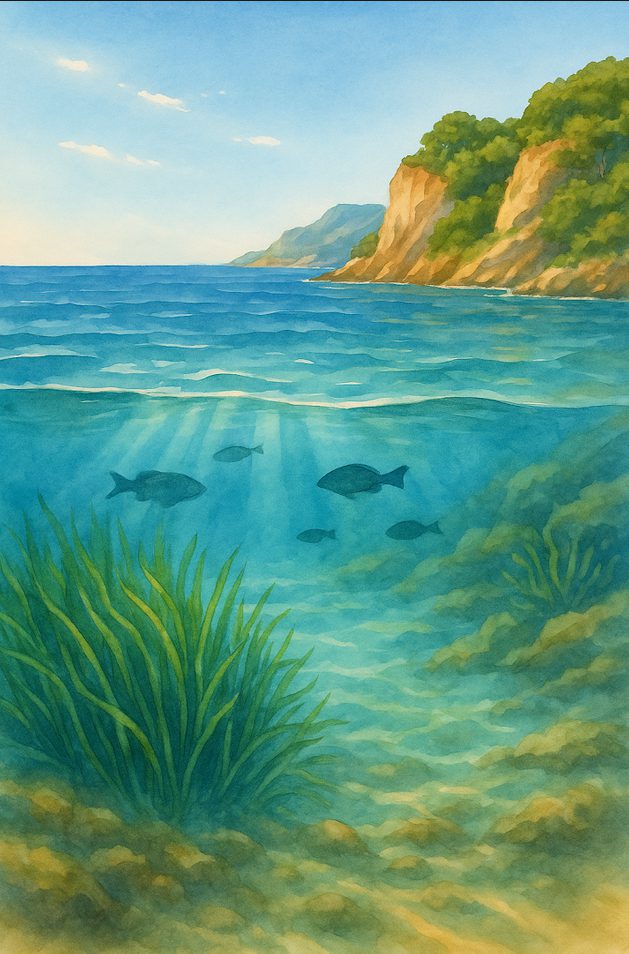
Ecoregion
Distinctive: This semi-enclosed sea is intensely used for shipping, fishing, tourism, and coastal settlement.
Connected to the global system: It helps explain how human uses, climate stress, and pollution can accumulate in a connected marine region.
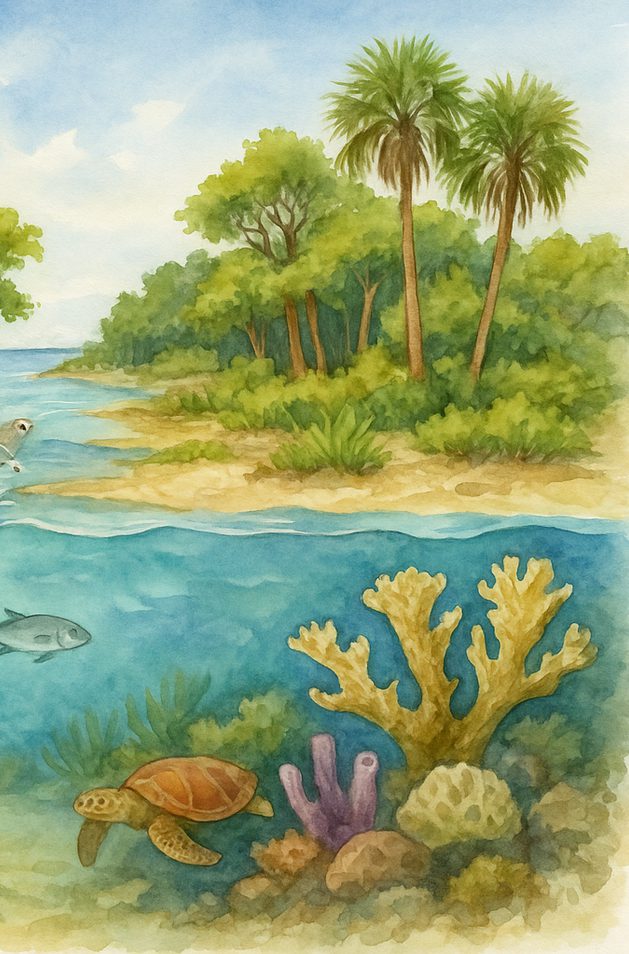
Ecoregion
Distinctive: This low-lying coastal system links reefs, mangroves, tourism, fisheries, and storm exposure.
Connected to the global system: It shows how human livelihoods, habitat protection, sea-level risk, and coastal water quality are tightly connected.
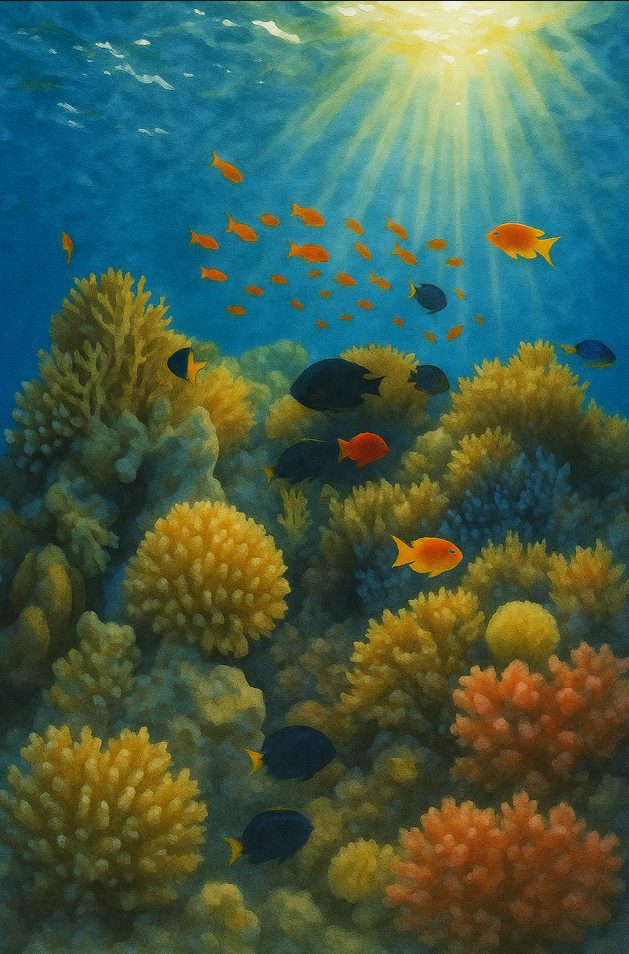
Ecoregion
Distinctive: This reef system supports fisheries, tourism, biodiversity, and coastal protection across several countries.
Connected to the global system: It helps explain how marine ecosystems support people while also depending on management, habitat care, and climate resilience.
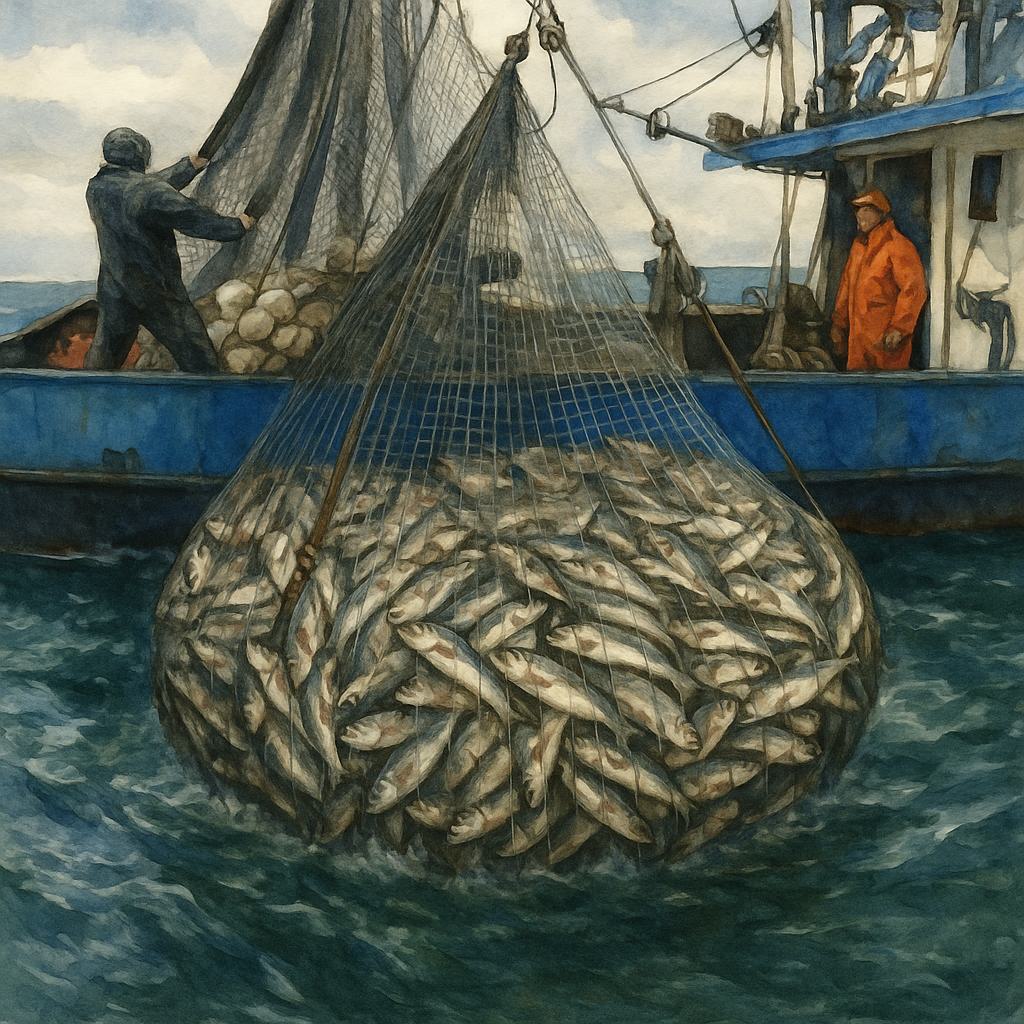
Threat
Overfishing illustrates the principle by showing how dependence on marine food and income can destabilize food webs when extraction exceeds recovery.
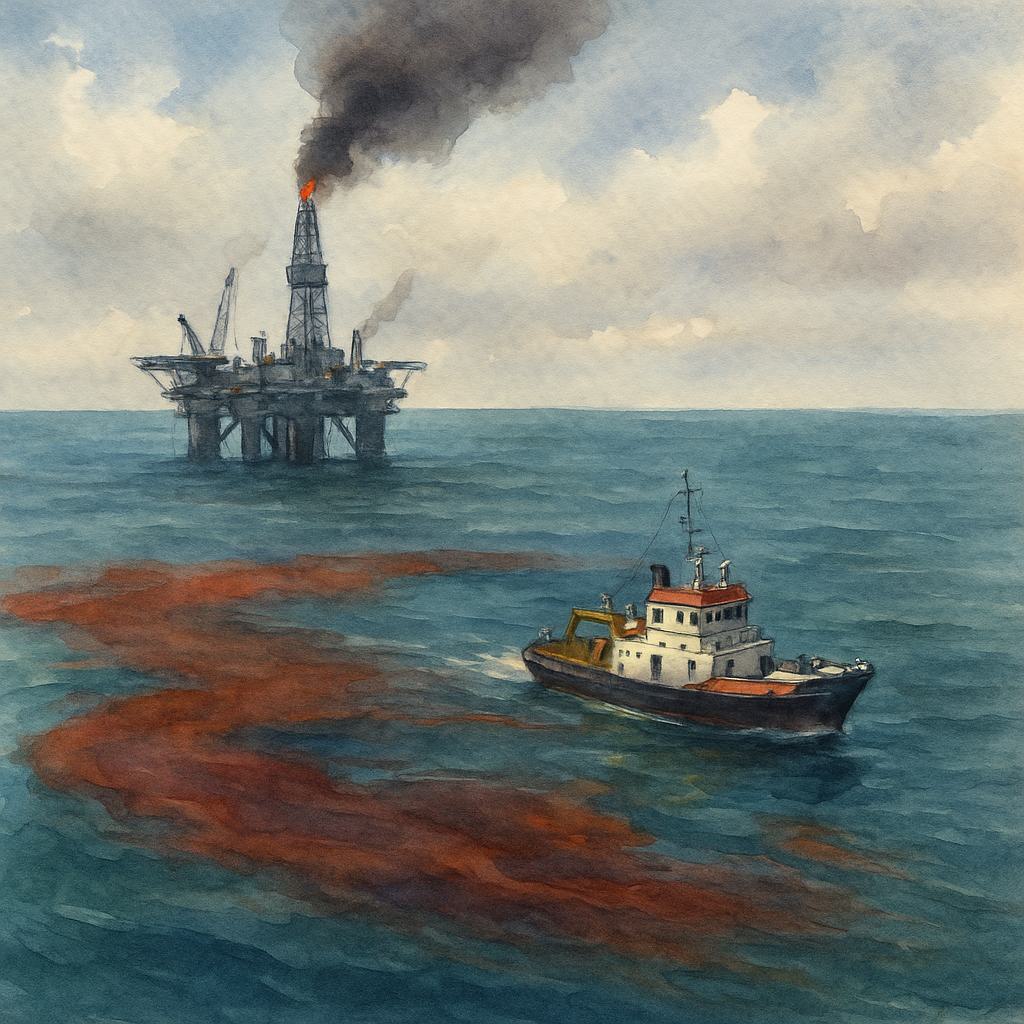
Threat
Oil Spill illustrates the principle by linking shipping, energy systems, coastal economies, and ecosystem damage.
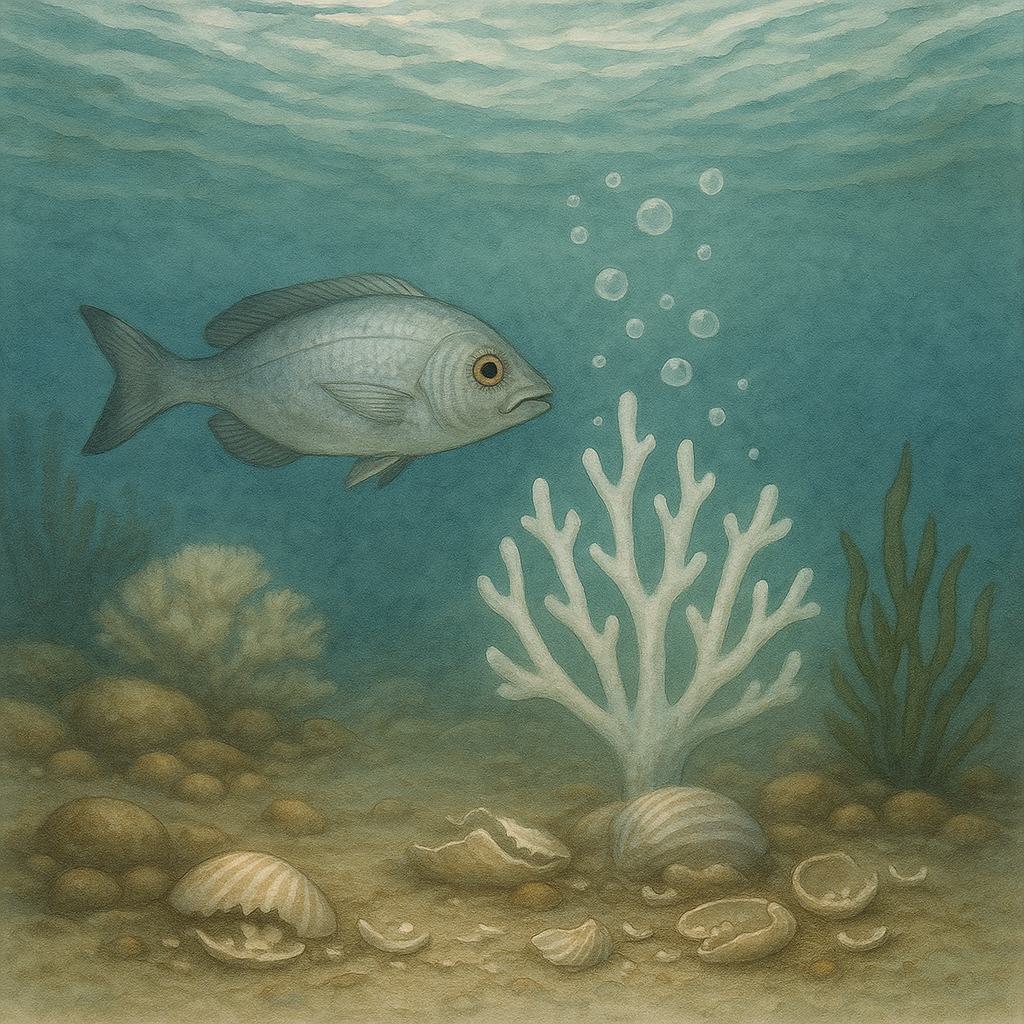
Threat
Ocean Acidification illustrates the principle by showing how human carbon emissions change ocean chemistry and affect marine organisms.
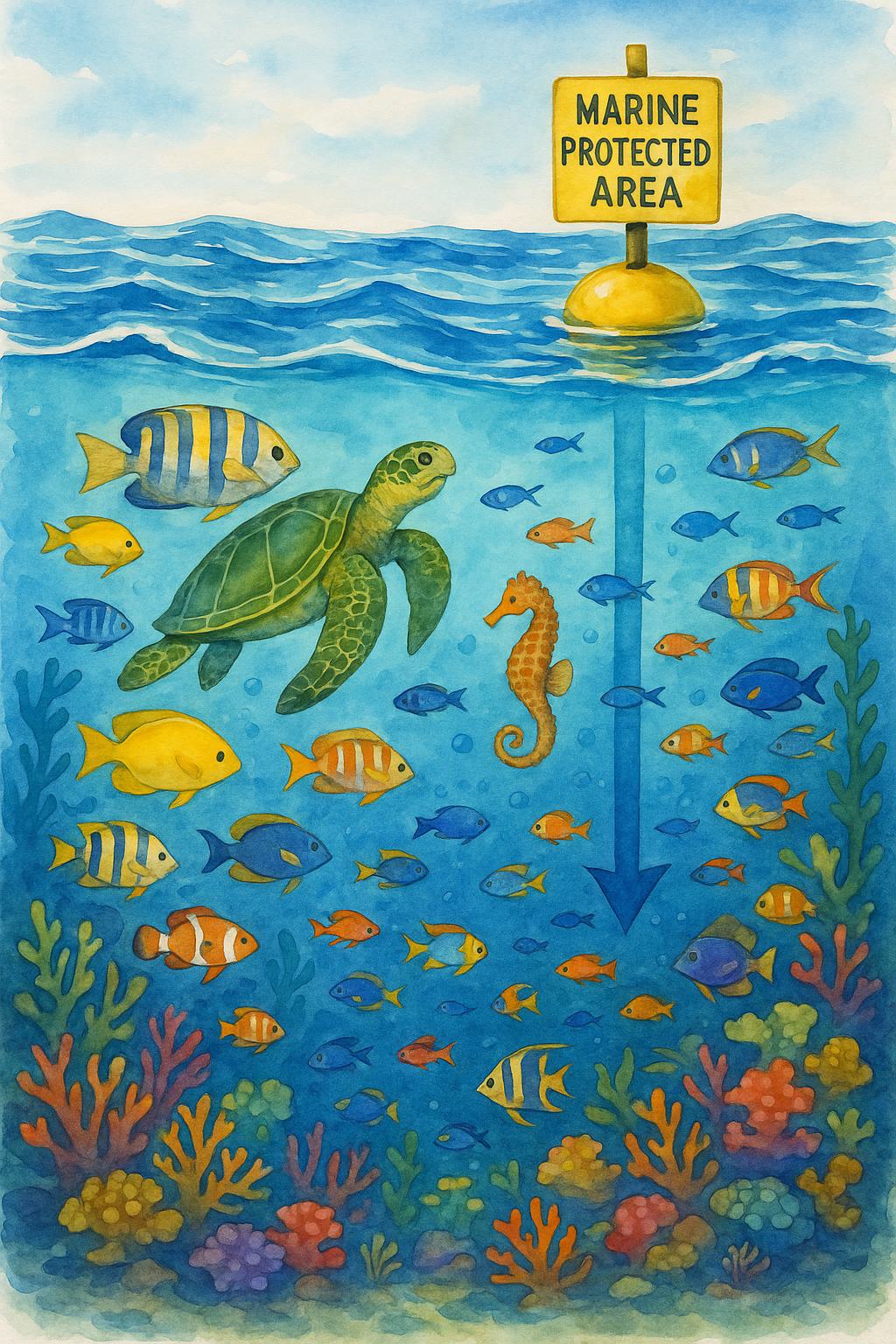
Opportunity
Marine Reserve illustrates the principle by showing that people can also protect habitats and manage ocean use more responsibly.
Adapted from the NMEA Grades 6–8 Principle 6 CFD (2021, handbook page 55). Source notes distinguish the original concepts from qualified adaptations. Classroom tasks and platform links are Blue Biome teaching suggestions.
The notes below paraphrase the English NMEA source. They also explain qualified adaptations and corrected references.
Present day/night moderation as heat storage, not a universal reversal of heat flow at sunset.
Read the explanationPrinted reference names P1 without a code; C6 identifies heat transport.
Read the explanationDistinguish gross oxygen production, oxygen consumption and net atmospheric accumulation.
Read the explanationDistinguish gross oxygen production, oxygen consumption and net atmospheric accumulation.
Read the explanationAquaculture benefits depend on feed, location, species and management; pressure reduction is not guaranteed.
Read the explanationDistinguish non-native introductions from invasive effects.
Read the explanationPrinted P3 B5 concerns geological climate history; P3 B6 covers human emissions.
Read the explanationGreenhouse gases absorb and re-emit outgoing infrared radiation; do not describe their effect as simply trapping incoming solar heat.
Read the explanationDistinguish carbonate availability for growth from dissolution under corrosive conditions.
Read the explanationDo not promise sustainable outcomes from a purchase alone or imply biodegradable products can be discarded at sea.
Read the explanationDo not promise sustainable outcomes from a purchase alone or imply biodegradable products can be discarded at sea.
Read the explanationHeat and water support human life
Resources, culture and settlement
Coastal hazards and preparation
Extraction, introductions and development affect ecosystems
Emissions, heat and ocean chemistry
Pollutant routes and harm
Evidence, governance and individual action