Ecoregion
1. Explore shallow-water biodiversity
Use the Great Barrier Reef to connect high biodiversity with light, warm water, habitat structure, and ecological relationships.
The ocean provides most of Earth’s living space and contains ecosystems from sunlit surface waters to the deep seafloor. Differences in light, temperature, pressure, chemistry, nutrients, and circulation help determine which organisms can live in each place.
NMEA grade band: Grades 6–8
Other grade bands are in preparation.
Students should come away understanding that different ocean conditions create different ecosystems, productivity is supported by sunlight or chemical energy, and marine organisms are connected through adaptations, relationships, and food webs.
Ocean biodiversity is shaped by both environmental conditions and ecological connections. Light, nutrients, depth, pressure, chemistry, and energy sources create different habitats, while adaptations and food webs connect the organisms living within them.
Why can two places in the same ocean support completely different communities of life?
Ocean ecosystems differ because light, temperature, pressure, salinity, oxygen, nutrients, chemistry, substrate, and water movement vary from place to place and with depth.
Light generally decreases and pressure increases with depth, while temperature, oxygen, and other conditions also change. Organisms are adapted to particular ranges of these conditions, so life is not distributed evenly throughout the ocean.
When human activity or climate change alters environmental conditions, ecosystem communities can also change.
Gradients form layers and smaller microhabitats within the water column. Some larval fish occupy narrow temperature and salinity ranges; shallow reef-building corals also have particular tolerances. Density layers can separate communities even within one location.
On an intertidal shore, different organisms occupy zones shaped by wave exposure and the cycle of immersion and exposure to air. In open water, temperature, salinity and density gradients help organize horizontal and vertical distributions.
Most ocean primary production occurs where organisms have access to enough light and nutrients. Productive environments include sunlit surface waters, coastal upwelling regions, estuaries, coral reefs, kelp forests, and seasonally productive polar waters.
Microscopic photosynthetic organisms are especially important primary producers. They capture solar energy and support major marine food webs.
In coastal upwelling, winds and the Coriolis effect can move surface water offshore. Colder, nutrient-rich water rises to replace it, supporting photosynthesis. Many kelp forests benefit from a combination of sunlight, cool water and replenished nutrients.
Shallow tropical coral reefs can be productive even in nutrient-poor water. Algae living within coral tissues photosynthesize and share nutrients with their hosts; this symbiosis and efficient recycling help sustain the reef.
Shallow, brackish estuaries receive nutrients from land and sea. Decaying material in mangrove systems also contributes to food webs, and sheltered estuarine habitats serve as nurseries. In polar seas, long summer daylight and seasonal changes in ice, mixing and nutrient supply can support intense blooms; meltwater effects vary by location.
Microbial producers feed grazers such as zooplankton and clams. Those grazers support larger consumers, including fish and baleen whales. High productivity, high species diversity and high abundance describe different properties of an ecosystem.
Hydrothermal vents, cold seeps, and some other deep-sea ecosystems are supported by chemosynthetic microorganisms. These organisms use energy from chemical reactions rather than sunlight.
Chemosynthetic microorganisms become primary producers that support food webs in places where photosynthesis is impossible.
Connected concepts in other principles
Ocean life ranges from microscopic organisms to the largest animals that have ever lived. The ocean contains representatives of all major domains of life and a greater diversity of major animal groups than is found on land.
Many major groups of organisms occur exclusively in the ocean.
Phyla are broad groups of related animals. Echinoderms, comb jellies and cephalopods illustrate lineages restricted to marine environments, although these names represent different taxonomic ranks. Microbes are important components of ocean biomass as well as primary production; their share depends on the organisms, habitats and biomass measure being compared.
Marine organisms have adaptations to darkness, pressure, temperature, salinity, currents, scarce food, and other environmental conditions.
Ocean life also includes symbiosis, bioluminescence, unusual feeding strategies, complex life cycles, long migrations, predator–prey relationships, and many different ways of reproducing and dispersing.
Plankton drift with currents, nekton can swim actively against them, and benthos live on or in the bottom. Some species occupy different categories at different life stages.
Some phytoplankton have oil droplets, spines or a large surface area relative to volume that slow sinking or help them remain near surface light. Marine animals use sound to communicate, sense surroundings and locate food or mates. Sound can travel far in seawater after useful light has faded; this does not mean sound travels faster than light.
Life histories connect habitats: planktonic larvae can disperse and settle in new areas, some adults migrate to reproduce, and some fish change sex as they mature or as social conditions change.
Many warm-water communities have high species diversity despite low nutrient availability. Seasonal polar blooms can support large numbers of fewer dominant species. These are useful comparisons, not universal rules for every tropical or polar habitat.
Elephant seals have physiological adaptations for long, deep dives. Some deep-sea predators use luminous lures; large mouths and expandable stomachs let other predators take advantage of rare meals.
Male seahorses brood embryos, many corals release gametes into the water, and some reef fish change sex. Kelp alternates between a large spore-producing stage and small gamete-producing stages. These examples make the variety of marine life cycles concrete.
Marine organisms are connected through food webs. Primary producers capture energy, grazers consume them, predators consume other organisms, and decomposers recycle materials.
A change in primary producers, predators, prey, environmental conditions, or habitat can therefore affect many other parts of the ecosystem.
Connected concepts in other principles
Ecoregion
Use the Great Barrier Reef to connect high biodiversity with light, warm water, habitat structure, and ecological relationships.
Species
Use Prochlorococcus to show how microscopic primary producers capture sunlight and support major marine food webs.
Opportunity
Use Thermal Vents to investigate how chemosynthetic microorganisms support food webs without sunlight.
Tool
Use the Knowledge Graph to connect food webs, adaptations, symbiosis, predator–prey relationships, and ecosystem conditions.
Compare species distributions and ecoregions to investigate how light, depth, temperature, nutrients, and other conditions shape marine communities.
Trace food webs, symbiosis, predator–prey links, adaptations, and ecosystem connections across the ocean system.
Use cards such as Mutualism, Apex Predator, and Thermal Vents to discuss relationships, trophic roles, and unusual ecosystems.
Species
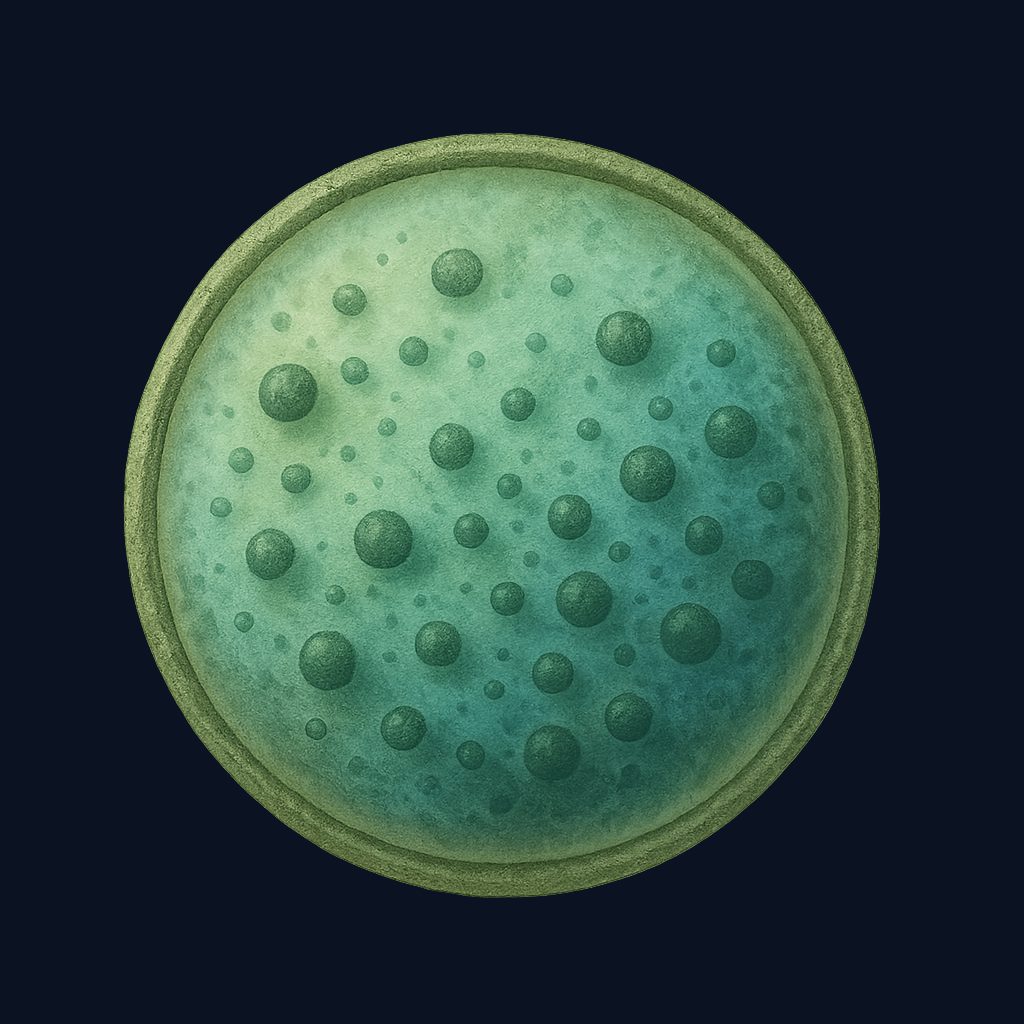
Prochlorococcus shows how microscopic primary producers capture sunlight and support major marine food webs.
Species
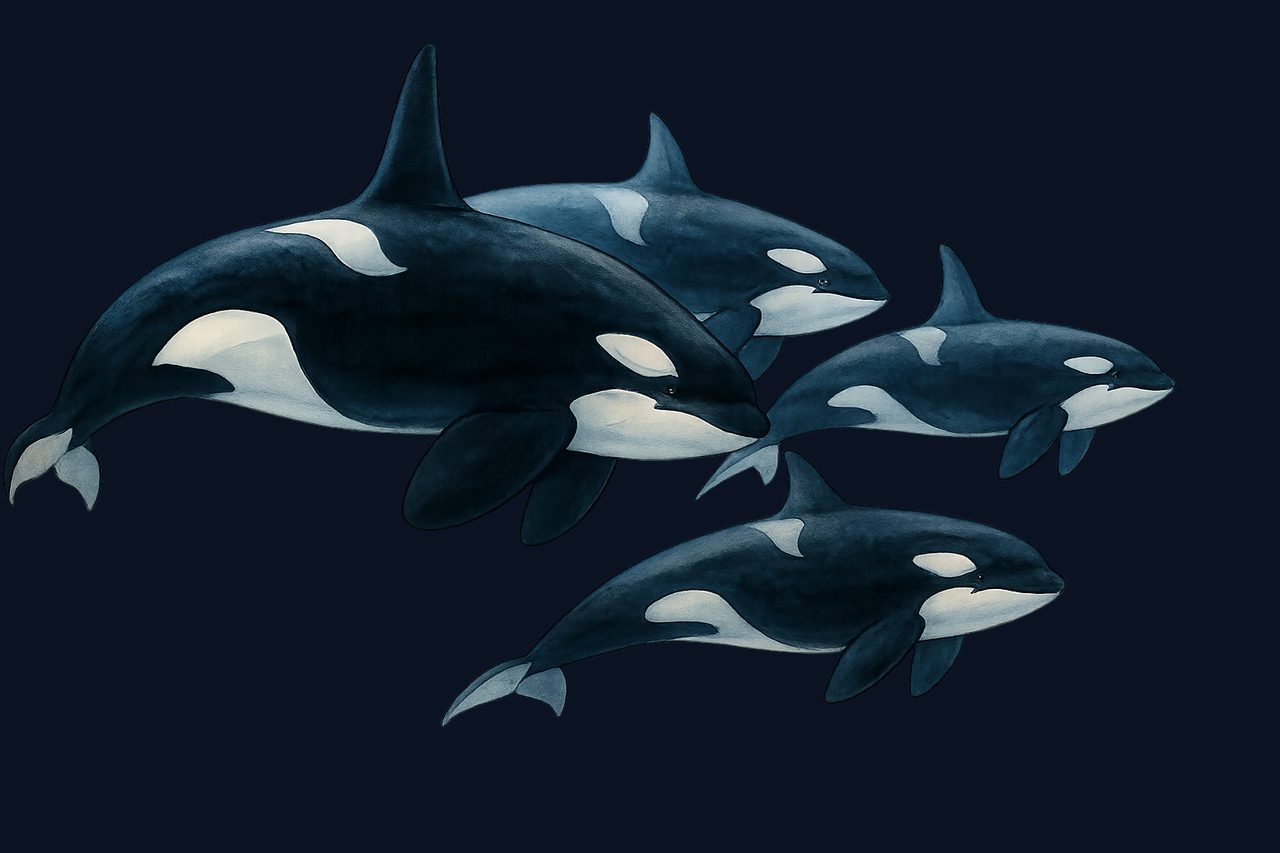
Killer whales help illustrate the upper end of ocean body-size and trophic diversity, as well as predator-prey dynamics in marine food webs.
Species
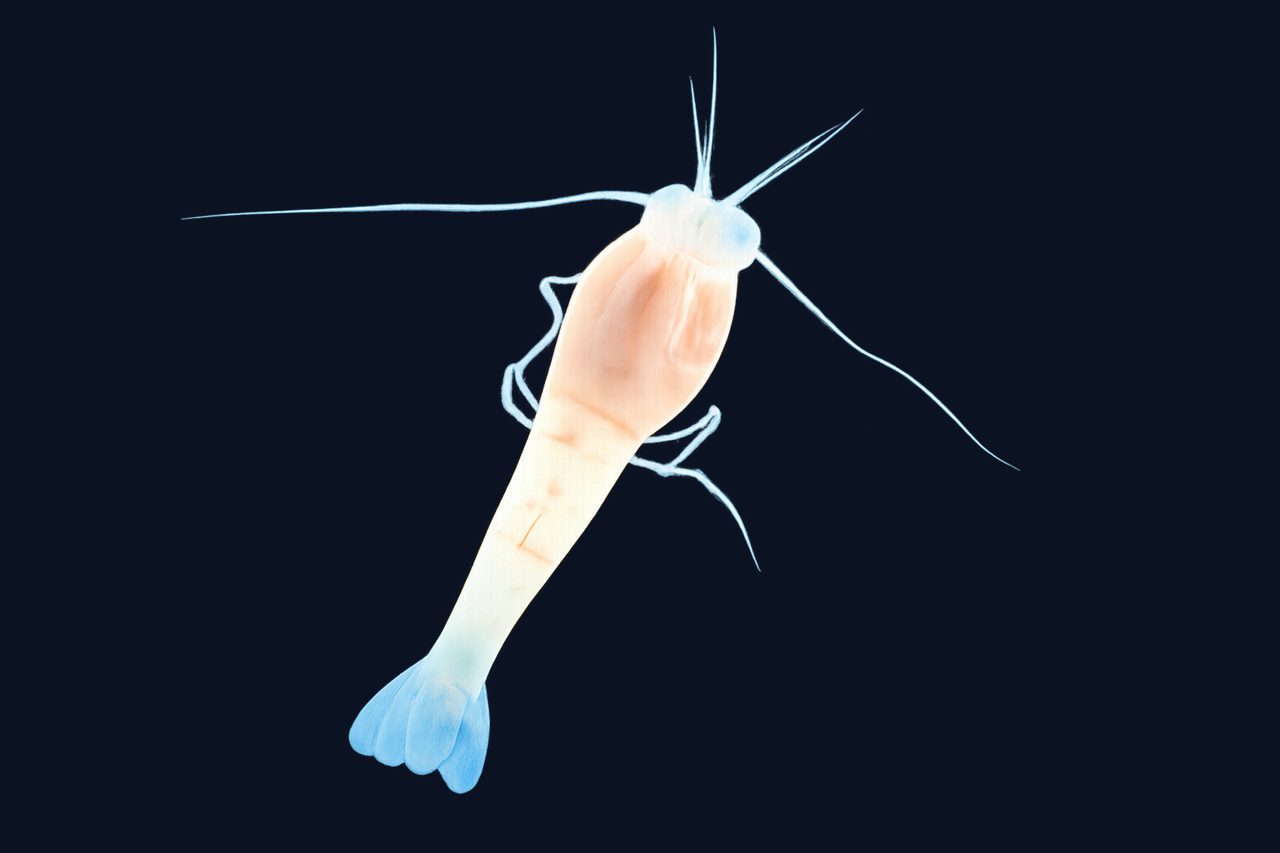
Blind shrimp help explain the principle because they live in deep-sea vent ecosystems supported by chemical energy rather than sunlight.
Species
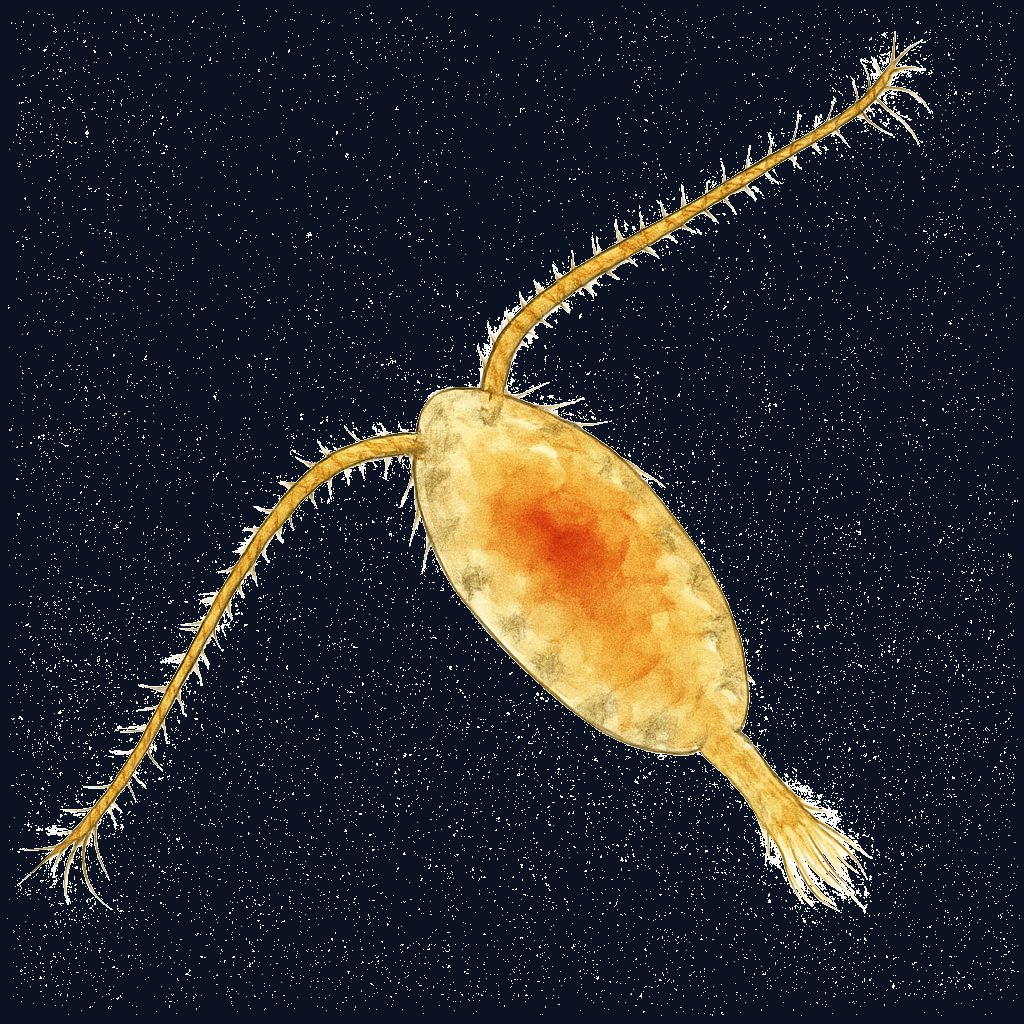
Copepods help show how small zooplankton connect microbial production to larger animals through energy transfer in the food web.
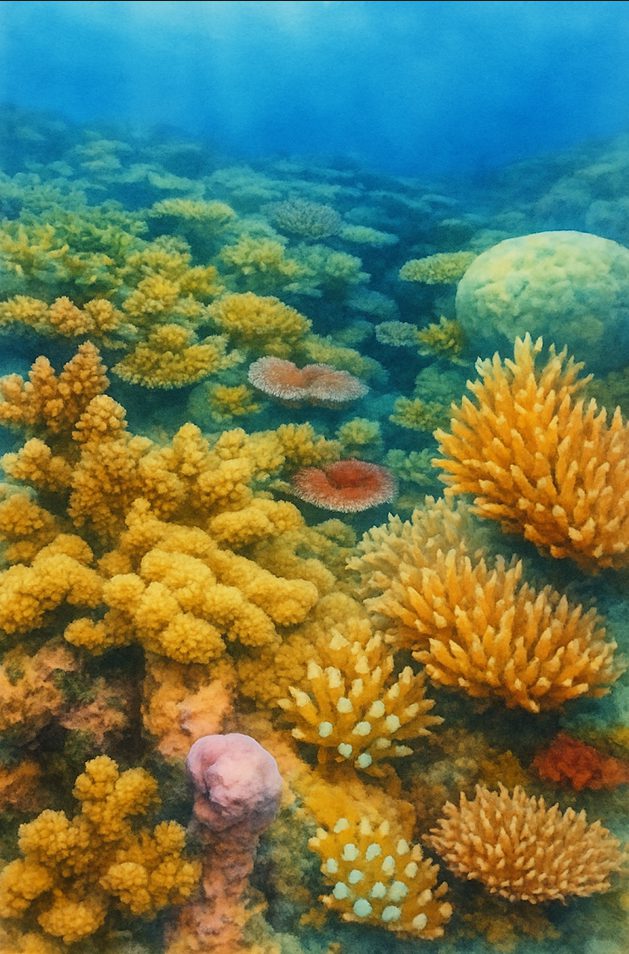
Ecoregion
Distinctive: This reef contains complex habitats and a high diversity of interacting organisms.
Connected to the global system: It helps explain how environmental conditions and biological relationships can support extremely rich marine ecosystems.
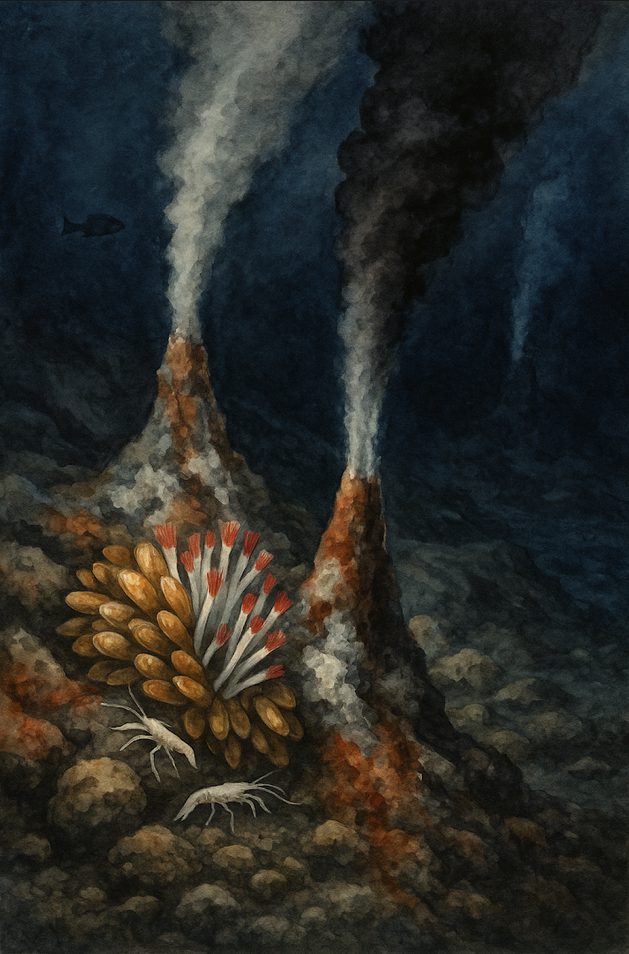
Ecoregion
Distinctive: This deep-sea ecosystem is supported by chemical energy from hydrothermal activity.
Connected to the global system: It shows that some marine ecosystems can function without sunlight, relying instead on chemosynthetic life.
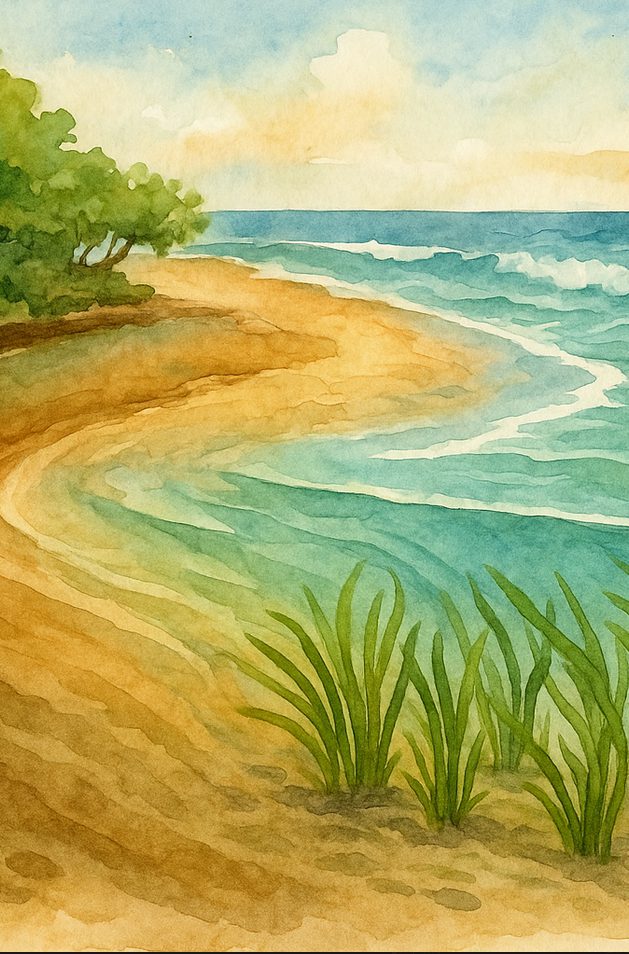
Ecoregion
Distinctive: This river-influenced marine region is shaped by freshwater, nutrients, and strong environmental gradients.
Connected to the global system: It helps explain how productivity, nursery habitat, and biodiversity depend on changing environmental conditions.
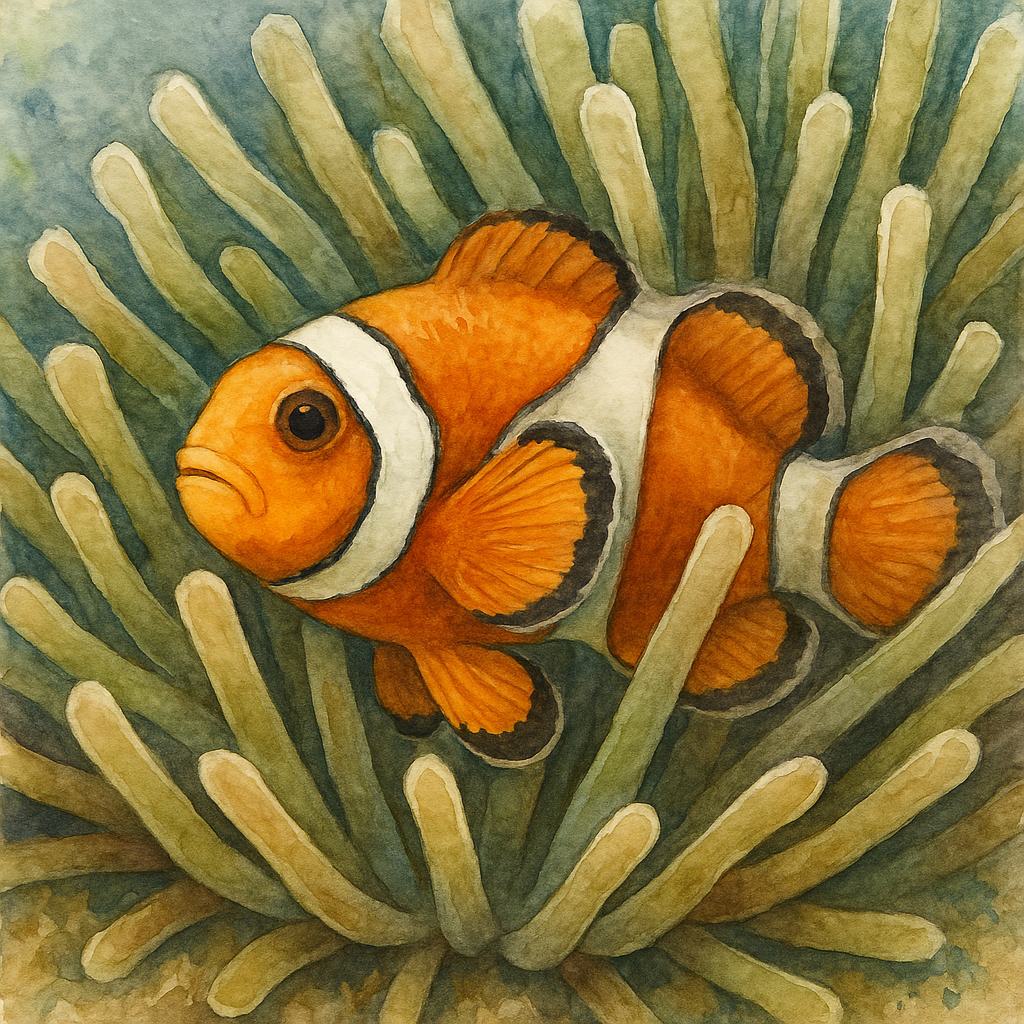
Special
Mutualism illustrates the principle by showing that cooperation between species can shape marine ecosystem function.
Special
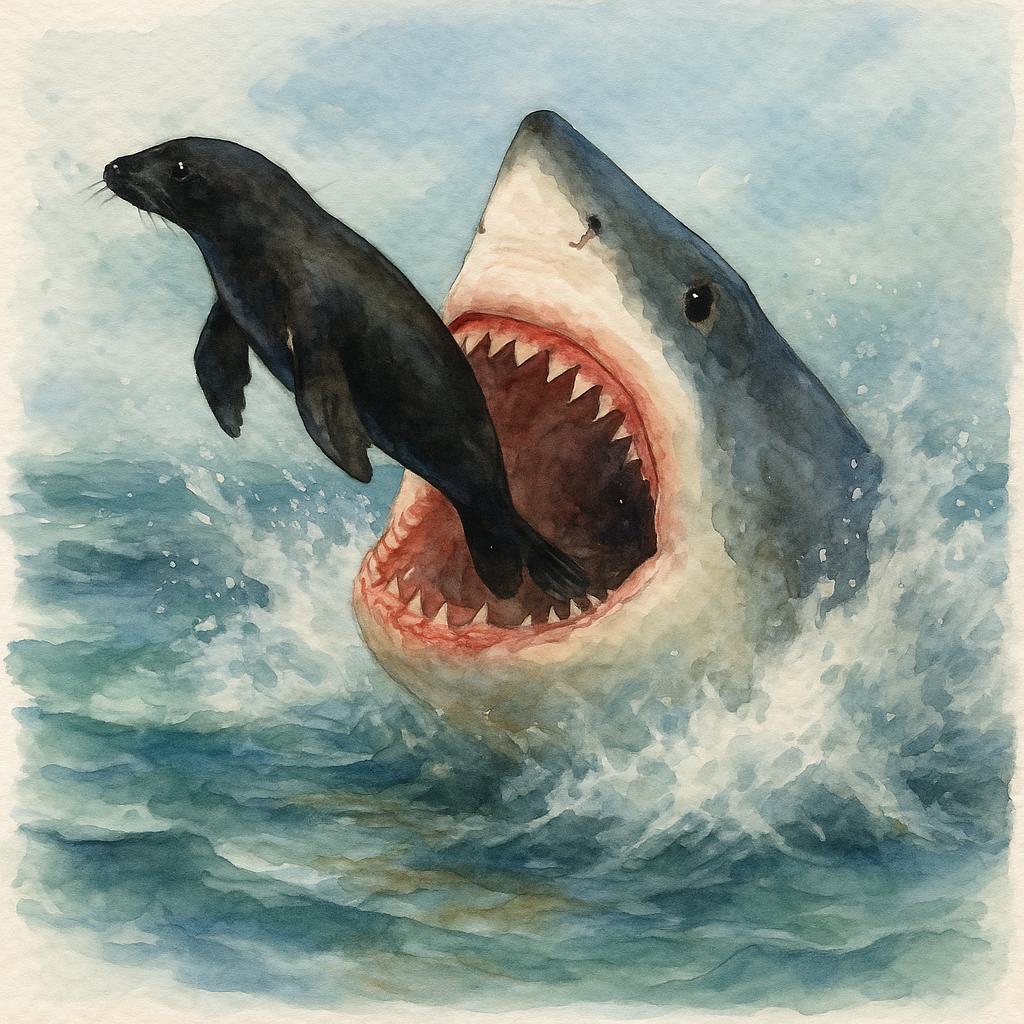
Apex Predator illustrates the principle by highlighting predator-prey dynamics and the ecological roles of top consumers.
Opportunity
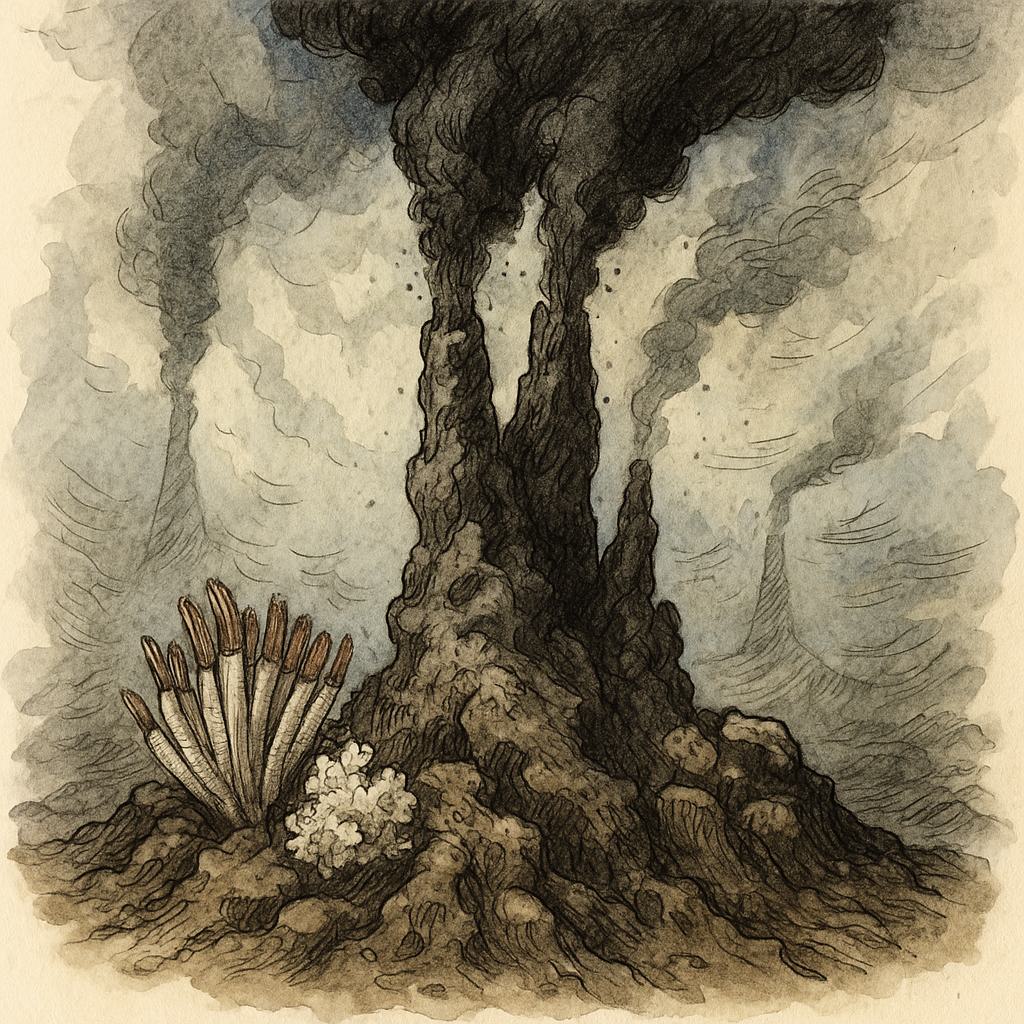
Thermal Vents illustrate the principle by showing that deep ocean ecosystems can be powered by chemical energy instead of sunlight.
Adapted from the NMEA Grades 6–8 Principle 5 CFD (2021, handbook page 53). Source notes distinguish the original concepts from qualified adaptations. Classroom tasks and platform links are Blue Biome teaching suggestions.
The notes below paraphrase the English NMEA source. They also explain qualified adaptations and corrected references.
Chemosynthesis does not require local sunlight; avoid implying that every organism at a vent is independent of photosynthetic products.
Read the explanationChemosynthesis does not require local sunlight; avoid implying that every organism at a vent is independent of photosynthetic products.
Read the explanationPreserve upwelling, seasonal productivity, tolerances, food-web complexity and microbial biomass. Do not present an exact count of productive regions, universal polar supremacy, a uniformly stable ocean, universal trophic-level ranking or an unscoped microbial biomass majority as established facts. These source generalizations are adapted explicitly; species, habitat, season and measurement matter.
Read the explanationPreserve upwelling, seasonal productivity, tolerances, food-web complexity and microbial biomass. Do not present an exact count of productive regions, universal polar supremacy, a uniformly stable ocean, universal trophic-level ranking or an unscoped microbial biomass majority as established facts. These source generalizations are adapted explicitly; species, habitat, season and measurement matter.
Read the explanationPreserve upwelling, seasonal productivity, tolerances, food-web complexity and microbial biomass. Do not present an exact count of productive regions, universal polar supremacy, a uniformly stable ocean, universal trophic-level ranking or an unscoped microbial biomass majority as established facts. These source generalizations are adapted explicitly; species, habitat, season and measurement matter.
Read the explanationPreserve upwelling, seasonal productivity, tolerances, food-web complexity and microbial biomass. Do not present an exact count of productive regions, universal polar supremacy, a uniformly stable ocean, universal trophic-level ranking or an unscoped microbial biomass majority as established facts. These source generalizations are adapted explicitly; species, habitat, season and measurement matter.
Read the explanationDo not equate differently ranked lineages or confuse sound transmission distance with the speed of light.
Read the explanationPreserve upwelling, seasonal productivity, tolerances, food-web complexity and microbial biomass. Do not present an exact count of productive regions, universal polar supremacy, a uniformly stable ocean, universal trophic-level ranking or an unscoped microbial biomass majority as established facts. These source generalizations are adapted explicitly; species, habitat, season and measurement matter.
Read the explanationPreserve upwelling, seasonal productivity, tolerances, food-web complexity and microbial biomass. Do not present an exact count of productive regions, universal polar supremacy, a uniformly stable ocean, universal trophic-level ranking or an unscoped microbial biomass majority as established facts. These source generalizations are adapted explicitly; species, habitat, season and measurement matter.
Read the explanationDo not equate differently ranked lineages or confuse sound transmission distance with the speed of light.
Read the explanationEnergy sources, grazers and food webs
Upwelling, symbiosis and seasonal productivity
Environmental gradients, tolerance and change
Diversity, adaptation and life histories