Pacific sardine
Sardinops sagax
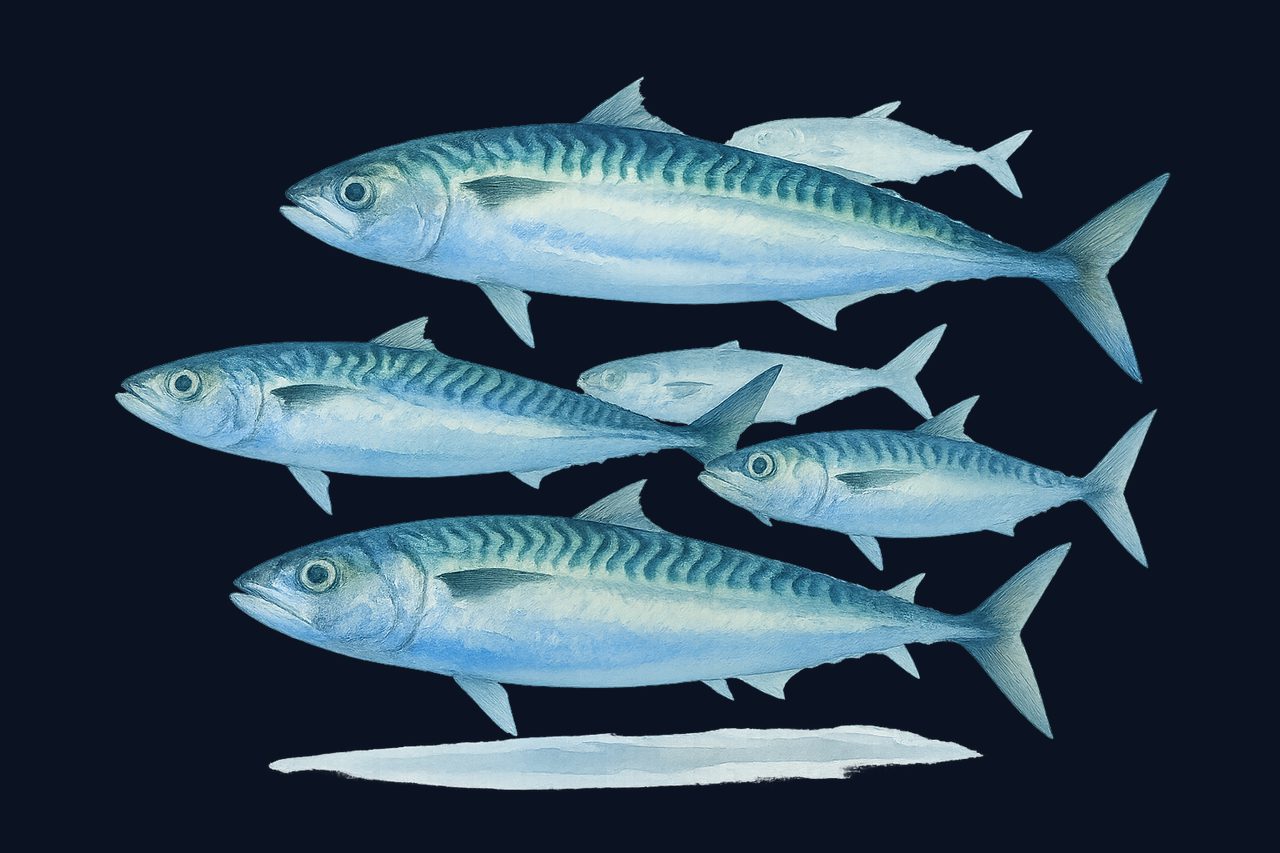
Sardinops sagax, commonly known as the Pacific sardine, is a small, silvery fish that typically grows to about 20–30 cm in length. It has a streamlined body and swims in large schools that can contain thousands of individuals. These schools move together through coastal waters, helping the fish find food and reduce the risk of being caught by predators.
Video
About this species
Species identity
Sardinops sagax, commonly known as the Pacific sardine, is a small, silvery fish that typically grows to about 20–30 cm in length. It has a streamlined body and swims in large schools that can contain thousands of individuals. These schools move together through coastal waters, helping the fish find food and reduce the risk of being caught by predators.
Where it lives
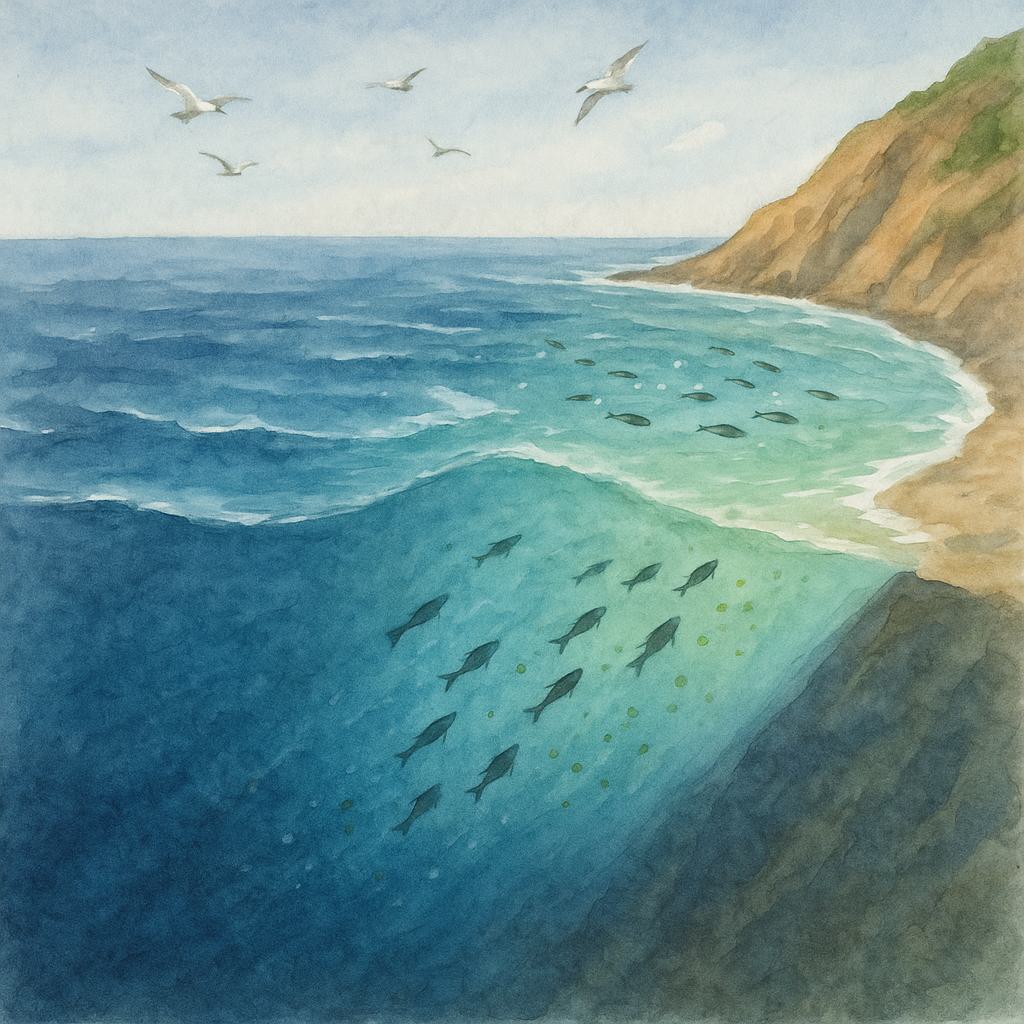
It is found in temperate and subtropical coastal waters of the Pacific, Indian, and Atlantic Oceans, with several regional populations. It is especially abundant in productive upwelling regions, such as the Benguela Current, and the waters around southern Australia and Japan. This species lives mainly in the sunlit upper layers of the ocean and often migrates seasonally to follow favorable temperatures and food.
Role in the ecosystem
It feeds mainly on phytoplankton and zooplankton, turning tiny drifting organisms into food for larger animals. It is an important food source for seabirds, marine mammals, sharks, and larger fish. By linking plankton to top predators, it plays a key role in keeping marine food webs healthy and productive.
Scientific reference
Ocean Literacy Connections
This resource can be explored through Ocean biodiversity.
- How do different ocean conditions create different ecosystems and ways of life?
Explore and connect
Open the primary consumer view and compare this species with related marine life.





FAQ
Why do Pacific sardines swim in large schools?
Swimming in large schools helps protect sardines from predators, makes it easier to find food, and allows the fish to move together during seasonal migrations.
Why do Pacific sardine populations change so much?
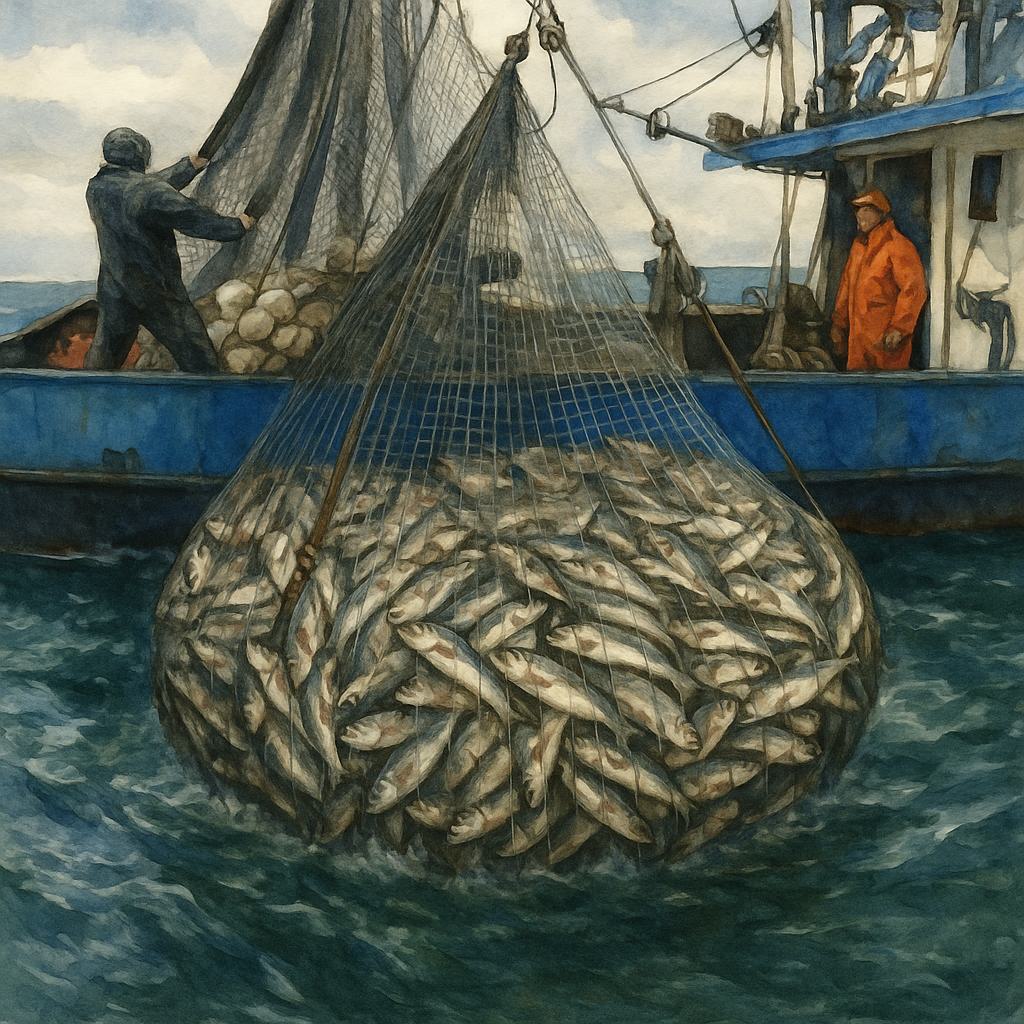
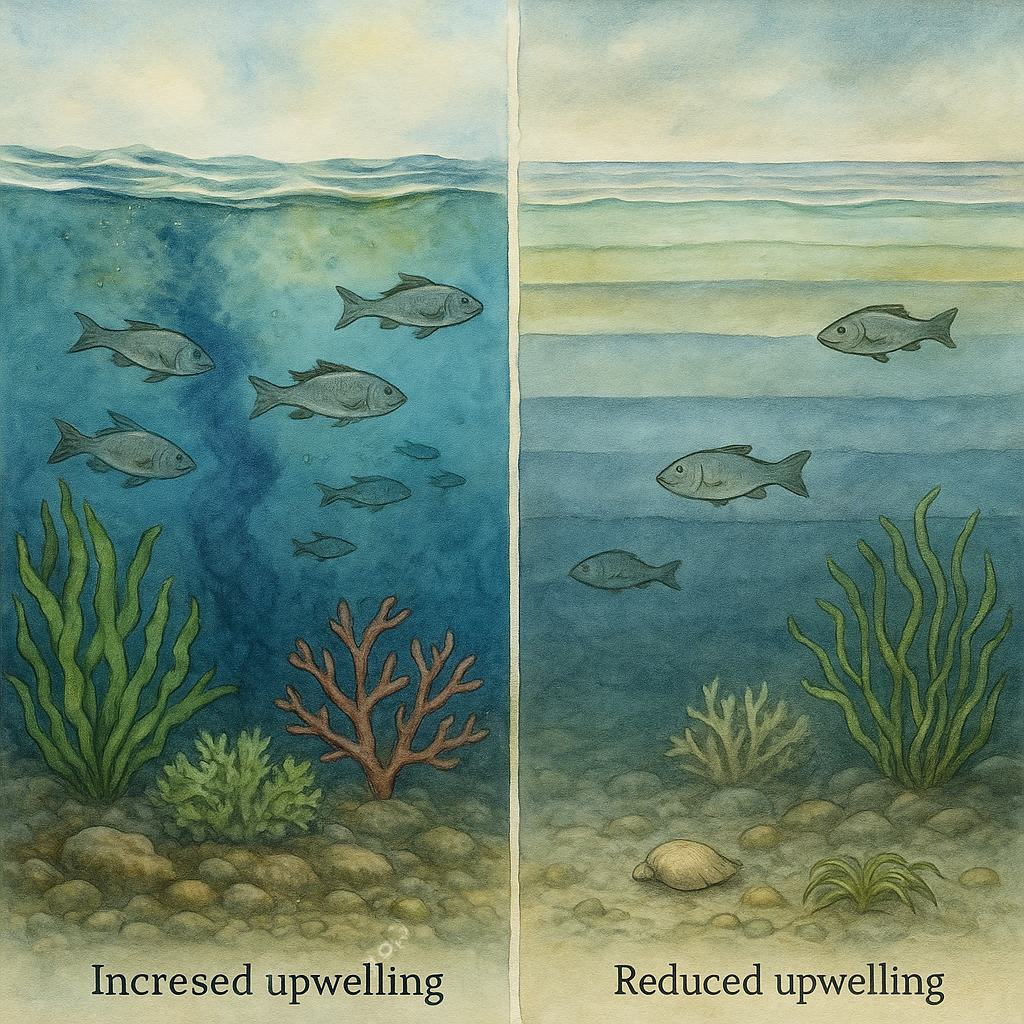
Their numbers naturally rise and fall over time because of changes in ocean temperature, food availability, and fishing pressure. Healthy management helps keep populations sustainable.