Chub mackerel
Scomber japonicus
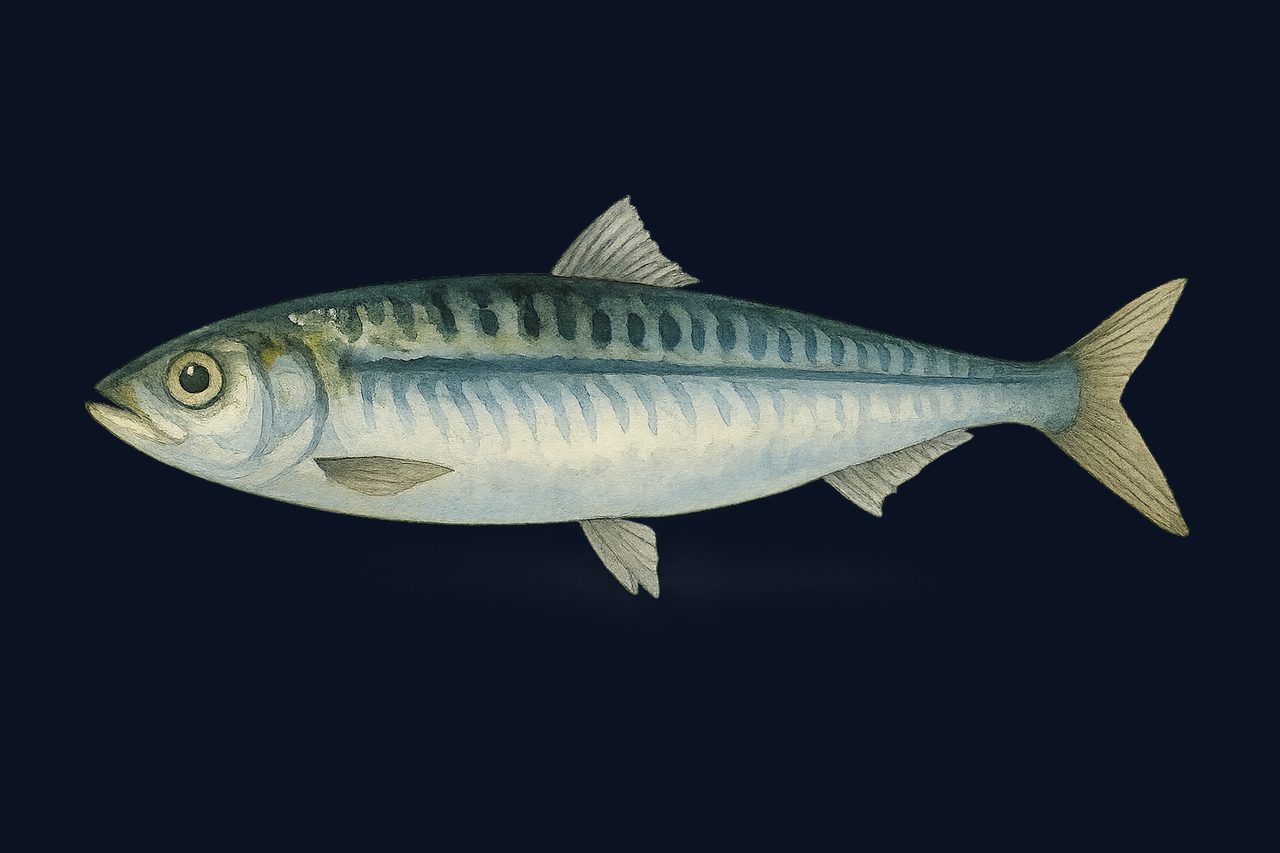
It is commonly known as the chub mackerel, is a fast-swimming fish that typically grows to about 30–50 cm in length. It has a streamlined body with a metallic blue-green back marked by dark wavy stripes and a silvery belly. This species often travels in large schools, allowing it to move efficiently through the open ocean in search of food.
Video
About this species
Species identity
It is commonly known as the chub mackerel, is a fast-swimming fish that typically grows to about 30–50 cm in length. It has a streamlined body with a metallic blue-green back marked by dark wavy stripes and a silvery belly. This species often travels in large schools, allowing it to move efficiently through the open ocean in search of food.
Where it lives
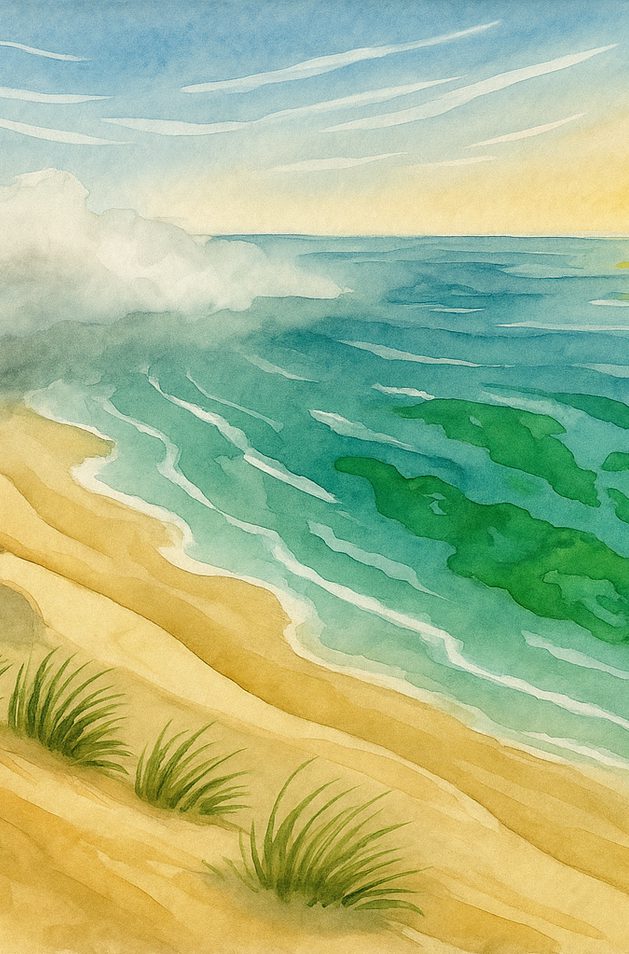
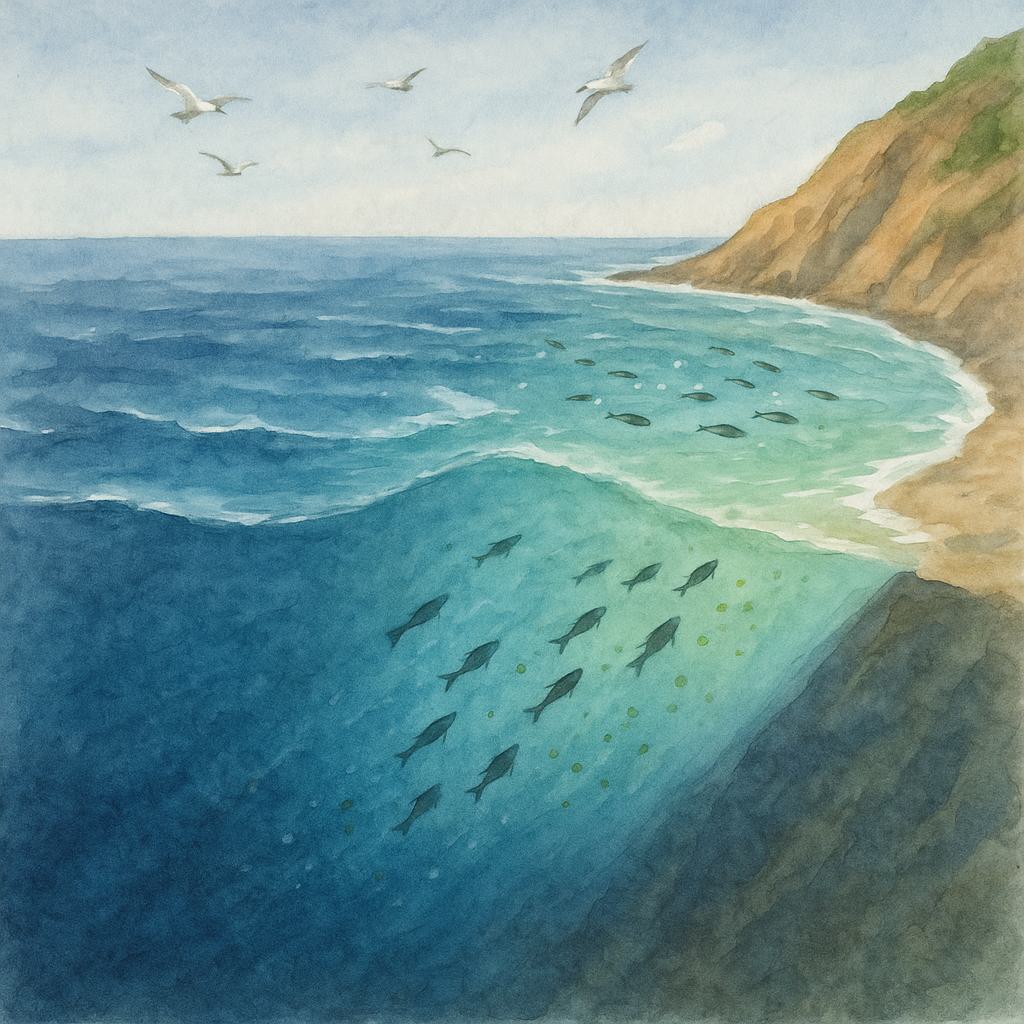
It is found in temperate and subtropical waters of the Atlantic, Pacific, and Indian Oceans. It lives mainly in coastal and offshore waters near the surface, often over the continental shelf. This species migrates seasonally to follow changes in water temperature and the availability of plankton and small prey.
Role in the ecosystem
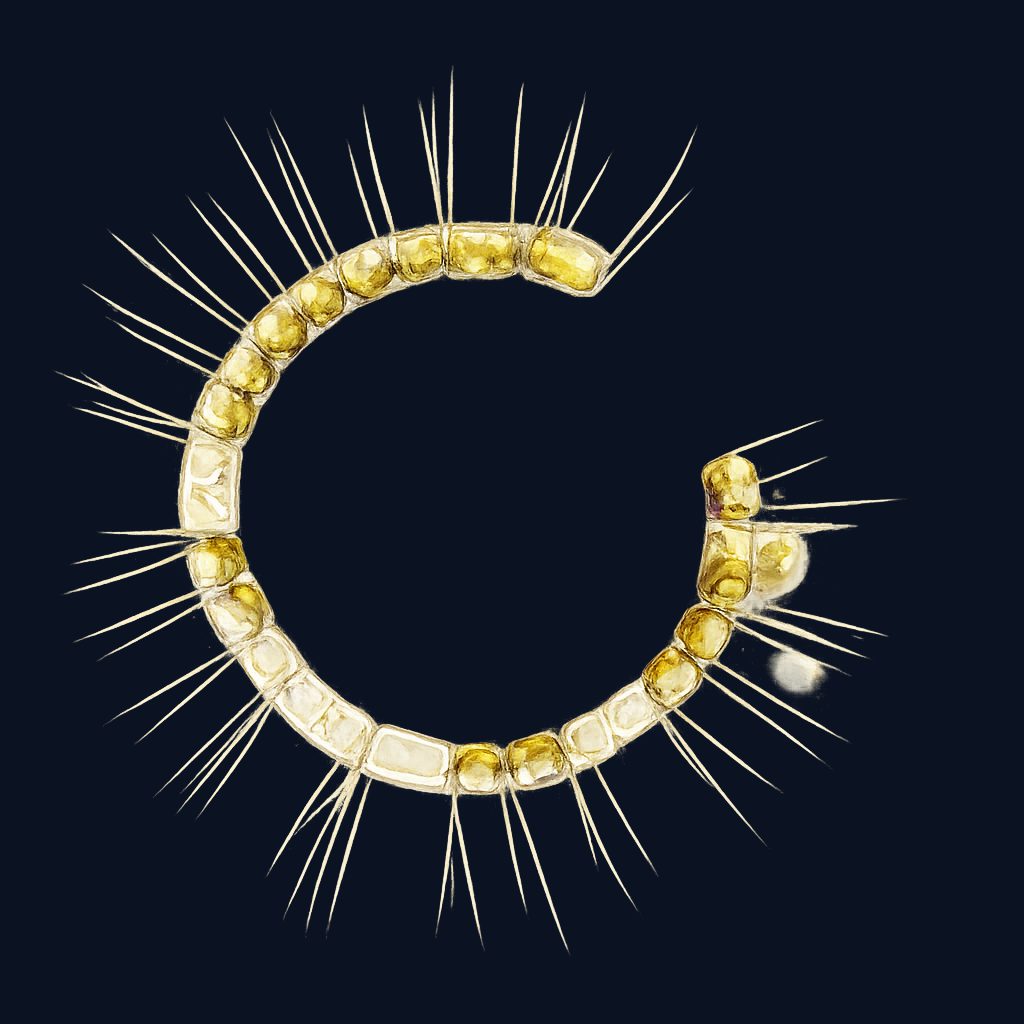
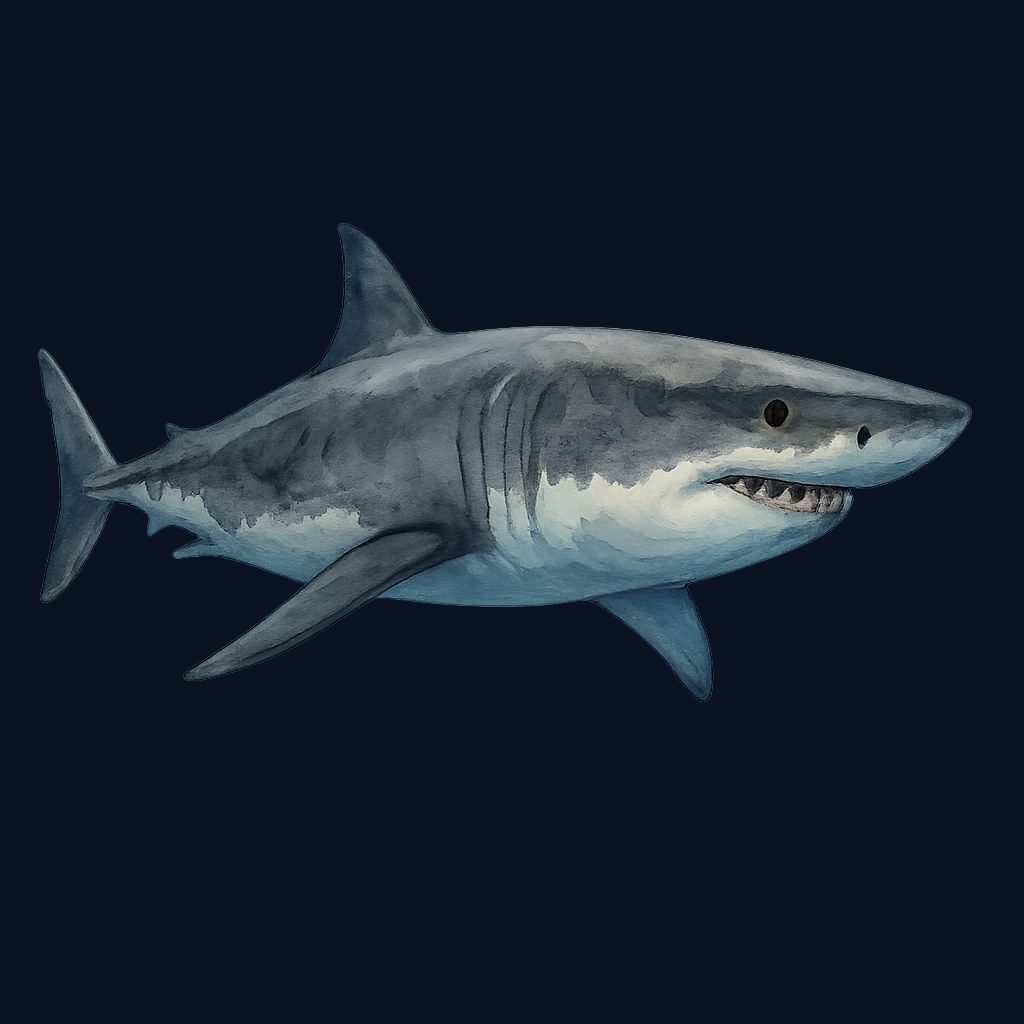
It feeds on zooplankton, small fish, squid, and crustaceans. It is an important food source for larger fish, seabirds, dolphins, and marine mammals. By linking plankton and small prey to top predators, it helps keep marine food webs balanced and productive.
Scientific reference
Ocean Literacy Connections
This resource can be explored through Ocean biodiversity.
- How do different ocean conditions create different ecosystems and ways of life?
Explore and connect
Open the species distribution layer to compare this range with ocean basins, ecosystems, and related marine context.
FAQ
Can a school of chub mackerel really look like one giant fish?
Yes! When thousands of chub mackerel swim together and change direction at the same time, they can appear as one huge, moving shape. This confuses predators and makes it harder for them to catch a single fish.
How do chub mackerel know where to swim?
Scientists believe chub mackerel use a combination of water temperature, ocean currents, daylight, and their senses to find feeding and breeding areas. Many populations return to the same regions year after year.