Chaetoceros socialis
Chaetoceros socialis
When crowded or short on nutrients, it forms resting spores that survive in sediment.
Video
About this species
Species identity
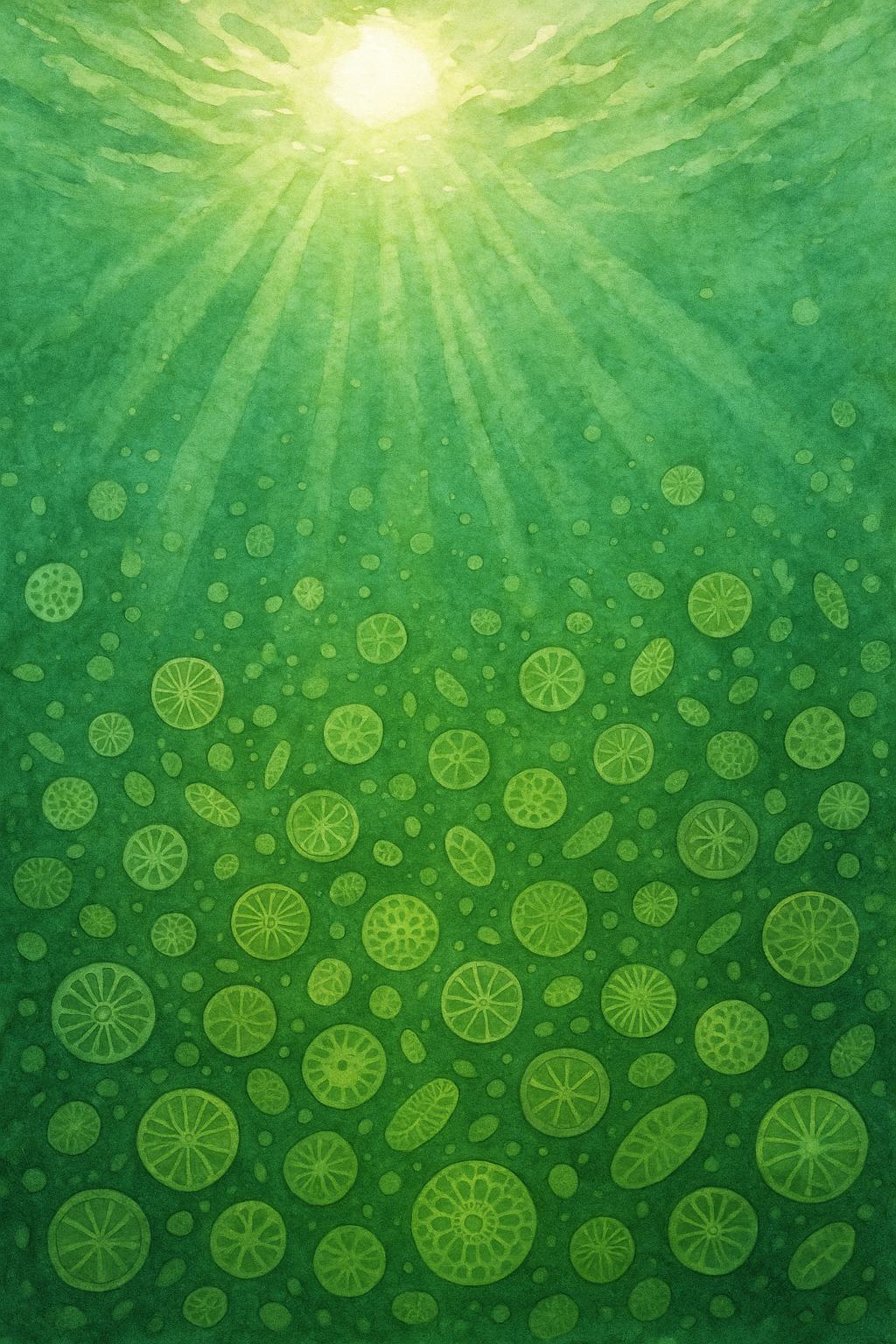
Chaetoceros socialis is a microscopic diatom, a type of single-celled algae that usually measures about 5–20 micrometers across. Its cells often join together to form small, star-shaped colonies that drift with the phytoplankton. Like other diatoms, it has glass-like cell walls made of silica and lives in the sunlit surface waters of the ocean. When crowded or short on nutrients, it forms resting spores that survive in sediment.
Where it lives
Chaetoceros socialis is found in coastal and open-ocean waters around the world, from polar to temperate and subtropical regions. It lives in the sunlit surface waters, where it grows best when nutrients are available. This species is especially common during seasonal phytoplankton blooms, when large numbers of microscopic algae grow rapidly.
Role in the ecosystem
Chaetoceros socialis makes its own food using sunlight and forms an important part of the base of the ocean food web. It is eaten by tiny drifting animals such as copepods, helping transfer energy to fish and other marine life. During seasonal blooms, it also helps produce oxygen and supports productive marine ecosystems.
Scientific reference
Ocean Literacy Connections
This resource can be explored through Ocean biodiversity and Ocean makes life possible.
- How do different ocean conditions create different ecosystems and ways of life?
- How did the ocean help make Earth a place where life could thrive?
Explore and connect
Open the primary producer view and compare this species with related marine life.

FAQ
Can Chaetoceros socialis go to sleep?
In a way, yes! When conditions become unfavorable, such as when nutrients run low, it can produce tough resting spores. These spores sink to the seafloor and can survive until conditions improve, when they grow into new cells.
Can Chaetoceros socialis create algal blooms?
Yes. When sunlight and nutrients are plentiful, it can multiply rapidly and become part of large seasonal phytoplankton blooms that support many marine animals.